
Adult cats typically require about 20 calories per pound of body weight daily for optimal health and happiness. When considering how much to feed cats, it’s essential to adjust portions based on their age, activity level, and health status to maintain a healthy weight.
Last updated: August 2, 2026
Understanding how much to feed cats is vital for their health and happiness. A balanced diet ensures that your feline friend receives the necessary nutrients for growth, energy, and overall well-being. This comprehensive guide explores various aspects of feeding your cat, including their nutritional needs, the right portion sizes, and common feeding mistakes to avoid.
- Start with the cat: Age, health, diet, behavior, and home setup change the right answer.
- Check safety first: Watch for pain, appetite changes, breathing issues, urination changes, or repeated symptoms.
- Use practical steps: Adjust routines, food, litter, grooming, play, or products slowly and safely.
- Know the limits: Cat-care advice varies by cause, product, environment, and veterinarian guidance.
Understanding Your Cat’s Nutritional Needs
Every cat has unique nutritional needs based on factors like age, activity level, and health status. Understanding these needs is crucial for maintaining their health and preventing obesity or malnutrition. This section will delve into the essential nutrients that cats require and how to ensure they receive a balanced diet. For feeding context, you may also want to read how much does a vet visit cost for a cat health checkup.
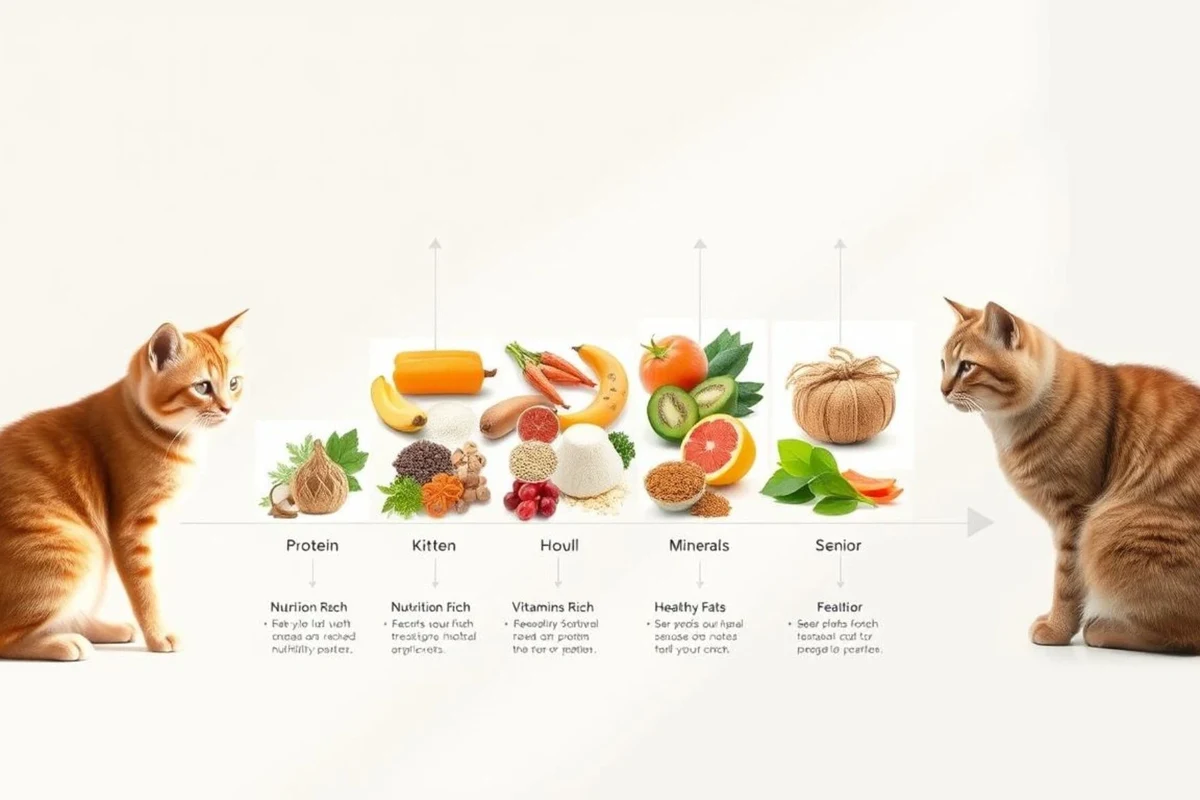
Factors Influencing How Much You Should Feed Your Cat
Several factors impact how much food your cat requires, including their age, weight, and activity level. Recognizing these factors helps you tailor their diet to meet their specific needs. In this section, we will examine the most significant influences on your cat’s feeding regimen.
Age and Life Stage: Kittens to Seniors
Different life stages require varying dietary needs. Kittens need more calories and nutrients for growth, while senior cats may need a diet that supports their aging bodies. Understanding these differences is essential for providing the right nutrition at every stage of your cat’s life.
Weight: Maintaining a Healthy Body Condition
Your cat’s weight plays a critical role in determining their food intake. Maintaining a healthy body condition helps prevent obesity and related health issues. This subsection will discuss how to monitor your cat’s weight and adjust their food portions accordingly.
Activity Level: How Much Playtime Matters
Active cats typically require more calories than those who are less active. Understanding how your cat’s activity level impacts their dietary needs is essential for maintaining their weight and overall health. This section will explore how to assess your cat’s activity and adjust their food intake accordingly. This connects closely with how much is a health check for a cat if you want to compare the topic in more detail.
| Category | Life Stage | Recommended Daily Intake |
|---|---|---|
| Kittens | 2-6 months | 4-6 meals of 1/4-1/2 cup of high-quality kitten food |
| Adult Cats | 1-7 years | 1/2-1 cup of dry food or 1-2 cans of wet food |
| Seniors | 7+ years | 1/4-1/2 cup of senior-specific food |
- Always use a measuring cup or scale for accuracy.
- Follow the feeding guidelines on the cat food label as a starting point.
- Adjust portions based on your cat’s activity level and weight changes.
Signs of Overfeeding or Underfeeding Your Cat
Recognizing the signs of overfeeding or underfeeding is crucial for your cat’s health. Both can lead to serious health issues, including obesity or malnutrition. In this section, we will cover the physical and behavioral signs to monitor in your cat.
| Signs of Overfeeding | Signs of Underfeeding |
|---|---|
| Weight gain and obesity | Weight loss and thinness |
| Frequent vomiting | Low energy and lethargy |
| Excessive begging for food | Increased irritability |
| Unusual levels of inactivity | Obsessive grooming |
Physical Signs: Weight Changes and Body Condition
Monitoring your cat’s weight and body condition is essential for detecting potential feeding issues. Weight changes can indicate overfeeding or underfeeding, which can have significant health implications. This subsection will help you understand what to look for.
- Weight gain or loss over time.
- Visible ribs or an overly rounded belly.
- Changes in coat condition or energy levels.
Behavioral Signs: Food-Related Behaviors to Monitor
Your cat’s behavior around food can provide insight into their dietary needs. Changes in appetite, begging, or food aggression can indicate whether your cat is being overfed or underfed. This section will explore the behavioral signs to watch for. For feeding context, you may also want to read how much is a health certificate for a cat.
- Begging for food or scavenging.
- Eating too quickly or obsessively.
- Disinterest in food or sudden changes in eating habits.
Use this guide for how much to feed cats as a practical checklist, then adjust the advice to your cat’s age, health history, routine, and home environment.
How to Measure Your Cat’s Food Portions Accurately
Accurate measurement of your cat’s food portions is essential for maintaining their health. Using the right tools can help ensure that you are feeding the correct amount. This section will discuss various methods to measure your cat’s food.
Using Measuring Cups vs. Weight Scales
While measuring cups are commonly used, weighing your cat’s food can provide more accurate portion sizes. Understanding the pros and cons of each method will help you choose the best option for your cat’s feeding routine.
Understanding Feeding Guidelines on Cat Food Labels
Cat food labels provide essential feeding guidelines that can help you determine how much to feed your cat. Understanding these guidelines is crucial for ensuring your cat receives the appropriate amount of food based on their specific needs. This connects closely with how to prevent obesity in cats for better health if diet or appetite is part of the issue.
Be cautious with human food; avoid feeding cats chocolate, onions, garlic, and other toxic foods.
Common Mistakes in Feeding Cats: What to Avoid
Many cat owners unknowingly make mistakes when feeding their pets, leading to health issues. From overfeeding to ignoring dietary needs, it’s essential to be aware of common pitfalls. This section outlines the most frequent mistakes and how to avoid them.
Feeding Human Food: The Risks and Alternatives
While it may be tempting to share your food with your cat, many human foods can be harmful. Understanding which foods are safe and which are not is critical for your cat’s health. This subsection will explore the risks associated with feeding cats human food.
Ignoring Portion Control: Consequences for Health
Failing to control portion sizes can lead to obesity and other health problems in cats. This section will emphasize the importance of portion control and provide strategies for maintaining it. For related health context, you may also want to read do siamese cats have health issues best guide for cat lovers.
Creating a Feeding Schedule for Your Cat
Establishing a consistent feeding schedule helps regulate your cat’s appetite and can prevent overeating. This section discusses the benefits of setting a routine and how to create an effective feeding schedule for your cat.
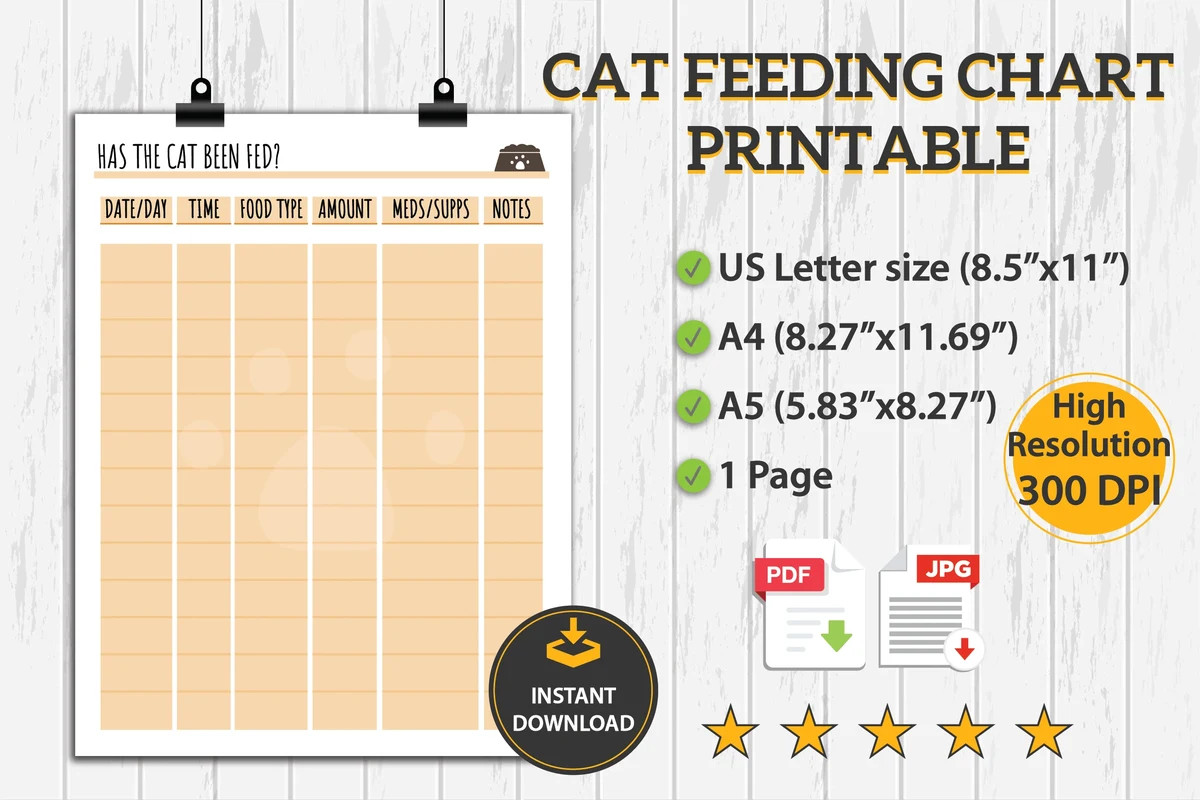
Benefits of Consistent Meal Times
Feeding your cat at the same time each day can promote better digestion and a more stable metabolism. This subsection will discuss the positive effects of having a regular feeding schedule.
How Many Meals a Day Should You Feed Your Cat?
The number of meals you provide daily can influence your cat’s eating habits and overall health. This section will guide you on how many meals per day are optimal for different life stages. You can also use how to improve your cats joint health as a helpful next guide on the same cat-care topic.
Consult your veterinarian if your cat experiences sudden weight changes, loss of appetite, or any other concerning symptoms.
What This Means for Cat Owners
Understanding how much to feed cats is crucial for their overall health and happiness. By recognizing their individual needs, maintaining a proper feeding routine, and avoiding common pitfalls, you can ensure that your cat thrives. This section will summarize the key takeaways for cat owners. For related context, you may also want to read how to improve your cats digestive health.
Choosing the Right Food for Your Cat’s Needs
Selecting the right food is just as important as determining how much to feed your cat. Not all cat foods are created equal, and understanding the differences can help you make informed decisions. This section explores the various types of cat food available.
Types of Cat Food: Dry, Wet, and Raw
Each type of cat food has its pros and cons, and the best choice for your cat depends on their specific health needs and preferences. This subsection will outline the different types of cat food and their benefits.
Nutrition Labels: What to Look For
Understanding nutrition labels is essential for choosing high-quality cat food. This section will guide you on what to look for in terms of ingredients, nutritional value, and caloric content. This connects closely with how to check if your cat has a health problem if diet or appetite is part of the issue.
This guide on how much to feed cats is written for general cat-owner education. For symptoms, food safety, recalls, medication, product specifications, or urgent changes, confirm details with a veterinarian, product label, official manual, manufacturer notice, or current recall source before acting.
Monitoring Your Cat’s Weight and Health
Regular monitoring of your cat’s weight and health is vital for ensuring they receive the proper nutrition. This section will provide practical advice on how to keep track of your cat’s health and when to seek professional help.
Regular Weigh-ins: When and How to Do It
Regular weigh-ins can help you catch any changes in your cat’s weight early on. This subsection will discuss how often to weigh your cat and the best methods for doing so.
When to Consult a Veterinarian About Feeding Concerns
If you notice significant changes in your cat’s weight or eating habits, it may be time to consult a veterinarian. This section will outline the signs that indicate you should seek professional advice.
Final Words
Feeding your cat the right amount of food is essential for their health and happiness. By understanding their nutritional needs, maintaining a proper feeding schedule, and monitoring their weight, you can help your feline friend lead a long, healthy life. Always consult with your veterinarian for personalized advice tailored to your cat’s specific needs.
🐾 Sufiya Begom's Tip: Every cat is different, so I always watch my own cats closely before assuming the worst. Small changes in appetite, grooming, or energy often mean something simple is going on — but if anything feels off for more than a day, it is always worth a quick check with your vet. Trust your instincts as a cat owner.
Frequently Asked Questions
Start with intended use, fit, verified specifications, safety instructions, care needs, and important limitations.
Start with the cat’s age, health history, home environment, safety guidance, and the main reason behind the topic.
It can vary by kitten, adult, senior cat, breed, temperament, health condition, diet, stress level, and home setup.
Check food changes, litter changes, symptoms, behavior changes, product fit, cleaning routine, and veterinarian guidance when health is involved.
A common mistake is treating every cat the same instead of considering age, health, environment, stress, and safety risks.
Contact a veterinarian if signs are sudden, severe, repeated, painful, linked to appetite, breathing, urination, weight, or involve kittens or senior cats.