
Yes, cat food can make a dog sick. While not all dogs will experience severe reactions, cat food is generally higher in fat and protein, which can lead to digestive upset, pancreatitis, or obesity in dogs if consumed regularly.
Last updated: August 13, 2026
Pet owners often wonder, “will cat food make a dog sick?” This concern arises from the common practice of households having both cats and dogs. Understanding the differences in their dietary needs is crucial for ensuring the health of both pets. In this article, we will explore the potential health risks of dogs consuming cat food, the reasons behind it, and what pet owners should be aware of. For related context, you may also want to read what does a healthy cat look like.
- Start with the cat: Age, health, diet, behavior, and home setup change the right answer.
- Check safety first: Watch for pain, appetite changes, breathing issues, urination changes, or repeated symptoms.
- Use practical steps: Adjust routines, food, litter, grooming, play, or products slowly and safely.
- Know the limits: Cat-care advice varies by cause, product, environment, and veterinarian guidance.
Will Cat Food Make a Dog Sick?
Yes, cat food can make a dog sick. While it may not be immediately harmful in small amounts, regular consumption can lead to health issues. The nutritional composition of cat food is significantly different from dog food, which can result in a range of problems for dogs if they eat it regularly. This connects closely with can a sick cat get a human sick if diet or appetite is part of the issue.
Understanding the Nutritional Differences
Cat food is formulated to meet the dietary needs of felines, which are obligate carnivores. This means it contains higher levels of protein and fat compared to dog food. Dogs, being omnivores, require a more balanced diet that includes carbohydrates and fiber. The high protein and fat content in cat food can lead to obesity and pancreatitis in dogs if consumed over time.
Common Symptoms of Dogs Eating Cat Food
When dogs consume cat food, they may exhibit various symptoms that can indicate health issues. It’s important for pet owners to recognize these signs early on to prevent complications. For feeding context, you may also want to read are there health risks with feeding a cat raw food.
- Vomiting
- Diarrhea
- Abdominal pain
- Loss of appetite
- Weight gain or obesity
Monitor your pets closely during meal times to prevent any dietary mishaps.
What Are the Risks of Dogs Eating Cat Food?
The risks associated with dogs eating cat food primarily stem from the nutritional imbalance it creates. These risks can manifest in several ways, impacting a dog’s overall health.
Pancreatitis: The high fat content can lead to inflammation of the pancreas. Obesity: Regular consumption can result in excessive weight gain, which brings its own set of health problems. Nutritional Deficiencies: Dogs may miss out on essential nutrients they need if they rely on cat food. This also connects with is wet food better for cat health if you want to avoid a similar cat-care mistake.
This guide on will cat food make a dog sick is written for general cat-owner education. For symptoms, food safety, recalls, medication, product specifications, or urgent changes, confirm details with a veterinarian, product label, official manual, manufacturer notice, or current recall source before acting.
When Should You Be Concerned?
If your dog accidentally eats cat food occasionally, it may not be a cause for alarm. However, if you notice persistent symptoms or if your dog consumes a large quantity, it’s important to consult a veterinarian. Monitoring their behavior and physical condition can help in deciding the right course of action. You can also use how much dry cat food should a cat eat as a helpful next guide on the same cat-care topic.
| Symptom | Action |
|---|---|
| Vomiting | Monitor and consult a vet if persistent |
| Diarrhea | Check for dehydration; consult a vet if severe |
| Lethargy | Observe behavior; seek veterinary advice |
| Loss of appetite | Evaluate other health issues; consult a vet |
Some dogs may be attracted to cat food due to its richer scent and flavor, which can lead to unintentional consumption.
Preventing Dogs from Eating Cat Food
To avoid the potential health risks associated with dogs eating cat food, consider these prevention strategies: This connects closely with can cat urine make you sick if diet or appetite is part of the issue.
- Keep cat food out of reach of dogs.
- Feed pets in separate areas of the house.
- Use elevated feeding dishes for cats to make it harder for dogs to access their food.
Always consult a veterinarian if your dog displays symptoms after eating cat food, especially vomiting or diarrhea.
What to Do If Your Dog Eats Cat Food
If your dog consumes cat food, here are some steps to take:
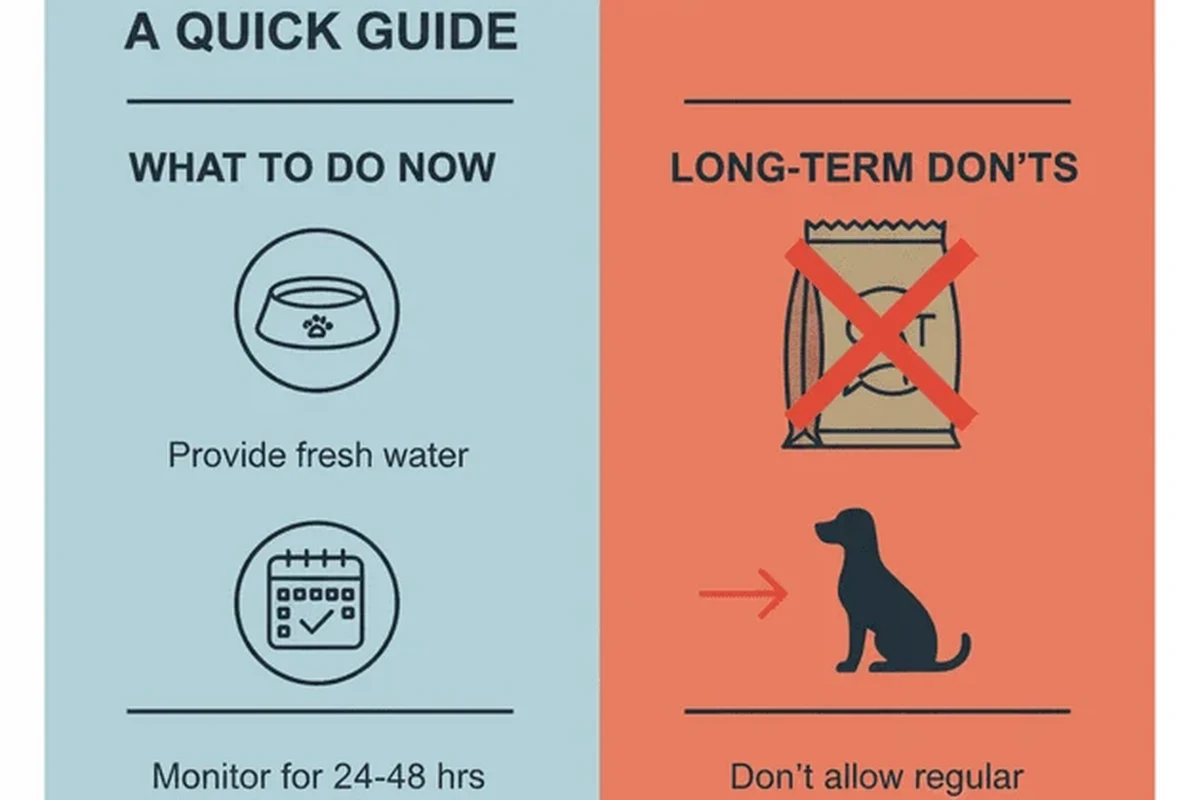
- Assess the Situation: Determine how much cat food was eaten.
- Monitor Symptoms: Watch for any signs of distress or illness.
- Contact Your Veterinarian: If symptoms appear or if a large quantity was consumed, seek professional advice.
- Check your dog’s health status.
- Monitor their diet closely.
- Consult a veterinarian for dietary concerns.
Plain Language Explanation: Can Cat Food Harm Dogs?
In simple terms, yes, cat food can harm dogs if they eat it regularly. This is mainly due to its high protein and fat content, which are not suitable for dogs. Occasional snacking might not cause immediate harm, but it’s best to avoid it altogether to keep your dog healthy. For feeding context, you may also want to read what are meat by products in cat food.
- Use separate feeding areas for cats and dogs.
- Keep cat food in a high or secure place.
- Train dogs to avoid cat food.
How to Read the Signs of Will cat food make a dog sick
will cat food make a dog sick should be understood as a reason to observe your cat carefully, compare signs, avoid guessing, and contact a veterinarian when symptoms are sudden, severe, repeated, painful, or linked to appetite, breathing, urination, weight, kittens, or senior cats.
Track when the sign started and how often it happens. Avoid home treatment, medication, or dosing without veterinary guidance. Use this article to prepare better questions for your veterinarian. This connects closely with symptoms of a cat in heat if diet or appetite is part of the issue.
Final Words
Understanding the differences in pet food and ensuring that dogs do not consume cat food is essential for their health. While cats have specific dietary needs, dogs require a more balanced diet. Keeping the two foods separate and monitoring both pets during mealtime can help prevent health issues. If a mishap does occur, keeping an eye on symptoms and knowing when to seek veterinary help is key.
🐾 Sufiya Begom's Tip: Every cat is different, so I always watch my own cats closely before assuming the worst. Small changes in appetite, grooming, or energy often mean something simple is going on — but if anything feels off for more than a day, it is always worth a quick check with your vet. Trust your instincts as a cat owner.
Frequently Asked Questions
Start with intended use, fit, verified specifications, safety instructions, care needs, and important limitations.
Start with the cat’s age, health history, home environment, safety guidance, and the main reason behind the topic.
It can vary by kitten, adult, senior cat, breed, temperament, health condition, diet, stress level, and home setup.
Check food changes, litter changes, symptoms, behavior changes, product fit, cleaning routine, and veterinarian guidance when health is involved.
A common mistake is treating every cat the same instead of considering age, health, environment, stress, and safety risks.
Contact a veterinarian if signs are sudden, severe, repeated, painful, linked to appetite, breathing, urination, weight, or involve kittens or senior cats.