
Healthy cats exhibit bright eyes, clean fur, and a well-maintained weight. To tell if a cat is healthy, observe its behavior for signs of playfulness, appetite, and litter box habits, as these are indicators of overall well-being.
Last updated: August 2, 2026
Understanding how to tell if a cat is healthy is essential for every cat owner. A healthy cat is not just about having a shiny coat or playful demeanor; it involves a comprehensive assessment of various physical and behavioral signs. In this guide, we will explore key indicators of cat health, daily health checks you can perform, and when to seek veterinary assistance to ensure your feline friend is thriving in your home.
- Start with the cat: Age, health, diet, behavior, and home setup change the right answer.
- Check safety first: Watch for pain, appetite changes, breathing issues, urination changes, or repeated symptoms.
- Use practical steps: Adjust routines, food, litter, grooming, play, or products slowly and safely.
- Know the limits: Cat-care advice varies by cause, product, environment, and veterinarian guidance.
Understanding Cat Health: Key Indicators
To determine if your cat is healthy, it’s important to recognize the key indicators of wellness. A healthy cat typically exhibits certain behaviors, physical characteristics, and weight stability. This section will highlight what you should look for when assessing your cat’s health. For related health context, you may also want to read how to check if your cat has a health problem.
This guide on how to tell if a cat is healthy is written for general cat-owner education. For symptoms, food safety, recalls, medication, product specifications, or urgent changes, confirm details with a veterinarian, product label, official manual, manufacturer notice, or current recall source before acting.
Common Signs of a Healthy Cat
A healthy cat often displays a range of positive signs that indicate its overall well-being. These signs include physical health indicators, behavioral patterns, and emotional stability. Recognizing these early can help in maintaining your cat’s health. This connects closely with how much is a health check for a cat if you want to compare the topic in more detail.
- Bright, clear eyes without discharge.
- Active and alert behavior with regular playfulness.
- Healthy appetite and consistent eating habits.
- Well-groomed coat that is free from mats or bald spots.
- Normal litter box habits with regular urination and defecation.
What to Observe: Daily Health Checks for Your Cat
Daily health checks are essential for monitoring your cat’s well-being. These simple observations can help you catch any potential health issues early on. You can incorporate these checks into your daily routine to ensure your cat remains in optimal health. For related health context, you may also want to read how much is a health certificate for a cat.
| Health Check Component | What to Observe | Signs of Concern |
|---|---|---|
| Appetite | Normal eating habits | Loss of appetite or overeating |
| Coat Condition | Shiny and clean fur | Dull, matted, or excessive shedding |
| Behavior | Active and playful | Lethargy or hiding excessively |
| Litter Box Usage | Regular use with normal stool | Infrequent use or changes in stool consistency |
- Check the Eyes:
Look for brightness, clarity, and lack of discharge.
- Inspect the Coat:
Ensure it is clean, shiny, and free of tangles or bald patches.
- Monitor Appetite:
Note any changes in eating habits or food preferences.
- Observe Behavior:
Watch for signs of lethargy or unusual behavior patterns.
- Litter Box Routine:
Keep track of urination and defecation habits for any abnormalities.
Regular observation and proactive care are key to maintaining your cat’s health. Incorporate daily checks into your routine.
Behavioral Signs: How Cat Behavior Reflects Health
Behavior can be a significant indicator of a cat’s health. Changes in their typical behavior may suggest underlying health issues. Understanding what is normal for your cat can help you identify when something is off.
Understanding Normal vs. Abnormal Behavior
Each cat has its unique personality, but some behaviors are generally considered normal. Recognizing deviations from these norms can help in early detection of health problems.
Normal: Playfulness and curiosity. Normal: Regular grooming habits. Abnormal: Sudden aggression or withdrawal. Abnormal: Excessive vocalization or silence. Abnormal: Changes in grooming frequency or habits. You can also use how much does a vet visit cost for a cat health checkup as a helpful next guide on the same cat-behavior topic.
Regular dental care can significantly impact your cat’s overall health and longevity.
Physical Signs of Health: Coat, Eyes, and Gums
The physical appearance of a cat can tell you a lot about its health. Key areas to check include the coat, eyes, and gums. Regular inspections can help you identify any health issues early.
How to Check Your Cat’s Coat Health
A healthy cat’s coat should be clean, shiny, and free from mats. Regular brushing not only helps in maintaining coat health but also allows you to check for any skin issues or parasites.
- Brush your cat regularly to prevent matting.
- Look for any signs of skin irritation or parasites.
- Ensure the coat feels soft and smooth.
Eye Health Indicators: What to Look For
Healthy cat eyes should be clear and bright, without any signs of redness or discharge. Regular checks can help you spot potential issues early.
Check for clarity and brightness of the eyes. Look for any unusual discharge or redness. Observe for any squinting or excessive tearing.
Checking Your Cat’s Gums and Teeth
Oral health is vital for overall cat health. Healthy gums should be pink and not swollen, while teeth should be clean and free from tartar buildup. Regular dental checks can prevent serious health issues. This connects closely with how to improve your cats joint health if you want to compare the topic in more detail.
- Gums should be pink and not bleeding.
- Teeth should be white with minimal tartar.
- Regularly check for bad breath or excessive salivation.
Monitoring Weight: A Crucial Aspect of Cat Health
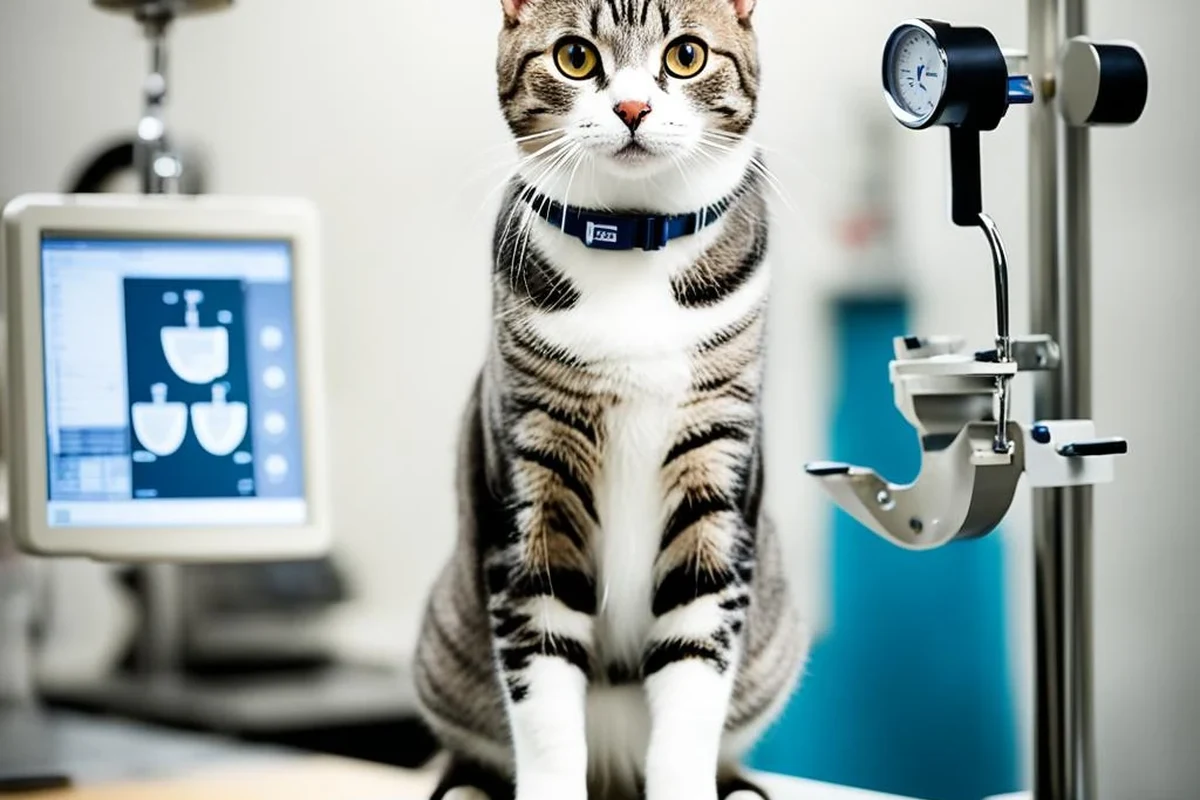
Weight monitoring is essential for preventing obesity and related health problems in cats. Keeping track of your cat’s weight can help identify changes that may indicate health issues.
How to Safely Monitor Your Cat’s Weight
Regular weighing of your cat can help you maintain its ideal weight. You can use a pet scale or weigh yourself holding the cat and subtract your weight.
Weigh your cat regularly, ideally once a month. Use a consistent method for accurate comparisons. Keep a record of weight changes over time.
Weight Changes: When to Be Concerned
Significant weight loss or gain can be a sign of underlying health issues. Be vigilant and consult your veterinarian if you notice drastic changes. You can also use how to improve your cats digestive health as a helpful next guide on the same cat-care topic.
- Weight loss over a few weeks without change in diet.
- Weight gain that leads to obesity.
- Changes in eating habits or activity levels.
- Check your cat’s age, health, and routine.
- Monitor any unusual behavior or physical signs.
- Consult a veterinarian for any concerns.
When to Call a Veterinarian: Recognizing Red Flags
Understanding when to seek veterinary care is critical for your cat’s health. Certain signs should prompt you to contact a veterinarian immediately to prevent serious health issues.
Persistent vomiting or diarrhea. Signs of pain or distress. Difficulty breathing or coughing. Sudden changes in behavior or appetite. Any visible injuries or abnormalities. For related health context, you may also want to read how to prevent obesity in cats for better health.
- Keep a health journal for your cat’s routine.
- Regularly update vaccinations and treatments.
- Provide a balanced diet tailored to your cat’s needs.
Common Mistakes Cat Owners Make in Assessing Health
Many cat owners may overlook subtle signs of health issues due to common misconceptions. Understanding these pitfalls can help you better care for your cat.
Avoiding Overreaction: Knowing What’s Normal
It’s essential to recognize the difference between normal behavior and signs that may indicate a problem. Overreacting to minor changes can lead to unnecessary stress for both you and your cat.
Signs That Should Not Be Ignored
While some changes may seem minor, certain signs should never be overlooked. Always err on the side of caution when it comes to your cat’s health. This connects closely with what does a healthy cat look like if you want to compare the topic in more detail.
- Persistent changes in appetite or weight.
- Visible pain or discomfort.
- Unusual vocalizations or behavior.
Preventive Measures for Maintaining Cat Health
Preventive care is crucial for maintaining your cat’s health. Regular veterinary visits and a balanced diet are key components of overall wellness.
Importance of Regular Veterinary Check-ups
Regular vet visits can help catch potential health issues before they become serious. Establishing a routine schedule for check-ups can ensure your cat remains healthy.
Schedule annual check-ups for healthy cats. Consider more frequent visits for senior or ill cats. Keep vaccinations and preventive treatments up to date.
Nutrition and Diet: Feeding for Health
A balanced diet is essential for your cat’s health. Proper nutrition supports their immune system and overall well-being. It’s important to choose high-quality cat food that meets their dietary needs.
- Choose age-appropriate food for your cat’s life stage.
- Monitor portion sizes to prevent obesity.
- Consult your veterinarian for dietary recommendations.
Always consult a veterinarian for persistent health issues, changes in behavior, or noticeable discomfort.
What This Means for Cat Owners
Understanding how to tell if a cat is healthy involves knowing what to observe in your cat’s behavior, physical appearance, and habits. Regular monitoring and preventive care are essential for ensuring long-term health and happiness. By being proactive and attentive, you can provide your cat with the best possible care.
Final Words
Caring for a cat involves more than just providing food and shelter. Regular health checks, monitoring behavior, and seeking veterinary care when necessary are integral parts of responsible cat ownership. By staying informed and attentive, you can help ensure your feline friend lives a long, healthy, and happy life.
🐾 Sufiya Begom's Tip: Every cat is different, so I always watch my own cats closely before assuming the worst. Small changes in appetite, grooming, or energy often mean something simple is going on — but if anything feels off for more than a day, it is always worth a quick check with your vet. Trust your instincts as a cat owner.
Frequently Asked Questions
Start with intended use, fit, verified specifications, safety instructions, care needs, and important limitations.
Start with the cat’s age, health history, home environment, safety guidance, and the main reason behind the topic.
It can vary by kitten, adult, senior cat, breed, temperament, health condition, diet, stress level, and home setup.
Check food changes, litter changes, symptoms, behavior changes, product fit, cleaning routine, and veterinarian guidance when health is involved.
A common mistake is treating every cat the same instead of considering age, health, environment, stress, and safety risks.
Contact a veterinarian if signs are sudden, severe, repeated, painful, linked to appetite, breathing, urination, weight, or involve kittens or senior cats.