
Cat vomiting can occur due to various reasons, including hairballs, dietary changes, food allergies, or underlying health issues. Identifying the cause is crucial to determine the appropriate treatment and help your furry friend.
Last updated: August 13, 2026
If your cat is vomiting, it’s essential to understand the reasons behind this distressing symptom. Vomiting can indicate anything from minor digestive upset to serious health issues. In this article, we’ll explore why cats vomit, the signs to watch for, and how you can help your furry friend recover.
- Start with the cat: Age, health, diet, behavior, and home setup change the right answer.
- Check safety first: Watch for pain, appetite changes, breathing issues, urination changes, or repeated symptoms.
- Use practical steps: Adjust routines, food, litter, grooming, play, or products slowly and safely.
- Know the limits: Cat-care advice varies by cause, product, environment, and veterinarian guidance.
Understanding Why Is Cat Vomiting
Vomiting in cats can occur for a variety of reasons, ranging from dietary indiscretion to underlying health problems. It’s crucial to identify the underlying cause to determine the appropriate response. Understanding these causes can help you take timely action and ensure your cat’s well-being.
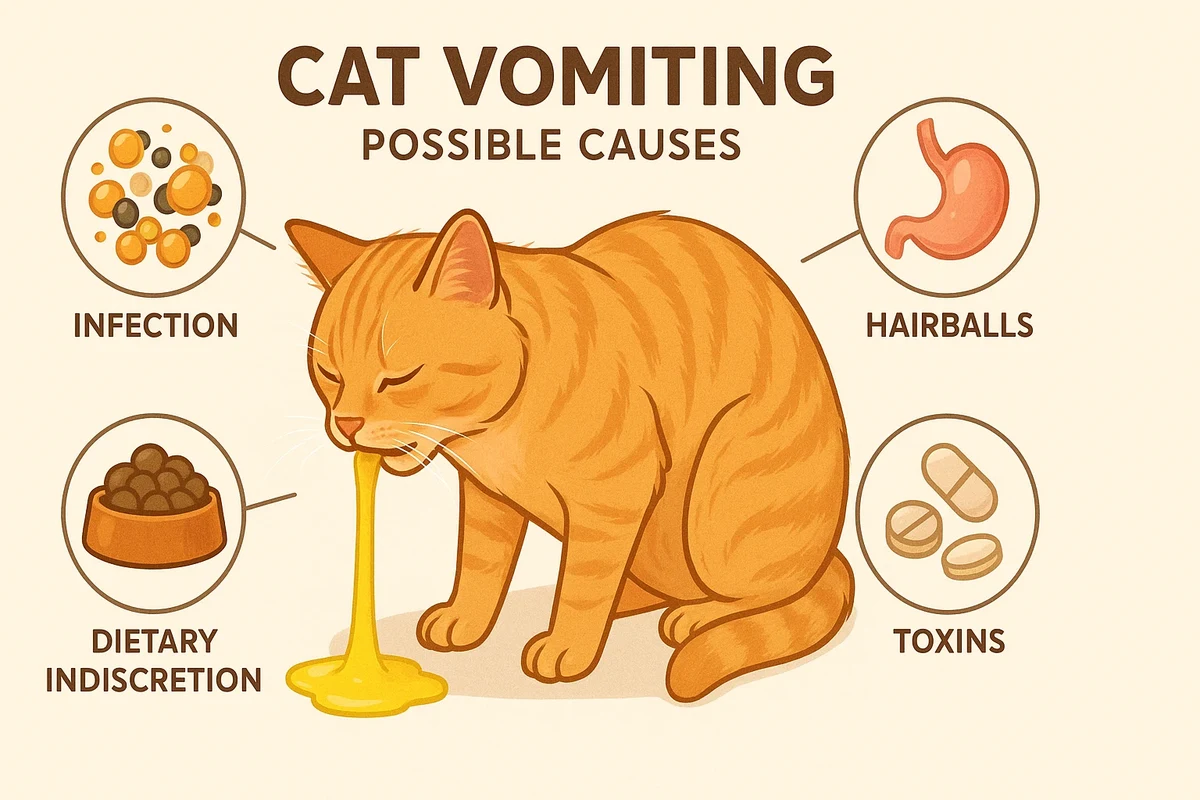
Common Causes of Cat Vomiting
There are numerous reasons for vomiting in cats, including dietary changes and health conditions. Identifying the cause can help in determining whether it’s a minor issue or something requiring immediate veterinary attention. For related context, you may also want to read how to check if your cat has a health problem.
- Dietary Indiscretion: Cats may eat too quickly or consume something they shouldn’t, leading to vomiting.
- Hairballs: Particularly in long-haired breeds, hairballs can cause digestive blockages.
- Food Sensitivities: Some cats may react poorly to certain ingredients in their food.
- Medical Conditions: Conditions such as kidney disease, hyperthyroidism, or infections can lead to vomiting.
This guide on why is cat vomiting is written for general cat-owner education. For symptoms, food safety, recalls, medication, product specifications, or urgent changes, confirm details with a veterinarian, product label, official manual, manufacturer notice, or current recall source before acting.
Signs to Watch For When Your Cat is Vomiting
Recognizing additional symptoms accompanying vomiting can help you assess the severity of the situation. It’s important to monitor your cat’s overall condition to determine if a vet visit is necessary.
Frequency of Vomiting: Occasional vomiting may be less concerning than frequent episodes. Other Symptoms: Look for signs like lethargy, diarrhea, or changes in appetite. Behavior Changes: Observe if your cat is hiding or acting differently than normal. This connects closely with how to groom a long haired cat if you want to compare the topic in more detail.
When to Call a Veterinarian
While some vomiting may not be serious, there are specific situations that warrant a veterinary visit. Knowing when to seek professional help is vital for your cat’s health. For related health context, you may also want to read how to stop a cat from scratching furniture.
| Situation | Action |
|---|---|
| Frequent vomiting (more than once a week) | Call a veterinarian |
| Vomiting with diarrhea | Seek immediate veterinary care |
| Vomiting with lethargy or loss of appetite | Schedule a vet appointment |
| Vomiting after eating grass or hairballs | Monitor; consult if persistent |
- Repeated Vomiting: If your cat vomits multiple times in a short period, it’s time to consult a vet.
- Blood in Vomit: Any presence of blood is an emergency and requires immediate attention.
- Signs of Dehydration: If your cat is lethargic and not drinking, contact your veterinarian.
Always keep track of your cat’s health and behavior. If you notice any changes, don’t hesitate to reach out to your veterinarian for guidance.
How to Help Your Cat at Home
If your cat is vomiting but doesn’t show serious symptoms, there are some steps you can take to help them at home. These measures can provide comfort and aid in recovery. For related context, you may also want to read how to improve your cats joint health.
- Withhold Food for 12-24 Hours:
Allow your cat’s stomach to settle by not feeding them for a short period.
- Reintroduce Food Gradually:
After the fasting period, reintroduce a bland diet such as boiled chicken or rice.
- Hydration:
Ensure your cat has access to fresh water to prevent dehydration.
Hairballs are a common cause of vomiting in cats, particularly in long-haired breeds.
Common Mistakes to Avoid When Your Cat is Vomiting
When dealing with a vomiting cat, it’s easy to make mistakes that could worsen the situation. Being aware of these common pitfalls can help you provide better care for your pet.
Ignoring Symptoms: Don’t dismiss vomiting as a minor issue if it’s accompanied by other concerning signs. Changing Diet Suddenly: Avoid making drastic changes to your cat’s diet, as this can upset their stomach. Self-Medicating: Never give your cat human medications without consulting a vet first. For related safety context, compare this with how much is a health check for a cat.
Long-haired breeds may be more prone to hairballs.
Multi-cat households should monitor food competition.
Be cautious with sudden dietary changes.
Preventing Vomiting in Cats
Taking preventive measures can significantly reduce the likelihood of your cat vomiting. Implementing a few simple practices can help maintain your cat’s digestive health. You can also use how to improve your cats digestive health as a helpful next guide on the same cat-care topic.
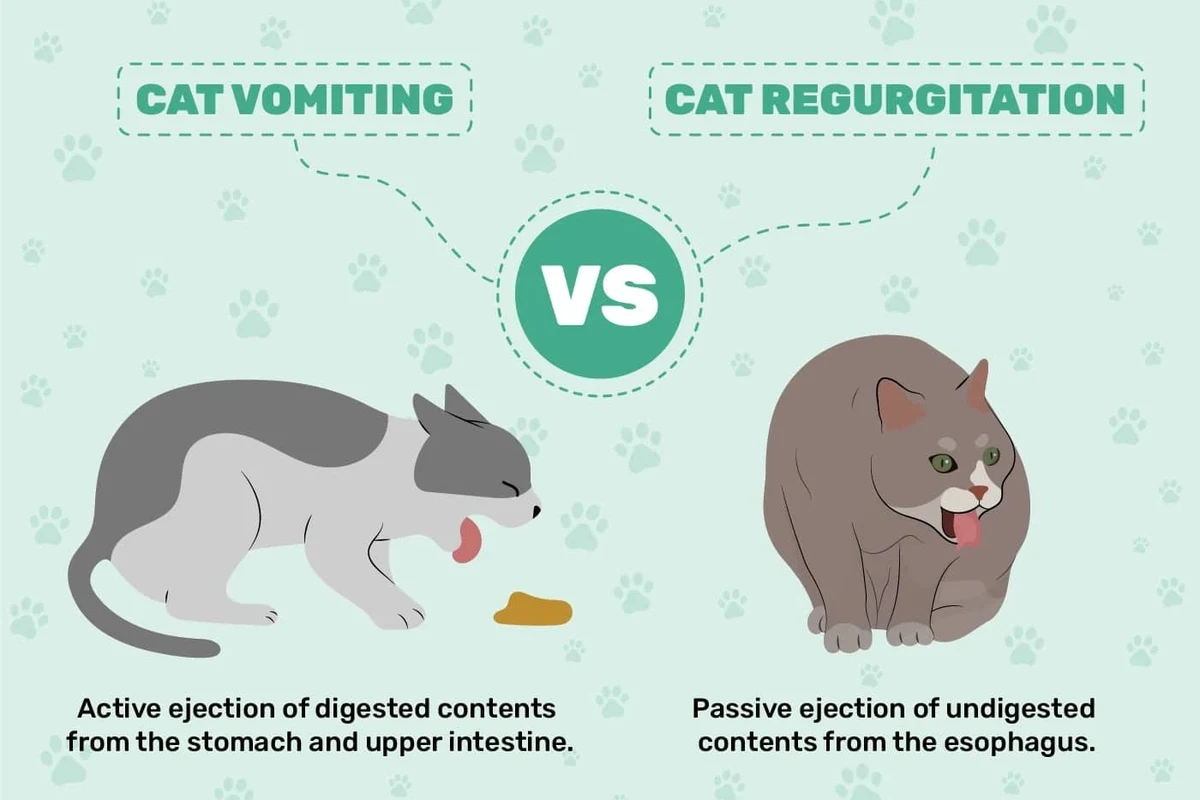
- Feeding Smaller Meals: Offer multiple small meals throughout the day to prevent overloading their stomach.
- Regular Grooming: Regular brushing can reduce hairballs, particularly in long-haired breeds.
- Quality Diet: Ensure you’re feeding a high-quality cat food that suits your cat’s specific needs.
- Feed smaller meals to reduce vomiting.
- Brush your cat regularly to minimize hairballs.
- Keep fresh water available at all times.
Tools and Products to Consider for Your Cat’s Digestive Health
There are various products available that can help in managing your cat’s digestive health and reducing the chances of vomiting. Understanding what to use can make a difference. For related health context, you may also want to read how much is a health certificate for a cat.
| Product | Best For | What to Check |
|---|---|---|
| Anti-Hairball Treats | Reducing hairballs in cats | Check for palatability and ingredients. |
| Slow Feeder Bowls | Preventing overeating | Size and ease of cleaning. |
| Digestive Supplements | Supporting gut health | Consult your vet for suitable options. |
Understanding Vomiting in Plain Language
In simple terms, when a cat vomits, it means something isn’t right in their digestive system. It can happen for many reasons, like eating too fast, having hairballs, or even being sick. If your cat vomits occasionally and seems fine otherwise, it might not be a big deal. But if they vomit often or show other signs of illness, it’s best to check with a vet.
Remember, paying attention to your cat’s overall behavior and health is key to understanding their needs. This connects closely with how long do cat allergy symptoms last if you want to compare the topic in more detail.
If vomiting persists or is accompanied by other symptoms, consult your veterinarian immediately.
Putting Why is cat vomiting in Context
why is cat vomiting should be understood as a reason to observe your cat carefully, compare signs, avoid guessing, and contact a veterinarian when symptoms are sudden, severe, repeated, painful, or linked to appetite, breathing, urination, weight, kittens, or senior cats.
Track when the sign started and how often it happens. Avoid home treatment, medication, or dosing without veterinary guidance. Use this article to prepare better questions for your veterinarian.
Final Words
Understanding why your cat is vomiting is crucial for their health and well-being. While occasional vomiting may not be serious, it’s important to monitor your cat for any concerning signs. By recognizing the symptoms and knowing when to seek veterinary care, you can help your furry friend stay healthy and happy.
🐾 Sufiya Begom's Tip: Every cat is different, so I always watch my own cats closely before assuming the worst. Small changes in appetite, grooming, or energy often mean something simple is going on — but if anything feels off for more than a day, it is always worth a quick check with your vet. Trust your instincts as a cat owner.
Frequently Asked Questions
Start with intended use, fit, verified specifications, safety instructions, care needs, and important limitations.
Start with the cat’s age, health history, home environment, safety guidance, and the main reason behind the topic.
It can vary by kitten, adult, senior cat, breed, temperament, health condition, diet, stress level, and home setup.
Check food changes, litter changes, symptoms, behavior changes, product fit, cleaning routine, and veterinarian guidance when health is involved.
A common mistake is treating every cat the same instead of considering age, health, environment, stress, and safety risks.
Contact a veterinarian if signs are sudden, severe, repeated, painful, linked to appetite, breathing, urination, weight, or involve kittens or senior cats.