
Clear liquid vomiting in cats can occur due to various reasons, including hairballs, gastritis, or an empty stomach. If your cat vomits clear liquid frequently, consult a veterinarian to rule out any serious underlying conditions.
Last updated: August 13, 2026
Seeing your cat vomit clear liquid can be concerning. This may indicate different underlying issues, from mild to serious. Understanding why does my cat vomit clear liquid is crucial for timely intervention and ensuring your feline friend gets the right care. In this article, we will explore the possible causes, symptoms, and steps you can take to help your cat.
- Start with the cat: Age, health, diet, behavior, and home setup change the right answer.
- Check safety first: Watch for pain, appetite changes, breathing issues, urination changes, or repeated symptoms.
- Use practical steps: Adjust routines, food, litter, grooming, play, or products slowly and safely.
- Know the limits: Cat-care advice varies by cause, product, environment, and veterinarian guidance.
Understanding Cat Vomiting: What Does It Mean?
Vomiting in cats can vary in appearance and significance. Clear liquid vomit is often less alarming than other forms, but it still requires attention. Cats may vomit clear liquid for various reasons, including dietary habits, health issues, or stress.
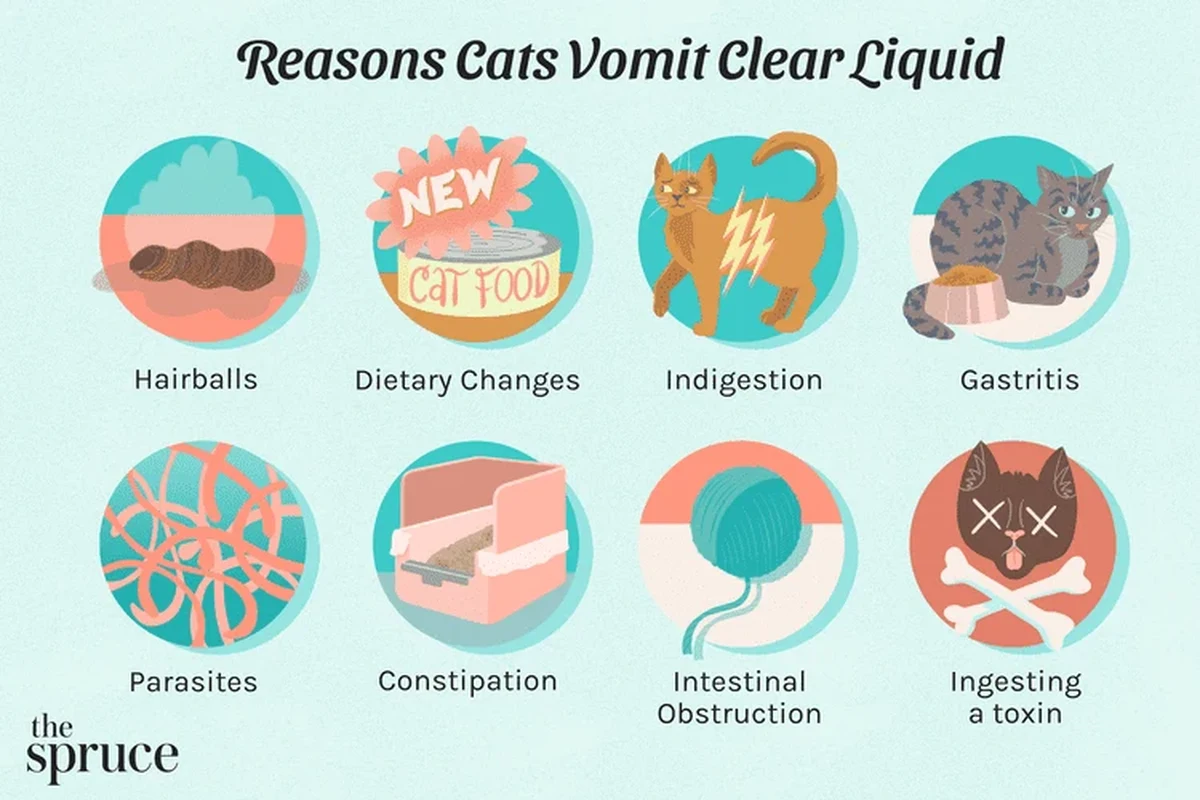
Common Reasons for Clear Liquid Vomit in Cats
Several factors can lead to your cat vomiting clear liquid. Identifying the cause can help determine the next steps for care. Common reasons include dietary indiscretion, hairballs, and gastrointestinal issues. For related context, you may also want to read how much does a vet visit cost for a cat health checkup.
- Dietary Indiscretion: Cats may eat too quickly, leading to vomit that appears clear.
- Hairballs: Excessive grooming can cause hairballs, resulting in clear liquid vomiting.
- Gastrointestinal Issues: Conditions like gastritis or inflammatory bowel disease can cause vomiting.
Signs to Monitor Alongside Clear Liquid Vomit
When your cat vomits clear liquid, it’s essential to monitor additional symptoms. This can help determine whether a vet visit is necessary. Look for signs that may indicate a more serious issue requiring immediate attention.
Loss of Appetite: If your cat refuses to eat for more than a day, consult a veterinarian. Lethargy: Unusual tiredness or lack of energy can signal underlying health issues. Diarrhea: If vomiting is accompanied by diarrhea, it may indicate a gastrointestinal problem. This connects closely with how to check if your cat has a health problem if you want to compare the topic in more detail.
- Check your cat’s age, health, and routine.
- Monitor for additional symptoms like diarrhea or lethargy.
- Consult a veterinarian for persistent or severe symptoms.
When to Seek Veterinary Help
Knowing when to consult a veterinarian is crucial for your cat’s health. If your cat’s condition worsens or persists, it’s essential to take action immediately. Be aware of the severity and frequency of the vomiting. For related health context, you may also want to read what does a healthy cat look like.
| Condition | Action |
|---|---|
| Vomiting occurs more than once in 24 hours | Consult a veterinarian |
| Vomiting accompanied by lethargy | Seek immediate veterinary care |
| Vomiting of clear liquid persists for more than 24 hours | Schedule a vet appointment |
| Presence of other symptoms (e.g., diarrhea, loss of appetite) | Contact a veterinarian |
Use this guide for why does my cat vomit clear liquid as a practical checklist, then adjust the advice to your cat’s age, health history, routine, and home environment.
Exploring Health Issues Related to Vomiting Clear Liquid
Several health conditions may cause your cat to vomit clear liquid. Understanding these conditions can help in addressing your cat’s health needs. Here are some common health issues to be aware of: This connects closely with how long do cat allergy symptoms last if you want to compare the topic in more detail.
| Condition | Symptoms | Action Required |
|---|---|---|
| Gastritis | Vomiting, loss of appetite | Vet visit needed |
| Inflammatory Bowel Disease | Chronic vomiting, diarrhea | Consult a veterinarian |
| Parasites | Vomiting, weight loss | Get a fecal test |
Cats often show discomfort through small changes in appetite, litter box use, grooming, hiding, play, or body language before the problem looks obvious.
Preventing Clear Liquid Vomiting in Cats
Taking preventive measures can reduce the occurrence of clear liquid vomiting in cats. By making a few changes to your cat’s diet and environment, you may be able to minimize this issue. Here are some effective strategies: This connects closely with how much is a health check for a cat if you want to compare the topic in more detail.
- Slow Feeding: Use puzzle feeders to slow down fast eaters.
- Regular Grooming: This can reduce hairballs and excessive grooming.
- Monitor Diet: Feed high-quality cat food that meets your cat’s nutritional needs.
Common Mistakes Cat Owners Make
As cat owners, we may unknowingly make mistakes that can exacerbate vomiting issues. Understanding these common pitfalls can help improve your cat’s health and well-being.
Ignoring Symptoms: Not taking vomiting seriously can lead to severe health issues. Feeding Table Scraps: Human food can upset a cat’s stomach. Neglecting Hydration: Ensure your cat always has access to fresh water. This also connects with how much is a health certificate for a cat if you want to avoid a similar cat-care mistake.
Use this for symptoms, appetite changes, urination changes, pain, breathing, repeated vomiting/diarrhea, wounds, toxic foods, or sudden behavior changes.
Tools and Products to Help Manage Your Cat’s Health
Utilizing certain tools and products can assist in managing your cat’s health and reducing vomiting incidents. Here are some recommendations: For related health context, you may also want to read why does my cat bring me toys.
- Water Fountains: Encourage hydration with a water fountain.
- High-Quality Cat Food: Choose a diet that supports digestive health.
- Grooming Tools: Regular brushing can prevent hairballs.
Explaining Clear Liquid Vomit in Simple Terms
In simple terms, when your cat vomits clear liquid, it usually indicates that the stomach is empty. This can occur for several reasons, such as eating too quickly or having a mild stomach upset. However, persistent vomiting can be a sign of underlying health issues that require veterinary attention. Always observe your cat’s behavior and health closely. This connects closely with why does my cat bite me lightly if you want to compare the topic in more detail.
This guide on why does my cat vomit clear liquid is written for general cat-owner education. For symptoms, food safety, recalls, medication, product specifications, or urgent changes, confirm details with a veterinarian, product label, official manual, manufacturer notice, or current recall source before acting.
Putting Why does my cat vomit clear liquid in Context
why does my cat vomit clear liquid should be understood as a reason to observe your cat carefully, compare signs, avoid guessing, and contact a veterinarian when symptoms are sudden, severe, repeated, painful, or linked to appetite, breathing, urination, weight, kittens, or senior cats.
Track when the sign started and how often it happens. Avoid home treatment, medication, or dosing without veterinary guidance. Use this article to prepare better questions for your veterinarian.
Final Words
Understanding why does my cat vomit clear liquid is essential for responsible cat ownership. While some causes may be minor, others could indicate serious health concerns. Always monitor your cat’s overall health and consult your veterinarian if symptoms persist or worsen. Your proactive approach can help ensure your cat remains healthy and happy.
🐾 Sufiya Begom's Tip: Every cat is different, so I always watch my own cats closely before assuming the worst. Small changes in appetite, grooming, or energy often mean something simple is going on — but if anything feels off for more than a day, it is always worth a quick check with your vet. Trust your instincts as a cat owner.
Frequently Asked Questions
Start with intended use, fit, verified specifications, safety instructions, care needs, and important limitations.
Start with the cat’s age, health history, home environment, safety guidance, and the main reason behind the topic.
It can vary by kitten, adult, senior cat, breed, temperament, health condition, diet, stress level, and home setup.
Check food changes, litter changes, symptoms, behavior changes, product fit, cleaning routine, and veterinarian guidance when health is involved.
A common mistake is treating every cat the same instead of considering age, health, environment, stress, and safety risks.
Contact a veterinarian if signs are sudden, severe, repeated, painful, linked to appetite, breathing, urination, weight, or involve kittens or senior cats.