
Genetics, nutrition, and health issues can all contribute to why cat so small at 1 year. Some breeds naturally grow smaller, while others may need dietary adjustments or veterinary care to ensure proper growth. Regular check-ups are essential to rule out any underlying health concerns.
Last updated: August 2, 2026
Many cat owners may find themselves asking, “why is my cat so small at 1 year?” as they compare their feline friends to others of the same age. Understanding the reasons behind your cat’s small size is essential for ensuring their health and well-being. This article delves into the common causes of smaller size in cats, recognized growth rates, health considerations, and practical steps you can take to monitor your cat’s growth.
- Start with the cat: Age, health, diet, behavior, and home setup change the right answer.
- Check safety first: Watch for pain, appetite changes, breathing issues, urination changes, or repeated symptoms.
- Use practical steps: Adjust routines, food, litter, grooming, play, or products slowly and safely.
- Know the limits: Cat-care advice varies by cause, product, environment, and veterinarian guidance.
Why Is My Cat So Small at 1 Year? Understanding Growth Patterns
There are several factors that can contribute to why your cat may be smaller than expected at one year of age. Genetics, nutrition, and health issues play significant roles in a cat’s growth. In this section, we will explore these factors and provide insights into what might be behind your cat’s small stature.
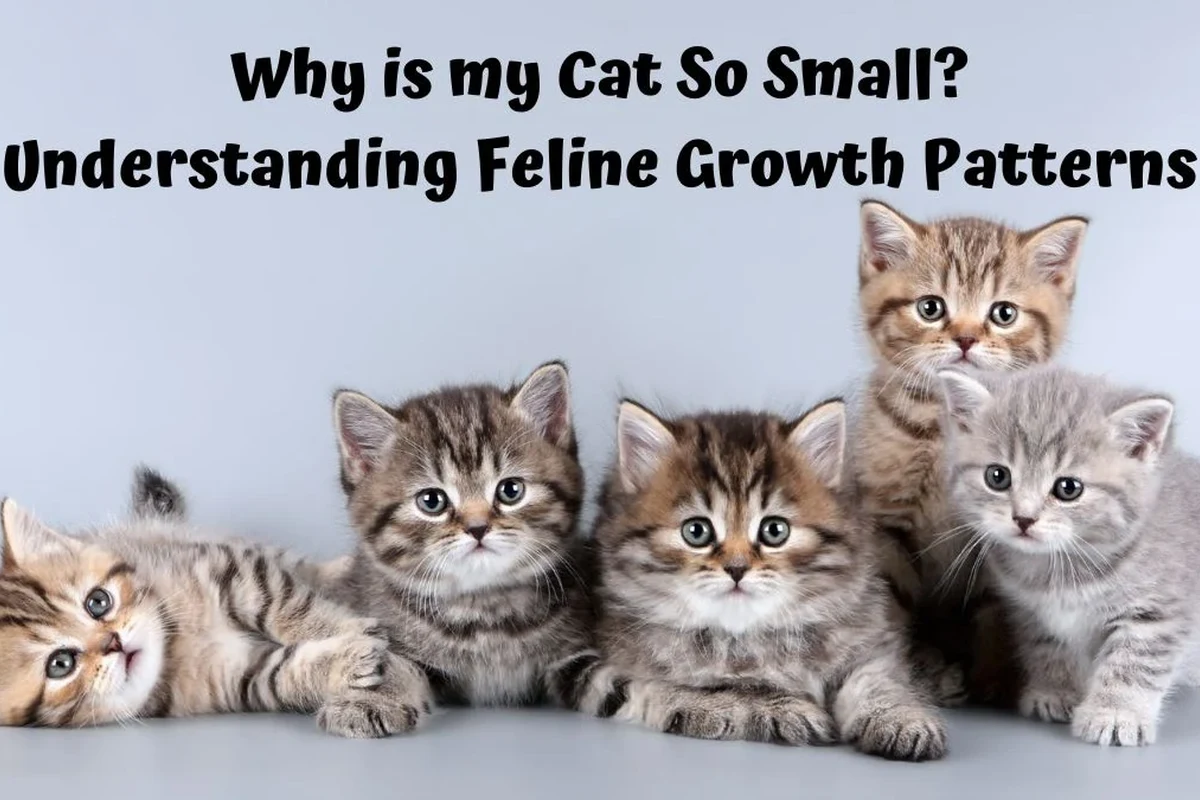
Direct Answer: Common Reasons for Smaller Cats
When considering why your cat is smaller than typical at one year, the primary reasons often include genetic predisposition, nutritional deficiencies, and health-related issues. Small size can also be influenced by the breed, as some breeds are naturally smaller than others. For related context, you may also want to read is royal canin good for cat health.
Recognizing Normal Growth Rates in Cats
Understanding normal growth patterns in cats is crucial for identifying any potential concerns about your cat’s size. Most cats will reach their full size by about 12 to 18 months, depending on their breed and individual health. This section discusses typical growth milestones for one-year-old cats.
Typical Growth Milestones for One-Year-Old Cats
At one year of age, many cats will have reached about 75% of their adult weight and height. However, there can be significant variations based on breed and individual health. Here are some common milestones to expect: This connects closely with is wet food better for cat health if you want to compare the topic in more detail.
- Weight: Generally, one-year-old cats will weigh between 5 to 15 pounds.
- Height: Most cats will reach a height of 9 to 10 inches at the shoulder.
- Length: Cats can measure around 18 to 24 inches long from nose to tail.
This guide on why is my cat so small at 1 year is written for general cat-owner education. For symptoms, food safety, recalls, medication, product specifications, or urgent changes, confirm details with a veterinarian, product label, official manual, manufacturer notice, or current recall source before acting.
Key Factors Affecting Cat Size and Growth
Several factors influence a cat’s growth and overall size. Understanding these can help you determine if your cat’s size is within a healthy range or if further evaluation is necessary. In this section, we will look at the key factors affecting cat growth.
Genetics: The Role of Breed and Parentage
Genetics plays a substantial role in determining a cat’s size. Different breeds have distinct growth patterns and average sizes. For instance, a Siamese cat may naturally be smaller than a Maine Coon. Additionally, if the parent cats were smaller, this may also influence your cat’s growth.
Nutrition: How Diet Impacts Growth
The nutritional health of your cat is critical for proper growth and development. A well-balanced diet rich in proteins, vitamins, and minerals is essential, especially during the first year of life. This subsection will delve into how diet affects growth and what to consider for optimal nutrition. For feeding context, you may also want to read how much is a health check for a cat.
| Nutrient | Importance | Sources |
|---|---|---|
| Protein | Essential for muscle growth and development. | Meat, fish, poultry. |
| Calcium | Crucial for healthy bone development. | Dairy, fish, supplements. |
| Vitamins | Support metabolic functions and overall health. | Commercial cat food, vegetables. |
Signs That May Indicate Underlying Health Issues
While some cats may simply be small due to their genetic makeup, smaller size can sometimes indicate underlying health problems. Recognizing the signs of health issues is vital for your cat’s well-being. In this section, we will discuss common symptoms to watch for.
Common Symptoms to Watch For
Be alert to any signs that may suggest health concerns in your cat. Some symptoms that warrant attention include:
Sudden weight loss or lack of weight gain. Unusual lethargy or decreased activity levels. Changes in appetite or eating habits. Digestive issues like vomiting or diarrhea.
When to Be Concerned About Your Cat’s Size
If your cat is significantly smaller than the average size for its breed or age, it may be time to consult a veterinarian. Persistent signs of distress or health issues should not be ignored. Understanding when to seek professional help can make a difference in your cat’s health. For related context, you may also want to read how much is a health certificate for a cat.
Regularly monitor your cat’s weight and behavior to ensure they are healthy and developing correctly.
Safe Observation at Home: Monitoring Your Cat’s Health
Monitoring your cat’s health and growth at home can provide valuable insights into their overall well-being. Regular observations can help you catch any potential issues early. This section will cover practical tips for observing your cat’s health.
Daily Checks: What to Look For
To keep tabs on your cat’s health, perform daily checks that include:
- Monitoring weight changes.
- Observing behavior and activity levels.
- Checking eating and drinking habits.
- Examining litter box usage for any changes.
Creating a Growth Tracking Schedule
Establishing a growth tracking schedule can help you keep a record of your cat’s development and identify any concerns early. You can create a simple log that includes: For feeding context, you may also want to read new cat health research.
- Regularly scheduled weight checks.
- Notes on feeding habits and preferences.
- Documenting any health changes or symptoms.
What Not to Do When Your Cat Is Smaller Than Expected
As a cat owner, it’s essential to avoid common mistakes when dealing with a smaller cat. Misunderstanding the situation can lead to unnecessary worry or inadequate care. In this section, we will discuss what to avoid.
Avoiding Common Mistakes as a Cat Owner
Here are some common pitfalls to avoid when your cat is smaller than expected:
Ignoring weight changes or behavioral shifts. Assuming all cats grow at the same rate. Overfeeding to try and increase size. This also connects with cat health calculator if you want to avoid a similar cat-care mistake.
Consult a veterinarian if you notice significant changes in your cat’s health, appetite, or behavior.
When to Call a Veterinarian: Red Flags
Knowing when to seek veterinary advice is crucial for your cat’s health. Certain symptoms or signs can indicate that your cat may need medical attention. This section covers the specific signs that require professional help.

Specific Symptoms That Require Professional Attention
If you notice any of the following symptoms, it’s important to contact a veterinarian: For related health context, you may also want to read how much does a vet visit cost for a cat health checkup.
- Persistent vomiting or diarrhea.
- Significant changes in appetite or weight.
- Signs of pain or discomfort.
- Unexplained lethargy or weakness.
- Check your cat’s age, health, and routine.
- Check product, food, litter, or home setup details.
- Ask a veterinarian when health signs are involved.
Kitten vs. Senior Cat Growth: Different Considerations
Growth patterns can vary significantly between kittens and senior cats. It’s important to understand these differences to ensure proper care throughout your cat’s life. This section will explore how age influences growth and size.
How Age Influences Growth and Size
Kittens grow rapidly during their first year, while senior cats may experience weight loss or changes in size due to health issues. Understanding these differences can help you provide appropriate care and monitoring as your cat ages. This connects closely with how to check if your cat has a health problem if you want to compare the topic in more detail.
Preventing Growth Issues in Cats: Best Practices
Preventative care is vital for ensuring your cat grows healthy and strong. Implementing best practices in nutrition and routine care can make a significant difference. In this section, we will discuss strategies for promoting healthy growth.
Nutrition and Supplements for Healthy Growth
Providing a balanced diet tailored for your cat’s life stage is essential for their growth. Consider the following tips:
Choose high-quality cat food appropriate for their age. Consider supplements if your cat’s diet lacks essential nutrients. Consult with a veterinarian before making significant dietary changes.
- Keep a daily log of your cat’s weight and health.
- Provide a balanced diet tailored for their age.
- Schedule regular vet visits for health checks.
Tools and Products for Cat Owners: Monitoring and Support
Utilizing the right tools can help you monitor your cat’s growth effectively. There are various products available that can assist you in maintaining your cat’s health. This section will recommend some of these tools.
Recommended Products for Tracking Growth
Consider using the following tools to help monitor your cat’s growth:
- Digital scales for accurate weight measurements.
- Food measurement cups to ensure proper feeding.
- Growth tracking apps or journals to record progress.
Safe Feeding Practices for Optimal Health
Implementing safe feeding practices is crucial for your cat’s growth. Ensure that you:
Provide fresh water daily. Feed appropriate portion sizes based on age and weight. Avoid feeding harmful human foods.
What This Means for Cat Owners
Understanding the factors behind your cat’s size can provide clarity and reduce anxiety. If your cat is smaller at one year, it may be due to genetics, diet, or health issues. Regular monitoring and consultation with a veterinarian can ensure your cat’s well-being and happiness.
Final Words
Being aware of your cat’s growth patterns and potential health issues is essential for responsible pet ownership. If your cat is smaller than average at one year, it’s important to consider the factors discussed in this article. Always consult with a veterinarian if you have concerns about your cat’s health or growth.
🐾 Sufiya Begom's Tip: Every cat is different, so I always watch my own cats closely before assuming the worst. Small changes in appetite, grooming, or energy often mean something simple is going on — but if anything feels off for more than a day, it is always worth a quick check with your vet. Trust your instincts as a cat owner.
Frequently Asked Questions
Start with intended use, fit, verified specifications, safety instructions, care needs, and important limitations.
Start with the cat’s age, health history, home environment, safety guidance, and the main reason behind the topic.
It can vary by kitten, adult, senior cat, breed, temperament, health condition, diet, stress level, and home setup.
Check food changes, litter changes, symptoms, behavior changes, product fit, cleaning routine, and veterinarian guidance when health is involved.
A common mistake is treating every cat the same instead of considering age, health, environment, stress, and safety risks.
Contact a veterinarian if signs are sudden, severe, repeated, painful, linked to appetite, breathing, urination, weight, or involve kittens or senior cats.