
Neutering is one of the most common procedures for cats, and for many pet owners, it’s a big step in their cat’s life. But what happens to your cat after neutering, particularly in terms of behavior? Does your furry friend become calmer, more affectionate, or even more laid-back? Or is the change not as dramatic as you might expect? If you’re considering neutering your cat, you’re likely wondering what you can expect in terms of behavior, and this article will answer that very question.
The Basics: What is Neutering?
Before we dive into the specifics of how neutering affects a cat’s behavior, it’s important to understand what neutering actually is. Neutering refers to the surgical removal of a cat’s reproductive organs—this could mean castration (removal of the testicles in male cats) or spaying (removal of the ovaries and uterus in female cats).
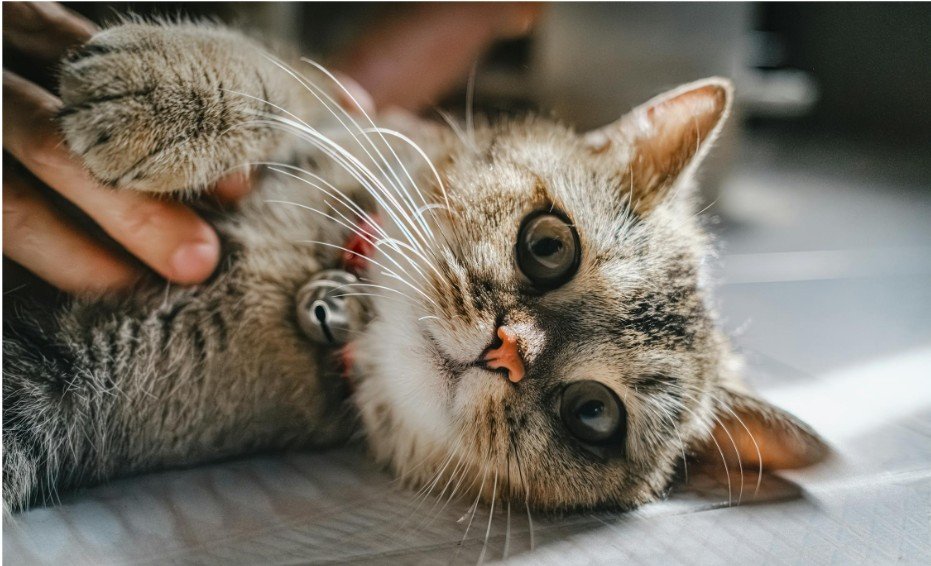
While the procedure itself is relatively simple and safe, the effects on behavior can vary depending on the cat’s age, gender, and personality.
For most cats, neutering is a routine procedure done to prevent unwanted litters, reduce certain behavioral issues, and help with overall health. But the big question remains: Does a cat’s behavior change after neutering?
The Expected Changes in Your Cat’s Behavior After Neutering
1. Reduction in Aggression and Territorial Behavior
One of the most noticeable changes in male cats after neutering is a reduction in territorial and aggressive behavior. Male cats, particularly those that haven’t been neutered, are known for marking their territory with urine and engaging in fights with other males. After neutering, many cats become less territorial and less inclined to engage in these behaviors.
For male cats, neutering often leads to:
- Less spraying: Male cats spray urine to mark their territory. Neutering significantly reduces or completely eliminates this behavior.
- Reduced fighting: Male cats that were once very aggressive toward other males may calm down after neutering, reducing fights over territory or mates.
However, some cats may retain some of their aggressive tendencies if they were already set in their ways. It’s not guaranteed that all aggression will disappear after neutering, but the likelihood of it happening decreases dramatically.
2. Calmer, Less Restless Cats
One of the benefits many pet owners report after neutering their cats is that the cats become calmer. This is especially true for male cats, whose hormone-driven behaviors are often the cause of restlessness and hyperactivity.
After neutering, you may notice:
- Less roaming: Male cats are less likely to wander off looking for mates.
- Reduced yowling and noise: Cats in heat can be quite vocal, but after neutering, the need to attract mates diminishes.
- Increased relaxation: Neutered cats tend to be more laid-back, spending more time lounging around the house rather than seeking out excitement or new territories.
This change can make neutered cats more pleasant to live with, as they no longer have the constant drive to roam and explore for mating opportunities.
3. Change in Appetite and Weight
After neutering, many cats experience a change in appetite and metabolism. While it’s not universally true for all cats, some neutered cats become more inclined to overeat, which can lead to weight gain if their diet isn’t properly managed.
What can you expect?
- Increased appetite: Neutered cats may eat more due to a shift in hormones that can alter their metabolism.
- Potential weight gain: Without the energy spent on mating-related behaviors, neutered cats might not need as much food but may still eat the same amount, which can lead to obesity.
It’s important to monitor your cat’s weight and adjust their food intake accordingly after neutering. Regular exercise and a balanced diet can help prevent unhealthy weight gain.
4. Changes in Social Behavior
For some cats, neutering can result in changes in how they interact with their human family members. While some cats may become more affectionate and cuddly after neutering, others might remain independent.
Potential changes in social behavior include:
- Increased affection: Many owners report that their cats become more affectionate, as the hormonal urges that can cause mood swings or aggressive behavior are diminished.
- Less moodiness: Cats that were once temperamental or aggressive may show fewer mood swings post-neutering.
- More attention-seeking behavior: Some neutered cats become more social and seek out their owners more often for attention and affection.
Of course, every cat is different, and there are no guarantees that your cat will become a cuddle machine. But the likelihood of increased social behavior is common after neutering.
Other Considerations
While neutering can undoubtedly lead to positive changes in behavior, there are a few things to keep in mind:
- Time frame: Neutering doesn’t immediately change a cat’s behavior. It can take several weeks to months for the full behavioral effects to take place.
- Age: The younger the cat is when neutered, the more likely it is that the changes in behavior will be significant. Neutering older cats may result in less dramatic changes, though it can still help with certain behaviors.
Does Neutering Affect Female Cats’ Behavior Too?
While neutering typically refers to male cats, female cats also undergo a similar procedure called spaying. The effects on behavior are quite similar but come with some important differences.
For female cats, neutering or spaying may lead to:
- Reduction in heat cycles: Female cats in heat can be quite vocal and restless, but spaying eliminates this behavior, making your cat calmer and less disruptive.
- Less territoriality: While female cats aren’t as territorial as males, spaying can still reduce some territorial behaviors, especially when it comes to marking or yowling.
- Increased calmness: Like their male counterparts, spayed females often become more relaxed and less driven by mating instincts.
How Neutering Affects Cats of Different Ages
Cats undergo different stages of life, and neutering can affect them differently depending on their age. Let’s look at how neutering impacts kittens, adults, and senior cats.
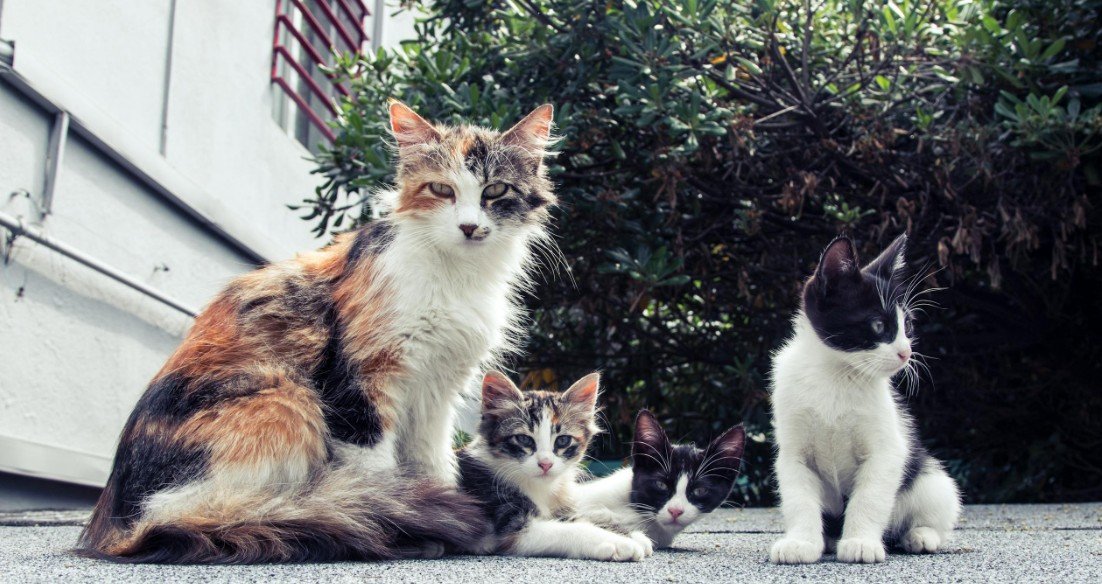
- Kittens: Neutering kittens is the most common practice. When neutered early, most kittens grow into calm, friendly cats with fewer behavioral problems.
- Adult Cats: Neutering adult cats can still have a positive effect on behavior, though it may take longer to see results. Some behaviors may be more ingrained by this time, making the changes less dramatic.
- Senior Cats: Older cats can still benefit from neutering in terms of health, but behavioral changes are less noticeable. Senior cats may still enjoy a calmer lifestyle after neutering, but it won’t likely reverse years of ingrained behaviors.
FAQs About Neutering and Cat Behavior
1. Will my cat’s personality completely change after neutering?
Neutering typically reduces certain hormone-driven behaviors, but it won’t completely change your cat’s personality. If your cat was playful and independent before neutering, they’re likely to stay that way, but they may become calmer.
2. Can neutering help with aggression toward other pets?
Yes, neutering can significantly reduce aggression, particularly in male cats. However, if your cat has already developed aggressive habits, neutering alone may not resolve the issue entirely.
3. How long does it take for a cat’s behavior to change after neutering?
It can take anywhere from a few weeks to several months for the full behavioral changes to manifest after neutering. Patience is key!
4. Can neutering cause my cat to become depressed or lethargic?
Generally, neutering does not cause depression. If your cat appears lethargic or depressed, it could be due to other factors such as a reaction to surgery, lack of exercise, or a medical issue unrelated to neutering.
Conclusion: The Last Word on Neutering and Behavior Change
Neutering your cat can bring about significant changes in behavior, from a reduction in aggression to a more relaxed and affectionate demeanor. While not all changes are guaranteed, neutering can generally lead to a happier, healthier, and more manageable cat. Whether you’re dealing with a rowdy male cat or a vocal female in heat, neutering may be the solution to help calm things down.
Just remember, each cat is unique, and the extent of behavioral changes will vary. It’s always important to monitor your cat’s post-neutering recovery and be prepared for some changes, but overall, neutering can greatly improve your pet’s quality of life and your relationship with them.
Author

Author

Mis Sufiya Begom
I'm Mis Sufiya Begom, a lifelong cat owner and the founder of Cattyo. I have spent years caring for my own cats and learning from veterinarians and fellow cat lovers along the way. I started this blog to help other cat owners find clear, practical, and caring answers for everyday cat questions. My goal is to help you and your cat live a happier, healthier life together. Join me as we explore everything there is to know about cats!
🐾 Sufiya Begom's Tip: Every cat is different, so I always watch my own cats closely before assuming the worst. Small changes in appetite, grooming, or energy often mean something simple is going on — but if anything feels off for more than a day, it is always worth a quick check with your vet. Trust your instincts as a cat owner.