
Becoming a mother is one of the most transformative experiences for any living being—and your cat is no exception. If your feline friend has recently had a litter of kittens, you may have noticed some surprising changes in her behavior.
Whether she’s become more affectionate, more territorial, or simply more protective, these shifts can be fascinating to observe. But what exactly happens to a cat’s behavior after giving birth?
In this article, we’ll explore the various behavioral changes your cat may experience after having kittens. From her nurturing instincts to potential challenges, we’ll cover all aspects of this significant transition and help you understand what’s going on behind those wide, curious eyes.
Why Does a Cat’s Behavior Change After Having Kittens?
After giving birth, your cat’s body and mind undergo significant changes. These changes aren’t just physical; they also affect her emotional and social behavior. But what prompts these shifts? Let’s break it down.
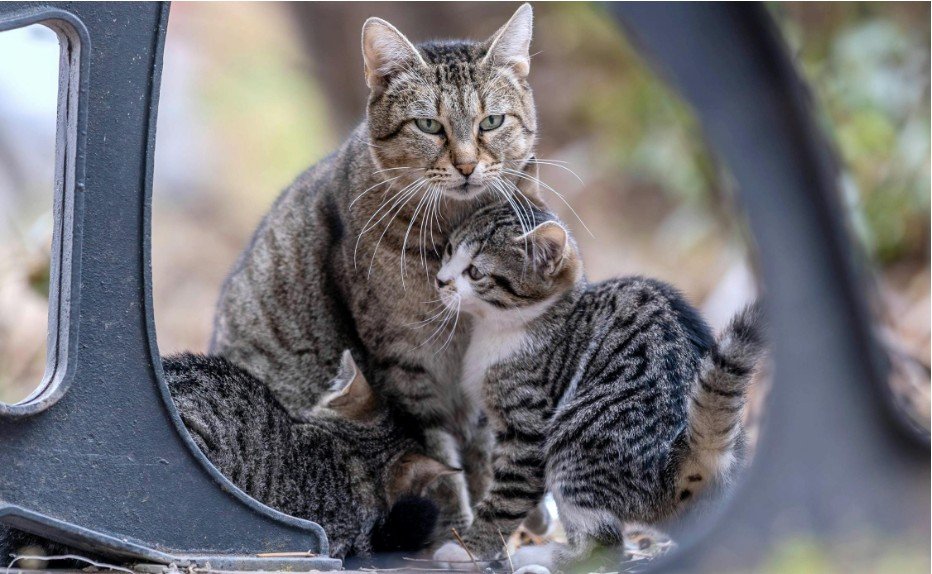
- Hormonal Changes: The surge in hormones during pregnancy and after birth plays a crucial role in your cat’s behavior. Prolactin, oxytocin, and other hormones regulate the process of nursing and mothering. These hormones also help her bond with her kittens.
- Instinctual Shifts: Cats are instinctively driven to care for their young. While your cat may have been a playful and independent adult before, motherhood activates a different set of instincts. She may become more cautious, protective, and even anxious.
- Physical Recovery: After delivery, your cat may still be recovering physically, which can affect her energy levels and overall mood. A cat may feel more vulnerable after giving birth, especially if she’s dealing with any complications.
Common Behavioral Changes in Cats After Giving Birth
When your cat becomes a mother, she may exhibit a range of new behaviors that can be both endearing and puzzling. Here’s what you might expect:
1. Increased Protectiveness
After giving birth, your cat will likely become extremely protective of her kittens. She may become more territorial, keeping a close watch over her litter and may even become aggressive towards anyone who tries to approach her babies.
- Motherly Instincts: This behavior is entirely normal. Cats are wired to protect their young from potential threats. Expect her to growl, hiss, or swat at anything (or anyone) she perceives as a threat to her kittens.
2. Changes in Social Behavior
While many cats are independent creatures, after having kittens, some may become more affectionate and clingy, seeking out extra attention from their humans. Others may prefer to be left alone, retreating to a quiet, secluded area to nurse and care for their kittens.
- Solitude or Clinginess?: Your cat might seem to shift between the need for solitude and moments of affection. It’s all about her new role as a mother, and she will take cues from her instincts and how she feels physically.
3. Nursing and Grooming Behaviors
Once she’s had her kittens, your cat will naturally focus on nursing and grooming. Not only is this essential for the survival of the kittens, but it also helps your cat bond with them. She might be more vigilant about cleanliness, grooming herself and her kittens frequently.
- Over-Grooming: Sometimes, in her intense focus on the kittens, your cat might over-groom herself, which could lead to hair loss or irritated skin. Keeping an eye on her grooming habits is important to avoid any problems.
4. Aggression or Anxiety
With the combination of hormones and the new responsibilities of motherhood, some cats may experience heightened anxiety or even aggression. She might feel stressed due to the new demands on her, or she may simply feel overwhelmed by the presence of humans or other pets.
- Signs to Watch For: If your cat seems unusually skittish or hostile, give her space. Don’t force interactions with her or her kittens unless absolutely necessary.
5. Changes in Eating and Sleeping Habits
After giving birth, your cat’s appetite and sleeping patterns may change. She will need more food to support herself and her kittens, especially if she is nursing. It’s crucial to provide her with high-quality food that meets her nutritional needs.
- Eating More: Expect her to eat more frequently or show signs of increased hunger. Keep fresh water and food available for her at all times.
- Resting: Despite nursing and caring for her kittens, your cat will still need rest. She may sleep more than usual, and you’ll likely find her napping near her kittens in a quiet area.
How to Care for a Mother Cat After Giving Birth
If you’re the proud owner of a new mother cat, it’s important to provide her with a calm and supportive environment. Here are some tips to help you care for her during this crucial time:
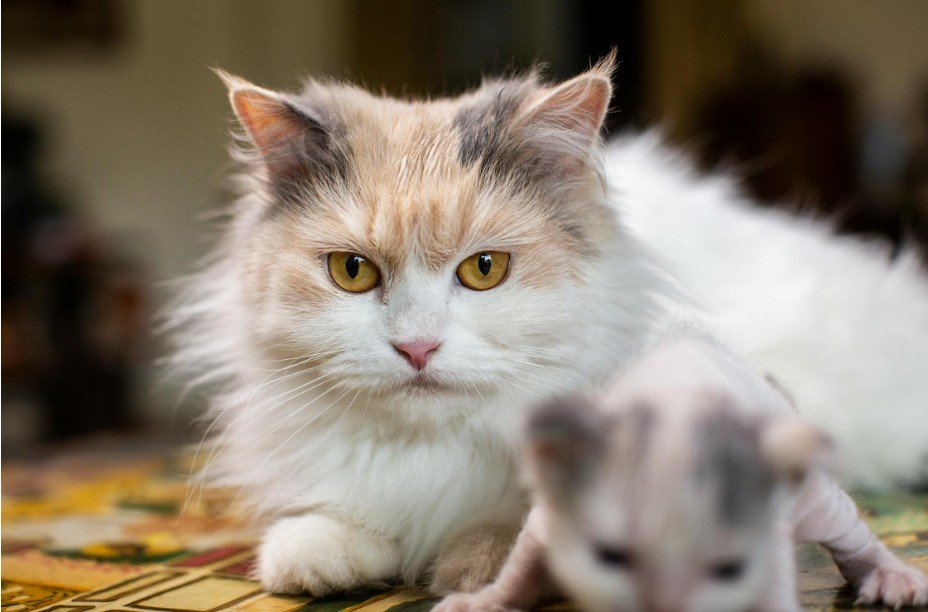
- Provide a Quiet Space: Set up a cozy, quiet area where your cat can retreat with her kittens. Make sure this area is away from heavy traffic, loud noises, and potential stressors.
- Offer Nutritious Food and Water: As mentioned, nursing requires extra energy, so provide a high-quality, nutrient-rich food for your cat. Wet food can be especially beneficial since it’s easy to digest and contains more moisture.
- Respect Her Space: Allow your cat to approach you when she’s ready. Respect her need for space, especially during the first few weeks, as she may be feeling overwhelmed with her new responsibilities.
- Monitor Her Health: Keep an eye on her health during the post-birth period. If you notice signs of illness, such as lethargy, lack of appetite, or discharge, it may be time to contact your vet.
FAQs About Cat Behavior After Having Kittens
Q: How long will my cat act protective after giving birth?
A: The protective behavior can last for a few weeks or even longer, depending on the individual cat. As her kittens grow and become more independent, she may gradually return to her normal behavior.
Q: Is it normal for a mother cat to avoid her kittens after birth?
A: While some mother cats are very attentive from the start, others may initially be a bit distant. This can be due to fatigue or discomfort after delivery. However, most cats will bond with their kittens once they’ve had a little time to recover.
Q: When should I start handling the kittens?
A: It’s best to avoid handling the kittens during the first few weeks unless necessary. This allows the mother to bond with them without interference. If you must handle them, do so gently and for short periods.
Conclusion
Your cat’s behavior after having kittens can be complex, but it’s all part of her natural instincts. From protectiveness and affection to changes in eating and sleeping habits, each mother cat is unique in how she adjusts to her new role. With proper care, respect, and patience, you’ll help both her and her kittens thrive during this important time.
Author

Author

Mis Sufiya Begom
I'm Mis Sufiya Begom, a lifelong cat owner and the founder of Cattyo. I have spent years caring for my own cats and learning from veterinarians and fellow cat lovers along the way. I started this blog to help other cat owners find clear, practical, and caring answers for everyday cat questions. My goal is to help you and your cat live a happier, healthier life together. Join me as we explore everything there is to know about cats!
🐾 Sufiya Begom's Tip: Every cat is different, so I always watch my own cats closely before assuming the worst. Small changes in appetite, grooming, or energy often mean something simple is going on — but if anything feels off for more than a day, it is always worth a quick check with your vet. Trust your instincts as a cat owner.