
Cats are some of the most independent and mysterious creatures we invite into our homes. Their quirky habits, from knocking things off tables to scratching the furniture, can leave many pet owners scratching their heads in frustration. But what if we told you that these behaviors are not only correctable but can be transformed with a little patience, understanding, and consistent effort?
In this comprehensive guide, we’ll explore how to correct a cat’s behavior by delving into common feline behavioral issues and offering proven strategies that you can implement today. Whether your cat is being a little too mischievous or you’re just looking to improve their overall behavior, we’ve got you covered.
Understanding Your Cat’s Behavior
Before we jump into the methods of correction, it’s essential to understand why cats behave the way they do. Unlike dogs, who have been domesticated to work alongside humans for thousands of years, cats retain a significant amount of their wild instincts. These instincts play a big role in their behavior.

Why Do Cats Act Out?
Cats have specific needs that, when unmet, can lead to undesirable behavior. Understanding these triggers is crucial to correcting a cat’s behavior effectively.
- Boredom: Cats, especially indoor ones, need mental and physical stimulation. If they’re not receiving enough of it, they may resort to disruptive behavior, such as scratching furniture or knocking things over.
- Stress: Changes in their environment, such as moving homes or introducing a new pet, can cause anxiety, leading to aggressive behavior or excessive meowing.
- Health Issues: Sometimes, what appears to be bad behavior is actually a sign of an underlying health problem. If your cat’s behavior changes suddenly, it’s worth checking with a vet to rule out pain or illness.
- Territorial Instincts: Cats are territorial by nature. When they feel their space is being invaded by other animals or people, they may react defensively.
Recognizing these causes is key to formulating the best approach to correcting a cat’s behavior.
Common Cat Behavior Problems and How to Correct Them
Cats can exhibit a variety of behaviors that can be frustrating for pet owners. Let’s go over the most common ones and explore practical solutions.
1. Scratching Furniture
Scratching is a natural feline instinct that helps cats mark territory, sharpen claws, and stretch muscles. However, when your cat starts tearing up the sofa or curtains, it can be a real problem.
How to Correct It:
- Provide Alternatives: Invest in a sturdy scratching post and place it near the areas your cat tends to scratch. If your cat scratches furniture, try covering those areas with double-sided tape or a scratch-repellent spray.
- Positive Reinforcement: Reward your cat when it uses the scratching post, either with treats or affection. Consistently rewarding good behavior will teach your cat that using the post is a desirable choice.
- Trim Claws: Regularly trimming your cat’s claws will reduce the damage they can do, and it also helps keep them comfortable.
2. Excessive Meowing
Some cats can be quite vocal, especially when they’re hungry or seeking attention. However, incessant meowing can be annoying or even disruptive.
How to Correct It:
- Ignore the Meowing: Cats often meow to get attention. If you respond every time they do, they’ll learn that meowing gets them what they want. Instead, wait for a moment of quiet before offering attention.
- Routine Feeding: Ensure your cat has a consistent feeding schedule. If they’re meowing for food and it’s not mealtime, they may be trying to manipulate you into giving them snacks.
- Medical Check-Up: If the meowing becomes excessive or seems unusual, it’s important to check for medical issues. Hyperthyroidism or dental problems can sometimes cause excessive vocalization.
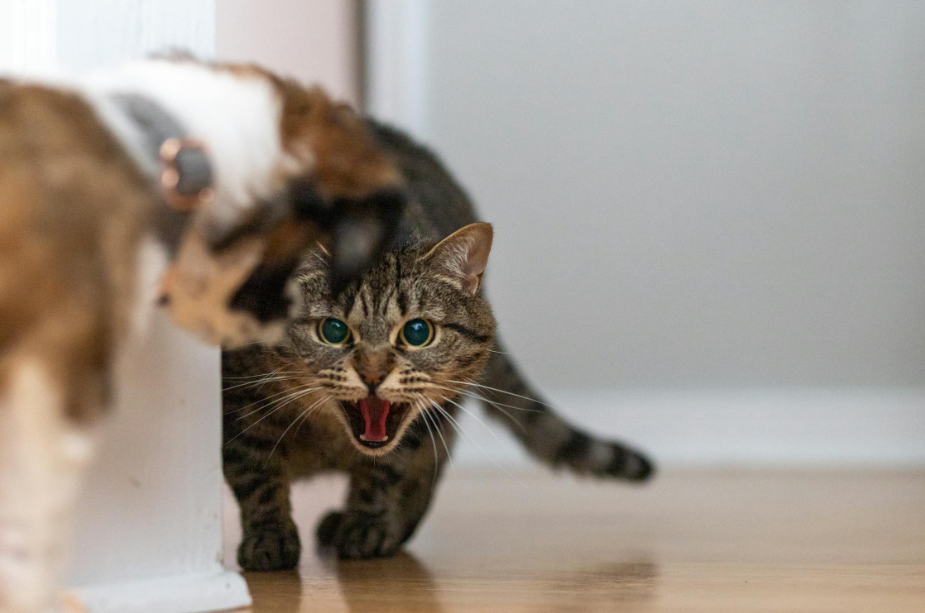
3. Aggressive Behavior
Cats may become aggressive for various reasons: fear, pain, frustration, or territorial disputes. Aggression often involves hissing, biting, or swatting.
How to Correct It:
- Avoid Physical Punishment: Never hit or physically punish your cat. This will only increase anxiety and aggression.
- Give Them Space: If your cat is showing signs of aggression, back off and give them some alone time. Allow them to calm down before attempting to engage.
- Desensitize Gradually: If the aggression is linked to specific situations or triggers, such as the presence of a new pet, try gradual introductions. Let your cat adjust at their own pace, without forcing interactions.
4. Litter Box Issues
One of the most frustrating behaviors to deal with is a cat refusing to use their litter box. This problem is often a sign of a behavioral or medical issue.
How to Correct It:
- Keep the Litter Box Clean: Cats are fastidious creatures and prefer a clean box. Scoop it at least once a day and change the litter weekly.
- Check the Litter Box Location: Cats are particular about where they relieve themselves. Make sure the box is in a quiet, private area that’s easily accessible.
- Health Concerns: If your cat suddenly stops using the litter box, it could be a sign of urinary tract infections or other health problems. Consult your vet if you notice changes in litter box habits.
5. Destructive Chewing or Biting
Some cats may chew on things like electrical cords, plants, or furniture. This behavior can be dangerous if left unchecked.
How to Correct It:
- Provide Chew Toys: Make sure your cat has a variety of toys to chew on, such as rubber or fabric items. Rotate the toys regularly to keep them interesting.
- Use Deterrents: Spray a safe deterrent on items you don’t want your cat to chew on. There are sprays available that taste bitter and discourage chewing.
- Create an Enriching Environment: Cats chew when they’re bored. Make sure your cat has plenty of stimulating activities and opportunities for exercise.
Training Methods: Rewarding Good Behavior
Just like humans, cats respond well to rewards. Whether it’s a tasty treat, a favorite toy, or a bit of extra attention, positive reinforcement is key to correcting a cat’s behavior.
1. Clicker Training
Clicker training is a method where you use a small device that makes a clicking sound to signal to your cat that they’ve done something right. The click is followed by a treat.
How to Use Clicker Training:
- Start with Simple Behaviors: Teach your cat basic behaviors like sitting or coming when called. Each time they perform the desired action, click the clicker and reward them.
- Consistency is Key: To reinforce positive behavior, make sure you use the clicker every time the behavior occurs. Gradually, your cat will learn to associate the click with positive outcomes.
2. Use Treats Wisely
Don’t just give your cat treats randomly. Use them to reinforce desirable behaviors. This will help them learn what actions you want them to repeat.
3. Set Boundaries with Gentle Redirection
If your cat is doing something undesirable, such as scratching the furniture, gently redirect them to the appropriate behavior. For example, take their paws off the sofa and place them on the scratching post.
When to Seek Professional Help
While most cat behavior problems can be corrected at home, some may require professional intervention. If your cat is exhibiting severe aggression, obsessive behaviors, or is not responding to your efforts, it might be time to consult an animal behaviorist or a vet.
Frequently Asked Questions
How do I stop my cat from biting me?
Redirect the behavior by offering appropriate toys to chew on. If your cat bites out of frustration or aggression, try to identify the cause and address it. Gentle redirection and positive reinforcement can also help.
Can I train my cat not to scratch the furniture?
Yes! Provide an alternative scratching post and reward your cat for using it. You can also use deterrents on the furniture until your cat learns to avoid it.
What if my cat doesn’t respond to training?
Some cats are more independent than others, and it may take longer for them to catch on. Be patient, consistent, and always use positive reinforcement.
Conclusion
Correcting a cat’s behavior takes time, patience, and a little creativity. By understanding your cat’s needs and using positive reinforcement techniques, you can create a peaceful and harmonious environment for both you and your feline companion. Whether it’s scratching, meowing, or aggression, there’s a solution for almost every behavior issue, and with persistence, you’ll see the results.
Author

Author

Mis Sufiya Begom
I'm Mis Sufiya Begom, a lifelong cat owner and the founder of Cattyo. I have spent years caring for my own cats and learning from veterinarians and fellow cat lovers along the way. I started this blog to help other cat owners find clear, practical, and caring answers for everyday cat questions. My goal is to help you and your cat live a happier, healthier life together. Join me as we explore everything there is to know about cats!
🐾 Sufiya Begom's Tip: Every cat is different, so I always watch my own cats closely before assuming the worst. Small changes in appetite, grooming, or energy often mean something simple is going on — but if anything feels off for more than a day, it is always worth a quick check with your vet. Trust your instincts as a cat owner.