
Cat vomiting white foam and not eating can be caused by several issues, including hairballs, gastrointestinal upset, or more serious conditions like pancreatitis or kidney disease. If the vomiting persists or your cat shows other concerning symptoms, consult a veterinarian for a proper diagnosis and treatment.
Last updated: August 13, 2026
If you’re noticing that your cat is vomiting white foam and not eating, it’s essential to address this alarming symptom promptly. Cats may experience this for various reasons, ranging from minor issues to severe health concerns. This article will explore the potential causes, signs to watch for, and what steps you should take to help your furry friend.
- Start with the cat: Age, health, diet, behavior, and home setup change the right answer.
- Check safety first: Watch for pain, appetite changes, breathing issues, urination changes, or repeated symptoms.
- Use practical steps: Adjust routines, food, litter, grooming, play, or products slowly and safely.
- Know the limits: Cat-care advice varies by cause, product, environment, and veterinarian guidance.
Understanding Why Is My Cat Vomiting White Foam and Not Eating
When a cat vomits white foam and refuses to eat, it is often a sign of an underlying health issue. This symptom can arise from several factors, including dietary indiscretion, gastrointestinal disturbances, or more serious medical conditions. Understanding the context and potential causes of these symptoms is vital for ensuring your cat receives the necessary care.
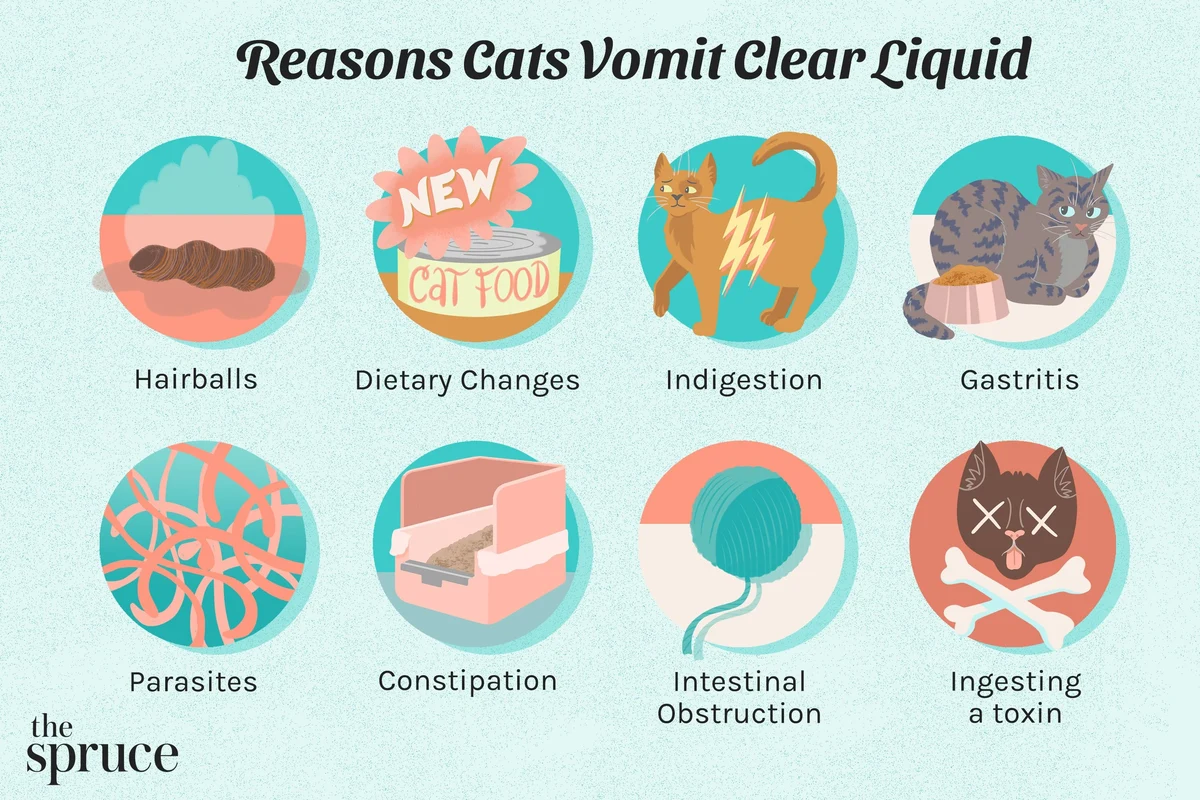
Common Causes of Vomiting White Foam
Several factors can lead to a cat vomiting white foam. These causes may range from benign to serious, requiring varying levels of attention. Identifying the right cause will help you determine the necessary steps to take. For related context, you may also want to read is wet food better for cat health.
- Empty Stomach: When a cat’s stomach is empty for too long, it can produce excess gastric acid, leading to vomiting.
- Hairballs: Cats groom themselves and can ingest hair, which may accumulate and lead to vomiting.
- Gastrointestinal Issues: Infections, inflammation, or blockages may cause vomiting as a symptom.
- Dietary Changes: Sudden changes in diet can upset a cat’s stomach, resulting in vomiting.
- Toxins or Poisons: Ingesting harmful substances can lead to vomiting and other serious health issues.
This guide on why is my cat vomiting white foam and not eating is written for general cat-owner education. For symptoms, food safety, recalls, medication, product specifications, or urgent changes, confirm details with a veterinarian, product label, official manual, manufacturer notice, or current recall source before acting.
Signs to Monitor Alongside Vomiting
In addition to vomiting white foam, there are other signs and symptoms to observe. Monitoring these can provide a clearer picture of your cat’s health and help you decide when to seek veterinary care.
Lethargy: A lack of energy or interest in activities may indicate that something is wrong. Diarrhea: This can accompany vomiting and may signify a more serious gastrointestinal issue. Abdominal Pain: If your cat is sensitive to touch around the abdomen, it may indicate pain or discomfort. Changes in Behavior: Unusual behaviors, such as hiding or aggression, can be signs of distress. Dehydration: Check for dry gums and skin elasticity to assess hydration levels. This connects closely with symptoms of a cat in heat if you want to compare the topic in more detail.
When to Consult a Veterinarian
If your cat is vomiting white foam and not eating, it’s crucial to know when to seek veterinary assistance. Some situations require urgent care, while others may be manageable at home. For related health context, you may also want to read are there health risks with feeding a cat raw food.
| Symptoms | Action Required |
|---|---|
| Vomiting white foam multiple times | Consult a veterinarian immediately |
| Refusal to eat for more than 24 hours | Seek veterinary advice |
| Accompanying lethargy or dehydration | Urgent veterinary care needed |
| Occasional vomiting with normal activity | Monitor at home; consult if persists |
- If vomiting persists for more than 24 hours.
- Accompanied by severe lethargy or weakness.
- Presence of blood in vomit or stool.
- Signs of dehydration are evident.
- If your cat is a kitten or senior, as they are more vulnerable.
If your cat’s symptoms worsen or new symptoms appear, seek veterinary help immediately.
Potential Health Issues Linked to Vomiting
Several health issues can contribute to a cat vomiting white foam and refusing to eat. Understanding these conditions can guide your next steps in seeking treatment. This connects closely with what is wrong with my cat symptom checker quick guide if you want to compare the topic in more detail.
| Health Issue | Symptoms | Action |
|---|---|---|
| Gastroenteritis | Vomiting, diarrhea, abdominal pain | Consult a vet for diagnosis and treatment. |
| Pancreatitis | Vomiting, lethargy, loss of appetite | Immediate veterinary care required. |
| Foreign Body Obstruction | Vomiting, abdominal pain, inability to defecate | Seek emergency medical attention. |
| Kidney Disease | Vomiting, increased thirst, weight loss | Veterinary evaluation needed. |
| Liver Disease | Vomiting, jaundice, behavioral changes | Visit a veterinarian for testing. |
Use this guidance for any concerning changes in appetite, vomiting, or behavior. Prompt veterinary attention is crucial.
Safe Observation at Home
While waiting to consult with a veterinarian, there are steps you can take to monitor your cat at home. Keeping a close eye on their behavior and symptoms can provide vital information to your vet.
Keep a diary of your cat’s vomiting episodes, including frequency and content. Note any changes in their litter box habits. Monitor their water intake and signs of dehydration. Keep track of any changes in their behavior, such as hiding or aggression. Ensure your cat is comfortable and has a quiet space to rest. This connects closely with can i get my cat sick if you want to compare the topic in more detail.
- Check your cat’s age, health, and routine.
- Check product, food, litter, or home setup details.
- Ask a veterinarian when health signs are involved.
Common Mistakes to Avoid
When dealing with a cat that is vomiting white foam and not eating, there are several common mistakes to avoid that can worsen the situation. This also connects with where can i take my sick cat with no money if you want to avoid a similar cat-care mistake.
- Delaying veterinary care when symptoms persist.
- Assuming it’s just hairballs without investigating further.
- Changing their diet abruptly without a transition period.
- Ignoring hydration levels, as dehydration can be serious.
- Giving home remedies without consulting a vet first.
- Keep a log of symptoms to discuss with your vet.
- Ensure your cat has a comfortable resting area.
- Stay observant of any changes in behavior.
Preventing Future Vomiting Episodes
While not all vomiting can be prevented, certain steps can reduce the likelihood of future episodes. Focus on creating a healthy and stable environment for your cat.
Maintain a consistent feeding schedule with appropriate portion sizes. Provide high-quality food that meets your cat’s dietary needs. Regular grooming to minimize hairballs, especially for long-haired breeds. Ensure fresh water is always available to keep your cat hydrated. Minimize stressors in their environment to promote overall well-being. For related context, you may also want to read is royal canin good for cat health.
Understanding Dietary Considerations
Diet plays a critical role in your cat’s digestive health. Sometimes, the food they consume can lead to vomiting. Being mindful of what you feed your cat can make a significant difference. This connects closely with what is the new cat disease if diet or appetite is part of the issue.
Consider the following factors when assessing your cat’s diet:
- Gradual transitions to new foods to avoid stomach upset.
- Monitoring for food allergies or intolerances.
- Choosing appropriate food types based on age and health considerations.
- Consulting your veterinarian about dietary changes or concerns.
- Using feeding schedules to help with digestion.
🐾 Sufiya Begom’s Tip: Always trust your instincts as a cat owner. If something seems off, don’t hesitate to consult with a veterinarian.
Putting Why is my cat vomiting white foam and not eating in Context
why is my cat vomiting white foam and not eating should be understood as a reason to observe your cat carefully, compare signs, avoid guessing, and contact a veterinarian when symptoms are sudden, severe, repeated, painful, or linked to appetite, breathing, urination, weight, kittens, or senior cats.
Track when the sign started and how often it happens. Avoid home treatment, medication, or dosing without veterinary guidance. Use this article to prepare better questions for your veterinarian.
Final Words
Understanding why your cat is vomiting white foam and not eating is essential for providing the best care possible. By monitoring their symptoms, consulting with a veterinarian when necessary, and making informed dietary choices, you can help improve your cat’s health and comfort. Always prioritize your cat’s well-being and seek professional advice when in doubt.
Frequently Asked Questions
Start with intended use, fit, verified specifications, safety instructions, care needs, and important limitations.
Start with the cat’s age, health history, home environment, safety guidance, and the main reason behind the topic.
It can vary by kitten, adult, senior cat, breed, temperament, health condition, diet, stress level, and home setup.
Check food changes, litter changes, symptoms, behavior changes, product fit, cleaning routine, and veterinarian guidance when health is involved.
A common mistake is treating every cat the same instead of considering age, health, environment, stress, and safety risks.
Contact a veterinarian if signs are sudden, severe, repeated, painful, linked to appetite, breathing, urination, weight, or involve kittens or senior cats.