Yes, you can easily make cat toys with catnip that will keep your pets happy and entertained. Homemade catnip toys offer a fun way to engage your feline friends creatively.
Last updated: October 30, 2026
Every cat owner knows that our feline friends love to play, and one great way to keep them entertained is by making cat toys with catnip. With just a few materials and a little creativity, you can craft toys that will engage your cat’s natural instincts, promote exercise, and provide hours of fun. This guide will walk you through various DIY ideas, safety tips, and best practices for making catnip toys that your pet will adore. You can also use how much does a vet visit cost for a cat health checkup as a helpful next guide on the same cat-care topic.
- Simple DIY Options: Create toys using common household items like fabric, cardboard, or paper.
- Benefits of Catnip: Catnip stimulates cats’ playfulness and can promote exercise.
- Safety First: Always supervise your cat during playtime with new toys to ensure safety.
- Personalize Toys: Customize the size and shape of toys to match your cat’s preferences.
How to Make Cat Toys with Catnip
Making cat toys with catnip is a simple and rewarding project that can be done at home. You can use various materials and methods to create toys that stimulate your cat’s playful nature. Here are some popular methods you can try. This connects closely with how much is a health check for a cat if you want to compare the topic in more detail.
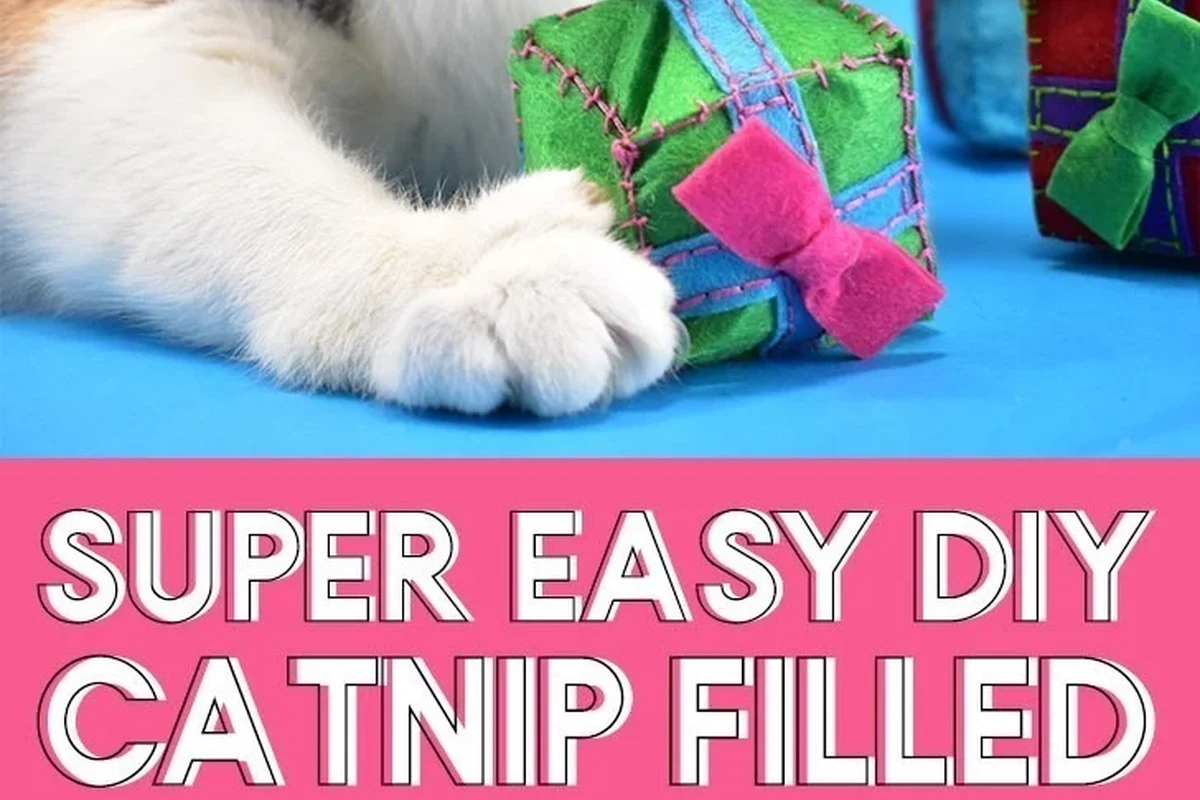
Basic Catnip Stuffed Toys
Stuffed toys are classic favorites among cats. They are easy to make and can be customized in size and shape. Simply use fabric scraps, fill them with catnip, and sew them shut.
Catnip Balls
These are easy to create and provide a fun rolling challenge for your cat. You can use fabric or paper to create small balls filled with catnip, allowing your cat to bat them around.
Catnip Pouches
Simple pouches filled with catnip can be made from fabric or old socks. Cats love to nibble and kick these, which mimics their natural hunting behaviors.
Interactive Catnip Toys
Consider creating toys that encourage interactive play. Attach a small pouch of catnip to a string or stick for you to engage with your cat. This enhances the playtime experience and fosters bonding. See how to entertain a cat without toys for a closer look at a related side of this topic.
Use this guide for how to make cat toys with catnip as a practical checklist, then adjust the advice to your cat’s age, health history, routine, and home environment.
Materials Needed for DIY Catnip Toys
When making catnip toys, it’s essential to gather the right materials to ensure safety and enjoyment for your pet. Common materials include fabric, thread, stuffing, and of course, catnip. Here’s a list of items you might need: You can also use how to increase cat milk production as a helpful next guide on the same cat-care topic.
- Fabric or old clothing
- Catnip (dried or fresh)
- Thread or yarn for sewing
- Stuffing material (cotton or polyester)
- Scissors and sewing kit
Safety Tips for Making Cat Toys
While making toys is fun, safety should always be a priority. Here are some essential tips to keep in mind:
| Safety Tip | Description |
|---|---|
| Use Non-Toxic Materials | Ensure all fabrics and fillings are safe for pets. |
| Avoid Small Parts | Keep small items out of toys to prevent choking hazards. |
| Supervise Playtime | Always watch your cat while they play with handmade toys. |
| Regularly Inspect Toys | Check for wear and tear to prevent ingestion of loose pieces. |
Always supervise your cat during playtime, especially with new toys. Avoid using small buttons or beads that could be a choking hazard. Regularly check toys for wear and tear to prevent swallowing parts. Make sure all materials are safe and non-toxic for cats. If this is a concern, why does my cat bring me toys walks through a related situation to watch for.
Cats often show discomfort through small changes in appetite, litter box use, grooming, hiding, play, or body language before the problem looks obvious.
Creative Ideas for Catnip Toys
Here are some fun and creative ideas to inspire your toy-making endeavors:
- Catnip Kicker: A larger stuffed toy that cats can kick with their back legs.
- Catnip Bubbles: Place catnip in small bubble wrap pouches for added texture.
- Catnip Sock Toy: Fill an old sock with catnip and tie a knot at the end.
Engage your cat’s senses by introducing new toy designs regularly.
Benefits of Catnip for Cats
Catnip is not just a fun addition to toys; it has several benefits for your cat. It can stimulate playfulness, encourage exercise, and even reduce stress. Understanding how catnip affects your cat can help you create a more engaging environment. See top interactive toys for smart cats for a closer look at a related side of this topic.
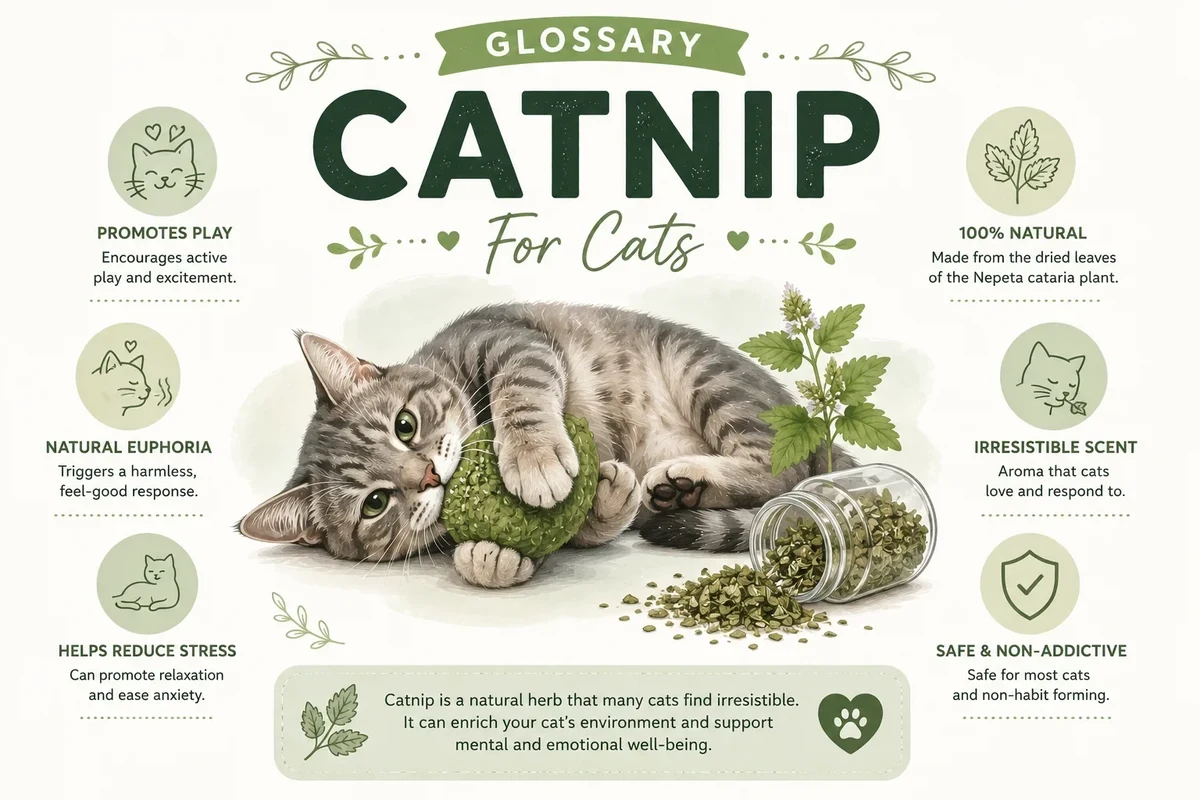
Regularly inspect your homemade toys for wear and tear to ensure your cat’s safety.
Steps to Make Your Own Catnip Toys
Follow these simple steps to create your catnip toys:
- Choose Your Design: Decide on the type of toy you want to create.
- Gather Materials: Collect all necessary items as mentioned above.
- Cut and Sew: Cut the fabric to the desired shape, fill it with catnip, and sew it shut.
- Test the Toy: Make sure the toy is secure and safe before giving it to your cat.
What to Avoid When Making Catnip Toys
While crafting your cat’s toys, avoid these common pitfalls:
Using toxic materials or fabrics that could harm your cat. Creating toys that are too small and can be swallowed. Neglecting to supervise your cat during playtime. do siamese cats have health issues best guide for cat lovers covers a related risk worth knowing about too.
This guide on how to make cat toys with catnip is written for general cat-owner education. For symptoms, food safety, recalls, medication, product specifications, or urgent changes, confirm details with a veterinarian, product label, official manual, manufacturer notice, or current recall source before acting.
What How to make cat toys with catnip Is Really Telling You
how to make cat toys with catnip depends on your cat’s age, health, personality, environment, and routine. Use the article as a practical guide, then choose the safest next step for your specific cat. This connects closely with how to calm a cat for bath if you want to compare the topic in more detail.
- Start with your cat’s normal behavior and recent changes.
- Change one thing at a time when testing routines or products.
- Ask a professional when health, safety, pain, or stress is involved.
Final Words
Creating cat toys with catnip is a fun and rewarding way to enrich your cat’s playtime. By using safe materials and being mindful of your cat’s preferences, you can craft engaging toys that will keep them entertained for hours. Remember to rotate toys and keep the play environment stimulating to maintain your cat’s interest.
🐾 Sufiya Begom's Tip: Every cat is different, so I always watch my own cats closely before assuming the worst. Small changes in appetite, grooming, or energy often mean something simple is going on — but if anything feels off for more than a day, it is always worth a quick check with your vet. Trust your instincts as a cat owner.
Frequently Asked Questions
You will typically need fabric, catnip, stuffing material (like cotton), and sewing supplies. Some simple designs can even use cardboard.
A couple of teaspoons of dried catnip is usually sufficient for most toy projects. Adjust according to your cat’s preference.
Yes, as long as you use safe materials and supervise your cat during play, homemade catnip toys can be very safe.
If your cat plays with the toy frequently, rolls around with it, or seems excited, they likely enjoy it!
It’s a good idea to rotate toys every few weeks and replace catnip as needed to maintain your cat’s interest.
Not all cats are affected by catnip; sensitivity is hereditary. About 50-75% of cats will enjoy catnip.