
Cats bring you toys as a way to show love and affection, often mimicking hunting behavior. This behavior reflects their instinct to share their ‘catch’ with you, reinforcing the bond between you and answering the question of why does my cat bring me toys.
Yes, your cat brings you toys to show love and affection. This behavior is often a way for your feline friend to express their bond with you and their playful nature. Understanding why does my cat bring me toys can deepen your relationship and enhance your cat’s happiness, making your shared moments even more enjoyable.
- Start with the cat: Age, health, diet, behavior, and home setup change the right answer.
- Check safety first: Watch for pain, appetite changes, breathing issues, urination changes, or repeated symptoms.
- Use practical steps: Adjust routines, food, litter, grooming, play, or products slowly and safely.
- Know the limits: Cat-care advice varies by cause, product, environment, and veterinarian guidance.
Why Does My Cat Bring Me Toys to Show Love and Affection?
Cats are known for their unique behaviors, and bringing toys to their owners is a common display of affection. This behavior can indicate that your cat sees you as part of their family or pack. When your cat presents you with their toys, they are often trying to share a part of their world with you, showcasing their trust and affection. For related context, you may also want to read how to entertain a cat without toys.
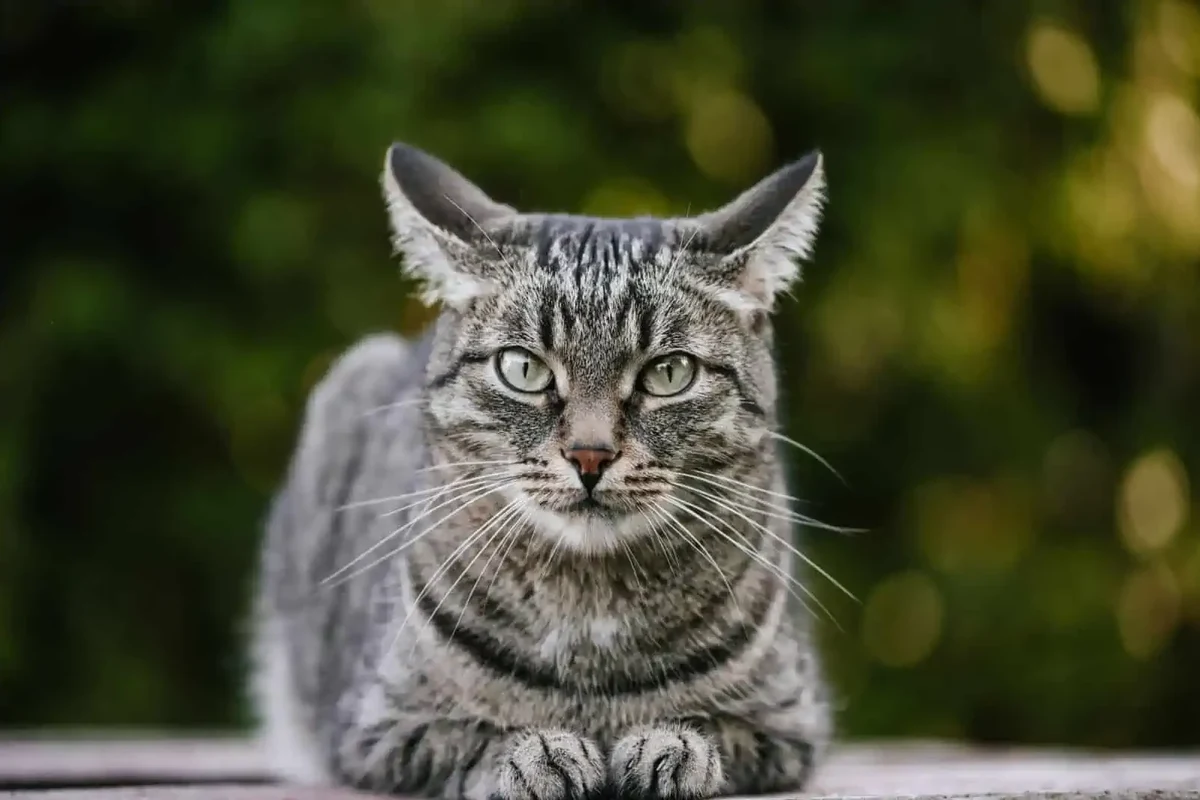
The Psychology Behind Cat Gift-Giving Behavior
Understanding the psychology behind a cat’s gift-giving behavior can help explain why they bring toys to you. This action stems from their instinctual behaviors and can be influenced by various factors, including their upbringing and socialization. Many cat owners find this behavior heartwarming, but it is essential to know what drives it.
Instinctual Behaviors
Cats are natural hunters, and bringing their prey or toys to their owners can be a way of sharing their “catch.” This instinct is deeply rooted in their evolution as predators. When your cat presents you with a toy, they may be displaying a form of affection and pride in their hunting skills.
Social Bonding
In the wild, cats engage in social bonding behaviors with their peers. By bringing you toys, your cat is likely trying to strengthen the bond between you. This display can signify that your cat considers you part of their social group, which is a significant aspect of their emotional well-being. This connects closely with why does my cat bite me lightly if you want to compare the topic in more detail.
- Set a regular playtime schedule to engage with your cat.
- Maintain a consistent feeding routine for security.
- Rotate toys to keep your cat interested and stimulated.
Understanding Your Cat’s Body Language
To fully appreciate why your cat brings you toys, it’s important to interpret their body language and actions. Cats communicate through various signals, and understanding these can provide insights into their motivations. Observing their demeanor during play can help you respond appropriately.
| Body Language Signal | Meaning |
|---|---|
| Purring | Contentment and affection |
| Slow Blinking | Trust and love |
| Tail Up | Happiness and invitation to play |
| Bringing Toys | Sharing and bonding behavior |
Signs of Affection
When your cat brings you a toy, they may exhibit signs of excitement, such as purring or kneading. These behaviors indicate that they are happy and engaged. Additionally, a relaxed posture or slow blinking can signal that your cat feels safe and affectionate towards you.
Playful Engagement
Pay attention to how your cat behaves when presenting a toy. If they are playfully batting it around or making a chirping sound, they are inviting you to join in the fun. This playful engagement is a clear indication that your cat wants to interact and bond with you. You can also use why does my cat bite me lightly calm nuanced guide as a helpful next guide on the same cat-care topic.
Consult a veterinarian if your cat shows signs of stress, such as changes in appetite, behavior, or litter box habits.
Environmental Factors Influencing Toy Presentation
The environment in which your cat lives can significantly influence their behavior, including their tendency to bring you toys. Understanding these factors can help you create a more enriching environment for your cat. This section outlines how different elements can impact your cat’s actions.
Safe and Comfortable Spaces
Cats are more likely to exhibit playful behavior when they feel safe and comfortable in their environment. Ensure your home offers cozy spots for your cat to retreat to, as well as open areas for play. This comfort level encourages them to express their affection through toy presentations.
Availability of Toys
The type and number of toys available can also affect how often your cat brings you toys. Ensure they have access to various interactive toys that stimulate their hunting instincts. A well-stocked toy box can lead to more frequent presentations as your cat engages in play. For related context, you may also want to read best way to clean a cat.
| Environmental Factor | Impact on Behavior | Recommendations |
|---|---|---|
| Safe Spaces | Encourages playfulness and confidence | Provide cozy hiding spots and climbing areas |
| Toy Variety | Stimulates hunting instincts | Rotate toys regularly to maintain interest |
| Interactive Play | Strengthens your bond | Engage in daily play sessions with your cat |
Benefit from interactive play and puzzle feeders.
Require enrichment to stay engaged in a home environment.
Need varied activities to reduce competition and stress.
Routine and Its Impact on Your Cat’s Behavior
Establishing a routine can greatly influence your cat’s behavior, including how they interact with you. Cats thrive on stability, and a consistent routine can help them feel secure and confident. This section discusses how your daily interactions can affect your cat’s toy presentation behavior.
Daily Playtime
Regular playtime is essential for your cat’s mental and physical health. Setting aside time each day for interactive play can encourage your cat to bring toys to you as a way to initiate play. This routine fosters engagement and strengthens your bond.
Feeding Schedule
A consistent feeding schedule can also impact your cat’s behavior. Cats often feel more secure and less anxious when they know what to expect. This security can lead to more frequent playful interactions, including bringing you toys as a display of affection. For feeding context, you may also want to read how to increase cat milk production.
Stress and Anxiety: Signs Your Cat Needs Support
While bringing toys can indicate affection, it can also signal underlying stress or anxiety. Being aware of these signs is crucial for your cat’s well-being. This section will discuss how to recognize when your cat may need support.
Behavioral Changes
If your cat suddenly stops bringing you toys or exhibits changes in behavior, it may be a sign of stress or anxiety. Look for signs such as excessive hiding, changes in appetite, or increased aggression. These changes can indicate that your cat may need additional support.
Environmental Stressors
Consider any recent changes in your cat’s environment that may be causing stress. This could include new pets, moving to a new home, or changes in your routine. Identifying these stressors can help you provide the necessary support for your cat during these transitions. You can also use what is the best product to remove cat urine smell as a helpful next guide on the same cat-behavior topic.
Respond to your cat’s gifts with affection and encouragement to reinforce this loving behavior.
Enrichment Activities to Strengthen Your Bond
Engaging in enrichment activities can significantly improve your cat’s mental and emotional well-being. These activities not only provide mental stimulation but also strengthen your bond with your cat. This section explores various enrichment options that can enhance your interactions.
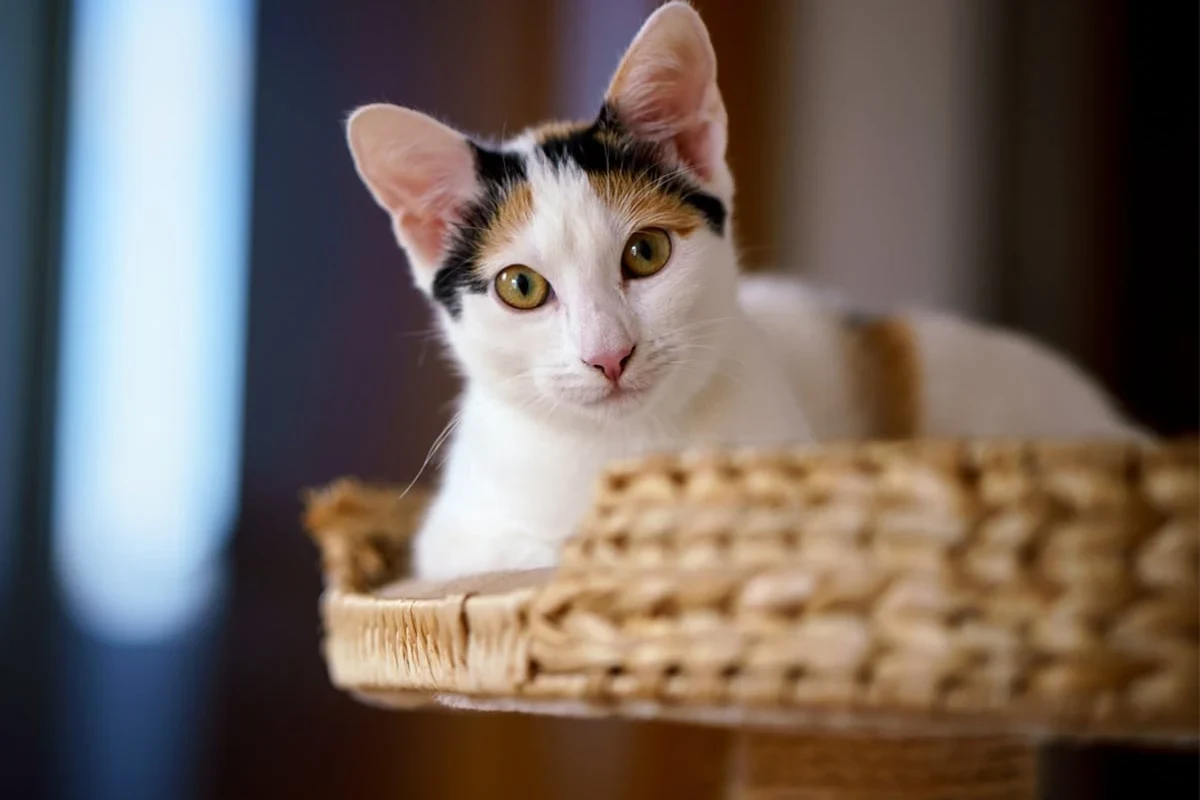
Interactive Play
Using interactive toys, such as feather wands or laser pointers, can engage your cat’s hunting instincts and encourage them to bring you toys. These activities provide both physical exercise and mental stimulation, making playtime more rewarding for your cat.
Puzzle Feeders
Puzzle feeders can also be an excellent way to engage your cat’s mind. These toys require your cat to solve a puzzle to access their food or treats, keeping them occupied and motivated to play. Incorporating these into your routine can lead to more frequent toy presentations as your cat seeks your involvement. For related context, you may also want to read top interactive toys for smart cats.
Play and Training: How to Respond to Your Cat’s Gifts
Understanding how to respond to your cat’s gift-giving behavior can enhance your relationship. Engaging with your cat during these moments can encourage positive interactions and reinforce their affectionate behavior. This section provides insight into effective responses.
Positive Reinforcement
When your cat brings you a toy, responding with praise and affection can reinforce this behavior. Positive reinforcement encourages your cat to continue presenting toys as a way of bonding with you. This creates a rewarding cycle of affection and interaction.
Interactive Training
Incorporating training into play can also be beneficial. Teaching your cat tricks or commands while engaging with their toys can create a stimulating environment. This interaction not only strengthens your bond but also provides mental stimulation for your cat. This connects closely with can you use cat flea products on dogs if you want to compare the topic in more detail.
Ignoring your cat’s gifts can lead to feelings of rejection, impacting their emotional well-being.
The Multi-Cat Household: Interpreting Gift-Giving Dynamics
In multi-cat households, the dynamics of gift-giving can become more complex. Understanding how each cat interacts with you and their toys is essential for fostering a harmonious environment. This section explores the unique aspects of gift-giving in homes with multiple cats.
Competition for Attention
In households with multiple cats, the competition for your attention can lead to varied behaviors. Some cats may bring you toys as a way to assert dominance, while others may do so to elicit play. Observing these dynamics can help you provide balanced attention to each cat.
Fostering Positive Interactions
Encouraging positive interactions between your cats can lead to a more cohesive environment. Engaging in group play sessions or providing separate spaces for each cat can help reduce competition and allow for healthy interactions, fostering a sense of community.
Consult a veterinarian if your cat shows concerning behavior changes or signs of distress.
Common Mistakes to Avoid When Responding to Your Cat
While responding to your cat’s gift-giving behavior is important, there are common mistakes that can hinder your interactions. Avoiding these pitfalls can enhance your bond and encourage positive behavior. This section outlines key mistakes to be mindful of.
Ignoring Their Gifts
One of the biggest mistakes is ignoring the toys your cat brings to you. Dismissing their efforts can lead to feelings of rejection, which may discourage your cat from engaging with you in the future. Always acknowledge their gifts with affection or play.
Overreacting to Aggressive Play
If your cat exhibits aggressive behavior while playing, such as biting or scratching, it’s important not to overreact. Instead, redirect their energy with appropriate toys or engage in more structured play. This helps prevent negative associations with playtime.
- Check your cat’s age, health, and routine.
- Evaluate the types of toys that best suit your cat’s preferences.
- Consult a veterinarian for guidance on appropriate products.
When to Consult a Veterinarian or Cat Behaviorist
Understanding when to seek professional help is crucial for your cat’s health and happiness. If your cat’s behavior changes significantly, it may be time to consult a veterinarian or cat behaviorist. This section discusses signs that indicate professional intervention may be necessary.
Persistent Behavioral Changes
If your cat consistently displays changes in behavior, such as avoiding play or frequent aggression, it may indicate underlying health issues or stress. Consulting a veterinarian can help rule out medical conditions affecting your cat’s behavior.
Behavioral Problems
If you notice persistent behavioral problems, such as excessive hiding or aggression towards toys, a cat behaviorist can provide tailored strategies to address these issues. Early intervention can significantly improve your cat’s quality of life.
Tools and Products to Enhance Playtime
There are various tools and products available that can enhance your cat’s playtime experience. Investing in quality toys and interactive devices can foster engagement and strengthen your bond. This section highlights some of the best options for enriching your cat’s playtime.
Interactive Toys
Interactive toys, such as feather wands and laser pointers, can provide hours of entertainment for your cat. These toys stimulate their natural hunting instincts and encourage them to engage in play. Incorporating different types of interactive toys can keep your cat interested and motivated to bring you toys.
Cat Trees and Scratching Posts
Cat trees and scratching posts not only provide play opportunities but also serve as safe spaces for your cat. These structures encourage climbing and scratching, which are essential for your cat’s physical and mental health. A well-placed cat tree can become a favorite spot for play and relaxation, enhancing your cat’s environment.
Final Words
Understanding why your cat brings you toys can deepen your bond and enhance your daily interactions. This behavior is often a reflection of their affection and need for social engagement. By responding positively and providing a stimulating environment, you can foster a loving relationship that enriches both your lives.
🐾 Sufiya Begom's Tip: Every cat is different, so I always watch my own cats closely before assuming the worst. Small changes in appetite, grooming, or energy often mean something simple is going on — but if anything feels off for more than a day, it is always worth a quick check with your vet. Trust your instincts as a cat owner.
Frequently Asked Questions
Start with intended use, fit, verified specifications, safety instructions, care needs, and important limitations.
Start with the cat’s age, health history, home environment, safety guidance, and the main reason behind the topic.
It can vary by kitten, adult, senior cat, breed, temperament, health condition, diet, stress level, and home setup.
Check food changes, litter changes, symptoms, behavior changes, product fit, cleaning routine, and veterinarian guidance when health is involved.
A common mistake is treating every cat the same instead of considering age, health, environment, stress, and safety risks.
Contact a veterinarian if signs are sudden, severe, repeated, painful, linked to appetite, breathing, urination, weight, or involve kittens or senior cats.