
Yes, cats can tell when you’re sick. They often pick up on changes in your behavior, scent, and body language, allowing them to sense your illness and respond with attention or affection.
Last updated: August 13, 2026
As a cat owner, you might wonder if your feline friend can sense when you’re unwell. Understanding whether cats can tell when you’re sick is fascinating and can deepen your bond with your pet. This article explores the signs of illness in cats, their ability to perceive human emotions, and how they might react when they sense something is off with you.
- Start with the cat: Age, health, diet, behavior, and home setup change the right answer.
- Check safety first: Watch for pain, appetite changes, breathing issues, urination changes, or repeated symptoms.
- Use practical steps: Adjust routines, food, litter, grooming, play, or products slowly and safely.
- Know the limits: Cat-care advice varies by cause, product, environment, and veterinarian guidance.
Can Cats Tell When You’re Sick?
Yes, cats can tell when you’re sick. They are intuitive animals with a keen sense of observation, allowing them to pick up on subtle changes in your behavior, scent, and body language when you’re not feeling well. This ability is rooted in their instinct to survive and their close bond with their human companions. For related context, you may also want to read can cat urine make you sick.
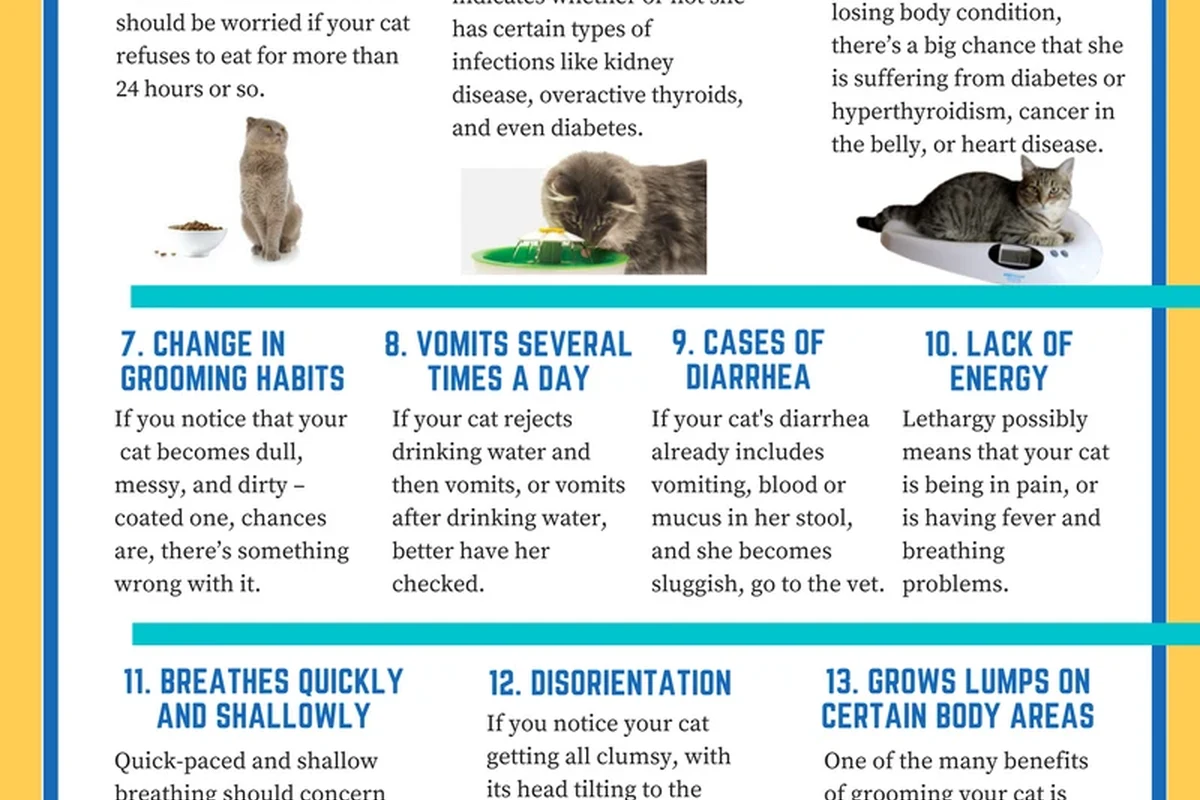
This guide on can cats tell when you’re sick is written for general cat-owner education. For symptoms, food safety, recalls, medication, product specifications, or urgent changes, confirm details with a veterinarian, product label, official manual, manufacturer notice, or current recall source before acting.
How Do Cats Sense Illness?
Cats have several ways of sensing when their owners are sick, including changes in scent, behavior, and their innate ability to read human emotions. These factors contribute to their understanding of your health status and emotional state.
Scent Detection
Cats possess a remarkable sense of smell, which is about 20-40 times more sensitive than that of humans. When you’re sick, your body chemistry changes, often leading to different scents being emitted. Cats can detect these changes, which may alert them to your illness.
Behavioral Changes
Felines are keen observers of their surroundings and your daily routines. If you’re not as active, are spending more time in bed, or exhibit unusual behaviors, your cat is likely to notice. These changes can signal to them that something is wrong.
Emotional Awareness
Cats are sensitive to their owners’ emotions. They can often sense when you’re stressed, anxious, or feeling down. When you’re sick, your emotional state may change, and your cat may respond accordingly, offering comfort or seeking attention. This connects closely with can i get my cat sick if you want to compare the topic in more detail.
Pay attention to your cat’s behavior. It can provide insights into your health and emotional state.
Signs Your Cat Might Sense You’re Sick
When a cat senses that their owner is unwell, they may exhibit specific behaviors. Recognizing these signs can help you understand your cat’s response to your health. Below are some common ways cats may react. For related health context, you may also want to read can a sick cat get a human sick.
| Behavior | Possible Meaning |
|---|---|
| Increased Cuddling | Your cat may want to provide comfort and companionship. |
| Vocalizations | Excessive meowing or purring could indicate concern or stress. |
| Following You Around | Staying close may be a sign of protectiveness or care. |
| Changes in Grooming | Reduced grooming may suggest your cat senses your low energy. |
- Increased Cuddling: Your cat may seek more physical closeness, curling up beside you or sitting on your lap.
- Vocalizations: Some cats may meow more frequently, as if trying to communicate or check on you.
- Changes in Activity Level: Cats might become more subdued or less playful, reflecting their concern for your well-being.
- Guarding Behavior: Some cats may exhibit protective behaviors, staying close to you or following you around the house.
- Altered Eating Habits: Your cat may eat less or more depending on the stress or changes in the household dynamic.
Many cats are known to seek out their owners when they sense stress, as they can recognize changes in human emotions.
Understanding Your Cat’s Intuition
The bond between cats and their owners is unique. Their ability to sense illness goes beyond instinctual survival; it reflects the emotional connection they have with you. This section delves into the psychology behind your cat’s intuition.
The Cat-Human Bond
Cats form strong attachments to their owners, often viewing them as family. This bond enables them to be more aware of your health and emotional state. Understanding this dynamic can foster a deeper relationship with your cat.
Why This Matters for Cat Owners
Recognizing that your cat can sense when you’re sick can help in providing them with the care and attention they need during these times. It also emphasizes the importance of maintaining a healthy environment for both you and your pet. For related context, you may also want to read what to give cats when they are sick.
All cats can display this behavior, but some breeds are more attuned to human emotions.
Homes with a calm environment benefit both cat and owner during illness.
Be cautious if you are contagious; limit your cat’s exposure to avoid health risks.
Can Cats Help Improve Your Health?
Having a cat around when you’re unwell can have positive effects on your health. Their presence can provide emotional support and comfort, which may aid in your recovery process.
The Benefits of Cat Companionship
Studies have shown that having a pet can lower stress levels, reduce anxiety, and even improve heart health. When you’re sick, the comfort of a cat can help alleviate feelings of loneliness or sadness.
Ways to Encourage Your Cat’s Support
Encouraging your cat to stay close when you’re not feeling well can enhance this supportive bond. Here are some simple ways to foster this behavior:
Provide a Cozy Spot: Create a comfortable space near you where your cat can rest while you recover. Engage in Gentle Play: If you’re up to it, gentle play can help distract you and maintain your cat’s active engagement. Maintain Regular Feeding: Ensure your cat’s routine remains consistent, as this stability can help them feel secure. This connects closely with where can i take my sick cat with no money if you want to compare the topic in more detail.
- Observe your cat’s behavior for changes during your illness.
- Create a quiet and comfortable space for both you and your cat.
- Maintain your cat’s feeding and care routine for stability.
What to Avoid When You’re Sick
While it’s important to bond with your cat during illness, there are certain behaviors to avoid to ensure both your health and your cat’s well-being. Here are some tips: This also connects with can stress affect a cats health if you want to avoid a similar cat-care mistake.
- Avoid Stressful Situations: Keep the environment calm and free from loud noises or chaos that could upset both you and your cat.
- Limit Exposure to Illness: If you have a contagious illness, take precautions to minimize your cat’s exposure.
- Don’t Ignore Vet Visits: If your cat shows signs of distress or changes in behavior, consult a veterinarian.
If you notice significant behavioral changes in your cat during your illness, consider consulting a veterinarian.
Limitations of Cats’ Intuition
While cats have impressive abilities to sense illness, it’s essential to understand that their intuition has limits. They may pick up on emotional and behavioral changes, but they cannot diagnose medical conditions or replace professional veterinary care. For related context, you may also want to read do siamese cats have health issues best guide for cat lovers.
- Check your cat’s routine and ensure it remains consistent.
- Monitor your health and be aware of symptoms that may need a vet visit.
- Consider your cat’s emotional needs during times of illness.
The Bottom Line on Can cats tell when you’re sick
can cats tell when you’re sick should be understood as a reason to observe your cat carefully, compare signs, avoid guessing, and contact a veterinarian when symptoms are sudden, severe, repeated, painful, or linked to appetite, breathing, urination, weight, kittens, or senior cats.
Track when the sign started and how often it happens. Avoid home treatment, medication, or dosing without veterinary guidance. Use this article to prepare better questions for your veterinarian. This connects closely with can a cat carry rabies without symptoms if you want to compare the topic in more detail.
Final Words
In summary, cats can indeed tell when you’re sick by using their keen senses and emotional awareness. Their ability to perceive changes in your scent, behavior, and emotions can lead them to offer comfort and companionship when you need it most. Remember to nurture your connection with your cat, as it can be mutually beneficial during times of illness.
🐾 Sufiya Begom's Tip: Every cat is different, so I always watch my own cats closely before assuming the worst. Small changes in appetite, grooming, or energy often mean something simple is going on — but if anything feels off for more than a day, it is always worth a quick check with your vet. Trust your instincts as a cat owner.
Frequently Asked Questions
Start with intended use, fit, verified specifications, safety instructions, care needs, and important limitations.
Start with the cat’s age, health history, home environment, safety guidance, and the main reason behind the topic.
It can vary by kitten, adult, senior cat, breed, temperament, health condition, diet, stress level, and home setup.
Check food changes, litter changes, symptoms, behavior changes, product fit, cleaning routine, and veterinarian guidance when health is involved.
A common mistake is treating every cat the same instead of considering age, health, environment, stress, and safety risks.
Contact a veterinarian if signs are sudden, severe, repeated, painful, linked to appetite, breathing, urination, weight, or involve kittens or senior cats.