
If you’ve ever heard hissing, yowling, or even the occasional thump at night, you might have wondered: Why do cats fight at night?
As someone who has spent years caring for cats and observing their behavior, I’ve learned that nighttime scuffles are more common than you might think.
In this guide, I’ll explain the reasons behind these nightly skirmishes, how to prevent them, and what you can do to keep your cats safe and happy.
Understanding Nighttime Behavior in Cats
Cats are naturally more active at night. Their eyes see well in low light, and their hunting instincts wake. They may run, play, or explore quietly. Nighttime behavior is normal, not always a problem. Understanding it helps you keep your cat safe and calm during the dark hours.
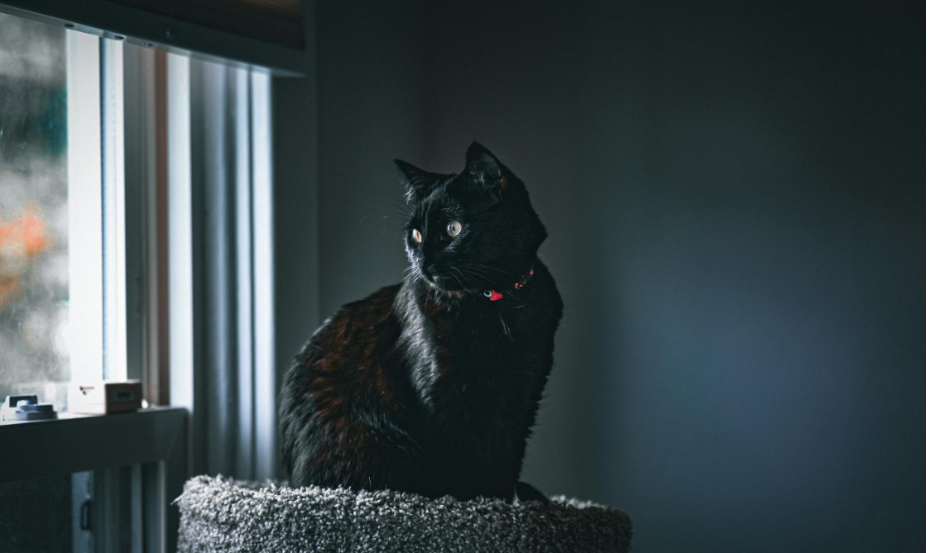
Key points to understand:
- Cats’ vision is adapted for low light, making them more confident at night.
- Nighttime activity is often about play, not aggression.
- Stress and lack of resources can trigger conflicts when cats are active.
Territorial Behavior: Why Do Cats Fight at Night?
Cats are very territorial. At night, they guard their favorite spots. They may hiss, swat, or chase other cats. Even small spaces can cause fights. Sharing food bowls or beds can trigger conflict. Understanding their territory helps prevent night scuffles and keeps cats calm and safe.
Common territorial triggers:
- Access to food or water bowls.
- Competition for cozy sleeping spots.
- Entry into a cat’s “favorite” room.
Play and Hunting Instincts at Night
Cats are hunters by heart. At night, they run, pounce, and chase toys or shadows. This play helps them practice hunting skills. Sometimes, two cats play roughly, which can look like a fight. Understanding their instincts helps me give them safe games and keep peace at home.
- Younger cats are more prone to playful fighting.
- High energy levels at night increase the chance of scuffles.
- Overstimulation can turn play into actual aggression.
Stress and Anxiety as Nighttime Triggers
Stress and anxiety can make cats fight at night. Loud noises, new pets, or changes in the home can upset them. At night, when things are quiet, they may feel nervous or threatened. Watching for signs like hissing, hiding, or sudden energy can help prevent conflicts.
Stress signs to watch for:
- Hissing or growling without warning.
- Avoidance of usual spaces.
- Sudden bursts of energy and aggression.
Social Hierarchy Among Cats
Cats have a social order. Older or bigger cats often lead. Some cats are shy, some are bold. They use body language, meows, and purrs to show rank. Fights are rare once roles are set. Understanding this hierarchy helps you reduce stress and keep peace at home.
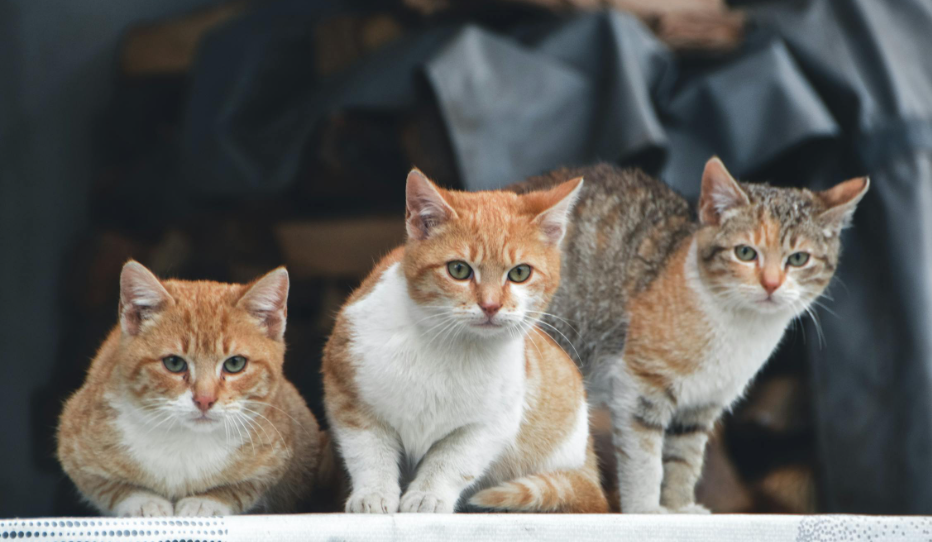
Factors influencing hierarchy:
- Age and size.
- Personality differences.
- Length of time in the household.
Preventing Nighttime Fights
Preventing nighttime fights is possible. I make sure each cat has its own bed, food, and water. I play with them before bedtime to burn energy. Quiet spaces help them feel safe. I avoid sudden changes and use soft lights. Calm routines keep my cats happy and peaceful at night.
Here’s how I manage conflicts in my home:
- Separate resources: Multiple litter boxes, food bowls, and water stations.
- Play before bed: A 10–15 minute play session can burn excess energy.
- Safe spaces: Cat trees, shelves, and cozy hideouts help cats feel secure.
- Calming aids: Pheromone diffusers or soft music can reduce anxiety.
When to Worry About Cat Fights
Most cat fights are normal. But you should worry if your cat is hurt, hiding, or not eating. Long or loud fights are also a sign. Sudden aggression can mean stress or illness. Watch closely and visit a vet if fights keep happening.
I always look out for:
- Open wounds, scratches, or bites.
- Prolonged aggressive behavior.
- Hiding or loss of appetite after fights.
If these signs appear, a vet check is essential to rule out illness or injury.
FAQs About Cats Fighting at Night
Summary: Common questions answered to make sense of nighttime fights.
Q1: Is it normal for cats to fight at night?
Yes. Nighttime activity is natural, but repeated aggressive fights may indicate stress or health issues.
Q2: Can neutering help reduce fights?
Yes. Neutered cats are generally less aggressive and territorial.
Q3: How can I stop my cats from fighting?
Provide separate resources, playtime, and safe spaces. Avoid punishment—it increases stress.
Q4: Should I separate my cats completely at night?
Temporary separation can help until they calm down. Permanent separation is usually unnecessary if proper measures are taken.
Q5: Could a medical problem cause fights?
Yes. Pain, illness, or discomfort can make cats irritable. Always check with a vet if fights are sudden or severe.
Final Words
Understanding why cats fight at night requires observing their behavior, respecting their instincts, and providing a safe, enriched environment. As someone who has seen countless cats navigate these conflicts, I can tell you that most nighttime skirmishes are normal.
With patience, structured routines, and a little creativity, you can help your cats coexist peacefully and sleep soundly—just like you.
Author

Author

Mis Sufiya Begom
I'm Mis Sufiya Begom, a lifelong cat owner and the founder of Cattyo. I have spent years caring for my own cats and learning from veterinarians and fellow cat lovers along the way. I started this blog to help other cat owners find clear, practical, and caring answers for everyday cat questions. My goal is to help you and your cat live a happier, healthier life together. Join me as we explore everything there is to know about cats!
🐾 Sufiya Begom's Tip: Every cat is different, so I always watch my own cats closely before assuming the worst. Small changes in appetite, grooming, or energy often mean something simple is going on — but if anything feels off for more than a day, it is always worth a quick check with your vet. Trust your instincts as a cat owner.