
Yes, there are several things you can add to cat food to make them eat. Incorporating enticing flavors and textures can significantly improve your cat’s appetite and enjoyment of mealtime.
Last updated: October 9, 2026
As a cat owner, you might often find yourself faced with the challenge of getting your feline friend to eat. Understanding what to add to cat food to make them eat is essential for ensuring that they receive the necessary nutrition while also enjoying their meals. This article will explore various strategies to enhance your cat’s mealtime experience, from simple flavor boosters to healthy mix-ins. This connects closely with what are meat by products in cat food if you want to compare the topic in more detail.
- Flavor Boosters: Adding broth or wet food can enhance taste.
- Texture Variation: Topping dry food with wet food or other mix-ins can appeal to picky eaters.
- Healthy Additives: Ingredients like pumpkin or fish oil provide nutrition and flavor.
- Routine Changes: Sometimes, changing feeding times or locations can improve eating habits.
What to Add to Cat Food to Make Them Eat
Enhancing your cat’s food can significantly increase their interest in mealtime. Various ingredients can make cat food more appealing, improving both the taste and texture. Adding wet food, broths, and healthy toppings can entice even the pickiest eaters. Here’s a look at some effective options. See symptoms of a cat in heat for more on how food fits into this.

Wet Food and Broths
Wet food and broth are excellent choices to add to dry cat food. They not only improve flavor but also provide moisture, which is beneficial for your cat’s hydration. Cats are often attracted to the aroma of wet food, making it a perfect mix-in. This connects closely with what do kittens like to eat if diet or appetite is part of the issue.
Healthy Toppings
Incorporating healthy toppings is another way to enhance your cat’s food. Ingredients like canned pumpkin, cooked chicken, or fish oil can add flavor and nutritional value. These toppings can make mealtime more exciting and nutritious for your pet. For related health context, you may also want to read how to check if your cat has a health problem.
Texture Variations
Changing the texture of your cat’s food can also stimulate their appetite. Mixing dry food with wet food or adding a small amount of mashed vegetables can create a more appealing meal. This variation can attract cats who might be bored with their usual diet. For related context, you may also want to read is wet food better for cat health.
| Option | Best For | What to Check |
|---|---|---|
| Wet Food | Picky eaters | Choose high-quality options without fillers. |
| Broth | Hydration | Ensure it’s low in sodium and free from onions. |
| Healthy Toppings | Nutritional boost | Check for safe ingredients for cats. |
| Texture Mix | Variety seekers | Ensure compatibility with their regular diet. |
This guide on what to add to cat food to make them eat is written for general cat-owner education. For symptoms, food safety, recalls, medication, product specifications, or urgent changes, confirm details with a veterinarian, product label, official manual, manufacturer notice, or current recall source before acting.
- Note when the sign started and what changed at home.
- Watch appetite, water intake, litter box use, breathing, pain, and energy.
- Call a veterinarian for sudden, severe, repeated, painful, or worsening signs.
Changing Feeding Habits
Sometimes, changing how and when you feed your cat can make a big difference in their eating behavior. Cats can be creatures of habit, and introducing new routines can spark their interest in food. Here are a few tips to consider.
Feeding Schedule
Establishing a consistent feeding schedule can help regulate your cat’s appetite. Feeding them at the same times every day can create a sense of expectation, leading them to eat more eagerly.
Location Matters
The feeding location can significantly influence your cat’s eating habits. Find a quiet and comfortable spot away from distractions. Sometimes, simply changing the location of the food bowl can encourage your cat to eat better. See are there health risks with feeding a cat raw food for a closer look at a related side of this topic.
- Keep mealtime consistent to build a routine.
- Use a quiet area for feeding to minimize stress.
- Experiment with different feeding times to find what works best.
Understanding Cat Preferences
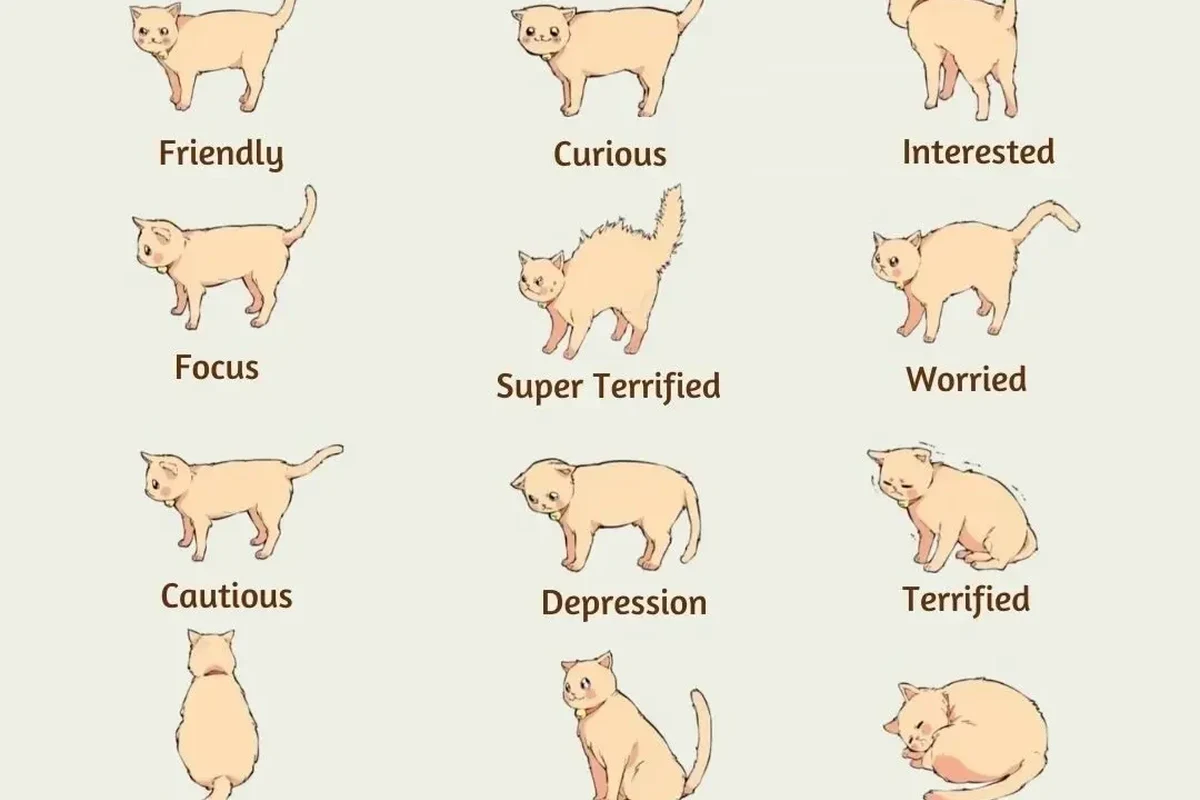
Every cat is unique, with their own preferences and sensitivities. Understanding what your cat enjoys can help you tailor their meals. Here are some essential factors to consider.
| Factor | Impact on Eating |
|---|---|
| Texture | Cats may prefer crunchy kibble or soft wet food, affecting their willingness to eat. |
| Aroma | Strong-smelling foods are more likely to entice a cat to eat. |
| Temperature | Warm food can enhance flavors and make meals more appealing. |
| Variety | Offering different flavors and types can prevent mealtime boredom and encourage eating. |
Flavor Preferences
Some cats prefer certain flavors over others. Experimenting with different protein sources, such as chicken, fish, or beef, can help you determine what your cat enjoys the most.
Food Sensitivities
Pay attention to any food sensitivities your cat may have. If they seem to have digestive issues or allergies, it may be necessary to adjust their diet to avoid certain ingredients. See how to get your cat to eat dry food for more on how food fits into this.
Use this guide for what to add to cat food to make them eat as a practical checklist, then adjust the advice to your cat’s age, health history, routine, and home environment.
What to Watch For With What to add to cat food to make them eat
what to add to cat food to make them eat should be understood as a reason to observe your cat carefully, compare signs, avoid guessing, and contact a veterinarian when symptoms are sudden, severe, repeated, painful, or linked to appetite, breathing, urination, weight, kittens, or senior cats. See how much dry cat food should a cat eat for more on how food fits into this.
- Track when the sign started and how often it happens.
- Avoid home treatment, medication, or dosing without veterinary guidance.
- Use this article to prepare better questions for your veterinarian.
Observe your cat’s reactions to different foods and adjust accordingly. Keeping a food diary can help track preferences and sensitivities.
Final Words
Enhancing your cat’s food can be a straightforward process that significantly improves their mealtime experience. By adding enticing flavors, experimenting with textures, and adjusting feeding habits, you can encourage your cat to eat better and enjoy their meals. Always be attentive to their preferences and health needs, and consult a veterinarian if you notice any concerning changes in their eating habits.
🐾 Sufiya Begom's Tip: Every cat is different, so I always watch my own cats closely before assuming the worst. Small changes in appetite, grooming, or energy often mean something simple is going on — but if anything feels off for more than a day, it is always worth a quick check with your vet. Trust your instincts as a cat owner.
Frequently Asked Questions
Good toppings include wet food, chicken or beef broth, and small amounts of canned pumpkin or fish oil.
Mixing wet food into dry food or adding broth can make it more appealing to your cat.
Yes, but make sure it’s safe for cats, such as cooked meats or certain vegetables in moderation.
If your cat refuses to eat despite your efforts, consult a veterinarian to rule out any underlying health issues.
It’s recommended to change your cat’s food every few months to keep their diet interesting, but always do so gradually.
Avoid toxic foods for cats like onions, garlic, chocolate, and grapes, as they can cause serious health issues.