
Yes, the first ingredient in cat food should be a high-quality source of protein. This is essential for maintaining your cat’s health and supporting their biological needs.
Last updated: October 9, 2026
Understanding what should be the first ingredient in cat food is crucial for every cat owner. Cats are obligate carnivores, meaning their diet must primarily consist of meat to meet their nutritional needs. The first ingredient in cat food is often the most significant indicator of its overall quality. In this article, we will explore why protein should be prioritized, the types of ingredients to look for, and how to make informed choices for your feline friend. You can also use symptoms of a cat in heat as a helpful next guide on the same cat-care topic.
- Prioritize Protein: The primary ingredient should be a named meat source for optimal nutrition.
- Avoid Fillers: Ingredients like corn and soy should be secondary or absent in quality cat food.
- Consider Life Stage: Kittens, adults, and seniors have different nutritional needs reflected in ingredients.
- Read Labels: Understanding ingredient lists can help ensure you’re providing the best for your cat.
What Should Be the First Ingredient in Cat Food?
The first ingredient in cat food should ideally be a named meat source, such as chicken, beef, or fish. This is essential because cats require protein to thrive, supporting their growth, energy levels, and overall health. A high-quality protein source as the first ingredient ensures that your cat is getting the necessary nutrients they need for their well-being. is wet food better for cat health goes deeper into the diet side of this topic.
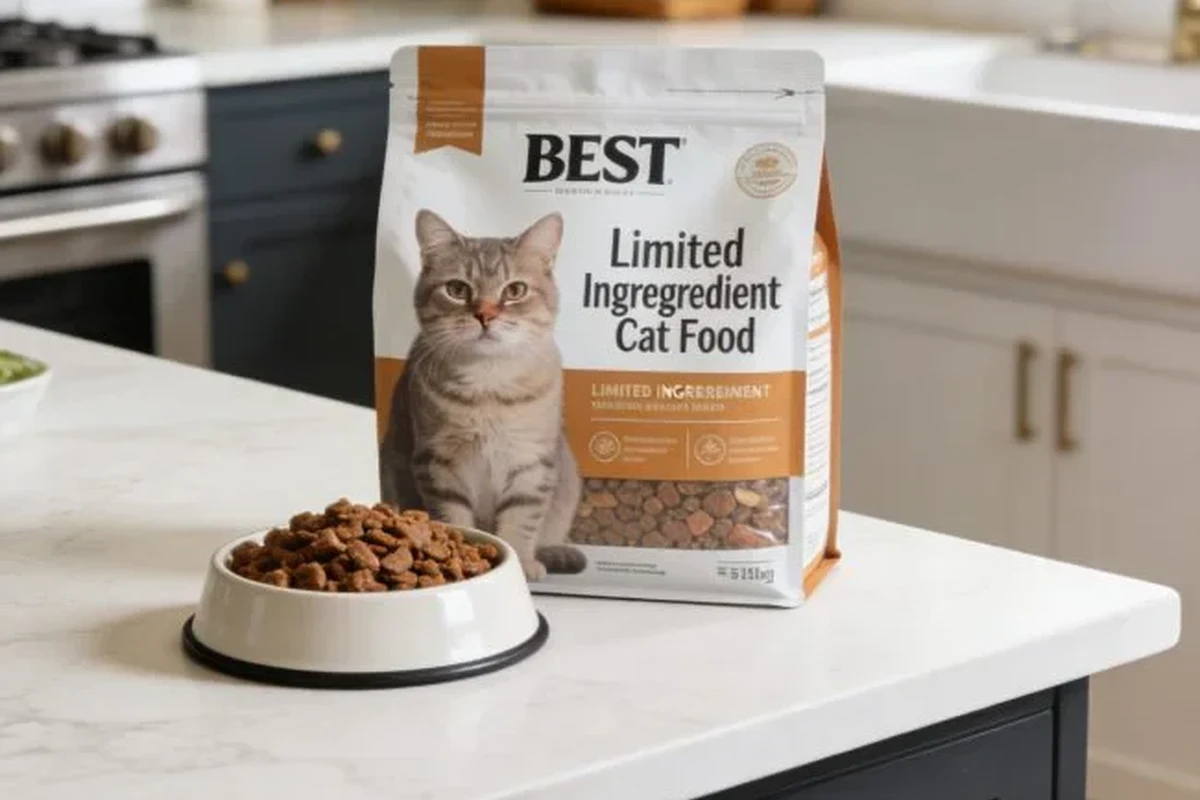
Use this guide for what should be the first ingredient in cat food as a practical checklist, then adjust the advice to your cat’s age, health history, routine, and home environment.
Why is Protein Essential for Cats?
Protein is vital for various bodily functions in cats, including muscle development and immune system support. Cats derive essential amino acids from proteins found in animal tissues, which are crucial for their health. Understanding the role of protein can help you choose better cat food that meets your pet’s biological needs.
The Role of Amino Acids
Amino acids are the building blocks of protein and play a critical role in a cat’s health. Unlike humans, cats cannot synthesize certain amino acids, making it crucial to include them in their diet. Ingredients like taurine, arginine, and methionine are necessary for functions ranging from heart health to proper vision. See are there health risks with feeding a cat raw food for a closer look at a related side of this topic.
Cats often show discomfort through small changes in appetite, litter box use, grooming, hiding, play, or body language before the problem looks obvious.
Common Ingredients to Look For
When selecting cat food, it’s essential to look beyond just the first ingredient. Here are some other beneficial ingredients that can contribute to your cat’s overall health: For related context, you may also want to read what are meat by products in cat food.
| Ingredient | Benefit |
|---|---|
| Chicken | High-quality protein source for muscle development |
| Fish Oil | Rich in omega-3 fatty acids for healthy skin and coat |
| Brown Rice | Provides digestible carbohydrates for energy |
| Peas | Source of fiber and vitamins, aids digestion |
- Named meat meals (e.g., chicken meal, fish meal)
- Healthy fats (e.g., fish oil, chicken fat)
- Fruits and vegetables (e.g., blueberries, carrots) for vitamins and antioxidants
Understanding Cat Food Labels
Learning to read cat food labels can significantly impact your choice. Ingredients are listed in descending order by weight, meaning the first ingredient is the most significant. Look for products with meat listed first and avoid those with vague terms like “meat by-products” or “animal digest,” which may not provide the quality nutrition your cat needs. See what are the most common health problems in cats for more on how food fits into this.
| Ingredient | Quality Indicator | Notes |
|---|---|---|
| Chicken | High | Excellent source of protein and essential nutrients. |
| Chicken Meal | High | Concentrated protein source, often better than whole meat. |
| Fish | High | Rich in omega-3 fatty acids, beneficial for skin and coat health. |
| Corn | Low | Common filler; lacks essential nutrients. |
| Meat By-Products | Variable | Quality can vary; not the best source of nutrition. |
Regularly assess your cat’s health and diet to ensure their nutritional needs are being met effectively.
Common Mistakes to Avoid
When selecting cat food, many owners make common mistakes that can impact their cat’s health. Here are a few to watch out for:
Choosing foods with fillers as primary ingredients. Overlooking life stage-specific formulas. Not consulting with a veterinarian regarding dietary needs. This also connects with how much dry cat food should a cat eat if you want to avoid a similar cat-care mistake.
- Take a short video if the behavior or symptom is hard to explain.
- Keep your cat calm and separate from stress triggers while you observe.
- Do not wait if the problem is getting worse or your cat seems distressed.
How to Transition Between Cat Foods
Transitioning your cat from one food to another should be done gradually to avoid digestive issues. A sudden change can lead to upset stomachs and other gastrointestinal problems. Here’s how to do it safely: See what are the symptoms of a cat dying for more on how food fits into this.
- Start Slow: Mix a small amount of the new food with the current food.
- Gradually Increase: Over a week, slowly increase the percentage of new food.
- Monitor Health: Keep an eye on your cat’s reactions and consult a vet if any issues arise.
This guide on what should be the first ingredient in cat food is written for general cat-owner education. For symptoms, food safety, recalls, medication, product specifications, or urgent changes, confirm details with a veterinarian, product label, official manual, manufacturer notice, or current recall source before acting.
What to Watch For With What should be the first ingredient in cat food
what should be the first ingredient in cat food should be understood as a reason to observe your cat carefully, compare signs, avoid guessing, and contact a veterinarian when symptoms are sudden, severe, repeated, painful, or linked to appetite, breathing, urination, weight, kittens, or senior cats. what is the new cat disease goes deeper into the diet side of this topic.
- Track when the sign started and how often it happens.
- Avoid home treatment, medication, or dosing without veterinary guidance.
- Use this article to prepare better questions for your veterinarian.
Final Words
Choosing the right cat food is essential for your feline’s health and well-being. By prioritizing high-quality protein as the first ingredient and being mindful of other components, you can help ensure your cat thrives. Remember to regularly review your cat’s dietary needs and consult with a veterinarian for the best nutritional advice.
🐾 Sufiya Begom's Tip: Every cat is different, so I always watch my own cats closely before assuming the worst. Small changes in appetite, grooming, or energy often mean something simple is going on — but if anything feels off for more than a day, it is always worth a quick check with your vet. Trust your instincts as a cat owner.
Frequently Asked Questions
The best first ingredient for cat food is a high-quality protein source, such as chicken, beef, or fish.
Protein is crucial for cats because they are obligate carnivores, meaning their bodies require meat for essential nutrients.
While some plant-based proteins can be included, they should not be the primary source as cats thrive on animal proteins.
Look for recognizable ingredients, especially named meats as the first ingredient, and avoid artificial additives.
Some cats can tolerate grains, but a grain-free diet is often preferred to avoid potential allergies and digestive issues.
Avoid foods with fillers like corn, soy, and artificial preservatives as they provide little nutritional value.