
Yes, cats can eat a variety of meats for optimal health and happiness, including chicken, turkey, and beef. However, avoid processed meats and ensure all meats are cooked thoroughly. Understanding what meat can cats eat helps maintain their diet and well-being.
Last updated: August 10, 2026
Understanding what meat can cats eat is essential for maintaining their optimal health. Cats are obligate carnivores, which means their diet primarily consists of meat. This article will explore the various types of meat that are safe for cats, the nutritional benefits they offer, and the precautions you should take when incorporating meat into your cat’s diet. For related context, you may also want to read what are meat by products in cat food.
- Start with the cat: Age, health, diet, behavior, and home setup change the right answer.
- Check safety first: Watch for pain, appetite changes, breathing issues, urination changes, or repeated symptoms.
- Use practical steps: Adjust routines, food, litter, grooming, play, or products slowly and safely.
- Know the limits: Cat-care advice varies by cause, product, environment, and veterinarian guidance.
What Meat Can Cats Eat?
Cats can eat a variety of meats, including chicken, turkey, beef, pork, and fish. These meats provide essential nutrients that contribute to a cat’s overall health and well-being. However, it’s important to prepare these meats properly and ensure they are safe for your feline friend. This connects closely with are meat by products bad for cats if diet or appetite is part of the issue.
Chicken
Chicken is one of the most popular meats for cats and is packed with protein and essential amino acids. It’s generally well-tolerated by most cats and can be served cooked or as part of a commercial cat food.
Turkey
Similar to chicken, turkey is another excellent source of lean protein. It’s a great alternative for cats that may be allergic to chicken. Always serve turkey cooked and without added seasonings.
Beef
Beef can be a good source of protein for cats, but it should be introduced gradually. Some cats may have difficulty digesting beef, so monitor their reaction when you first introduce it into their diet.
Pork
Pork is safe for cats to eat but should be given in moderation. It’s high in fat, which can lead to obesity if fed excessively. Always ensure that pork is well-cooked to avoid any health risks.
Fish
Fish is often a favorite among cats due to its strong smell and taste. While it can be a beneficial part of their diet, it should be offered sparingly and not as a primary food source. Certain types of fish can also contain harmful substances, so choose wisely. For related context, you may also want to read is wet food better for cat health.
Use this guide for what meat can cats eat as a practical checklist, then adjust the advice to your cat’s age, health history, routine, and home environment.
Benefits of Feeding Meat to Cats
Incorporating meat into your cat’s diet offers several health benefits. Meat is rich in essential nutrients that are crucial for your cat’s physical health and energy levels. Here are some of the key benefits: This connects closely with do siamese cats have health issues best guide for cat lovers if diet or appetite is part of the issue.
- Protein: Meat provides high-quality protein, which is essential for muscle development and repair.
- Amino Acids: Essential amino acids like taurine are found in meat and are vital for maintaining heart health and vision.
- Vitamins and Minerals: Meat contains important vitamins and minerals such as B vitamins, zinc, and iron that support overall health.
Always monitor your cat for any allergic reactions or digestive issues when introducing new meats into their diet.
What Meats Are Unsafe for Cats?
While many meats are safe for cats, some should be avoided entirely due to potential health risks. Understanding which meats are harmful is crucial for keeping your cat safe.
| Unsafe Meat | Health Risks |
|---|---|
| Pork | Can cause pancreatitis and may contain harmful parasites. |
| Raw Fish | May lead to thiamine deficiency and can harbor bacteria. |
| Processed Meats | High in sodium and preservatives, which can be toxic. |
| Fatty Meats | Risk of obesity and pancreatitis due to high-fat content. |
Raw Meat: Raw meat can carry harmful bacteria that may lead to foodborne illness. Processed Meats: Meats like bacon and sausage often contain preservatives and high levels of sodium, which are not safe for cats. Seasoned or Spiced Meats: Meats cooked with garlic, onions, or other seasonings can be toxic to cats. For feeding context, you may also want to read are there health risks with feeding a cat raw food.
Cats often show discomfort through small changes in appetite, litter box use, grooming, hiding, play, or body language before the problem looks obvious.
How to Safely Prepare Meat for Your Cat
Proper preparation is key when feeding meat to your cat. Here are some guidelines to ensure the meat is safe and healthy: This connects closely with is iams proactive health good for cats if diet or appetite is part of the issue.
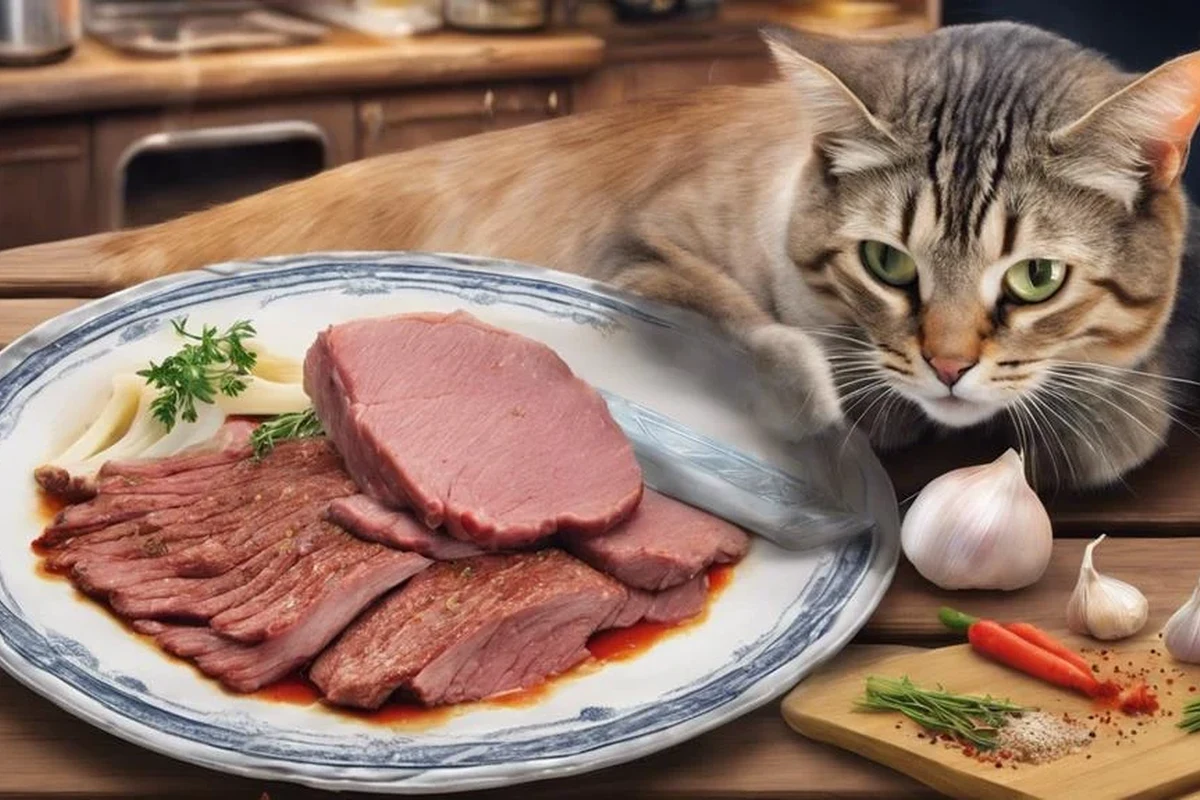
- Cook Thoroughly: Always cook meat to eliminate harmful bacteria. Avoid giving your cat raw meat.
- Avoid Seasonings: Do not add salt, spices, or sauces, as these can be harmful to cats.
- Cut into Small Pieces: Ensure meat is cut into small, manageable pieces to prevent choking hazards.
This guide on what meat can cats eat is written for general cat-owner education. For symptoms, food safety, recalls, medication, product specifications, or urgent changes, confirm details with a veterinarian, product label, official manual, manufacturer notice, or current recall source before acting.
Common Mistakes When Feeding Meat to Cats
Feeding meat to your cat can be beneficial, but there are common pitfalls to avoid. Understanding these mistakes can help you provide a healthier diet. For related safety context, compare this with is royal canin good for cat health.
- Overfeeding: Meat should only be a portion of your cat’s diet, not the entire diet.
- Neglecting Nutritional Balance: Ensure that your cat’s diet is balanced with other nutrients found in commercial cat food.
- Ignoring Allergies: Be aware of any food allergies your cat may have before introducing new types of meat.
Always introduce new meats slowly and observe your cat for any adverse reactions.
What This Means for Cat Owners
For cat owners, understanding what meat can cats eat is vital for maintaining their feline’s health. Offering a variety of safe meats can lead to a balanced diet, but it’s essential to prepare them properly and avoid common mistakes. Always consult your veterinarian if you are uncertain about any dietary changes. You can also use how much does a vet visit cost for a cat health checkup as a helpful next guide on the same cat-care topic.
Final Words
Feeding your cat the right types of meat can significantly contribute to their overall health and happiness. By incorporating safe, high-quality meats into their diet and preparing them correctly, you can ensure that your cat receives the nutrition they need. Remember to observe your cat’s reactions and consult with a veterinarian if you have any concerns.
FAQs
Can cats eat raw meat?
No, raw meat can contain harmful bacteria that may lead to foodborne illnesses in cats.
Is fish safe for cats?
Yes, fish is safe for cats but should be given in moderation and should not be the sole source of protein.
What are meat by-products in cat food?
Meat by-products are parts of the animal that are not considered muscle meat, such as organs, and can be a source of protein.
Can cats be allergic to chicken?
Yes, some cats can develop allergies to chicken, which may require dietary adjustments.
How much meat should I feed my cat?
Meat should only constitute about 10-15% of your cat’s total daily diet, with the rest coming from balanced cat food.
Are there benefits to feeding my cat a raw diet?
While some advocate for raw diets, they can pose health risks; it’s best to consult with a veterinarian for personalized advice.
🐾 Sufiya Begom's Tip: Every cat is different, so I always watch my own cats closely before assuming the worst. Small changes in appetite, grooming, or energy often mean something simple is going on — but if anything feels off for more than a day, it is always worth a quick check with your vet. Trust your instincts as a cat owner.
Frequently Asked Questions
Start with intended use, fit, verified specifications, safety instructions, care needs, and important limitations.
Start with the cat’s age, health history, home environment, safety guidance, and the main reason behind the topic.
It can vary by kitten, adult, senior cat, breed, temperament, health condition, diet, stress level, and home setup.
Check food changes, litter changes, symptoms, behavior changes, product fit, cleaning routine, and veterinarian guidance when health is involved.
A common mistake is treating every cat the same instead of considering age, health, environment, stress, and safety risks.
Contact a veterinarian if signs are sudden, severe, repeated, painful, linked to appetite, breathing, urination, weight, or involve kittens or senior cats.