
Yes, several cat diseases are contagious to other cats, including feline leukemia virus (FeLV), feline immunodeficiency virus (FIV), feline distemper (panleukopenia), and upper respiratory infections like feline herpesvirus and calicivirus. Vaccination and proper hygiene can help prevent the spread of these contagious diseases.
Last updated: August 2, 2026
Understanding the health of your feline companions is crucial, especially when it comes to contagious diseases. Many cat diseases are transmissible among cats, which can pose a serious risk in multi-cat households or when introducing new cats. In this guide, we’ll explore what cat diseases are contagious to other cats, how they spread, their symptoms, prevention methods, and the best steps to take if you suspect your cat is infected.
- Start with the cat: Age, health, diet, behavior, and home setup change the right answer.
- Check safety first: Watch for pain, appetite changes, breathing issues, urination changes, or repeated symptoms.
- Use practical steps: Adjust routines, food, litter, grooming, play, or products slowly and safely.
- Know the limits: Cat-care advice varies by cause, product, environment, and veterinarian guidance.
What Cat Diseases Are Contagious to Other Cats?
Contagious diseases can significantly impact the health of cats, especially in shared environments. Some of the most common contagious cat diseases include feline infectious peritonitis (FIP), feline leukemia virus (FeLV), feline immunodeficiency virus (FIV), and various upper respiratory infections. Understanding these diseases can help you take preventive measures to protect your furry friends. For related context, you may also want to read what are the most common health problems in cats.
This guide on what cat diseases are contagious to other cats is written for general cat-owner education. For symptoms, food safety, recalls, medication, product specifications, or urgent changes, confirm details with a veterinarian, product label, official manual, manufacturer notice, or current recall source before acting.
Understanding Contagious Cat Diseases
Contagious cat diseases are primarily caused by viruses and bacteria that can be transmitted from one cat to another. These diseases can spread through direct contact, airborne particles, or contaminated surfaces. Knowing how these diseases spread and their effects on cats is vital for pet owners.
Common Cat Diseases That Spread Between Cats
Several diseases are known to be contagious among cats, each with its unique mode of transmission and symptoms. Here are some of the most common contagious diseases:
- Feline Infectious Peritonitis (FIP): A viral disease that can be fatal, caused by a mutation of the feline coronavirus.
- Feline Leukemia Virus (FeLV): A retrovirus that suppresses the immune system and is spread through saliva, urine, and mutual grooming.
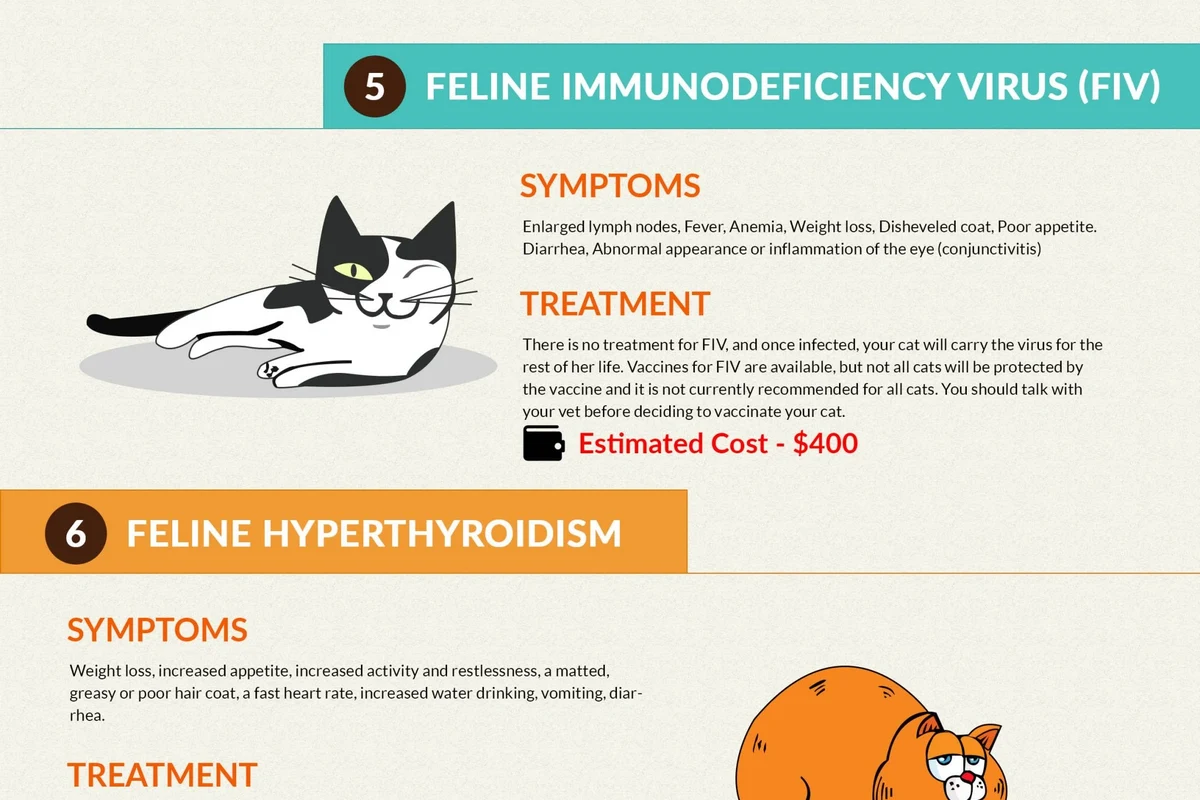
- Feline Immunodeficiency Virus (FIV): Similar to HIV in humans, it weakens the immune system and is usually transmitted through bite wounds.
- Feline Upper Respiratory Infections: Often caused by viruses like calicivirus and herpesvirus, these infections spread through sneezing and direct contact.
- Ringworm: A fungal infection that is highly contagious and can spread through direct contact with an infected cat or contaminated surfaces.
How Contagious Diseases Affect Cats
Contagious diseases can lead to a range of health issues in cats, from mild symptoms to severe illnesses. The impact often depends on the cat’s age, immune status, and overall health. Understanding the potential effects of these diseases can help in early detection and treatment. This connects closely with what to give cats when they are sick if you want to compare the topic in more detail.
Stay vigilant for signs of contagious diseases in your cats, especially in multi-cat households.
Identifying Symptoms of Contagious Cat Diseases
Recognizing the symptoms of contagious diseases is crucial for timely intervention. Symptoms can vary significantly depending on the disease and the cat’s age, health, and immune response.
| Disease | Common Symptoms |
|---|---|
| Feline Panleukopenia | Vomiting, diarrhea, lethargy |
| Feline Calicivirus | Sneezing, mouth ulcers, fever |
| Feline Herpesvirus | Runny nose, conjunctivitis, sneezing |
| Feline Leukemia Virus (FeLV) | Weight loss, poor coat condition, fever |
Key Signs that Indicate a Contagious Disease
Here are some common signs that may indicate a contagious disease in cats:
Fever and lethargy, loss of appetite, respiratory issues such as coughing or sneezing, vomiting or diarrhea, weight loss, and changes in grooming habits, including unkempt fur.
Differences in Symptoms Between Kittens and Senior Cats
Symptoms of contagious diseases can manifest differently in kittens compared to senior cats. Kittens may exhibit more severe symptoms due to their immature immune systems, while senior cats might show more subtle signs that can be easily overlooked. For related health context, you may also want to read what are the symptoms of a cat dying.
Feline leukemia virus (FeLV) is one of the leading causes of death in cats, emphasizing the importance of vaccination.
Preventing the Spread of Contagious Diseases
Prevention is key in managing contagious diseases among cats. Vaccinations, proper hygiene, and careful management of social interactions are essential steps for any cat owner.
Essential Vaccinations for Cats
Vaccinations play a vital role in preventing contagious diseases in cats. Core vaccines recommended for all cats include:
- Feline panleukopenia
- Feline calicivirus
- Feline rhinotracheitis
- Rabies
- FeLV for at-risk cats
Consult your veterinarian about the appropriate vaccination schedule for your cat’s specific needs.
Safe Practices for Multi-Cat Households
Managing a multi-cat household requires extra vigilance to prevent the spread of contagious diseases. Here are some safe practices to consider:
Keep new cats isolated for at least two weeks before introducing them to other cats. Maintain separate litter boxes and feeding areas for each cat. Regularly disinfect shared spaces and items. Monitor for any signs of illness and seek veterinary advice promptly. For related context, you may also want to read what are the symptoms of kidney disease in cats.
What to Do If You Suspect Your Cat Is Sick
If you notice any symptoms of contagious diseases in your cat, it’s essential to act swiftly. Early intervention can make a significant difference in outcomes.
When to Call a Veterinarian
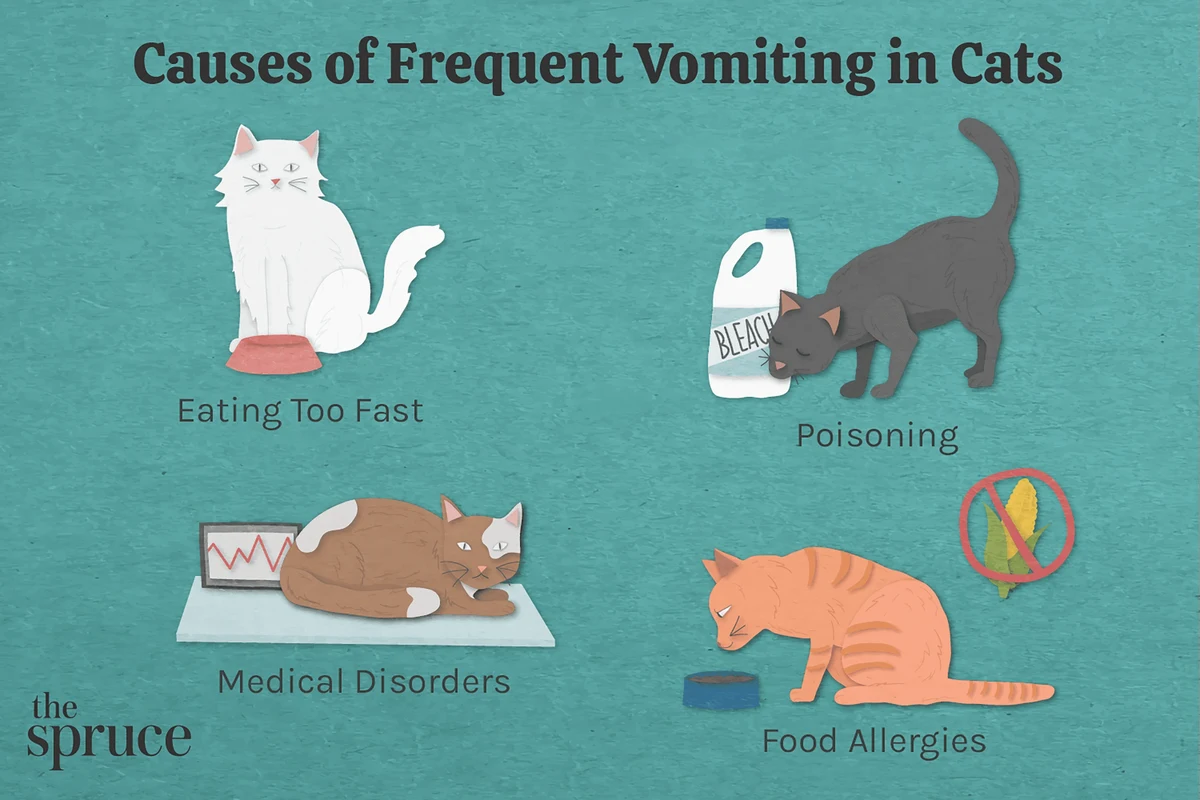
Contact your veterinarian immediately if your cat exhibits any concerning symptoms, especially if they include severe lethargy, persistent vomiting, or difficulty breathing. Early diagnosis and treatment are crucial for contagious diseases.
At-Home Observation Techniques
While awaiting veterinary advice, closely monitor your cat’s behavior, appetite, and litter box habits. Keeping a detailed record of any changes can help your veterinarian make a more accurate diagnosis. This connects closely with what are symptoms of a pregnant cat 2 if you want to compare the topic in more detail.
All breeds at risk of contagious diseases.
Multi-cat households or shelters.
When introducing new cats into the home.
Common Mistakes Cat Owners Make
Being a responsible cat owner means being aware of common mistakes that can exacerbate health issues, especially regarding contagious diseases.
What Not to Do When Caring for an Infected Cat
Avoid the following actions if you suspect your cat is infected:
- Do not delay seeking veterinary care.
- Avoid mixing infected cats with healthy ones.
- Do not ignore changes in behavior or appetite.
Misconceptions About Cat Health
Many cat owners hold misconceptions about what constitutes a contagious disease. For instance, some may believe that only outdoor cats are susceptible, while in reality, indoor cats can also contract and spread diseases. This connects closely with what are rabies symptoms in cats if you want to compare the topic in more detail.
- Regularly clean litter boxes and feeding areas.
- Maintain a vaccination schedule with your vet.
- Monitor your cats for any health changes.
How to Help Your Cat Recover
Supporting the recovery of a sick cat involves proper care and attention to their nutritional needs.
Nutritional Considerations for Sick Cats
Ensure that your sick cat is eating a balanced diet. Consider offering wet food, which is often more palatable and hydrating. Consult your veterinarian about any special dietary needs during recovery.
Safe Products and Medications for Treatment
Only use products and medications prescribed by a veterinarian. Some over-the-counter treatments can be harmful to cats, so it’s essential to follow professional guidance. For feeding context, you may also want to read are there health risks with feeding a cat raw food.
Always consult a veterinarian when observing symptoms of illness in your cat. Early diagnosis can save lives.
What This Means for Cat Owners
Understanding what cat diseases are contagious to other cats is vital for any cat owner. By being vigilant, practicing good hygiene, and ensuring regular veterinary check-ups, you can significantly reduce the risk of transmission and keep your feline friends healthy. This connects closely with do siamese cats have health issues best guide for cat lovers if you want to compare the topic in more detail.
Final Words
Contagious diseases in cats can pose serious health risks, but with proper knowledge and precautions, you can protect your pets. Remember to stay informed about vaccinations, monitor for symptoms, and consult your veterinarian regularly to ensure your cats remain healthy and happy.
🐾 Sufiya Begom's Tip: Every cat is different, so I always watch my own cats closely before assuming the worst. Small changes in appetite, grooming, or energy often mean something simple is going on — but if anything feels off for more than a day, it is always worth a quick check with your vet. Trust your instincts as a cat owner.
Frequently Asked Questions
Start with intended use, fit, verified specifications, safety instructions, care needs, and important limitations.
Start with the cat’s age, health history, home environment, safety guidance, and the main reason behind the topic.
It can vary by kitten, adult, senior cat, breed, temperament, health condition, diet, stress level, and home setup.
Check food changes, litter changes, symptoms, behavior changes, product fit, cleaning routine, and veterinarian guidance when health is involved.
A common mistake is treating every cat the same instead of considering age, health, environment, stress, and safety risks.
Contact a veterinarian if signs are sudden, severe, repeated, painful, linked to appetite, breathing, urination, weight, or involve kittens or senior cats.