
Cats like foods that are high in protein, such as meat, fish, and poultry. They also enjoy wet food for its moisture content and flavor, while some may prefer dry kibble. Treats made from natural ingredients can further enhance their happiness and health.
Last updated: July 14, 2026
Understanding what foods do cats like is essential for keeping them happy and healthy. Cats are unique creatures with specific dietary needs and preferences that can vary from one individual to another. In this article, we will explore the various types of foods that your feline friend may enjoy, how to identify their preferences, and the nutritional considerations you should keep in mind.
- Start with the cat: Age, health, diet, behavior, and home setup change the right answer.
- Check safety first: Watch for pain, appetite changes, breathing issues, urination changes, or repeated symptoms.
- Use practical steps: Adjust routines, food, litter, grooming, play, or products slowly and safely.
- Know the limits: Cat-care advice varies by cause, product, environment, and veterinarian guidance.
Understanding Your Cat’s Dietary Preferences
Every cat has its own distinct likes and dislikes when it comes to food. Factors such as age, breed, and health can influence these preferences. Understanding these aspects can help you cater to your cat’s specific needs and keep them nourished and satisfied. For feeding context, you may also want to read is wet food better for cat health.
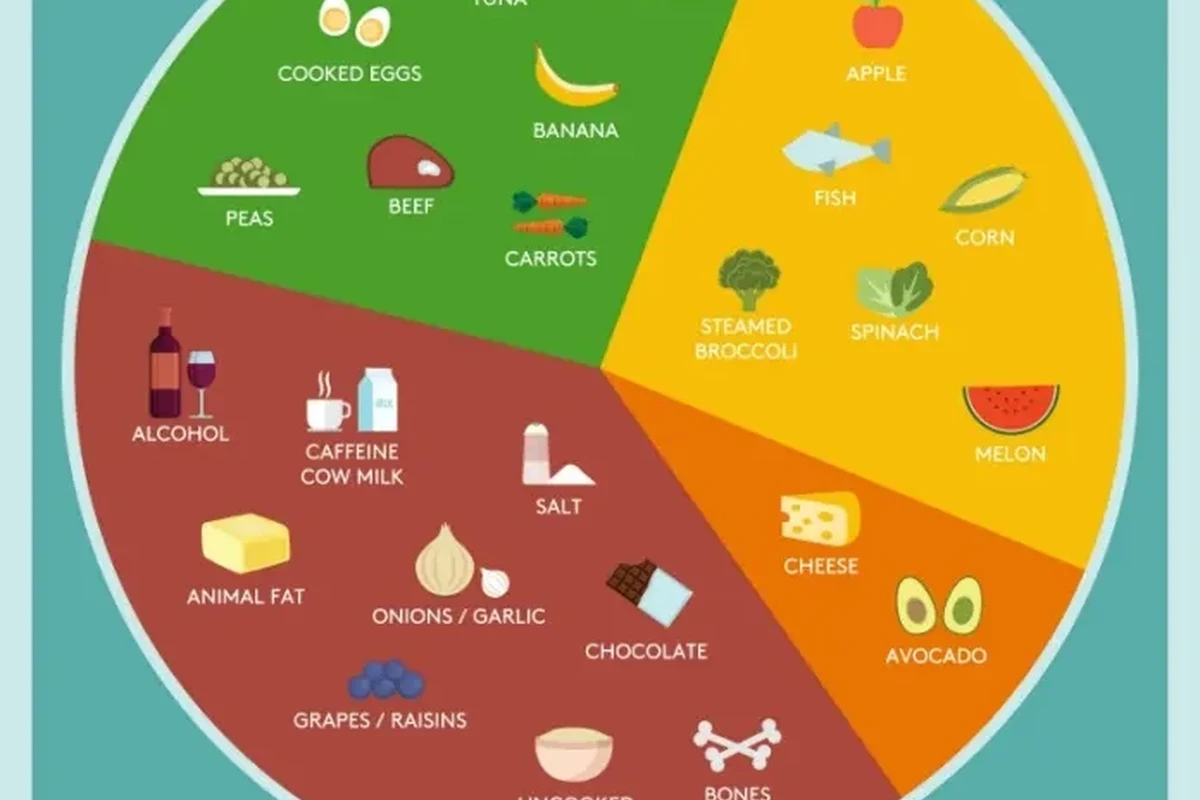
Popular Foods That Cats Enjoy
There are several categories of food that are generally popular among cats. Each type offers different flavors and textures that can appeal to your cat’s palate. In this section, we will delve into the most loved food categories among cats.
Meat-Based Diets: The Feline Favorite
Cats are obligate carnivores, which means they thrive on a diet rich in animal protein. This section will explore which meats are most appealing to cats and how to incorporate them into their diet.
- Chicken: A favorite among many cats, chicken is often found in both dry and wet cat foods.
- Beef: Ground beef or shredded beef can be appealing, especially when cooked.
- Pork: While not commonly used in commercial cat foods, many cats enjoy pork.
Fish: A Delicacy for Many Cats
Fish is another popular food that many cats find irresistible. The strong flavors and enticing smells can make fish a preferred choice for your feline companion.
Tuna: Often considered a cat treat, tuna can be given in moderation. Salmon: Rich in omega-3 fatty acids, salmon is both tasty and healthy. Whitefish: Another common ingredient in cat foods, whitefish offers a mild flavor.
Vegetables and Fruits: What’s Safe and What’s Not
While cats are primarily meat-eaters, some may enjoy small amounts of fruits and vegetables. It’s important to know which ones are safe and which to avoid. This connects closely with are there health risks with feeding a cat raw food if you want to compare the topic in more detail.
| Food Item | Safe for Cats? | Notes |
|---|---|---|
| Carrots | Yes | Cooked and chopped is best. |
| Blueberries | Yes | High in antioxidants. |
| Onions | No | Toxic to cats. |
| Garlic | No | Toxic to cats. |
| Spinach | Yes | In moderation due to oxalates. |
Use this guide for what foods do cats like as a practical checklist, then adjust the advice to your cat’s age, health history, routine, and home environment.
How to Identify Your Cat’s Food Preferences
Understanding what foods your cat enjoys can make meal times more pleasant and ensure they are getting the nutrition they need. This section discusses signs to look for in identifying their preferences.
| Signs Your Cat Enjoys Food | Actions to Confirm Preferences |
|---|---|
| Purring while eating | Offer different flavors |
| Eating quickly | Observe their reaction to textures |
| Seeking out food when hungry | Try varying meal times |
| Displaying excitement at mealtime | Introduce new ingredients gradually |
Signs Your Cat Likes a Certain Food
There are several indicators that can help you determine if your cat enjoys a particular food. Observing these signs can help you refine their diet.
- Eating Enthusiasm: A cat that eagerly approaches their food bowl is likely enjoying the meal.
- Empty Bowl: If your cat consistently finishes their food, it’s a good sign they like it.
- Body Language: Happy purring and a relaxed posture can indicate enjoyment.
Common Mistakes When Choosing Cat Foods
Many cat owners unknowingly make mistakes when selecting foods. Being aware of these can help ensure you provide the best diet for your furry friend.
Choosing Low-Quality Ingredients: Always opt for high-quality cat food to ensure the best nutrition. Ignoring Allergies: Be mindful of any food allergies your cat may have. Not Considering Life Stage: Kittens, adults, and seniors have different dietary needs. For related safety context, compare this with do siamese cats have health issues best guide for cat lovers.
Cats often show discomfort through small changes in appetite, litter box use, grooming, hiding, play, or body language before the problem looks obvious.
Nutritional Needs of Cats
Cats have specific nutritional requirements that must be met to maintain their health. This section explores what you need to know about their dietary needs.
Protein Requirements for Cats
Protein is a vital component of a cat’s diet. Understanding how much protein your cat needs is essential for their overall well-being.
Adult cats require at least 26% protein in their diet, while kittens may need up to 30%. This protein should primarily come from animal sources to support their growth and energy needs.
Essential Nutrients to Include
In addition to protein, there are other essential nutrients that must be included in your cat’s diet for optimal health. For related context, you may also want to read what are the most common health problems in cats.
- Fat: Healthy fats provide energy and support skin and coat health.
- Vitamins: Essential vitamins like A, B, and E are crucial for immune function and overall health.
- Minerals: Calcium and phosphorus are necessary for strong bones and teeth.
Homemade Cat Food: Pros and Cons
Some cat owners consider making homemade cat food. While there are benefits, there are also risks involved. This section will cover both sides.
How to Prepare Safe Homemade Meals
When preparing homemade meals for your cat, it’s essential to ensure they are balanced and safe. Here are some guidelines to follow.
Consult a Veterinarian: Always get a vet’s input before changing your cat’s diet. Use Safe Ingredients: Include meat, some vegetables, and avoid toxic foods. Balance Nutrients: Ensure the diet meets all of your cat’s nutritional needs.
Foods to Avoid When Cooking for Your Cat
Not all human foods are safe for cats. Here are some foods you should never include in homemade cat meals. For related safety context, compare this with symptoms of a cat in heat.
- Onions and Garlic: Both can lead to serious health issues.
- Chocolate: Highly toxic to cats and should be avoided at all costs.
- Alcohol: Even small amounts can be dangerous.
- Take a short video if the behavior or symptom is hard to explain.
- Keep your cat calm and separate from stress triggers while you observe.
- Do not wait if the problem is getting worse or your cat seems distressed.
Age-Specific Dietary Considerations
As cats age, their dietary needs change significantly. Understanding these differences can help ensure your cat remains healthy at every stage of life.
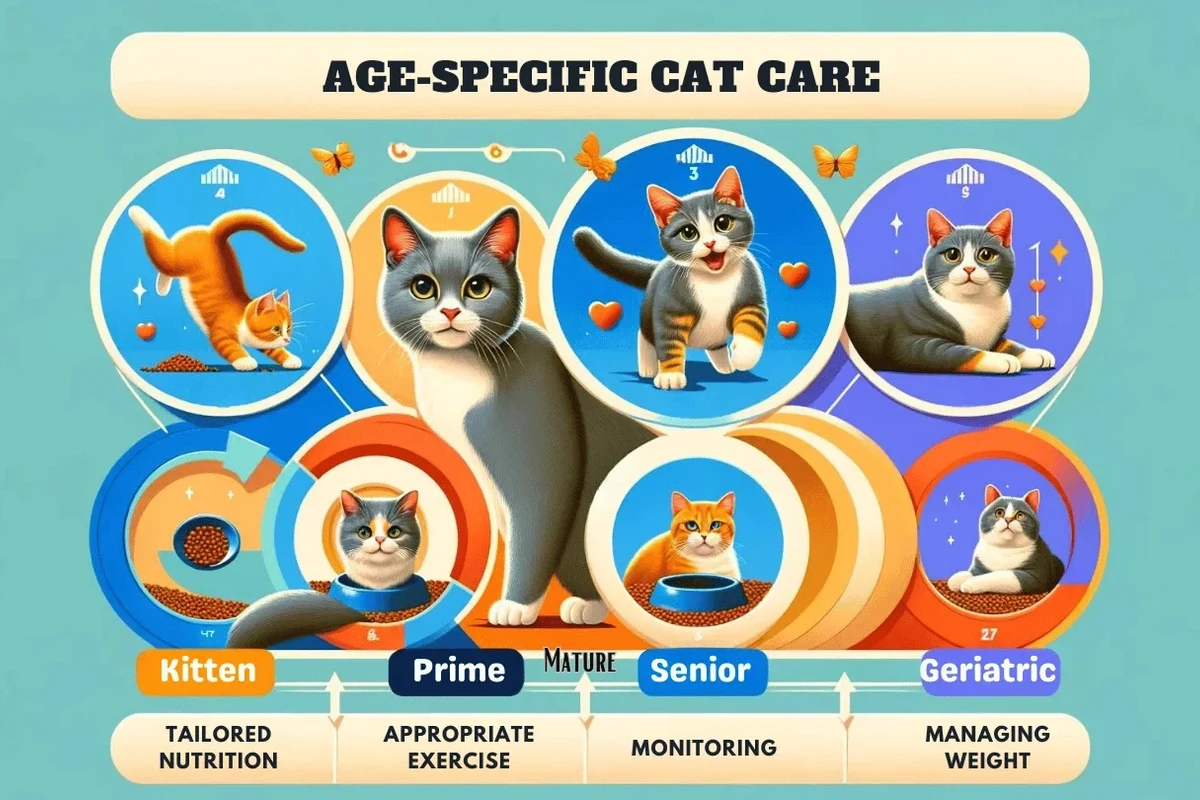
Kitten Diet: What Young Cats Love
Kittens have unique dietary requirements due to their rapid growth and development. Here’s what to consider when feeding them.
High Protein Content: Kittens need more protein compared to adult cats. Frequent Meals: Offer smaller, more frequent meals throughout the day. Specialized Kitten Food: Choose food formulated specifically for kittens.
Senior Cat Nutrition: Keeping Older Cats Happy
Senior cats often require a diet that addresses their changing health needs. Here are some key points to consider. This connects closely with what to give cats when they are sick if diet or appetite is part of the issue.
- Reduced Calories: Older cats may become less active and need fewer calories.
- Joint Health Support: Consider foods that include glucosamine or omega fatty acids.
- Hydration: Wet food can help keep senior cats hydrated.
How to Transition Your Cat to New Foods
When it’s time to change your cat’s diet, it’s essential to do so gradually. This section will discuss the best practices for transitioning your cat to new foods.
Steps for a Smooth Food Transition
A gradual transition can help prevent digestive issues. Here’s how to smoothly change your cat’s food.
- Mix Old and New: Start by mixing a small amount of the new food with the old food.
- Gradually Increase: Over the course of a week, gradually increase the new food while decreasing the old.
- Monitor Behavior: Keep an eye on your cat for any signs of distress or refusal to eat.
Signs of Food Sensitivity in Cats
Some cats may develop food sensitivities. Recognizing the signs early can help you address any issues promptly.
Vomiting: Frequent vomiting can indicate food intolerance. Diarrhea: Loose stools may suggest a sensitivity to certain foods. Skin Issues: Itching or rashes could be signs of an allergic reaction. For feeding context, you may also want to read do black cats have more health problems.
Always monitor your cat’s health and eating habits and consult with a veterinarian if you observe any concerning changes.
What This Means for Cat Owners
Understanding what foods do cats like is crucial for providing a balanced and enjoyable diet. By recognizing their preferences and nutritional needs, you can help ensure your cat stays happy and healthy. This connects closely with do maine coon cats have health problems if you want to compare the topic in more detail.
This guide on what foods do cats like is written for general cat-owner education. For symptoms, food safety, recalls, medication, product specifications, or urgent changes, confirm details with a veterinarian, product label, official manual, manufacturer notice, or current recall source before acting.
Recommended Products and Brands for Cat Food
With so many options available, knowing which brands and products are best can be overwhelming. This section provides some recommendations to help you choose wisely.
Top Commercial Cat Foods That Cats Love
Several brands offer high-quality cat food that is both nutritious and appealing to cats. Here are a few top choices:
- Royal Canin: Known for breed-specific formulas.
- Hill’s Science Diet: Offers vet-recommended options.
- Wellness: Known for natural ingredients and high protein content.
High-Quality Treats to Keep Your Cat Happy
Treats can be a great way to bond with your cat and reward good behavior. Here are some high-quality options:
Greenies: Dental treats that help maintain oral health. Temptations: Crunchy on the outside and soft on the inside. PureBites: Freeze-dried meat treats that are high in protein.
When to Consult a Veterinarian About Your Cat’s Diet
Noticing changes in your cat’s eating habits can be concerning. Knowing when to consult a veterinarian is crucial for your cat’s health.
Signs of Dietary Issues in Cats
If your cat shows any signs of distress or unusual behavior related to food, it’s essential to consult a vet. Here are some signs to watch for:
- Loss of Appetite: If your cat refuses to eat for more than a day.
- Weight Loss: Noticeable changes in weight can indicate health issues.
- Persistent Vomiting or Diarrhea: Ongoing digestive issues should not be ignored.
Preventive Care: Monitoring Your Cat’s Health
Regular check-ups and monitoring your cat’s health can help catch dietary issues before they become serious. Keeping an eye on their behavior and eating habits is crucial.
Final Words
Feeding your cat the right foods is vital for their overall happiness and health. By understanding what foods do cats like and their specific dietary needs, you can ensure that your feline friend enjoys a long and healthy life. Remember to keep their preferences in mind and consult professionals when necessary to make informed decisions.
🐾 Sufiya Begom's Tip: Every cat is different, so I always watch my own cats closely before assuming the worst. Small changes in appetite, grooming, or energy often mean something simple is going on — but if anything feels off for more than a day, it is always worth a quick check with your vet. Trust your instincts as a cat owner.
Frequently Asked Questions
Start with intended use, fit, verified specifications, safety instructions, care needs, and important limitations.
Start with the cat’s age, health history, home environment, safety guidance, and the main reason behind the topic.
It can vary by kitten, adult, senior cat, breed, temperament, health condition, diet, stress level, and home setup.
Check food changes, litter changes, symptoms, behavior changes, product fit, cleaning routine, and veterinarian guidance when health is involved.
A common mistake is treating every cat the same instead of considering age, health, environment, stress, and safety risks.
Contact a veterinarian if signs are sudden, severe, repeated, painful, linked to appetite, breathing, urination, weight, or involve kittens or senior cats.