
Yes, knowing how to properly pet a cat is key to their happiness and comfort. By understanding their preferences and body language, you can strengthen your bond.
Last updated: October 9, 2026
Understanding how to properly pet a cat is essential for ensuring your feline friend feels safe, comfortable, and loved. Many cat owners may wonder about the best techniques to enhance their bond with their pets. In this comprehensive guide, we will explore effective techniques for petting cats, understanding their body language, and the common mistakes to avoid, ensuring a happier experience for both you and your furry companion. This connects closely with is wet food better for cat health if you want to compare the topic in more detail.
- Understand body language: Recognize signs of comfort and discomfort in your cat’s behavior.
- Focus on favorite areas: Cats generally enjoy being stroked on their head, cheeks, and back.
- Use gentle motions: Petting should be slow and gentle to avoid startling the cat.
- Respect their space: Always approach your cat calmly and allow them to initiate contact.
How to Properly Pet a Cat
To properly pet a cat, you need to pay attention to their body language and preferences. Cats are generally sensitive creatures, and their comfort should be your priority. Start by approaching them calmly and allowing them to come to you. This ensures that they feel in control of the interaction. This connects closely with do siamese cats have health issues best guide for cat lovers if you want to compare the topic in more detail.
Recognizing Cat Body Language
Understanding your cat’s body language is crucial when learning how to properly pet a cat. Cats communicate their feelings through various signals, which can help you gauge their comfort level. See how much does a vet visit cost for a cat health checkup for a closer look at a related side of this topic.
- Relaxed posture: If your cat is lying down with a relaxed body and purring, it’s a good sign they are open to being petted.
- Tail position: A tail held high indicates confidence and happiness, while a low or puffed-up tail may suggest fear or aggression.
- Ear position: Forward-facing ears show interest, while flattened ears indicate discomfort or annoyance.
Use this guide for how to properly pet a cat as a practical checklist, then adjust the advice to your cat’s age, health history, routine, and home environment.
Favorite Areas to Pet
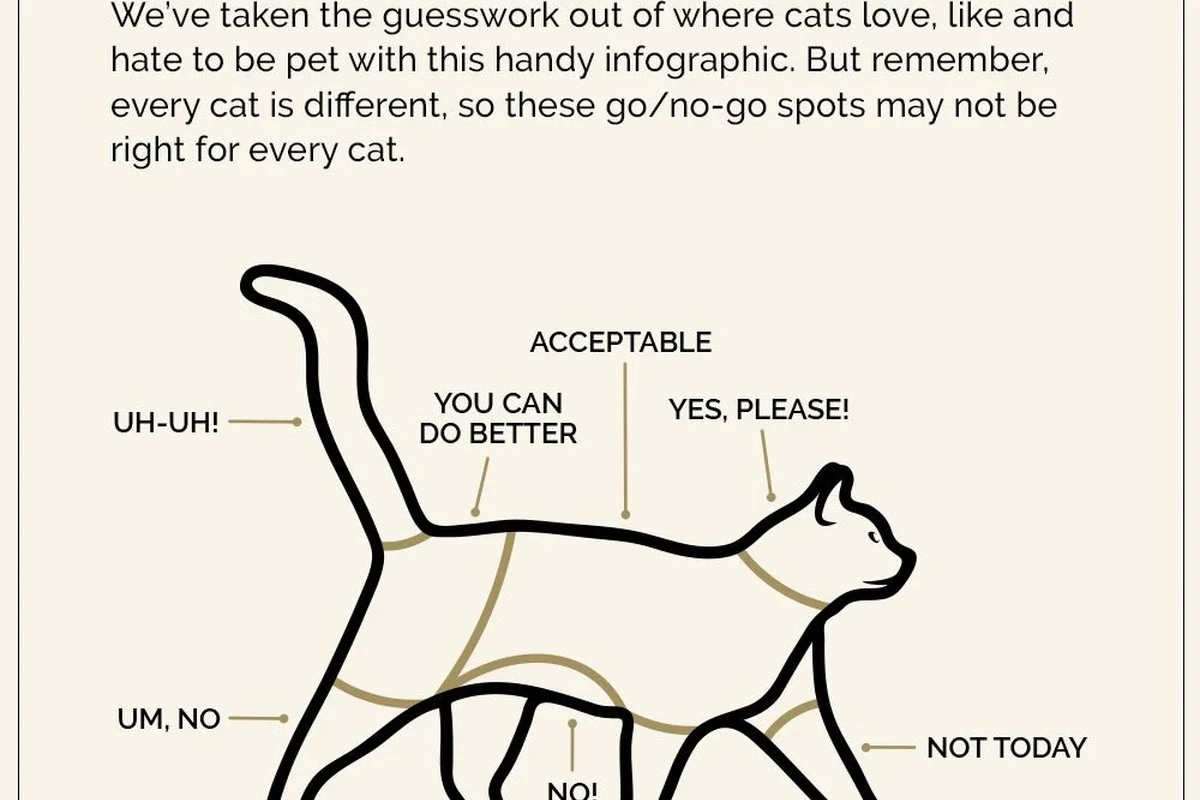
Most cats have specific areas they enjoy being petted. Knowing these spots can help you make your cat feel more comfortable and appreciated during your bonding time.
Head and cheeks: Cats often enjoy gentle strokes on their head and around their cheeks, as these areas have scent glands. Back and base of the tail: Many cats appreciate soft strokes along their back and at the base of their tail, which is a common petting zone. Chin and neck: Gently scratching under the chin and neck can lead to purring and contentment. You can also use how much is a health check for a cat as a helpful next guide on the same cat-care topic.
Cats often show discomfort through small changes in appetite, litter box use, grooming, hiding, play, or body language before the problem looks obvious.
Common Mistakes to Avoid When Petting
When learning how to properly pet a cat, it’s essential to avoid certain common mistakes that could lead to discomfort or stress for your feline friend. This also connects with how much is a health certificate for a cat if you want to avoid a similar cat-care mistake.
| Common Mistake | Explanation |
|---|---|
| Petting Against the Fur | This can feel uncomfortable for your cat and may lead to agitation. |
| Overstimulation | Petting for too long can cause your cat to become overstimulated and bite or scratch. |
| Ignoring Body Language | Not paying attention to your cat’s signals can result in stress or discomfort. |
| Petting in Unfamiliar Areas | Some cats prefer to be petted in specific areas; avoiding these can lead to a negative experience. |
- Petting against the fur: Always stroke with the direction of the fur to avoid startling your cat.
- Overstimulation: Watch for signs of irritation, such as twitching tails or flattened ears, which indicate they’ve had enough.
- Ignoring their signals: Always respect your cat’s boundaries and stop petting if they show signs of wanting space.
- Take a short video if the behavior or symptom is hard to explain.
- Keep your cat calm and separate from stress triggers while you observe.
- Do not wait if the problem is getting worse or your cat seems distressed.
Petting Techniques for a Happy Cat
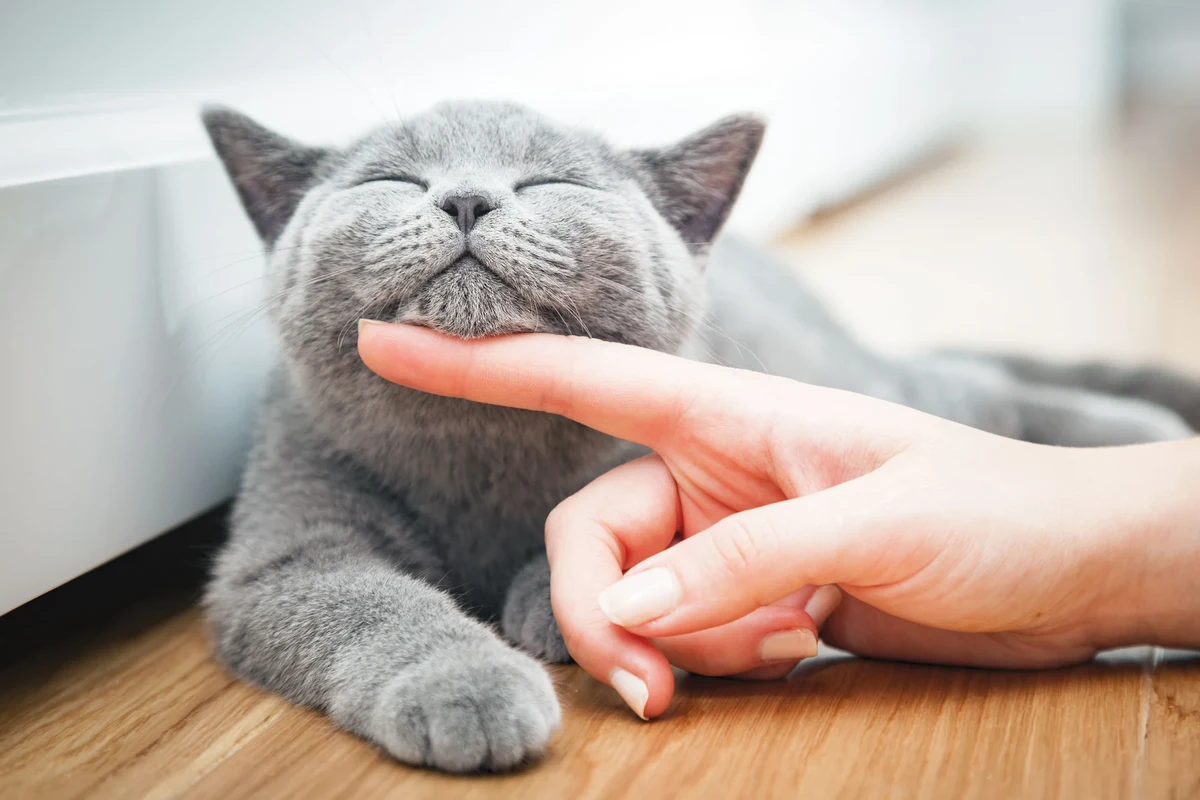
Using gentle and appropriate techniques while petting your cat can enhance the experience for both of you. Here are some effective techniques to consider: See how to check if your cat has a health problem for a closer look at a related side of this topic.
- Approach calmly:
Always approach your cat slowly and quietly to avoid startling them.
- Start with gentle strokes:
Begin by gently petting areas they enjoy, such as the head or cheeks.
- Be attentive:
Observe their reactions and adjust your technique based on their comfort level.
| Petting Area | Best For | Signs of Enjoyment |
|---|---|---|
| Head and Cheeks | Bonding and comfort | Purring, leaning in |
| Back | Relaxation and trust | Slow blinking, kneading |
| Chin and Neck | Affection and happiness | Purring, rolling over |
Call your veterinarian promptly if signs are sudden, severe, repeated, painful, linked to appetite, breathing, urination, weight loss, or involve a kitten or senior cat.
Final Thoughts on Petting Your Cat
Learning how to properly pet a cat can significantly enhance your bond and improve your cat’s overall well-being. By understanding their preferences and body language, you can create a more enjoyable experience for your furry friend. Remember to approach with gentleness and respect their boundaries for a happier feline companion. For related context, you may also want to read how to prevent obesity in cats for better health.
This guide on how to properly pet a cat is written for general cat-owner education. For symptoms, food safety, recalls, medication, product specifications, or urgent changes, confirm details with a veterinarian, product label, official manual, manufacturer notice, or current recall source before acting.
What This Means for Your Cat
how to properly pet a cat should be understood as a reason to observe your cat carefully, compare signs, avoid guessing, and contact a veterinarian when symptoms are sudden, severe, repeated, painful, or linked to appetite, breathing, urination, weight, kittens, or senior cats.
Track when the sign started and how often it happens. Avoid home treatment, medication, or dosing without veterinary guidance. Use this article to prepare better questions for your veterinarian. is royal canin good for cat health is a useful related read on this.
Final Words
how to properly pet a cat should be handled with calm observation, clear notes, and early veterinary guidance when signs are sudden, severe, repeated, painful, or linked to appetite, breathing, urination, weight, kittens, or senior cats. Use this guide to understand the possibilities, but let a veterinarian confirm anything health-related.
🐾 Sufiya Begom's Tip: Every cat is different, so I always watch my own cats closely before assuming the worst. Small changes in appetite, grooming, or energy often mean something simple is going on — but if anything feels off for more than a day, it is always worth a quick check with your vet. Trust your instincts as a cat owner.
Frequently Asked Questions
Cats typically enjoy being petted on their head, cheeks, and back. Avoid sensitive areas like their belly unless they show clear signs of comfort.
If your cat leans into your hand, purrs, or kneads, they are likely enjoying the attention. Look for relaxed body language.
If your cat shows signs of discomfort, such as hissing or swatting, it’s best to give them space. Respect their boundaries.
Yes, gentle petting can help reduce stress for both you and your cat, promoting a calming bonding experience.
Start with short sessions of a few minutes and gradually increase as your cat becomes more comfortable with you.
Avoid sudden movements, loud noises, and areas that may make your cat uncomfortable, such as their tail and belly unless they are relaxed.