
Cats sleep for about 12-16 hours a day, engage in playful hunting behaviors, groom themselves, and explore their environment. Throughout the day, they alternate between eating, resting, and interacting with their humans, revealing their unique personalities and preferences in what they do all day.
Last updated: July 6, 2026
Ever wondered what do cats do all day? While cats may seem like expert loungers, their daily lives are filled with various activities that reflect their instincts and personalities. Understanding these behaviors can improve your cat’s well-being and strengthen your bond with them. In this article, we’ll explore the daily routines of cats, from their sleep patterns to playtime, social interactions, and more.
- Start with the cat: Age, health, diet, behavior, and home setup change the right answer.
- Check safety first: Watch for pain, appetite changes, breathing issues, urination changes, or repeated symptoms.
- Use practical steps: Adjust routines, food, litter, grooming, play, or products slowly and safely.
- Know the limits: Cat-care advice varies by cause, product, environment, and veterinarian guidance.
Understanding Your Cat’s Daily Behavior Patterns
Cats are creatures of habit, and their daily routines often reflect their natural instincts. By understanding these behavior patterns, you can better cater to their needs and provide a fulfilling environment. This section will delve into the typical activities your cat engages in throughout the day.
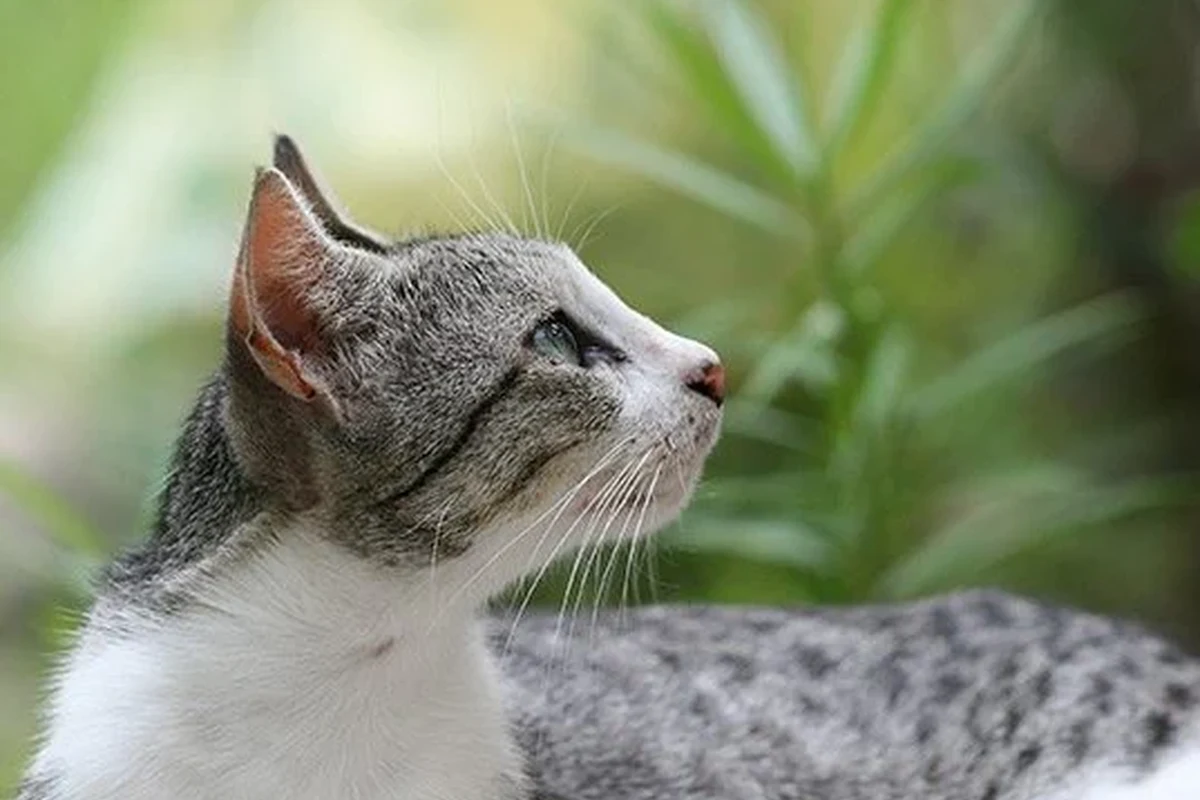
Why Do Cats Sleep So Much?
One of the most common questions cat owners ask is why their pets seem to sleep endlessly. Understanding the reasons behind this snoozing behavior can help you appreciate your feline friend’s lifestyle. In this section, we’ll explore the science of cat naps and their necessity for your cat’s health.
The Science Behind Cat Naps
Cats are known for their ability to sleep for 12 to 16 hours a day, with some breeds even sleeping up to 20 hours. This behavior is rooted in their evolutionary background as predators. Cats need to conserve energy for hunting, which is why they take frequent naps throughout the day. Understanding this behavior can help you appreciate your cat’s need for rest.
How Much Sleep Does Your Cat Actually Need?
The amount of sleep a cat requires may vary based on several factors including age, activity level, and health. Kittens and senior cats tend to sleep more than young adults. Recognizing your cat’s normal sleep patterns can help identify any potential health issues if their sleeping habits change. For related context, you may also want to read do siamese cats have health issues best guide for cat lovers.
Playtime: The Importance of Exercise and Stimulation
Play is essential for a cat’s physical and mental well-being. It helps prevent obesity, boredom, and behavioral issues. In this section, we’ll discuss the types of play cats enjoy and how to create an engaging environment for them.
Types of Play Cats Enjoy
Cats are playful creatures, and engaging them in various types of play can significantly enhance their quality of life. From interactive toys to solo activities, understanding what types of play appeal to your cat can help keep them stimulated and happy.
- Interactive play: Engage your cat with toys like feather wands or laser pointers.
- Solo play: Provide them with toys they can play with independently, such as balls or puzzle feeders.
- Environmental enrichment: Create spaces where your cat can climb, hide, and explore.
How to Create an Engaging Environment
Creating an enriching environment is vital for your cat’s mental and physical health. Cats thrive in spaces that allow them to express their natural behaviors. Here are some tips for enhancing your cat’s home environment:
Install cat trees or shelves for climbing. Provide scratching posts to satisfy their instinct to scratch. Rotate toys regularly to keep their interest piqued. This connects closely with what are the most common health problems in cats if diet or appetite is part of the issue.
Use this guide for what do cats do all day as a practical checklist, then adjust the advice to your cat’s age, health history, routine, and home environment.
Hunting Instincts: What Cats Do When They’re Alone
Cats possess a strong predatory instinct, which influences their behavior even when they are indoors. Understanding this natural instinct can provide insight into what your cat might be doing when they appear to be just lounging around. This section will explore how cats hunt and exhibit predatory behaviors.
| Behavior | Description |
|---|---|
| Stalking | Cats often mimic the stalking behavior of their wild ancestors, creeping slowly and quietly as they approach their “prey.” |
| Pouncing | This instinctual behavior involves leaping onto their target, showcasing their hunting skills and agility. |
| Chasing | Cats will engage in play that simulates hunting, such as chasing after toys or even shadows. |
| Grooming | While not a hunting behavior, grooming helps cats maintain their stealth and cleanliness, important for a successful hunt. |
Understanding the Predatory Nature of Cats
Even domesticated cats retain their hunting instincts from their wild ancestors. They may engage in stalking, pouncing, and capturing imaginary prey during playtime or even when they are alone. Understanding this behavior can help you create opportunities for your cat to express their natural instincts.
Common Signs of Hunting Behavior at Home
While you may not witness your cat hunting in the wild, they often display hunting behaviors at home. Here are some common signs: For behavior context, do black cats have more health problems can help you compare similar signs.
- Stalking and pouncing on toys or moving objects.
- Bringing you “gifts” like caught insects or small animals.
- Vocalizing or chirping when they see birds or squirrels outside.
Cats often show discomfort through small changes in appetite, litter box use, grooming, hiding, play, or body language before the problem looks obvious.
Social Interactions: How Cats Communicate with Humans and Other Pets
Cats are social animals, and their interactions with humans and other pets can vary greatly. Understanding how they communicate can enhance your relationship with your cat. In this section, we’ll discuss vocalizations, body language, and how to encourage positive interactions.
Understanding Vocalizations and Body Language
Cats use a variety of vocalizations and body language to communicate their feelings and intentions. Learning to interpret these signals can help you respond appropriately to your cat’s needs. Pay attention to their sounds and body posture to better understand them.
How to Encourage Positive Interactions
Encouraging positive interactions between you and your cat is essential for building trust and companionship. Here are some tips to foster a strong bond:
Spend quality time with your cat through play and cuddles. Respect their space when they want to be alone. Use treats and praise to reinforce positive behavior. For related context, you may also want to read do maine coon cats have health problems.
Grooming: Cats and Their Self-Care Routine
Grooming is an important part of a cat’s daily routine and is essential for their health. In this section, we will explore why grooming is crucial for your cat and how you can assist them in maintaining their grooming habits.
Why Grooming is Essential for Your Cat’s Health
Grooming helps keep a cat’s coat clean and free of tangles, while also reducing shedding and hairballs. Additionally, it allows for early detection of skin issues or parasites. Understanding the importance of grooming can help you maintain your cat’s overall health.
Signs Your Cat May Need Help with Grooming
While many cats groom themselves effectively, some may require assistance. Here are some signs that your cat might need help: For related health context, you may also want to read do tabby cats have more health issues.
- Matting or tangles in their fur.
- Excessive shedding or hairballs.
- Skin irritations or unusual odors.
- Take a short video if the behavior or symptom is hard to explain.
- Keep your cat calm and separate from stress triggers while you observe.
- Do not wait if the problem is getting worse or your cat seems distressed.
What Do Cats Do When They’re Not Sleeping? Exploring Other Activities
Aside from sleeping, cats engage in various activities that contribute to their overall well-being. This section will highlight common habits and how to monitor your cat’s daily activities.

Common Cat Habits Throughout the Day
Understanding your cat’s daily habits can provide insights into their health and happiness. Here are some activities you might observe:
Exploring their surroundings and being curious. Playing with toys or engaging in solo activities. Eating and drinking regularly.
How to Monitor Your Cat’s Daily Activities
Monitoring your cat’s activities can help you identify any changes in behavior that may indicate a health issue. Here are some ways to keep track of their daily activities: You can also use do orange cats have more health problems as a helpful next guide on the same cat-care topic.
- Keep a journal to note their playtimes and eating habits.
- Use a pet camera to observe their behavior when you’re not home.
- Be attentive to any changes in their routine.
When to Be Concerned: Signs of Stress or Illness
While many behaviors are normal for cats, certain changes can indicate stress or health issues. This section will help you recognize when to be concerned and when to consult a veterinarian.
Recognizing Changes in Behavior
Changes in your cat’s behavior can be a sign of stress or illness. Being vigilant about these changes can help catch potential health issues early. Here are some common signs to watch for:
Changes in appetite or weight. Excessive hiding or withdrawal. Altered litter box habits.
When to Call Your Veterinarian
If you notice any concerning changes in your cat’s behavior, it’s important to seek veterinary advice. Here are situations where a call to the vet is warranted: For related health context, you may also want to read do white cats have more health problems.
- Persistent vomiting or diarrhea.
- Difficulty breathing or lethargy.
- Changes in drinking habits or signs of dehydration.
Call your veterinarian promptly if signs are sudden, severe, repeated, painful, linked to appetite, breathing, urination, weight loss, or involve a kitten or senior cat.
Keeping Your Cat Healthy: Nutrition and Wellness
Nutrition plays a crucial role in your cat’s health and behavior. This section will discuss how diet influences your cat’s behavior and best practices for feeding them.
How Diet Influences Your Cat’s Behavior
The food you provide can significantly impact your cat’s energy levels and overall mood. A balanced diet ensures they receive the nutrients necessary for a healthy lifestyle. Understanding the link between diet and behavior can help enhance your cat’s quality of life.
Best Practices for Feeding Your Cat
Feeding your cat appropriately is essential for their health. Here are some best practices to consider:
Provide high-quality cat food suited to their life stage. Maintain a regular feeding schedule to create routine. Monitor portion sizes to prevent obesity. This connects closely with what are the symptoms of a cat dying if diet or appetite is part of the issue.
This guide on what do cats do all day is written for general cat-owner education. For symptoms, food safety, recalls, medication, product specifications, or urgent changes, confirm details with a veterinarian, product label, official manual, manufacturer notice, or current recall source before acting.
Creating a Safe and Stimulating Home Environment
Ensuring a safe and stimulating environment is vital for your cat’s happiness. This section will cover essential products for cat owners and dos and don’ts in cat care.
Essential Products for Cat Owners
Providing the right products can enhance your cat’s life and promote their well-being. Here are some essential items to consider:
- Quality cat food and treats.
- Safe toys for mental stimulation.
- Comfortable bedding and hiding spots.
Dos and Don’ts in Cat Care
Proper care involves knowing what to do and what to avoid. Here are some helpful tips:
Do: Regularly clean the litter box and maintain hygiene. Don’t: Use harmful chemicals or unsafe toys. Do: Schedule regular vet visits for check-ups.
What This Means for Cat Owners
Understanding what your cat does all day can greatly improve their quality of life. By catering to their natural instincts, providing appropriate stimulation, and monitoring their health, you contribute to their happiness and well-being. Make it a priority to observe their behaviors and respond to their needs.
Final Words
Cats lead fascinating lives filled with instinctual behaviors and routines. By understanding what do cats do all day, you can ensure they thrive in your home. Remember to provide a safe, engaging environment, and always stay attuned to any changes in their behavior.
🐾 Sufiya Begom's Tip: Every cat is different, so I always watch my own cats closely before assuming the worst. Small changes in appetite, grooming, or energy often mean something simple is going on — but if anything feels off for more than a day, it is always worth a quick check with your vet. Trust your instincts as a cat owner.
Frequently Asked Questions
Start with intended use, fit, verified specifications, safety instructions, care needs, and important limitations.
Start with the cat’s age, health history, home environment, safety guidance, and the main reason behind the topic.
It can vary by kitten, adult, senior cat, breed, temperament, health condition, diet, stress level, and home setup.
Check food changes, litter changes, symptoms, behavior changes, product fit, cleaning routine, and veterinarian guidance when health is involved.
A common mistake is treating every cat the same instead of considering age, health, environment, stress, and safety risks.
Contact a veterinarian if signs are sudden, severe, repeated, painful, linked to appetite, breathing, urination, weight, or involve kittens or senior cats.