
To treat cat with diarrhea, ensure they stay hydrated by providing fresh water and consider offering a bland diet like boiled chicken and rice. Monitor their condition closely, and if diarrhea persists for more than 24 hours or is accompanied by other symptoms, consult a veterinarian for further guidance.
Last updated: August 13, 2026
Dealing with a cat that has diarrhea can be a distressing experience for both you and your feline friend. Understanding how to treat a cat with diarrhea is crucial to restoring their comfort and health. This article will guide you through the causes, symptoms, and effective treatment options, ensuring you know how to take care of your cat during this uncomfortable time. You can also use how many calories should cats eat as a helpful next guide on the same cat-care topic.
- Start with the cat: Age, health, diet, behavior, and home setup change the right answer.
- Check safety first: Watch for pain, appetite changes, breathing issues, urination changes, or repeated symptoms.
- Use practical steps: Adjust routines, food, litter, grooming, play, or products slowly and safely.
- Know the limits: Cat-care advice varies by cause, product, environment, and veterinarian guidance.
Understanding Cat Diarrhea: Causes and Symptoms
Recognizing the underlying causes of diarrhea in cats is essential for effective treatment. Diarrhea can stem from various factors, including dietary issues, infections, or stress. Identifying the symptoms can help you determine the best course of action. For related health context, you may also want to read symptoms of a cat in heat.
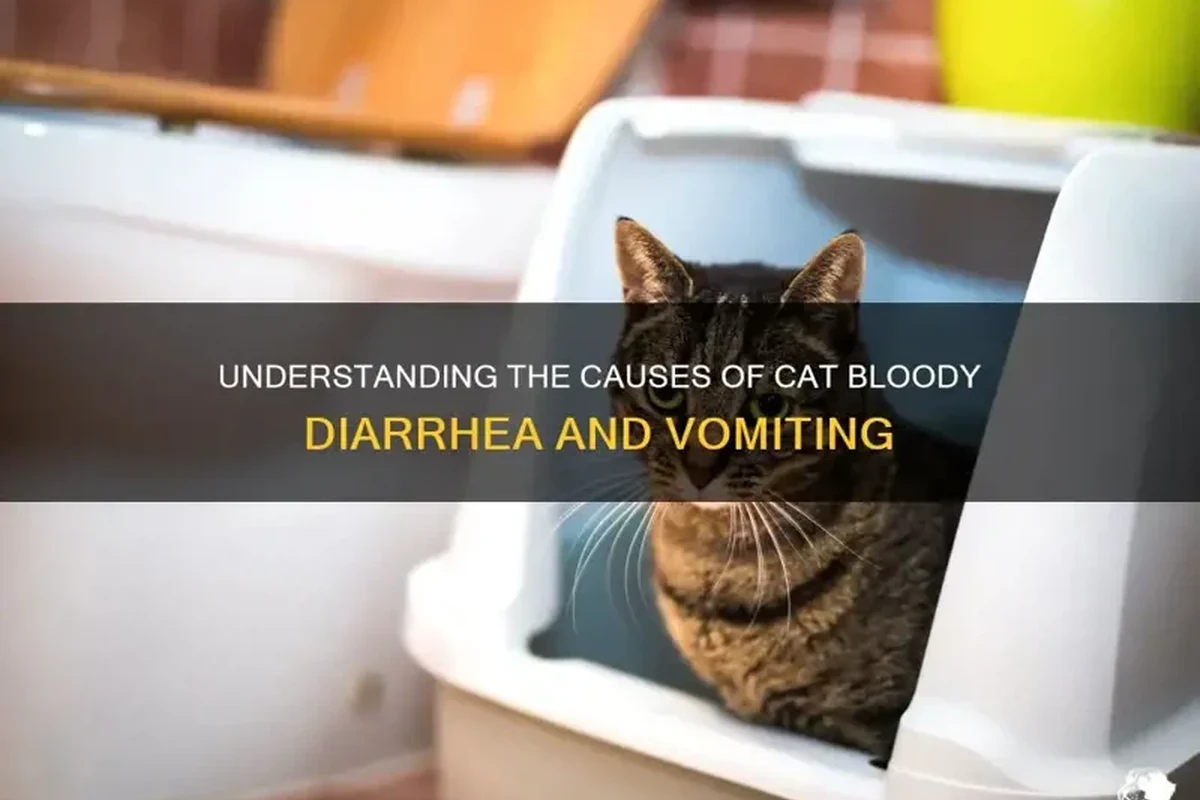
Common Causes of Diarrhea in Cats
Several factors can lead to diarrhea in cats. These may include dietary changes, food intolerances, infections, or underlying health conditions. Understanding these causes can help you address the issue more effectively. This connects closely with cat feeding amount calculator if you want to compare the topic in more detail.
- Dietary changes: Switching cat food too quickly can upset their digestive system.
- Infections: Bacterial or viral infections can result in gastrointestinal distress.
- Food intolerances: Some cats may have sensitivities to certain proteins or grains.
- Parasites: Intestinal parasites like worms can cause diarrhea and require immediate treatment.
- Stress: Changes in environment or routine can lead to stress-induced diarrhea.
Signs to Look For
In addition to diarrhea, other symptoms may indicate a more serious issue. Monitoring your cat for additional signs can help you decide when to seek veterinary assistance.
Vomiting: Frequent vomiting accompanying diarrhea may indicate a more serious condition. Loss of appetite: A decrease in food intake can lead to further health complications. Lethargy: Lack of energy or unusual behavior may signal a need for veterinary attention. Dehydration: Check for signs such as dry gums or decreased skin elasticity. For related health context, you may also want to read how to get your cat to eat dry food.
Use this guide for how to treat cat with diarrhea as a practical checklist, then adjust the advice to your cat’s age, health history, routine, and home environment.
How to Treat Cat with Diarrhea
Effective treatment for diarrhea in cats often involves dietary adjustments and monitoring. In mild cases, you may be able to manage the condition at home, but knowing when to consult a veterinarian is crucial.
Dietary Adjustments
One of the first steps in treating diarrhea is modifying your cat’s diet. This can help stabilize their digestive system and promote recovery.
- Provide a bland diet: Offer easy-to-digest foods such as boiled chicken or rice.
- Gradual reintroduction: Slowly reintroduce regular food once diarrhea subsides.
- Hydration: Ensure your cat has access to fresh water to prevent dehydration.
When to Seek Veterinary Care
While many cases of diarrhea can be treated at home, some situations require veterinary attention. It’s important to know the signs that indicate your cat may need professional help.
Persistent diarrhea: If diarrhea lasts longer than 24 hours, consult a veterinarian. Severe symptoms: Vomiting, lethargy, or blood in the stool warrant immediate attention. Chronic issues: Recurrent diarrhea may indicate an underlying health problem that needs diagnosis. This connects closely with how much dry cat food should a cat eat if you want to compare the topic in more detail.
Always consult your veterinarian before introducing home remedies to ensure they are safe for your cat.
Home Remedies for Mild Cases
In some instances, you can manage mild diarrhea at home using simple remedies. These options can help soothe your cat’s digestive system. You can also use how much should a cat eat as a helpful next guide on the same cat-care topic.
| Home Remedy | Description |
|---|---|
| Fasting | Withhold food for 12-24 hours to give the digestive system a rest. |
| Plain Rice | Introduce small amounts of plain, cooked rice to help firm up stools. |
| Pumpkin Puree | Feed a small amount of pure, canned pumpkin for added fiber. |
| Probiotics | Use cat-safe probiotics to restore gut flora balance. |
- Probiotics: These can help restore gut flora and improve digestion.
- Pumpkin: Plain canned pumpkin can help firm up stool due to its fiber content.
- Rice water: Straining boiled rice can provide a soothing liquid for your cat’s stomach.
Cats often show discomfort through small changes in appetite, litter box use, grooming, hiding, play, or body language before the problem looks obvious.
Preventing Future Episodes of Diarrhea
Prevention is key to maintaining your cat’s digestive health. Implementing some proactive measures can help minimize the risk of diarrhea occurring again.
Gradual food transitions: Always introduce new foods slowly over a week. Consistent feeding schedule: Maintain regular feeding times to reduce stress. Regular veterinary check-ups: Routine check-ups can help catch underlying issues early.
Maintaining a Stress-Free Environment
Reducing stress in your cat’s life can significantly impact their digestive health. Creating a calm environment is beneficial for their overall well-being. You can also use are there health risks with feeding a cat raw food as a helpful next guide on the same cat-behavior topic.
- Provide safe spaces: Ensure your cat has quiet areas to retreat to when feeling stressed.
- Playtime: Engaging in regular play can help alleviate stress and anxiety.
- Consistent routines: Keeping a consistent daily routine can reduce anxiety in your cat.
Stress-related diarrhea is common in cats, particularly during changes in their environment or routine.
How to Read the Signs of How to treat cat with diarrhea
how to treat cat with diarrhea should be understood as a reason to observe your cat carefully, compare signs, avoid guessing, and contact a veterinarian when symptoms are sudden, severe, repeated, painful, or linked to appetite, breathing, urination, weight, kittens, or senior cats.
Track when the sign started and how often it happens. Avoid home treatment, medication, or dosing without veterinary guidance. Use this article to prepare better questions for your veterinarian. For feeding context, you may also want to read how do i create a play area for my cat.
This guide on how to treat cat with diarrhea is written for general cat-owner education. For symptoms, food safety, recalls, medication, product specifications, or urgent changes, confirm details with a veterinarian, product label, official manual, manufacturer notice, or current recall source before acting.
Final Words
Understanding how to treat a cat with diarrhea involves recognizing symptoms, making dietary adjustments, and knowing when to seek veterinary care. By taking proactive measures, you can help ensure your feline friend remains healthy and comfortable. If symptoms persist or worsen, always consult a veterinarian for guidance.
🐾 Sufiya Begom's Tip: Every cat is different, so I always watch my own cats closely before assuming the worst. Small changes in appetite, grooming, or energy often mean something simple is going on — but if anything feels off for more than a day, it is always worth a quick check with your vet. Trust your instincts as a cat owner.
Frequently Asked Questions
Start with intended use, fit, verified specifications, safety instructions, care needs, and important limitations.
Start with the cat’s age, health history, home environment, safety guidance, and the main reason behind the topic.
It can vary by kitten, adult, senior cat, breed, temperament, health condition, diet, stress level, and home setup.
Check food changes, litter changes, symptoms, behavior changes, product fit, cleaning routine, and veterinarian guidance when health is involved.
A common mistake is treating every cat the same instead of considering age, health, environment, stress, and safety risks.
Contact a veterinarian if signs are sudden, severe, repeated, painful, linked to appetite, breathing, urination, weight, or involve kittens or senior cats.