
Cats typically prefer wet cat food textures that are pâté or chunks in gravy, as these mimic their natural prey. For flavors, they often favor chicken, fish, and beef, with many showing a strong preference for seafood varieties. Offering a variety of these textures and flavors can help cater to their preferences.
Last updated: August 23, 2026
Understanding what wet cat food textures and flavors do cats typically prefer is crucial for cat owners aiming to provide the best diet for their feline friends. Cats are known for their distinct tastes and preferences, which can greatly influence their eating habits and overall health. This article will delve into the various textures and flavors of wet cat food that appeal to cats, along with tips on how to choose the right options for your pet.
- Start with the cat: Age, health, diet, behavior, and home setup change the right answer.
- Check safety first: Watch for pain, appetite changes, breathing issues, urination changes, or repeated symptoms.
- Use practical steps: Adjust routines, food, litter, grooming, play, or products slowly and safely.
- Know the limits: Cat-care advice varies by cause, product, environment, and veterinarian guidance.
What Wet Cat Food Textures Do Cats Typically Prefer?
Texture plays a significant role in a cat’s food preference. Cats may have specific likes and dislikes pertaining to how their food feels and appears. Understanding these preferences can help you choose the right wet food that your cat will enjoy.
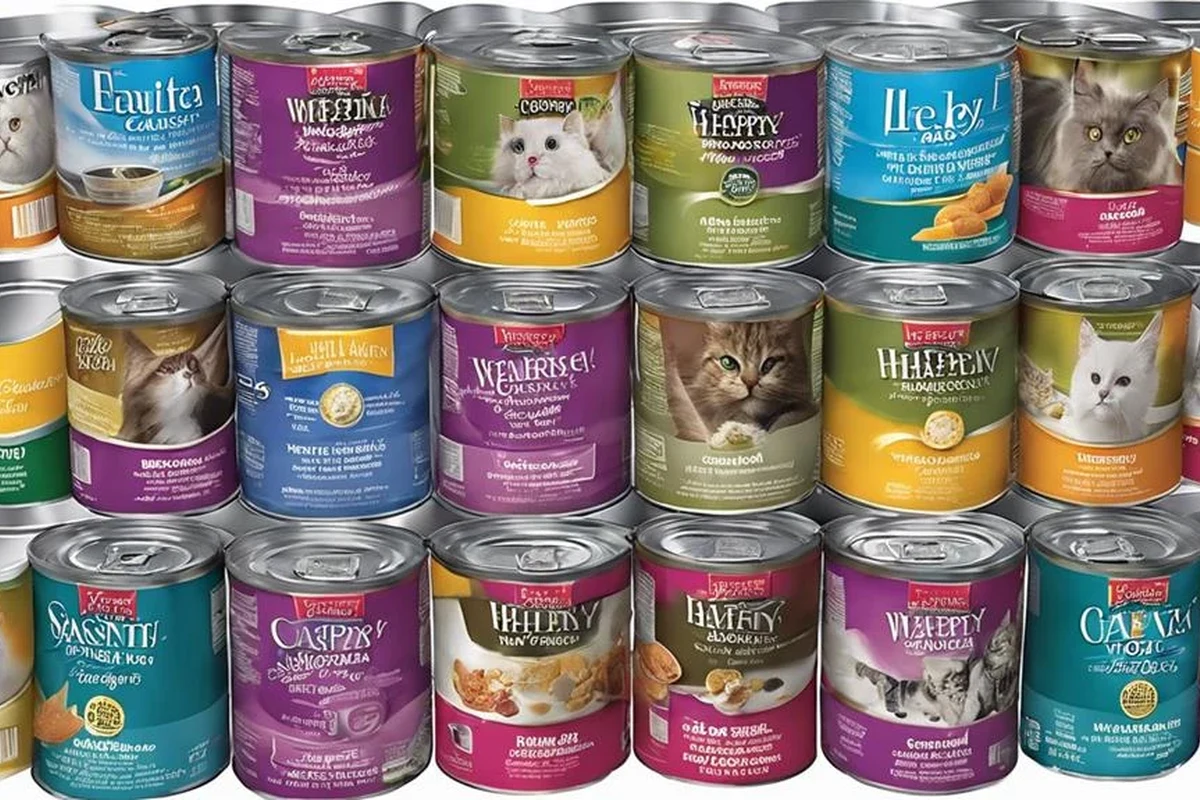
Common Textures in Wet Cat Food
Wet cat food comes in several textures, each appealing to different cats. Some common textures include pate, chunks in gravy, and shredded meat. Knowing which texture your cat prefers can make mealtime more enjoyable for them. For feeding context, you may also want to read what are meat by products in cat food.
- Pate: A smooth, uniform texture that is easy to eat, especially for older cats or those with dental issues.
- Chunks in Gravy: Featuring larger pieces of meat surrounded by a flavorful gravy, this texture can entice cats who enjoy chewing.
- Shredded Meat: This texture mimics the natural way cats would eat in the wild, appealing to their instinctual feeding behaviors.
Experimenting with different textures can help you discover what your cat enjoys most. For more insights on the benefits of wet vs. dry food, check out our article on is wet food better for cat health.
Use this guide for what wet cat food textures and flavors do cats typically prefer? as a practical checklist, then adjust the advice to your cat’s age, health history, routine, and home environment.
Popular Flavors of Wet Cat Food
Flavors are just as important as texture when it comes to cat food. Cats tend to have specific taste preferences based on their genetics and previous experiences. The most popular flavors include chicken, fish, and beef.
Flavor Preferences in Cats
Understanding your cat’s flavor preferences can greatly influence their eating habits. Here are some of the most commonly preferred flavors:
Chicken: A favorite among many cats, chicken is often a primary ingredient in wet food. Fish: Flavors like tuna and salmon are particularly appealing to cats, likely due to their strong aroma. Beef: While not as commonly preferred as chicken or fish, some cats enjoy beef-flavored wet food. how to get your cat to eat dry food is a useful related read on this.
It’s always best to introduce new flavors gradually to avoid digestive upset. For additional insights into common food preferences, consider our guide on 10 facts about cats.
Cats often show discomfort through small changes in appetite, litter box use, grooming, hiding, play, or body language before the problem looks obvious.
Understanding Your Cat’s Individual Preferences
Each cat is unique, and their preferences can vary significantly. Factors such as breed, age, and previous experiences can all influence what textures and flavors your cat may prefer.
| Texture | Flavor |
|---|---|
| Pâté | Chicken |
| Chunks in Gravy | Salmon |
| Shredded | Tuna |
| Mousse | Beef |
How to Determine Your Cat’s Preferences
Getting to know your cat’s individual tastes can take some time. Here are a few strategies to help you understand what they might enjoy: This connects closely with what is the most common cause of death in cats if you want to compare the topic in more detail.
- Observe Eating Habits: Pay attention to how your cat reacts to different textures and flavors during feeding time.
- Mix It Up: Offer a variety of textures and flavors to see which ones your cat gravitates towards.
- Consult Your Veterinarian: If your cat has specific dietary needs or health concerns, your vet can provide valuable advice on food choices.
For more detailed information on health-related food choices, refer to our article on health risks of feeding a cat raw food.
- Introduce one food change at a time.
- Measure portions instead of free-guessing amounts.
- Store food tightly sealed and discard anything that smells stale.
The Influence of Age and Health on Food Preferences
A cat’s age and health status can significantly impact their food preferences. Kittens, adults, and senior cats often have different nutritional needs and preferences.
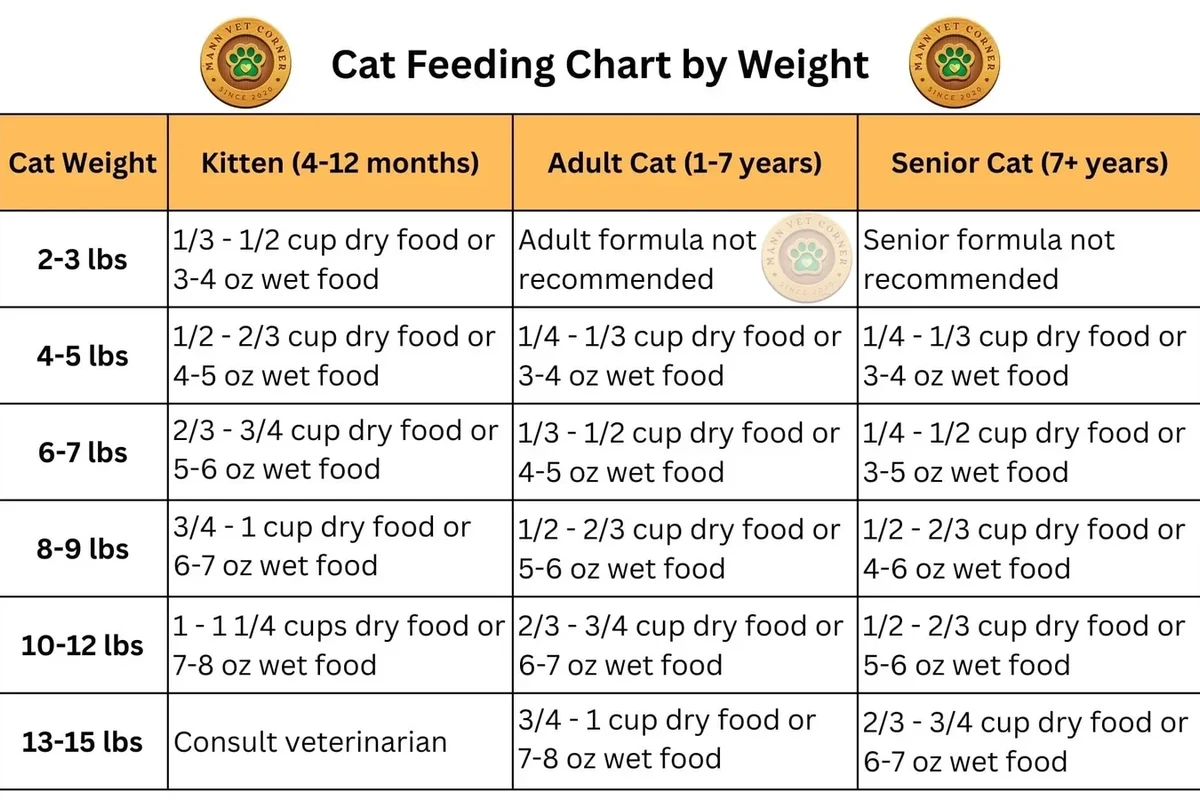
Age-Related Preferences
Understanding how age affects your cat’s food choices is essential for their health and well-being. Here’s a brief overview:
Kittens: Generally prefer softer textures that are easy to chew as they transition from nursing. Adult Cats: May enjoy a variety of textures and flavors, but it’s crucial to maintain a balanced diet. Senior Cats: Often prefer softer food that is easier to eat due to dental issues.
To learn more about how to cater to your cat’s needs at different life stages, visit our article on how much dry cat food a cat should eat.
Ask your veterinarian before changing food for kittens, senior cats, pregnant cats, cats with chronic disease, or cats with repeated vomiting, diarrhea, weight loss, or appetite changes.
Combining Textures and Flavors for Optimal Enjoyment
Combining different textures and flavors can enhance your cat’s mealtime experience. This approach can also help ensure they receive a balanced diet with various nutrients.
How to Mix Textures and Flavors
Here are some tips for effectively combining textures and flavors in your cat’s diet:
- Layering: Try layering different types of wet food to create a varied texture experience.
- Mixing Brands: Some brands offer unique combinations; mixing different brands can provide variety in both flavor and texture.
- Transitioning Slowly: Always introduce new textures or flavors gradually to prevent digestive issues.
For more information on transitioning your cat to new food, refer to our article on changing cat food and behavior.
This guide on what wet cat food textures and flavors do cats typically prefer? is written for general cat-owner education. For symptoms, food safety, recalls, medication, product specifications, or urgent changes, confirm details with a veterinarian, product label, official manual, manufacturer notice, or current recall source before acting.
What What wet cat food textures and flavors do cats typically prefer? Means for Feeding Time
what wet cat food textures and flavors do cats typically prefer? is mainly about matching the food or feeding choice to your cat’s life stage, digestion, health history, and routine. Labels, ingredients, transition speed, and veterinary advice matter more than one-size-fits-all rules.
Check the label and life-stage suitability before changing food. Transition slowly unless your veterinarian says otherwise. Watch appetite, stool, vomiting, skin, coat, and energy changes.
Final Words
Choosing the right wet cat food involves understanding what wet cat food textures and flavors do cats typically prefer. By observing your cat’s reactions to different textures and flavors, you can make informed choices that enhance their mealtime experience. Remember, every cat is unique, so take the time to experiment with various options to find the best fit for your furry friend.
🐾 Sufiya Begom's Tip: Every cat is different, so I always watch my own cats closely before assuming the worst. Small changes in appetite, grooming, or energy often mean something simple is going on — but if anything feels off for more than a day, it is always worth a quick check with your vet. Trust your instincts as a cat owner.
Frequently Asked Questions
Start with intended use, fit, verified specifications, safety instructions, care needs, and important limitations.
Start with the cat’s age, health history, home environment, safety guidance, and the main reason behind the topic.
It can vary by kitten, adult, senior cat, breed, temperament, health condition, diet, stress level, and home setup.
Check food changes, litter changes, symptoms, behavior changes, product fit, cleaning routine, and veterinarian guidance when health is involved.
A common mistake is treating every cat the same instead of considering age, health, environment, stress, and safety risks.
Contact a veterinarian if signs are sudden, severe, repeated, painful, linked to appetite, breathing, urination, weight, or involve kittens or senior cats.