
Yes, adding fiber to a cat’s diet can significantly enhance digestion and overall health. Incorporating fiber-rich foods can help alleviate common digestive issues in cats.
Last updated: October 9, 2026
Adding fiber to your cat’s diet is essential for maintaining good health and digestion. Many cat owners wonder how to add fiber to cat diet to help alleviate common digestive issues such as constipation. This article explores practical ways to incorporate fiber into your cat’s meals, the benefits of fiber, and tips to ensure your feline friend stays healthy. This connects closely with are there health risks with feeding a cat raw food if you want to compare the topic in more detail.
- Fiber Benefits: Supports healthy digestion and can prevent constipation.
- Natural Sources: Pumpkin, green beans, and oatmeal are excellent fiber additions.
- Commercial Options: Many cat foods are available that are specifically formulated to be high in fiber.
- Monitor Intake: Gradually introduce fiber to avoid digestive upset.
Understanding the Importance of Fiber in a Cat’s Diet
Fiber plays a crucial role in the digestive health of cats. It helps regulate bowel movements, can prevent constipation, and even aids in weight management. In addition to these benefits, fiber can also help to keep your cat feeling full longer, which is particularly useful for those prone to overeating. See how to check if your cat has a health problem for more on how food fits into this.
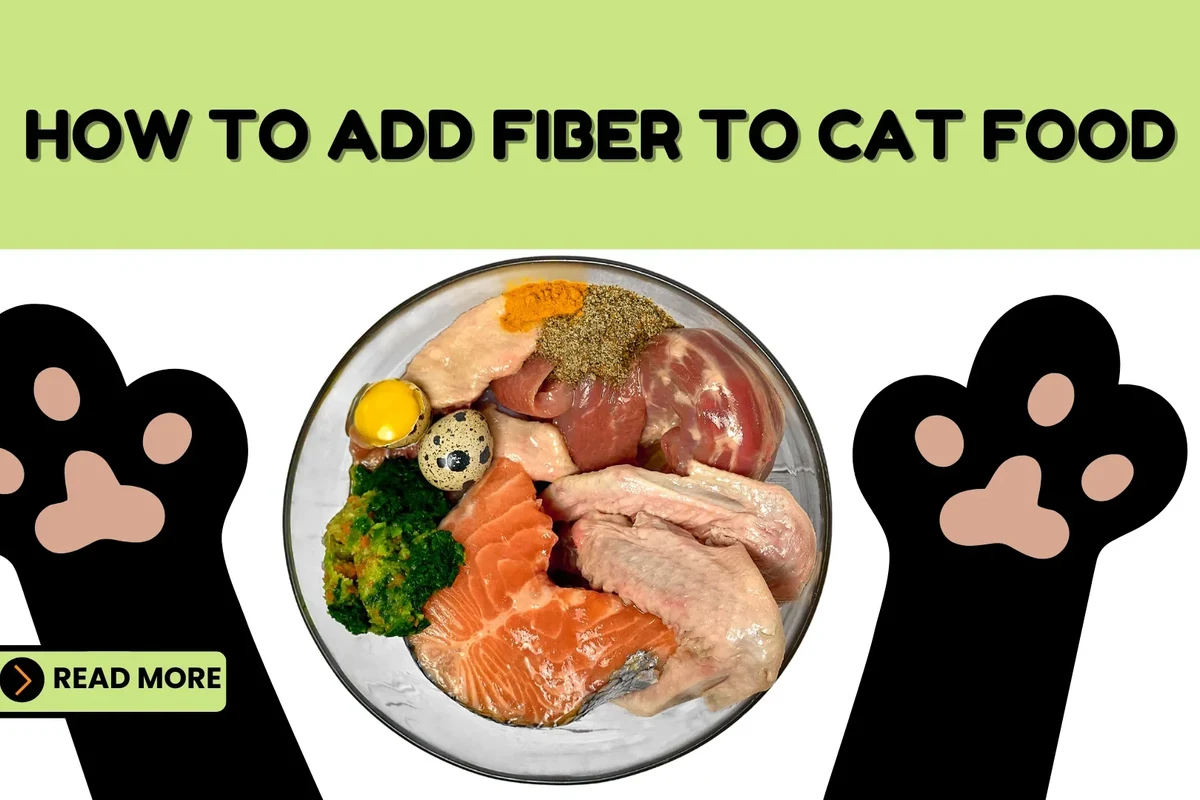
Types of Fiber
There are two main types of dietary fiber: soluble and insoluble. Each type serves different functions in a cat’s digestive system. Soluble fiber dissolves in water and can help manage blood sugar levels, while insoluble fiber adds bulk to the stool, aiding the passage of waste through the intestines. is wet food better for cat health is a useful related read on this.
- Note when the sign started and what changed at home.
- Watch appetite, water intake, litter box use, breathing, pain, and energy.
- Call a veterinarian for sudden, severe, repeated, painful, or worsening signs.
How to Add Fiber to Cat Diet
Incorporating fiber into your cat’s diet can be done in several ways. Whether through commercial cat foods or natural sources, it’s important to choose options that best suit your cat’s needs. For feeding context, you may also want to read is royal canin good for cat health.
Commercial High-Fiber Cat Foods
Many pet food manufacturers offer specialized high-fiber diets designed for cats. These foods are formulated to meet the specific nutritional needs of felines while ensuring they receive adequate fiber. Look for products that list fiber content on the packaging to make informed choices.
Natural Sources of Fiber
Adding natural sources of fiber can also be beneficial. Foods such as canned pumpkin, green beans, and oatmeal are excellent options. These can be mixed into your cat’s regular food. Always introduce new foods slowly to avoid digestive upset. See how to prevent obesity in cats for better health for a closer look at a related side of this topic.
| Option | Best For | What to Check |
|---|---|---|
| Canned Pumpkin | Constipation relief | Ensure it’s pure pumpkin, not pumpkin pie filling. |
| Green Beans | Weight management | Cooked and cut into small pieces. |
| Oatmeal | Digestive health | Cooked and mixed with regular food. |
Use this guide for how to add fiber to cat diet as a practical checklist, then adjust the advice to your cat’s age, health history, routine, and home environment.
Monitoring Your Cat’s Response
Once you begin adding fiber to your cat’s diet, it’s essential to monitor their response. Look for changes in bowel movements, appetite, and overall energy levels. This will help you determine if the new dietary adjustments are beneficial or if further changes are needed. For related context, you may also want to read how much does a vet visit cost for a cat health checkup.
| Observation | What to Monitor |
|---|---|
| Bowel Movements | Frequency, consistency, and color |
| Appetite | Changes in eating habits or food preferences |
| Energy Levels | Overall activity and behavior changes |
| Signs of Discomfort | Vocalization, hiding, or excessive grooming |
Be patient when introducing new fiber sources. Gradually increase the amount to avoid gastrointestinal upset.
Common Mistakes to Avoid
While adding fiber can be beneficial, there are common mistakes that pet owners should avoid. Overloading your cat with fiber too quickly can lead to digestive problems. For related safety context, compare this with how much is a health check for a cat.
- Introducing multiple new fiber sources at once.
- Forgetting to monitor your cat’s reactions.
- Assuming all human foods are safe for cats.
Cats often show discomfort through small changes in appetite, litter box use, grooming, hiding, play, or body language before the problem looks obvious.
How to Read the Signs of How to add fiber to cat diet
how to add fiber to cat diet should be understood as a reason to observe your cat carefully, compare signs, avoid guessing, and contact a veterinarian when symptoms are sudden, severe, repeated, painful, or linked to appetite, breathing, urination, weight, kittens, or senior cats. For feeding context, you may also want to read how much is a health certificate for a cat.
- Track when the sign started and how often it happens.
- Avoid home treatment, medication, or dosing without veterinary guidance.
- Use this article to prepare better questions for your veterinarian.
This guide on how to add fiber to cat diet is written for general cat-owner education. For symptoms, food safety, recalls, medication, product specifications, or urgent changes, confirm details with a veterinarian, product label, official manual, manufacturer notice, or current recall source before acting.
Final Words
Incorporating fiber into your cat’s diet can significantly improve their digestive health and overall wellbeing. By understanding the types of fiber available and how to add it safely, you can help your feline friend lead a longer, healthier life. Always consult with your veterinarian before making significant dietary changes to ensure that you are meeting your cat’s individual health needs.
🐾 Sufiya Begom's Tip: Every cat is different, so I always watch my own cats closely before assuming the worst. Small changes in appetite, grooming, or energy often mean something simple is going on — but if anything feels off for more than a day, it is always worth a quick check with your vet. Trust your instincts as a cat owner.
Frequently Asked Questions
Adding fiber helps regulate digestion, prevents constipation, and can assist in weight management.
Yes, foods like pumpkin and green beans are safe and beneficial for cats when given in moderation.
A general guideline is 1-5% of your cat’s diet should be fiber, but consult your vet for personalized advice.
Signs include difficulty defecating, hairballs, and excessive grooming due to digestive discomfort.
Yes, too much fiber can lead to diarrhea and nutritional deficiencies, so it’s essential to increase fiber gradually.
Watch for signs such as constipation, hairballs, or irregular bowel movements. If you notice these issues, consider increasing fiber intake.