
Feed canned cat food in measured portions according to your cat’s weight and dietary needs. Ensure the food is at room temperature, and serve it in a clean bowl. Monitor your cat’s reaction and adjust the quantity as needed for a happy and healthy pet.
Last updated: July 14, 2026
Feeding your cat is more than just a routine; it’s vital for their overall health and happiness. Understanding how to feed canned cat food properly can make a significant difference in your pet’s well-being. This article will guide you through the benefits of canned food, the right serving sizes, how to transition your cat to this diet, and much more to ensure your feline friend thrives.
- Start with the cat: Age, health, diet, behavior, and home setup change the right answer.
- Check safety first: Watch for pain, appetite changes, breathing issues, urination changes, or repeated symptoms.
- Use practical steps: Adjust routines, food, litter, grooming, play, or products slowly and safely.
- Know the limits: Cat-care advice varies by cause, product, environment, and veterinarian guidance.
How to Feed Canned Cat Food for a Happy and Healthy Pet
Feeding canned cat food can provide numerous benefits for your pet, including hydration, better digestion, and a more palatable diet. Understanding these benefits will help cat owners make informed decisions about their cat’s nutrition. In this section, we’ll delve into why canned food can be a great choice for your cat.
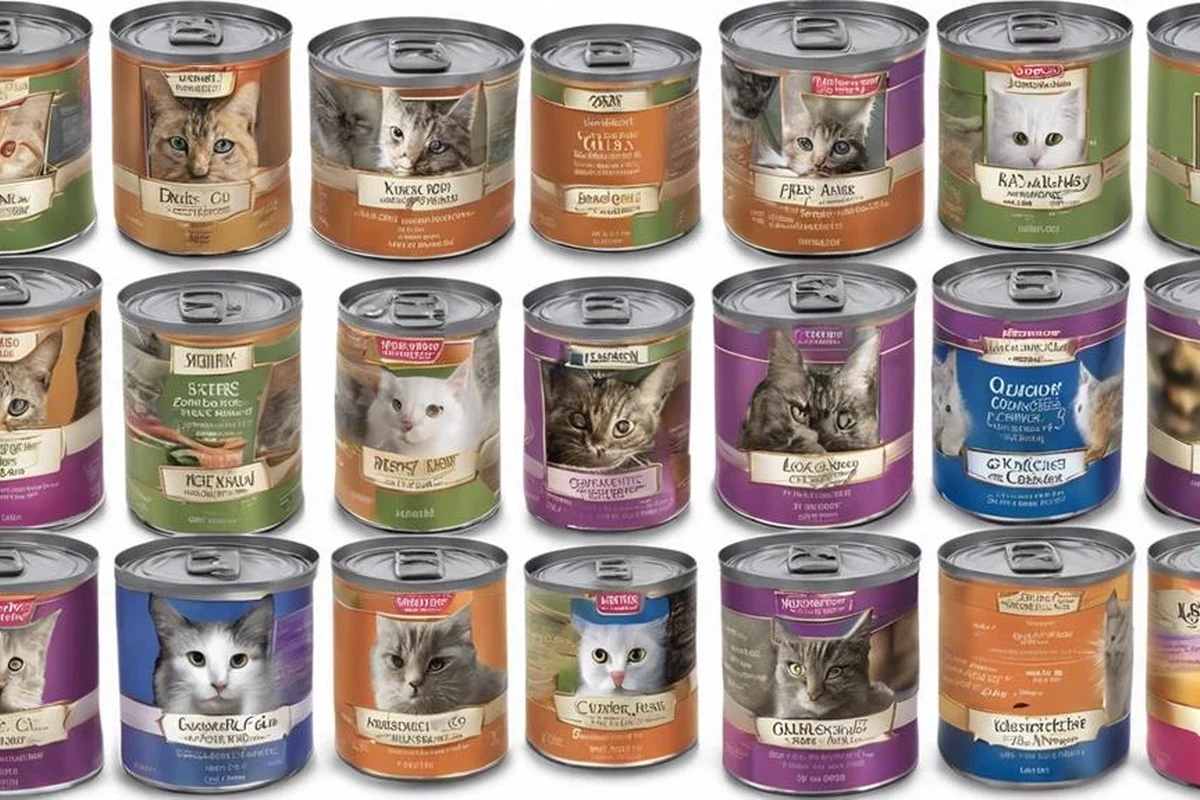
Understanding the Benefits of Canned Cat Food
Canned cat food offers various advantages that contribute to your cat’s health. Being high in moisture content, it helps keep your cat hydrated, which is especially important for cats that may not drink enough water. Additionally, canned food often contains higher protein levels and fewer carbohydrates, aligning more closely with a cat’s natural diet.
- Hydration: Canned food has a high water content, which aids in hydration.
- Better Digestion: The softness of canned food makes it easier for cats to digest.
- Palatability: Many cats find canned food more appealing than dry kibble.
- Variety: Canned food comes in numerous flavors and textures, appealing to picky eaters.
The Right Amount of Canned Cat Food: Serving Sizes Explained
Understanding the appropriate serving size for your cat is crucial for maintaining a healthy weight and overall well-being. This section will provide guidance on how much canned food to serve based on your cat’s age, weight, and activity level.
Generally, the recommended serving size can vary depending on your cat’s weight and the calorie content of the food. A good rule of thumb is about 20 calories per pound of your cat’s body weight per day. This can help you determine how much canned food is appropriate for your pet. For feeding context, you may also want to read is wet food better for cat health.
| Cat Weight (lbs) | Daily Canned Food (oz) | Approx. Calories |
|---|---|---|
| 5 | 3-5 oz | 150-200 |
| 10 | 5-7 oz | 250-350 |
| 15 | 7-10 oz | 350-450 |
| 20 | 10-12 oz | 450-600 |
Use this guide for how to feed canned cat food as a practical checklist, then adjust the advice to your cat’s age, health history, routine, and home environment.
How to Transition Your Cat to Canned Food
Transitioning your cat to canned food can be a delicate process. It’s important to do this gradually to avoid upsetting your cat’s digestive system. In this section, we’ll explore the signs that indicate your cat is ready for canned food and common mistakes to avoid during the transition.
Signs Your Cat is Ready for Canned Food
Recognizing whether your cat is ready to switch to canned food can help ensure a smoother transition. Look for the following signs, which may indicate that your cat would benefit from a diet change:
Picky Eating: If your cat is becoming less interested in dry food, it might be time to try canned options. Weight Management: If your cat is overweight, a high-protein canned diet might help. Health Issues: Cats with certain health problems may benefit from the moisture and nutrition found in canned food.
Common Mistakes When Introducing Canned Food
While introducing canned food, many owners make mistakes that can hinder the transition. Awareness of these pitfalls can save you time and stress. Here are some common errors to avoid: This also connects with are there health risks with feeding a cat raw food if you want to avoid a similar cat-care mistake.
- Too Fast of a Transition: Switching too quickly can lead to digestive upset. Gradually mix canned food with dry food over several days.
- Neglecting Variety: Sticking to one flavor can bore your cat. Rotate flavors to keep their interest piqued.
- Ignoring Portion Sizes: Overfeeding can lead to weight gain. Always measure portions according to your cat’s weight.
Feeding Techniques: How to Serve Canned Cat Food
Feeding techniques can significantly impact how well your cat accepts and enjoys their canned food. This section discusses best practices for serving canned food and how to store any leftovers safely.
| Feeding Technique | Description |
|---|---|
| Warm It Up | Gently heat canned food to enhance aroma and palatability. |
| Mix with Dry Food | Combine canned food with dry food to add variety and texture. |
| Use an Appropriate Bowl | Serve food in a shallow bowl to make it easier for cats to eat. |
| Store Leftovers Properly | Seal and refrigerate leftover food immediately to maintain freshness. |
Best Practices for Serving Canned Food
Properly serving canned food can enhance your cat’s eating experience. Here are some best practices to consider:
Serve at Room Temperature: Cats often prefer food that is not too cold. Allow canned food to sit out for a few minutes before serving. Use Clean Bowls: Always serve food in clean bowls to prevent contamination and ensure your cat’s health. Watch for Preferences: Some cats prefer the food pureed, while others like it chunky. Experiment to see what your cat prefers.
How to Store Leftover Canned Cat Food Safely
Storing leftover canned food properly is essential to prevent spoilage. Here are some tips for safe storage: For feeding context, you may also want to read how much does a vet visit cost for a cat health checkup.
- Refrigerate Promptly: Any uneaten canned food should be refrigerated within two hours of serving.
- Seal Tightly: Use an airtight container or tightly cover the can with plastic wrap to minimize exposure to air.
- Use Within a Few Days: Consume refrigerated leftovers within three days to ensure freshness.
Cats often show discomfort through small changes in appetite, litter box use, grooming, hiding, play, or body language before the problem looks obvious.
Monitoring Your Cat’s Health: What to Watch For
As you transition and feed your cat canned food, it’s important to monitor their health for any changes. This section will outline the signs of allergic reactions or food sensitivities and how to understand your cat’s behavior around food.
Signs of Allergic Reactions or Food Sensitivities
Food allergies or sensitivities can manifest in various ways. Being vigilant about your cat’s reactions is crucial. Here are some signs to watch for:
Skin Irritation: Look for redness, itching, or excessive grooming. Gastrointestinal Issues: Diarrhea, vomiting, or flatulence can indicate food sensitivities. Behavioral Changes: If your cat becomes withdrawn or agitated, it could signal discomfort related to their diet.
Understanding Your Cat’s Behavior Around Food
Paying attention to how your cat interacts with their food can provide insights into their preferences and health. Look for these behavioral cues: This connects closely with how much is a health check for a cat if diet or appetite is part of the issue.
- Eating Habits: Is your cat eating eagerly or showing disinterest? Changes can indicate dissatisfaction or health issues.
- Food Guarding: If your cat guards their food, it may suggest anxiety or competition with household pets.
- Food Preferences: Note if your cat prefers certain flavors or textures; this can help with future feeding decisions.
- Take a short video if the behavior or symptom is hard to explain.
- Keep your cat calm and separate from stress triggers while you observe.
- Do not wait if the problem is getting worse or your cat seems distressed.
What This Means for Cat Owners
Understanding how to feed canned cat food effectively is essential for promoting a happy and healthy feline companion. By recognizing the benefits, serving sizes, and monitoring your cat’s reactions, you can ensure they receive a balanced and enjoyable diet. This not only supports their physical health but also strengthens the bond between you and your pet. This connects closely with how much is a health certificate for a cat if you want to compare the topic in more detail.
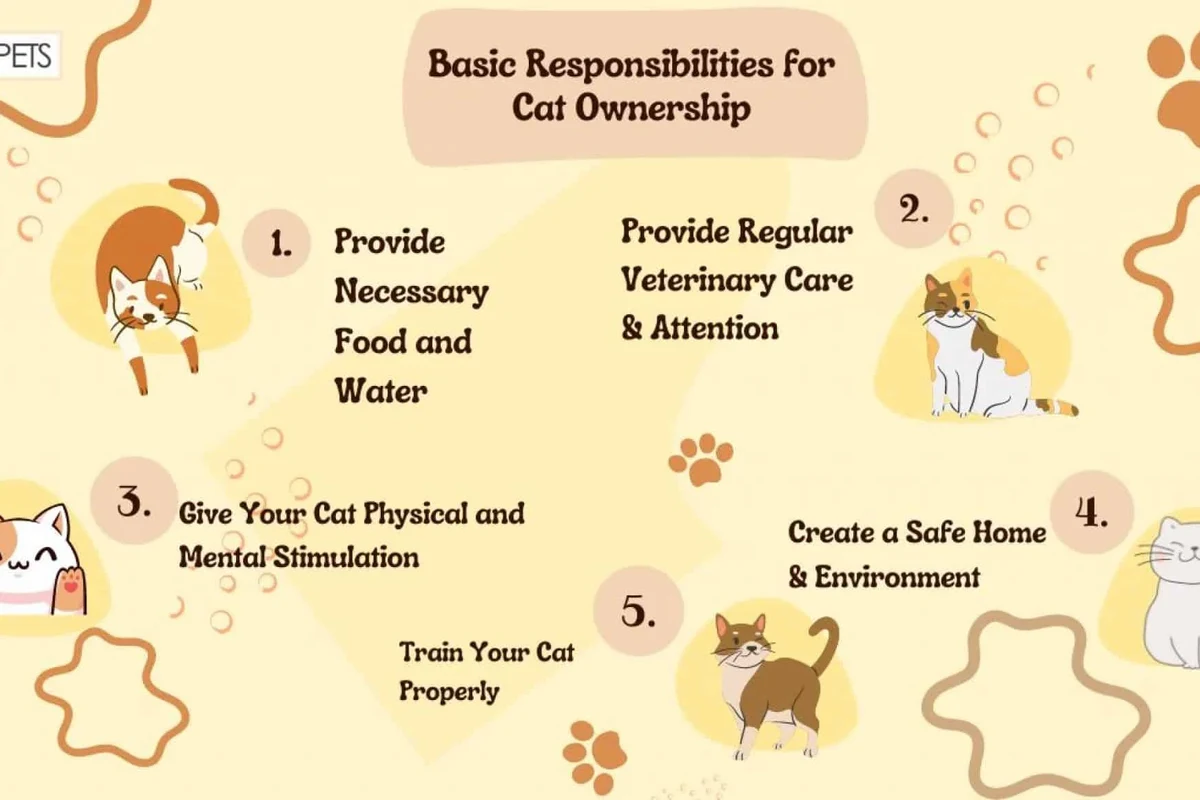
Call your veterinarian promptly if signs are sudden, severe, repeated, painful, linked to appetite, breathing, urination, weight loss, or involve a kitten or senior cat.
Feeding Kittens vs. Senior Cats: Adjusting for Age
Kittens and senior cats have different nutritional requirements, and it’s essential to adjust their canned food accordingly. This section provides insights into the specific needs of kittens and senior cats when it comes to canned food.
Nutritional Needs of Kittens on Canned Food
Kittens require a diet rich in protein and fat to support their rapid growth and development. When choosing canned food for kittens, ensure it meets the following criteria:
High Protein Content: Look for canned food that contains at least 30% protein to support healthy muscle development. Essential Nutrients: Ensure the food includes DHA for brain development and growth. Small Portions: Kittens may need to eat smaller, more frequent meals throughout the day.
Seniors: Special Considerations for Feeding
As cats age, their dietary needs change. Senior cats may require different nutrients to maintain their health. Consider these factors when feeding canned food to older cats: This connects closely with how to check if your cat has a health problem if diet or appetite is part of the issue.
- Lower Caloric Needs: Senior cats are often less active, so a lower-calorie diet may be beneficial to prevent obesity.
- Joint Support: Look for canned food that includes ingredients like glucosamine and omega fatty acids to support joint health.
- Hydration Needs: Older cats are more prone to dehydration, making canned food a good choice to ensure they stay hydrated.
Choosing the Right Canned Cat Food: What to Look For
Choosing the right canned cat food can be overwhelming with so many options available. This section will help you identify what to look for in quality canned food and ingredients to avoid.
Ingredients to Avoid in Canned Cat Food
Being aware of harmful ingredients can help you make informed choices when selecting canned cat food. Here are some ingredients to avoid:
Artificial Preservatives: Stay away from BHA, BHT, and ethoxyquin, which can be harmful over time. Meat By-products: Look for whole meats as the first ingredient instead of by-products. Excessive Fillers: Ingredients like corn and soy can contribute little nutritional value and may cause allergies.
Reading Labels: Understanding Nutritional Information
Understanding how to read pet food labels can empower you to choose the best options for your cat. Focus on the following aspects of the label: For feeding context, you may also want to read how to prevent obesity in cats for better health.
- Guaranteed Analysis: Check protein, fat, fiber, and moisture content to ensure it meets your cat’s needs.
- Ingredient List: Ingredients are listed in order of weight. The first few should ideally be high-quality protein sources.
- AAFCO Statement: Look for an AAFCO statement indicating that the food meets nutritional standards for your cat’s life stage.
This guide on how to feed canned cat food is written for general cat-owner education. For symptoms, food safety, recalls, medication, product specifications, or urgent changes, confirm details with a veterinarian, product label, official manual, manufacturer notice, or current recall source before acting.
Helpful Tools and Accessories for Feeding Canned Food
Having the right tools can enhance your experience when feeding canned cat food. This section discusses essential supplies and cleanliness tips for feeding your cat.
Essential Feeding Supplies for Your Cat
Investing in the right feeding supplies can make mealtime more enjoyable for both you and your cat. Here are some essentials to consider:
High-Quality Bowls: Look for stainless steel or ceramic bowls that are easy to clean and won’t harbor bacteria. Food Storage Containers: Airtight containers can help keep your cat’s food fresh and prevent spoilage. Measuring Cups: Use measuring cups to ensure you are serving the correct portion sizes for your cat.
Maintaining Cleanliness: Cleaning Feeding Areas
Keeping your cat’s feeding area clean is essential for their health. Here are some tips for maintaining cleanliness: This connects closely with how do i create a play area for my cat if diet or appetite is part of the issue.
- Regularly Wash Bowls: Clean food and water bowls daily with hot, soapy water to prevent the buildup of bacteria.
- Wipe Down Surfaces: Regularly clean the area around your cat’s feeding station to remove any spilled food or water.
- Monitor for Pests: Keep an eye out for pests that may be attracted to spilled food, and clean up promptly.
Final Words
Feeding canned cat food can lead to a healthier, happier pet if done correctly. By understanding the benefits, making gradual transitions, monitoring health, and choosing quality food, you can help your cat thrive. Keep these tips in mind, and you’ll set your feline friend up for success.
🐾 Sufiya Begom's Tip: Every cat is different, so I always watch my own cats closely before assuming the worst. Small changes in appetite, grooming, or energy often mean something simple is going on — but if anything feels off for more than a day, it is always worth a quick check with your vet. Trust your instincts as a cat owner.
Frequently Asked Questions
Start with intended use, fit, verified specifications, safety instructions, care needs, and important limitations.
Start with the cat’s age, health history, home environment, safety guidance, and the main reason behind the topic.
It can vary by kitten, adult, senior cat, breed, temperament, health condition, diet, stress level, and home setup.
Check food changes, litter changes, symptoms, behavior changes, product fit, cleaning routine, and veterinarian guidance when health is involved.
A common mistake is treating every cat the same instead of considering age, health, environment, stress, and safety risks.
Contact a veterinarian if signs are sudden, severe, repeated, painful, linked to appetite, breathing, urination, weight, or involve kittens or senior cats.