
Cats are relatively clean animals, often grooming themselves multiple times a day. However, how dirty are cats can vary depending on their environment, shedding, and litter box habits, leading to potential allergens and odors in your home.
Last updated: July 14, 2026
Many cat owners often wonder how dirty are cats and what that means for their homes. While cats are known for their grooming habits, they can still carry dirt, allergens, and odors that can affect your living space. Understanding their hygiene behaviors and the factors that influence their cleanliness is crucial for maintaining a healthy environment for both you and your feline friend. This article delves into the grooming habits of cats, how their cleanliness impacts your home, and practical tips for keeping your cat and your living space clean.
- Start with the cat: Age, health, diet, behavior, and home setup change the right answer.
- Check safety first: Watch for pain, appetite changes, breathing issues, urination changes, or repeated symptoms.
- Use practical steps: Adjust routines, food, litter, grooming, play, or products slowly and safely.
- Know the limits: Cat-care advice varies by cause, product, environment, and veterinarian guidance.
How Dirty Are Cats? Understanding Their Hygiene Habits
Cats are generally considered clean animals, but they are not entirely free from dirt and other contaminants. Their grooming rituals play a significant role in maintaining their hygiene, yet various factors can influence how dirty they may become. This section explores the cleanliness levels of cats and how their grooming behaviors contribute to their overall hygiene. For related context, you may also want to read how much does a vet visit cost for a cat health checkup.
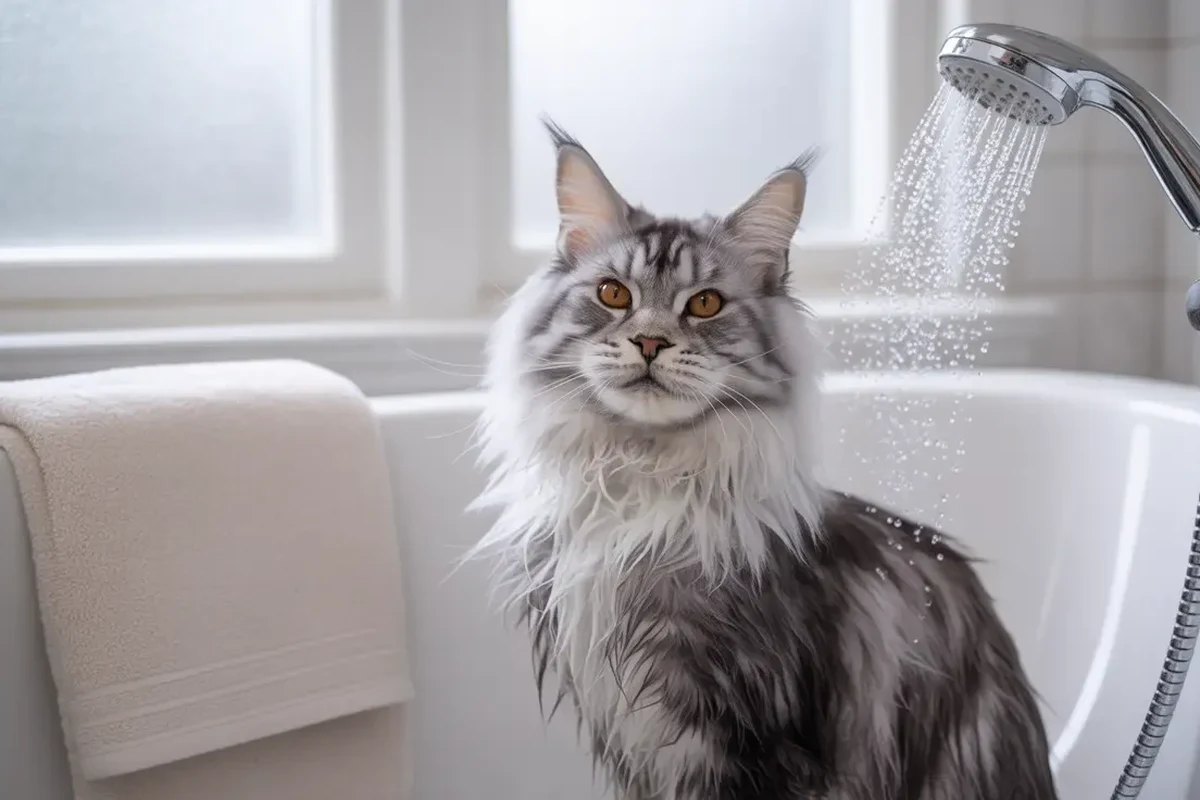
Regular grooming and cleaning can significantly reduce allergens and odors in your home.
The Biological Reality of Cat Grooming
Understanding how cats groom themselves helps explain their hygiene levels. Cats possess unique biological features that enable them to keep themselves relatively clean. However, their grooming habits also come with certain limitations that can affect their cleanliness.
Do Cats Clean Themselves? The Science Behind Their Grooming Behavior
Cats spend a significant portion of their day grooming themselves. This behavior not only helps remove dirt and debris but also regulates their body temperature and distributes natural oils in their fur. Understanding this behavior provides insights into why cats may still carry dirt despite their self-cleaning habits.
Common Misconceptions About Cat Cleanliness
Many people believe that cats are entirely self-sufficient when it comes to cleanliness. However, misconceptions abound regarding their grooming efficacy and the factors that can lead to poor hygiene. It’s essential to differentiate between a cat’s natural behaviors and the potential need for human intervention. This connects closely with how to improve your cats joint health if you want to compare the topic in more detail.
Factors That Influence a Cat’s Cleanliness
Several factors can affect how clean a cat remains, including age, diet, and health conditions. By understanding these influences, cat owners can take proactive steps to ensure their pets maintain optimal hygiene.
Age and Its Impact on Grooming Habits
A cat’s age plays a significant role in its grooming habits. Kittens may not groom as effectively as adult cats, while older cats may struggle due to physical limitations. Recognizing these age-related changes can help owners adapt their care routines accordingly.
Diet and Its Role in Cat Hygiene
The food a cat consumes can affect its overall health and grooming behavior. A balanced diet contributes to healthy skin and fur, while poor nutrition may lead to issues that can impact cleanliness. Understanding your cat’s dietary needs is essential for promoting good hygiene.
Health Conditions That Affect Grooming
Some health issues can hinder a cat’s ability to groom effectively. Conditions like obesity, arthritis, or dental problems can make it challenging for cats to maintain their grooming routines. Identifying these health concerns early can help ensure your cat stays clean and healthy. For related health context, you may also want to read how to prevent obesity in cats for better health.
| Factor | Impact on Grooming | What to Check |
|---|---|---|
| Age | Younger and older cats may groom less effectively. | Monitor grooming frequency and thoroughness. |
| Diet | Nutrition affects skin and coat health. | Evaluate food quality and ingredients. |
| Health Conditions | Illnesses can impair grooming ability. | Look for signs of pain or discomfort. |
- Schedule regular vet check-ups to monitor your cat’s health.
- Keep grooming tools handy and use them regularly.
- Be attentive to changes in behavior or grooming habits.
Signs Your Cat Might Be Dirtier Than You Think
Monitoring your cat’s grooming behaviors can help you identify if they are dirtier than they appear. Certain signs can indicate poor hygiene and the need for intervention from their owners.
Recognizing Unusual Grooming Behaviors
Changes in grooming behavior can signal underlying issues. If your cat is grooming excessively or has stopped grooming altogether, it may be time to investigate further. Recognizing these patterns is crucial for maintaining your cat’s cleanliness.
Indicators of Poor Hygiene in Cats
Several indicators can suggest your cat is not as clean as it should be. Common signs include a strong odor, visible dirt in their fur, or matting. Being attentive to these signs can help you take action quickly. For related context, you may also want to read what are the most common health problems in cats.
- Strong body odor or bad breath.
- Visible dirt or debris in fur.
- Frequent scratching or biting at fur.
- Matting or clumping of fur.
- Increased shedding or hairballs.
Always consult your veterinarian if you notice significant changes in your cat’s grooming habits or overall health.
How Dirty Cats Affect Your Home Environment
Understanding how dirty cats can impact your home is essential for maintaining a healthy living space. Their grooming habits and the dirt they carry can contribute to allergens and odors in your environment.
The Connection Between Cat Grooming and Allergens
Cats can introduce allergens into your home through their skin, saliva, and fur. Understanding how grooming contributes to allergen levels can help cat owners manage their living spaces more effectively.
Cleaning and Maintenance Tips for Cat Owners
Regular cleaning and maintenance can mitigate the effects of a dirty cat on your home. By implementing effective cleaning practices, you can create a healthier environment for both you and your feline companion. This connects closely with how much is a health check for a cat if you want to compare the topic in more detail.
- Vacuum regularly to remove fur and dander.
- Wash bedding and toys frequently.
- Use air purifiers to reduce allergens.
- Provide regular grooming sessions for your cat.
- Inspect and clean litter boxes daily.
Common Mistakes Cat Owners Make Regarding Hygiene
Being aware of common hygiene mistakes can help cat owners improve their pets’ cleanliness. Many owners may overlook essential grooming or fail to recognize health issues impacting their cat’s hygiene.
Neglecting Regular Grooming Sessions
Many cat owners underestimate the importance of regular grooming sessions. By neglecting this aspect of care, you may hinder your cat’s ability to maintain its cleanliness. Regular grooming can help minimize dirt and matting in their fur.
Ignoring Signs of Health Issues
Failing to notice signs of health problems can have severe consequences for your cat’s hygiene. If you observe changes in grooming behavior or physical condition, early intervention is crucial to address any underlying issues. This connects closely with how to improve your cats digestive health if you want to compare the topic in more detail.
Do not ignore sudden changes in grooming behavior or appearance, as they may indicate serious health issues.
Safe Observation and Monitoring Practices
Monitoring your cat’s grooming habits can provide valuable insights into their health and hygiene. By observing specific behaviors, you can identify potential issues early on and maintain your cat’s cleanliness.
What to Watch For: Grooming Patterns and Health Signals
Being vigilant about your cat’s grooming patterns can help you catch any signs of trouble early. Look for changes in frequency, thoroughness, and overall behavior when grooming. For related health context, you may also want to read how to check if your cat has a health problem.
- Check your cat’s age, health, and grooming routine.
- Evaluate your cleaning products for safety.
- Consult a veterinarian when health signs are involved.
When to Call a Veterinarian About Your Cat’s Hygiene
Recognizing when to seek veterinary assistance is crucial for your cat’s health. Certain signs can indicate that your cat’s hygiene issues may stem from underlying health problems.
Identifying Serious Health Issues Through Grooming
Changes in grooming behavior can signal serious health concerns. If your cat suddenly stops grooming, exhibits excessive grooming, or shows signs of discomfort, it may be time to consult a veterinarian for a thorough examination. This connects closely with how much is a health certificate for a cat if you want to compare the topic in more detail.
Preventive Measures for Maintaining Your Cat’s Hygiene
Taking preventive measures can help ensure your cat stays clean and healthy. Regular grooming, proper diet, and routine veterinary care are essential components of maintaining good hygiene.
Effective Grooming Tools and Techniques
Using the right grooming tools and techniques can make a significant difference in your cat’s cleanliness. Understanding what tools work best for your cat’s coat type can enhance your grooming routine.
Creating a Clean Home Environment for Your Cat
Implementing cleaning practices that accommodate your cat can help reduce dirt and allergens in your home. Simple changes can lead to a healthier living environment for both you and your pet.
This guide on how dirty are cats is written for general cat-owner education. For symptoms, food safety, recalls, medication, product specifications, or urgent changes, confirm details with a veterinarian, product label, official manual, manufacturer notice, or current recall source before acting.
What This Means for Cat Owners
Understanding how dirty cats can be and what influences their cleanliness is vital for responsible pet ownership. By recognizing grooming habits and health factors, cat owners can take proactive measures to maintain their pets’ hygiene and ensure a clean home environment.
Final Words
Maintaining a clean and healthy environment for your cat involves understanding their grooming behavior and the factors that influence their cleanliness. By being proactive in grooming, diet, and health monitoring, you can help your cat stay clean and ensure your home remains a pleasant place to live.
🐾 Sufiya Begom's Tip: Every cat is different, so I always watch my own cats closely before assuming the worst. Small changes in appetite, grooming, or energy often mean something simple is going on — but if anything feels off for more than a day, it is always worth a quick check with your vet. Trust your instincts as a cat owner.
Frequently Asked Questions
Start with intended use, fit, verified specifications, safety instructions, care needs, and important limitations.
Start with the cat’s age, health history, home environment, safety guidance, and the main reason behind the topic.
It can vary by kitten, adult, senior cat, breed, temperament, health condition, diet, stress level, and home setup.
Check food changes, litter changes, symptoms, behavior changes, product fit, cleaning routine, and veterinarian guidance when health is involved.
A common mistake is treating every cat the same instead of considering age, health, environment, stress, and safety risks.
Contact a veterinarian if signs are sudden, severe, repeated, painful, linked to appetite, breathing, urination, weight, or involve kittens or senior cats.