
To make your cat eat, try offering a variety of high-quality, wet food options, as cats often prefer moist textures. Additionally, warming the food slightly can enhance its aroma, making it more appealing. How can I make my cat eat also involves ensuring a quiet, stress-free feeding environment.
Last updated: July 14, 2026
- Start with the cat: Age, health, diet, behavior, and home setup change the right answer.
- Check safety first: Watch for pain, appetite changes, breathing issues, urination changes, or repeated symptoms.
- Use practical steps: Adjust routines, food, litter, grooming, play, or products slowly and safely.
- Know the limits: Cat-care advice varies by cause, product, environment, and veterinarian guidance.
How Can I Make My Cat Eat? Tips for a Happier Healthier Pet
As a cat owner, you may find yourself asking, “how can I make my cat eat?” It can be concerning when your feline friend shows disinterest in food. Understanding the reasons behind this behavior and implementing effective strategies is crucial for their health and happiness. This guide will explore practical tips, common causes, and when to seek veterinary assistance to ensure your cat maintains a balanced diet. For feeding context, you may also want to read is wet food better for cat health.

Monitor your cat’s eating habits closely and adjust feeding strategies as needed.
Understanding Why Your Cat May Not Be Eating
Before diving into solutions, it’s essential to understand the reasons why your cat may not be eating. Loss of appetite can stem from various factors, including: This connects closely with how much does a vet visit cost for a cat health checkup if diet or appetite is part of the issue.
- Health Issues: Dental problems, gastrointestinal issues, or systemic diseases can cause discomfort and lead to decreased appetite.
- Environmental Factors: Stressful changes in the household, such as moving, new pets, or loud noises, can deter your cat from eating.
- Food Preferences: Cats can be picky eaters. A sudden change in diet or food flavor may not appeal to them.
- Age and Activity Level: Older cats or those with decreased activity might eat less due to lower energy requirements.
Seek veterinary advice if your cat refuses to eat for more than 24 hours, as this can lead to serious health issues.
Direct Answers: Tips to Encourage Eating
To address the question, “how can I make my cat eat?” here are several actionable tips:
| Tip | Description |
|---|---|
| Warm Up Food | Heating food slightly can enhance aroma and encourage eating. |
| Change Food Type | Switching to wet food or a different flavor may entice picky eaters. |
| Regular Feeding Schedule | Establishing a consistent feeding routine can help stimulate appetite. |
| Minimize Stress | Creating a calm environment can reduce anxiety and promote eating. |
Offer Variety: Try different flavors and textures of cat food. Wet food can be more appealing due to its aroma. Warm the Food: Heating food slightly can enhance its smell, making it more enticing for your cat. Feeding Schedule: Establish a regular feeding schedule. This can help create routine and predictability for your cat. Limit Treats: Ensure that treats make up no more than 10% of your cat’s diet to encourage them to eat their regular food. Use Interactive Feeders: Puzzle feeders can stimulate your cat’s interest in food and encourage playful eating. For feeding context, you may also want to read how much is a health check for a cat.
Signs Your Cat is Not Eating Enough
It’s vital to recognize the signs that your cat isn’t eating enough. Look for the following: This connects closely with how much is a health certificate for a cat if diet or appetite is part of the issue.
- Weight loss or noticeable change in body condition.
- Behavioral changes, such as lethargy or hiding.
- Changes in litter box habits, such as fewer stools or urine output.
- Check your cat’s age, health, and routine.
- Check product, food, litter, or home setup details.
- Ask a veterinarian when health signs are involved.
Common Mistakes to Avoid
When trying to encourage your cat to eat, there are several common pitfalls to avoid:
Forcing Food: Never force feed your cat, as this can lead to stress and further food aversion. Ignoring Health Issues: If your cat consistently refuses food, consult a veterinarian to rule out any underlying health problems. Neglecting Cleanliness: Ensure food and water dishes are clean, as cats are sensitive to smells and tastes. For related safety context, compare this with are there health risks with feeding a cat raw food.
🐾 Sufiya Begom’s Tip: Cats can be sensitive to food changes. Gradually transition to new foods to prevent digestive upset.
When to Seek Veterinary Help
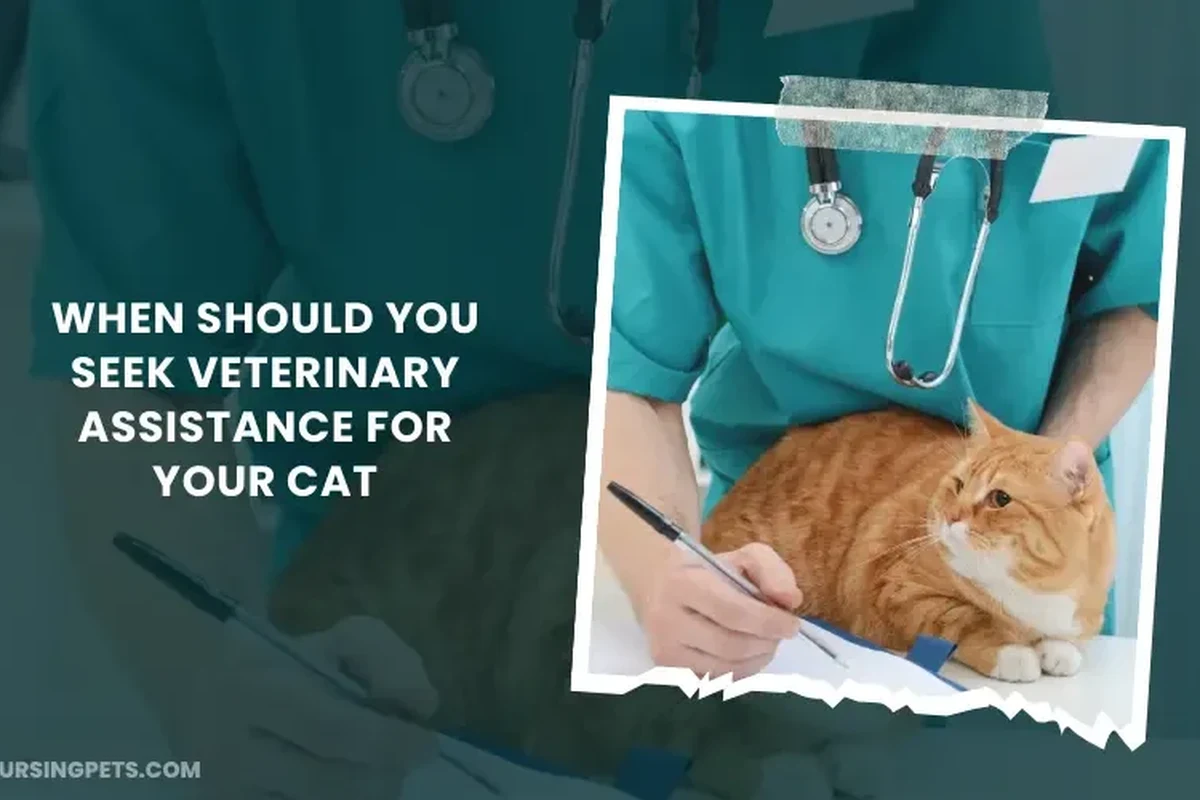
If your cat’s lack of appetite persists, it’s important to consult your veterinarian. Signs that warrant immediate attention include: This connects closely with how do i create a play area for my cat if you want to compare the topic in more detail.
- Persistent vomiting or diarrhea.
- Severe lethargy or behavioral changes.
- Visible signs of pain or discomfort.
This guide on how can i make my cat eat is written for general cat-owner education. For symptoms, food safety, recalls, medication, product specifications, or urgent changes, confirm details with a veterinarian, product label, official manual, manufacturer notice, or current recall source before acting.
Special Considerations for Kittens and Senior Cats
Different life stages come with unique challenges regarding appetite:
Kittens: Growing kittens require a high-calorie diet. If they refuse food, consult a vet, as this could indicate a health issue. Senior Cats: Older cats may have dental issues or chronic conditions affecting their appetite. Regular veterinary check-ups are crucial for this demographic. For related context, you may also want to read how much should a cat eat.
Practical Steps to Motivate Your Cat to Eat
- Experiment with Different Foods: Offer a selection of wet and dry foods to find what your cat prefers.
- Serve Smaller Portions: Reduce the amount of food at each meal to avoid overwhelming your cat.
- Provide a Calm Environment: Minimize noise and disturbances during feeding time to make the experience more relaxing.
Understanding your cat’s dietary preferences and monitoring their health can lead to a happier, healthier pet.
What This Means for Cat Owners
As a cat owner, understanding your pet’s eating habits is vital. A lack of appetite can signify something more serious than simple pickiness. Always observe your cat closely and be proactive about their health. Consult your vet if you notice any concerning signs, and try to create a feeding environment that encourages your cat to enjoy their meals. This connects closely with how to check if your cat has a health problem if you want to compare the topic in more detail.
Cats have a unique scent preference, and warming their food can make it more appealing to them.
Feeding Products and Food Considerations
Choosing the right food can make a significant difference in your cat’s willingness to eat. Here’s what to look for:
| Option | Best For | What to Check |
|---|---|---|
| High-Quality Wet Food | Picky eaters | Ensure it’s high in protein and low in fillers. |
| Dry Kibble | Dental health | Check for balanced nutrition and kibble size. |
| Homemade Diet | Specific dietary needs | Consult with a vet for balanced recipes. |
Final Words
Encouraging your cat to eat can be a challenge, but understanding their needs and behaviors is key. By implementing the strategies outlined in this guide, you can help ensure your feline companion maintains a healthy appetite. Always remember to consult your veterinarian if you have any concerns about your cat’s eating habits.
Frequently Asked Questions
Start with intended use, fit, verified specifications, safety instructions, care needs, and important limitations.
Start with the cat’s age, health history, home environment, safety guidance, and the main reason behind the topic.
It can vary by kitten, adult, senior cat, breed, temperament, health condition, diet, stress level, and home setup.
Check food changes, litter changes, symptoms, behavior changes, product fit, cleaning routine, and veterinarian guidance when health is involved.
A common mistake is treating every cat the same instead of considering age, health, environment, stress, and safety risks.
Contact a veterinarian if signs are sudden, severe, repeated, painful, linked to appetite, breathing, urination, weight, or involve kittens or senior cats.