
Yes, indoor cats can carry diseases, although the risk is generally lower compared to outdoor cats. Common health issues include obesity, dental problems, and certain viral infections, making regular veterinary check-ups essential for maintaining their health and preventing disease.
Last updated: August 11, 2026
When considering whether indoor cats carry diseases, many cat owners wonder about the potential risks associated with keeping their furry friends indoors. While indoor cats are generally less exposed to certain pathogens than their outdoor counterparts, they can still be carriers of various diseases. This article explores the common diseases indoor cats may carry, how they can impact your cat’s health, and effective ways to keep them healthy and disease-free.
- Start with the cat: Age, health, diet, behavior, and home setup change the right answer.
- Check safety first: Watch for pain, appetite changes, breathing issues, urination changes, or repeated symptoms.
- Use practical steps: Adjust routines, food, litter, grooming, play, or products slowly and safely.
- Know the limits: Cat-care advice varies by cause, product, environment, and veterinarian guidance.
Do Indoor Cats Carry Diseases?
Yes, indoor cats can carry diseases, though their risk of exposure is significantly lower compared to outdoor cats. Common diseases include feline leukemia virus (FeLV), feline immunodeficiency virus (FIV), and various parasites. Understanding these risks and how to manage them is crucial for maintaining your cat’s well-being.
Common Diseases in Indoor Cats
Indoor cats are susceptible to several diseases, some of which can be serious. Understanding these diseases can help you monitor your cat’s health and take preventive measures. Here are some common diseases that indoor cats may carry: For related context, you may also want to read how to improve your cats joint health.
- Feline Leukemia Virus (FeLV): A viral infection that can lead to cancer and other serious health issues.
- Feline Immunodeficiency Virus (FIV): A virus that weakens the immune system, making cats more susceptible to infections.
- Parasites: Indoor cats can carry parasites such as fleas, ticks, and worms, even if they don’t go outside.
- Obesity: While not a disease in itself, obesity can lead to numerous health issues in indoor cats.
How Do Indoor Cats Get Diseases?
Indoor cats can acquire diseases through various means, despite their limited exposure to the outside environment. Understanding how these diseases can enter your home can help in prevention efforts.
Contact with Infected Cats: Cats may become infected through contact with an infected cat, even during brief encounters. Shared Resources: Using shared litter boxes, food bowls, or toys can transmit diseases. Human Interaction: Owners can inadvertently bring pathogens home on their clothing or shoes. Environmental Factors: Indoor environments can harbor parasites and pathogens if not properly cleaned and maintained. This connects closely with how to prevent obesity in cats for better health if you want to compare the topic in more detail.
Use this guide for do indoor cats carry diseases as a practical checklist, then adjust the advice to your cat’s age, health history, routine, and home environment.
Signs of Illness in Indoor Cats
Being aware of the signs of illness in your indoor cat can help you seek timely veterinary care. Here are some common symptoms to monitor: For related health context, you may also want to read how to improve your cats digestive health.
| Symptom | Possible Illness |
|---|---|
| Loss of appetite | Dental disease, kidney issues |
| Excessive grooming | Allergies, skin conditions |
| Frequent vomiting | Gastrointestinal issues, parasites |
| Changes in litter box habits | Urinary tract infection, diabetes |
- Changes in appetite or weight
- Excessive grooming or hair loss
- Changes in litter box habits
- Lethargy or decreased activity levels
- Behavioral changes, such as increased aggression or hiding
Cats often show discomfort through small changes in appetite, litter box use, grooming, hiding, play, or body language before the problem looks obvious.
Preventing Disease in Indoor Cats
Preventing disease in indoor cats involves several proactive measures. Here are some effective strategies you can implement:
Regular Veterinary Check-ups: Schedule routine visits for vaccinations and health checks. Maintain a Clean Environment: Regularly clean litter boxes, food bowls, and living areas to minimize exposure to pathogens. Proper Nutrition: Feed your cat a balanced diet to support their immune system. Limit Exposure to Other Animals: Avoid letting your cat interact with unvaccinated or unknown cats. For related context, you may also want to read how to check if your cat has a health problem.
- Take a short video if the behavior or symptom is hard to explain.
- Keep your cat calm and separate from stress triggers while you observe.
- Do not wait if the problem is getting worse or your cat seems distressed.
Understanding Indoor Cat Health Risks
Indoor cats face specific health risks that can be managed with proper care and awareness. This section outlines the potential risks and how to address them effectively. For related safety context, compare this with do siamese cats have health issues best guide for cat lovers.
- Risk of Obesity: Indoor cats often lead sedentary lifestyles, increasing their risk of obesity. Engage them in regular playtime to keep them active.
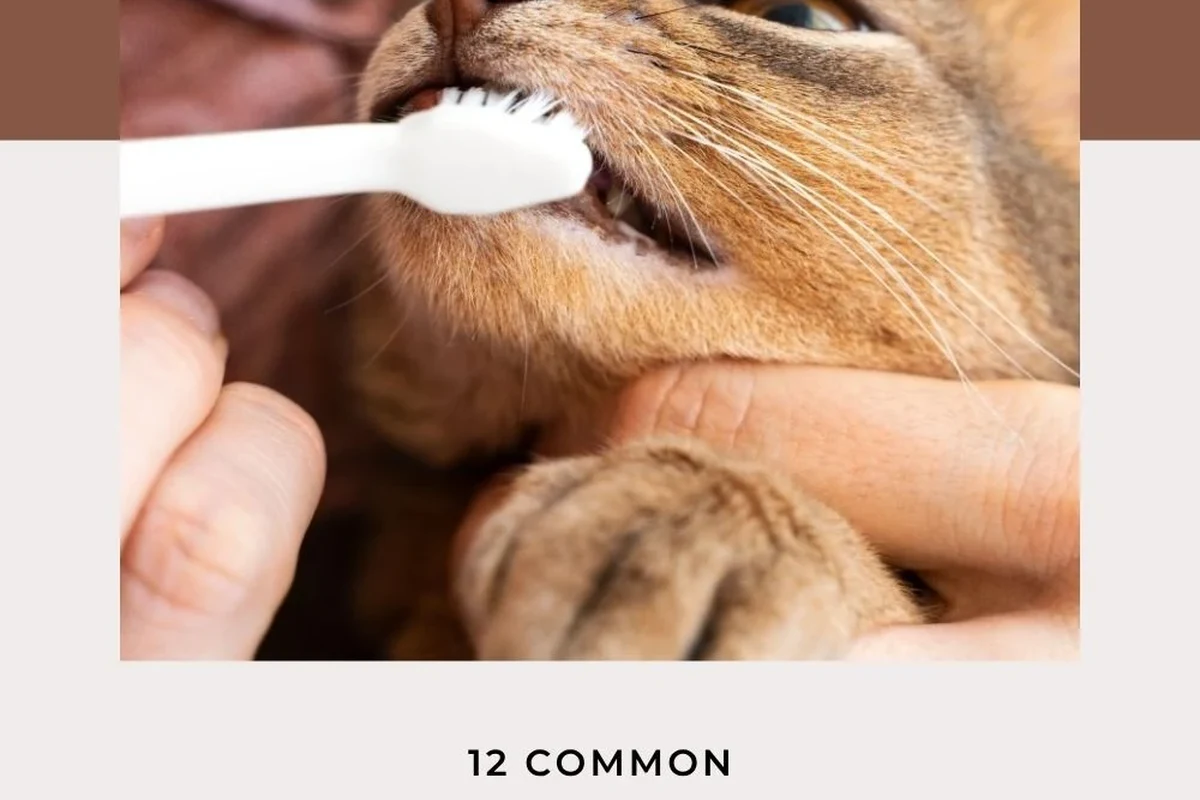
- Dental Disease: Dental issues are common in indoor cats. Regular dental check-ups and at-home care, such as brushing, can help prevent these problems.
- Mental Health Issues: Indoor cats may experience boredom or anxiety. Provide enrichment through toys, scratching posts, and interactive play.
| Disease | Transmission Method | Prevention |
|---|---|---|
| Feline Leukemia Virus (FeLV) | Contact with infected cats | Vaccination and keeping cats indoors |
| Feline Immunodeficiency Virus (FIV) | Bite wounds from infected cats | Vaccination and monitoring interactions |
| Parasites | Shared resources and environment | Regular cleaning and parasite prevention |
Common Mistakes Cat Owners Make
Even the most caring owners can make mistakes that put their indoor cats at risk. Here are common pitfalls to avoid:
Neglecting regular veterinary visits, ignoring changes in behavior or health, failing to provide adequate mental and physical stimulation, and not maintaining a clean living environment. This also connects with how much does a vet visit cost for a cat health checkup if you want to avoid a similar cat-care mistake.
Call your veterinarian promptly if signs are sudden, severe, repeated, painful, linked to appetite, breathing, urination, weight loss, or involve a kitten or senior cat.
Tools and Products to Support Indoor Cat Health
There are several tools and products that can help you maintain your indoor cat’s health. Here are some recommendations: For related health context, you may also want to read how much is a health check for a cat.
- Interactive Toys: Toys that stimulate your cat’s mind and encourage physical activity.
- High-Quality Cat Food: Ensure your cat receives balanced nutrition tailored to their specific needs.
- Regular Grooming Supplies: Brushes and dental care products to maintain hygiene.
- Cat Trees and Scratching Posts: Provide opportunities for exercise and mental stimulation.
Monitoring Your Cat’s Health
Regular monitoring of your cat’s health is essential for early detection of potential issues. Here are some tips:
Keep a health diary to track changes in behavior and health. Monitor food and water intake regularly. Be observant of any changes in physical appearance or behavior. This connects closely with how much is a health certificate for a cat if you want to compare the topic in more detail.
This guide on do indoor cats carry diseases is written for general cat-owner education. For symptoms, food safety, recalls, medication, product specifications, or urgent changes, confirm details with a veterinarian, product label, official manual, manufacturer notice, or current recall source before acting.
What to Watch For With Do indoor cats carry diseases
do indoor cats carry diseases should be understood as a reason to observe your cat carefully, compare signs, avoid guessing, and contact a veterinarian when symptoms are sudden, severe, repeated, painful, or linked to appetite, breathing, urination, weight, kittens, or senior cats.
- Track when the sign started and how often it happens.
- Avoid home treatment, medication, or dosing without veterinary guidance.
- Use this article to prepare better questions for your veterinarian.
Final Words
While indoor cats can carry diseases, understanding the risks, recognizing symptoms, and implementing preventive measures can significantly enhance their health and well-being. Regular veterinary care, a clean environment, and proper nutrition are key to keeping your indoor feline friend healthy. Stay proactive, and always consult your veterinarian if you notice any concerning signs.
🐾 Sufiya Begom's Tip: Every cat is different, so I always watch my own cats closely before assuming the worst. Small changes in appetite, grooming, or energy often mean something simple is going on — but if anything feels off for more than a day, it is always worth a quick check with your vet. Trust your instincts as a cat owner.
Frequently Asked Questions
Start with intended use, fit, verified specifications, safety instructions, care needs, and important limitations.
Start with the cat’s age, health history, home environment, safety guidance, and the main reason behind the topic.
It can vary by kitten, adult, senior cat, breed, temperament, health condition, diet, stress level, and home setup.
Check food changes, litter changes, symptoms, behavior changes, product fit, cleaning routine, and veterinarian guidance when health is involved.
A common mistake is treating every cat the same instead of considering age, health, environment, stress, and safety risks.
Contact a veterinarian if signs are sudden, severe, repeated, painful, linked to appetite, breathing, urination, weight, or involve kittens or senior cats.