
No, grains are not good for cats as they are obligate carnivores that thrive on animal-based proteins. While small amounts may not harm them, excessive grain consumption can lead to health issues like obesity and diabetes.
Last updated: August 11, 2026
As a cat owner, you may wonder whether grains are good for cats and how they can affect your pet’s health. Understanding the role of grains in your cat’s diet is essential for ensuring their overall well-being. This article will delve into the benefits and drawbacks of grains in feline nutrition, helping you make informed dietary choices for your furry friend. This connects closely with how to check if your cat has a health problem if you want to compare the topic in more detail.
- Start with the cat: Age, health, diet, behavior, and home setup change the right answer.
- Check safety first: Watch for pain, appetite changes, breathing issues, urination changes, or repeated symptoms.
- Use practical steps: Adjust routines, food, litter, grooming, play, or products slowly and safely.
- Know the limits: Cat-care advice varies by cause, product, environment, and veterinarian guidance.
Are Grains Good for Cats?
The question of whether grains are good for cats has sparked considerable debate among pet owners and veterinarians alike. While cats are obligate carnivores, certain grains can offer nutritional benefits when included in moderation. However, it’s essential to understand the role grains play in their diet, potential allergies, and the quality of ingredients in cat food.
Understanding Feline Nutrition
To determine if grains are good for cats, we must first understand their dietary needs. Cats primarily require protein and fat from animal sources, but they can also digest some plant-based ingredients. Grains, when used appropriately, can serve as a source of carbohydrates and fiber.
Benefits of Grains in Cat Diets
When included in a balanced diet, certain grains can provide benefits for cats. They can contribute to energy levels, digestive health, and overall nutrition. However, it’s important to choose high-quality grains that are easily digestible.
- Energy Source: Grains can provide a quick energy boost.
- Digestive Health: Whole grains can aid in digestion and promote regular bowel movements.
- Cost-Effectiveness: Grain-based diets can be more budget-friendly compared to high-protein options.
Potential Drawbacks of Grains for Cats
Despite some benefits, grains may not be suitable for all cats. Some felines may experience digestive issues or food allergies related to grain consumption. It’s crucial to monitor your cat’s health and consult your veterinarian if you notice any adverse reactions.
Allergies: Some cats are sensitive to grains, leading to skin issues or gastrointestinal problems. Weight Management: High-grain diets can contribute to obesity if not balanced with sufficient protein. Quality Matters: Not all grains are created equal; low-quality grains can lead to nutrient deficiencies. For related context, you may also want to read is iams proactive health good for cats.
Always consult your veterinarian before making significant changes to your cat’s diet.
Common Grains Found in Cat Food
Various grains are commonly included in commercial cat food. Understanding these can help you make informed choices about your cat’s diet. The type and quality of grains can significantly impact your cat’s health. This connects closely with is royal canin good for cat health if diet or appetite is part of the issue.
| Grain Type | Benefits | Considerations |
|---|---|---|
| Brown Rice | Easy to digest, provides energy | May lead to weight gain if overfed |
| Oats | High in fiber, beneficial for digestion | Some cats may not digest well |
| Barley | Good source of vitamins and minerals | Can cause gas in some cats |
| Wheat | Can provide energy | Often linked to allergies in cats |
Use this guide for are grains good for cats as a practical checklist, then adjust the advice to your cat’s age, health history, routine, and home environment.
How to Introduce Grains into Your Cat’s Diet
If you decide to include grains in your cat’s diet, it’s essential to do so gradually. This will help monitor any potential adverse reactions and ensure your cat adjusts well to the dietary change. For feeding context, you may also want to read how much does a vet visit cost for a cat health checkup.
| Grain Type | Potential Benefits | Monitor For |
|---|---|---|
| Brown Rice | Provides energy and fiber | Digestive upset, allergies |
| Oats | Rich in vitamins and minerals | Itching, vomiting |
| Barley | Supports heart health | Changes in stool consistency |
| Quinoa | Complete protein source | Behavioral changes, lethargy |
- Start Slowly:
Introduce grains in small amounts mixed with regular food.
- Monitor Reactions:
Watch for any signs of allergies or digestive issues.
- Consult Your Vet:
Keep your veterinarian informed about dietary changes for tailored advice.
If symptoms persist or worsen, consult your veterinarian for further evaluation.
Signs Your Cat May Be Allergic to Grains
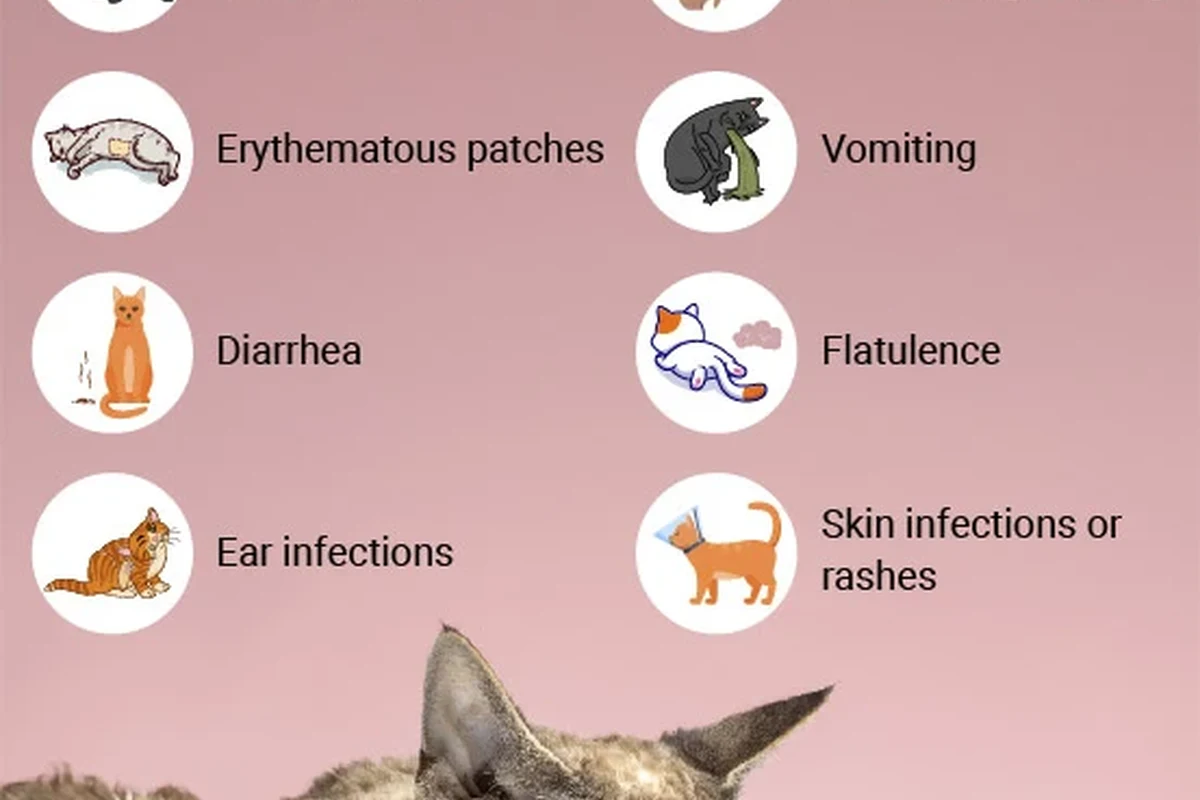
Recognizing the signs of a grain allergy is crucial for your cat’s health. If your cat shows any of the following symptoms, it may be time to evaluate their diet. This connects closely with how to improve your cats joint health if you want to compare the topic in more detail.
- Skin Irritation: Redness, itching, or rashes.
- Digestive Issues: Vomiting, diarrhea, or bloating.
- Behavioral Changes: Increased scratching or discomfort.
Some cats thrive on grain-free diets, which can help manage allergies and improve digestion.
What to Do If Your Cat Has Grain Allergies
If you suspect your cat has a grain allergy, it’s important to take immediate action. A proper response can help alleviate discomfort and improve their overall health. This connects closely with how to prevent obesity in cats for better health if you want to compare the topic in more detail.
- Eliminate Grains:
Switch to a grain-free cat food option.
- Consult a Veterinarian:
Get a professional diagnosis and tailored dietary advice.
- Monitor Health:
Keep track of your cat’s health and behavior after dietary changes.
This guide on are grains good for cats is written for general cat-owner education. For symptoms, food safety, recalls, medication, product specifications, or urgent changes, confirm details with a veterinarian, product label, official manual, manufacturer notice, or current recall source before acting.
Conclusion: The Role of Grains in Your Cat’s Diet
In conclusion, grains can be part of a cat’s diet, but they should be used judiciously. Each cat is unique, and it’s essential to consider their individual health needs and dietary preferences. Always consult with a veterinarian to ensure a balanced diet that supports their health and well-being. This connects closely with how much is a health check for a cat if diet or appetite is part of the issue.
What to Watch For With Are grains good for cats
are grains good for cats should be understood as a reason to observe your cat carefully, compare signs, avoid guessing, and contact a veterinarian when symptoms are sudden, severe, repeated, painful, or linked to appetite, breathing, urination, weight, kittens, or senior cats.
Track when the sign started and how often it happens. Avoid home treatment, medication, or dosing without veterinary guidance. Use this article to prepare better questions for your veterinarian. For related context, you may also want to read how to improve your cats digestive health.
Final Words
Ultimately, the decision of whether to include grains in your cat’s diet should be based on their health, preferences, and any potential allergies. By carefully monitoring your cat’s reactions and consulting with your veterinarian, you can create a diet that supports their overall well-being.
🐾 Sufiya Begom's Tip: Every cat is different, so I always watch my own cats closely before assuming the worst. Small changes in appetite, grooming, or energy often mean something simple is going on — but if anything feels off for more than a day, it is always worth a quick check with your vet. Trust your instincts as a cat owner.
Frequently Asked Questions
Start with intended use, fit, verified specifications, safety instructions, care needs, and important limitations.
Start with the cat’s age, health history, home environment, safety guidance, and the main reason behind the topic.
It can vary by kitten, adult, senior cat, breed, temperament, health condition, diet, stress level, and home setup.
Check food changes, litter changes, symptoms, behavior changes, product fit, cleaning routine, and veterinarian guidance when health is involved.
A common mistake is treating every cat the same instead of considering age, health, environment, stress, and safety risks.
Contact a veterinarian if signs are sudden, severe, repeated, painful, linked to appetite, breathing, urination, weight, or involve kittens or senior cats.