
Cats are mysterious creatures, often exhibiting behavior that keeps us on our toes. They can be playful, affectionate, and independent all at once, making them some of the most beloved pets in the world. But while we shower them with love and care, there’s a hidden threat that many cat owners don’t even know about—a silent killer that can slowly, and often silently, harm your feline companion.
So, what is this silent killer? It’s a condition that affects thousands of cats each year, and yet, it can go unnoticed until it’s too late. In this article, we’ll uncover what this silent killer is, why it’s so dangerous, and how you can protect your cat from it.
The Silent Killer: Chronic Kidney Disease (CKD)
When we talk about the “silent killer” of cats, the condition that fits this description most accurately is Chronic Kidney Disease (CKD). It’s one of the most common health issues for older cats, but it can affect cats of any age. The disease often develops gradually and without obvious symptoms, making it incredibly hard to detect early on. By the time symptoms appear, the damage to the kidneys is often extensive, and recovery can be much harder.
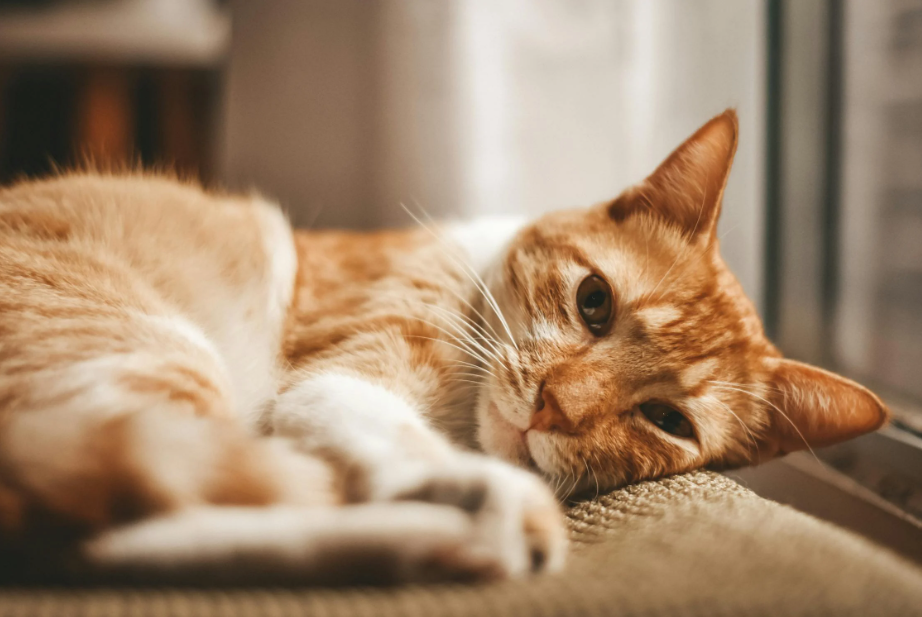
What is Chronic Kidney Disease (CKD)?
Chronic Kidney Disease refers to the gradual loss of kidney function over time. The kidneys are responsible for filtering waste from the blood, balancing electrolytes, and producing hormones that regulate blood pressure. When kidney function diminishes, toxins build up in the bloodstream, leading to a variety of health issues.
Symptoms of CKD may include:
- Increased thirst and urination
- Decreased appetite
- Weight loss
- Vomiting
- Lethargy
In the early stages, cats with CKD might not show many symptoms at all, which is why it’s considered a “silent” killer. As the disease progresses, these symptoms worsen, and irreversible damage can occur.
Why is CKD a Silent Killer?
The term “silent killer” is used because early signs of CKD can be subtle or mistaken for other, less serious conditions. For instance, increased thirst and urination could be brushed off as normal behavior or attributed to other illnesses like diabetes or hyperthyroidism. Many owners don’t seek veterinary help until their cats begin showing more severe symptoms, like vomiting or dramatic weight loss, by which time the disease might already be in its advanced stages.
Causes of Chronic Kidney Disease
Understanding the underlying causes of CKD is crucial in preventing and managing the disease. While the exact cause of kidney failure in many cats remains unclear, there are several risk factors that contribute to kidney disease:
- Age: Older cats are more likely to develop CKD. Over half of cats over the age of 15 have some degree of kidney damage.
- Genetics: Certain breeds, such as Persians, Siamese, and Abyssinians, are more prone to kidney issues.
- High blood pressure: Chronic hypertension can damage the kidneys over time.
- Infections: Kidney infections or urinary tract infections that are not treated promptly can lead to kidney damage.
- Toxins: Common household toxins like antifreeze or certain medications can be lethal to the kidneys.
Risk Factors to Watch For
- Age: Cats over 7 years old are more likely to develop CKD.
- Breed: Certain breeds may have genetic predispositions to kidney disease.
- Chronic illness: Cats with diseases like high blood pressure or hyperthyroidism are more prone to kidney issues.
- Dehydration: Cats that are not drinking enough water may suffer from kidney problems, as dehydration puts extra strain on the kidneys.
How to Detect CKD Early
Although it’s a silent killer, there are things you can do to catch CKD early. Regular veterinary checkups are vital for detecting any abnormalities in your cat’s health before the situation becomes critical.
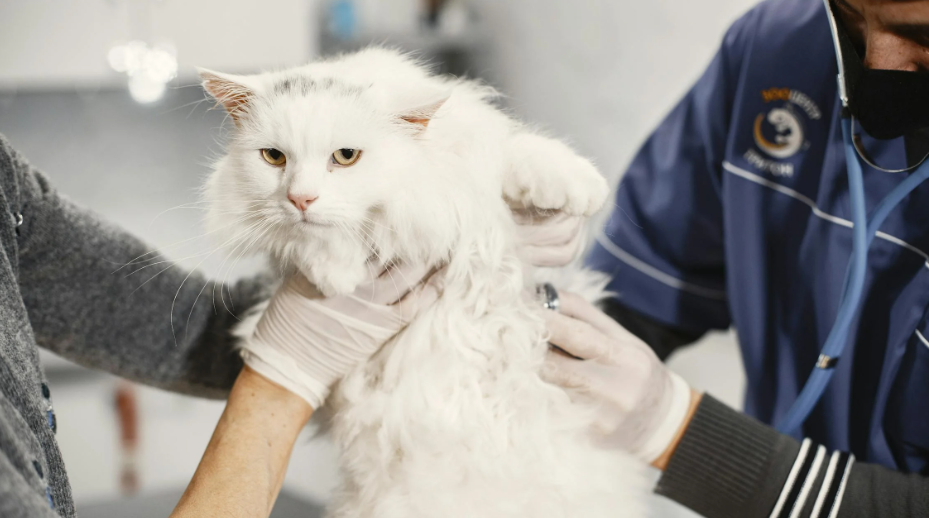
- Routine Blood Tests and Urinalysis: These tests can measure kidney function and detect early signs of CKD before symptoms even appear.
- Watch for Subtle Changes in Behavior: Be aware of any changes in your cat’s drinking and urination habits, eating patterns, or overall energy levels.
- Hydration: Ensure your cat is drinking enough water. If your cat seems to be drinking excessively or urinating more than usual, this could be a sign of kidney problems.
How CKD is Diagnosed
If you suspect your cat may have kidney disease, a veterinarian will typically conduct a series of tests to confirm the diagnosis:
- Blood work: To check for elevated levels of waste products like creatinine and blood urea nitrogen (BUN), which are key indicators of kidney function.
- Urinalysis: To measure the concentration of urine, which will be low in cats with CKD.
- Ultrasound or X-rays: To evaluate the size and structure of the kidneys, helping to identify any abnormalities.
Treatment Options for CKD
While Chronic Kidney Disease is not curable, early intervention can help manage the condition and improve your cat’s quality of life. Here are the most common treatment approaches:
- Dietary Changes: A special prescription diet for kidney disease can help reduce the workload on the kidneys. These diets are typically lower in phosphorus and protein, which can put less strain on the kidneys.
- Fluid Therapy: Many cats with CKD are dehydrated, so regular subcutaneous fluid injections are often recommended to keep your cat hydrated.
- Medications: Your vet may prescribe medications to control high blood pressure, reduce protein loss in the urine, and help manage symptoms like nausea and vomiting.
- Home Monitoring: Keeping track of your cat’s food intake, water consumption, and general behavior is crucial. Regular vet checkups will help track disease progression.
Preventing Chronic Kidney Disease
While CKD can’t always be prevented, there are things you can do to reduce the risk of your cat developing kidney problems:
- Encourage Hydration: Cats are notorious for not drinking enough water, but hydration is essential for kidney health. Provide fresh water daily, and consider using a water fountain to attract your cat to drink more.
- High-Quality Diet: A nutritious, balanced diet can help maintain kidney function. Consult with your vet about the best food options for your cat’s age and health.
- Regular Vet Checkups: Schedule annual or biannual checkups, especially for senior cats, to monitor kidney function and detect problems early.
- Avoid Toxic Substances: Keep harmful chemicals and toxins, such as antifreeze or certain human medications, out of your home.
Frequently Asked Questions (FAQs)
How can I tell if my cat has kidney disease?
Look for signs like increased thirst and urination, weight loss, decreased appetite, and vomiting. If any of these symptoms occur, consult your vet for tests to assess kidney function.
Is kidney disease in cats treatable?
While CKD is not curable, it can be managed with early intervention, dietary changes, medication, and fluid therapy. Treatment can improve quality of life and slow disease progression.
What causes kidney failure in cats?
Kidney failure in cats can be caused by several factors, including age, genetic predisposition, high blood pressure, dehydration, and exposure to toxins or infections.
Can kidney disease be prevented?
While CKD can’t always be prevented, you can reduce your cat’s risk by providing a high-quality diet, encouraging hydration, and scheduling regular veterinary checkups.
Final Thoughts: Protecting Your Feline Friend
Chronic Kidney Disease is the silent killer of cats because it develops gradually and often without noticeable symptoms until the damage is significant. However, by staying proactive about your cat’s health—ensuring they drink plenty of water, providing a nutritious diet, and scheduling regular vet visits—you can help reduce the risk and improve the chances of early detection.
Cats are family, and by understanding this silent threat, you can keep your feline friend happy and healthy for years to come.
Author

Author

Mis Sufiya Begom
I'm Mis Sufiya Begom, a lifelong cat owner and the founder of Cattyo. I have spent years caring for my own cats and learning from veterinarians and fellow cat lovers along the way. I started this blog to help other cat owners find clear, practical, and caring answers for everyday cat questions. My goal is to help you and your cat live a happier, healthier life together. Join me as we explore everything there is to know about cats!
🐾 Sufiya Begom's Tip: Every cat is different, so I always watch my own cats closely before assuming the worst. Small changes in appetite, grooming, or energy often mean something simple is going on — but if anything feels off for more than a day, it is always worth a quick check with your vet. Trust your instincts as a cat owner.