
Common reasons for cat diarrhea include dietary changes, food allergies, infections, parasites, and stress. Identifying the underlying cause is crucial for effective treatment and relief from symptoms associated with cat having diarrhea.
Last updated: August 11, 2026
Cats are known for their quirky behaviors, but if you’ve noticed your feline friend experiencing diarrhea, it can be concerning. Understanding why is my cat having diarrhea is essential for any cat owner. This article will delve into potential causes, symptoms, and solutions to help you care for your beloved pet effectively.
- Start with the cat: Age, health, diet, behavior, and home setup change the right answer.
- Check safety first: Watch for pain, appetite changes, breathing issues, urination changes, or repeated symptoms.
- Use practical steps: Adjust routines, food, litter, grooming, play, or products slowly and safely.
- Know the limits: Cat-care advice varies by cause, product, environment, and veterinarian guidance.
Understanding Diarrhea in Cats
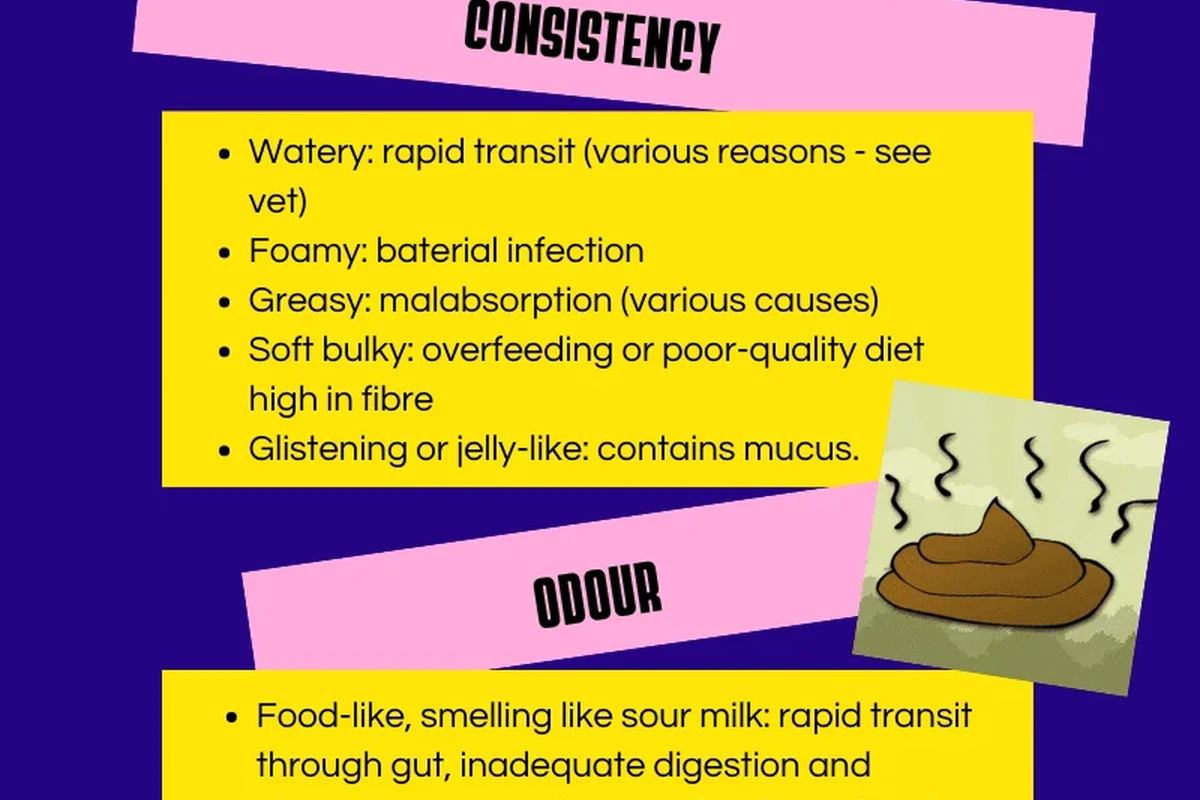
Diarrhea in cats can occur for various reasons, ranging from dietary indiscretion to serious underlying health issues. It is characterized by loose or watery stools, and it may be accompanied by other symptoms such as vomiting or lethargy. Recognizing the signs early can help ensure your cat receives the appropriate care.
Common Symptoms of Diarrhea
In addition to loose stools, cats with diarrhea may exhibit a range of symptoms. These can include changes in behavior, appetite loss, or signs of dehydration. Monitoring these symptoms will help you assess your cat’s condition and make informed decisions about their care. For related health context, you may also want to read why is my cat acting weird.
- Loose or watery stools
- Increased frequency of bowel movements
- Vomiting
- Lethargy
- Loss of appetite
Why Is My Cat Having Diarrhea? Common Causes
Understanding the causes of diarrhea in cats is crucial for effective treatment. Many factors can contribute, ranging from simple dietary changes to more serious health issues. Identifying the root cause will guide you in providing the right care for your cat.
Dietary Issues
One of the most common reasons for diarrhea in cats is dietary indiscretion. Cats are known to eat things they shouldn’t, which can lead to gastrointestinal upset. Sudden changes in diet or food allergies can also trigger this condition.
Infections and Parasites
Intestinal infections or parasites can cause diarrhea in cats. Bacterial infections, viral infections, and parasites like Giardia or roundworms can disrupt the normal function of the digestive system, leading to diarrhea. Regular veterinary checks can help prevent these issues.
Chronic Health Conditions
Some cats may suffer from chronic health conditions that can lead to persistent diarrhea. Conditions such as inflammatory bowel disease (IBD) or pancreatitis can cause ongoing gastrointestinal issues. If your cat experiences diarrhea for an extended period, consulting a veterinarian is crucial. This connects closely with why is my cat losing weight if you want to compare the topic in more detail.
Use this for symptoms, appetite changes, urination changes, pain, breathing, repeated vomiting/diarrhea, wounds, toxic foods, or sudden behavior changes.
Table of Common Causes of Diarrhea in Cats
Here’s a quick reference table summarizing some of the common causes of diarrhea in cats, along with associated symptoms. You can also use why is my cat hiding all time as a helpful next guide on the same cat-care topic.
| Cause | Symptoms | Recommended Action |
|---|---|---|
| Dietary Indiscretion | Loose stools, vomiting | Monitor diet, consult vet if persistent |
| Infections (Bacterial/Viral) | Diarrhea, lethargy, fever | Seek veterinary care for diagnosis |
| Parasites | Weight loss, vomiting, diarrhea | Veterinary treatment for deworming |
| Chronic Conditions (IBD, Pancreatitis) | Persistent diarrhea, weight loss | Regular vet check-ups for management |
Use this guide for why is my cat having diarrhea as a practical checklist, then adjust the advice to your cat’s age, health history, routine, and home environment.
What to Do When Your Cat Has Diarrhea
When faced with the challenge of a cat with diarrhea, it’s essential to know the steps to take. Observing your cat’s condition and making necessary adjustments can aid recovery. Here’s how to approach the situation effectively.
Monitor Your Cat
Keep a close eye on your cat’s behavior and health. Note the frequency and consistency of their stools, along with any additional symptoms. This information will be vital when consulting your veterinarian.
Maintain Hydration
Diarrhea can lead to dehydration, so ensure your cat has access to fresh, clean water. You may also consider offering electrolyte solutions designed for pets to help replenish lost fluids.
Consult a Veterinarian
It’s important to consult a veterinarian if diarrhea persists for more than 24 hours or is accompanied by severe symptoms. They can perform necessary tests to diagnose the underlying cause and recommend appropriate treatment. This connects closely with why is my cat meowing so much if you want to compare the topic in more detail.
- Keep a consistent feeding schedule.
- Regularly clean litter boxes to prevent stress.
- Introduce new foods gradually.
Common Mistakes to Avoid
As a cat owner, it’s easy to make mistakes when dealing with diarrhea. Being aware of these common pitfalls can help you manage your cat’s health more effectively.
Ignoring persistent symptoms, making sudden dietary changes without gradual transition, delaying veterinary consultation, overlooking hydration needs, and self-medicating without veterinary guidance. For related safety context, compare this with why is my cat leaving.
Preventing Diarrhea in Cats
Prevention is always better than cure. Implementing strategies to prevent diarrhea can save your cat from discomfort and unnecessary vet visits. Here are some practical tips to keep your cat healthy.
Maintain a Consistent Diet
Feeding your cat a consistent diet will help prevent digestive issues. Sudden changes in food can upset your cat’s stomach, so always transition gradually when trying new foods.
Regular Veterinary Check-ups
Routine veterinary visits can help catch potential health issues before they become serious. Regular check-ups are crucial for vaccinations, parasite control, and general health assessments.
Monitor Their Environment
Ensure your cat’s environment is free from harmful substances. Keeping toxic plants and unsafe foods out of reach can help prevent accidental ingestion that leads to gastrointestinal upset. You can also use why does my cat bring me toys as a helpful next guide on the same cat-care topic.
This guide on why is my cat having diarrhea is written for general cat-owner education. For symptoms, food safety, recalls, medication, product specifications, or urgent changes, confirm details with a veterinarian, product label, official manual, manufacturer notice, or current recall source before acting.
What to Expect from Treatment
When your cat is diagnosed with diarrhea, understanding the treatment process is essential. Treatment will depend on the underlying cause and may involve dietary changes, medication, or other interventions.
Dietary Adjustments
Your veterinarian may recommend a special diet to help soothe your cat’s digestive system. This could include easily digestible foods or a prescription diet designed for gastrointestinal health.
Medications
In some cases, medications may be prescribed to treat infections or inflammation. Always follow your veterinarian’s instructions and never give your cat over-the-counter medications without professional guidance. For related context, you may also want to read why does my cat bite me lightly.
Explaining Diarrhea in Plain Language
Diarrhea in cats can result from many factors, including diet, infections, or health conditions. If your cat has diarrhea, it’s important to monitor their symptoms and consult a veterinarian if it persists. Keeping your cat hydrated and maintaining a consistent diet can help prevent future episodes. This connects closely with why does my cat bite me lightly calm nuanced guide if you want to compare the topic in more detail.
If your cat experiences diarrhea, keep track of their symptoms and consult a veterinarian if necessary.
What to Watch For With Why is my cat having diarrhea
why is my cat having diarrhea should be understood as a reason to observe your cat carefully, compare signs, avoid guessing, and contact a veterinarian when symptoms are sudden, severe, repeated, painful, or linked to appetite, breathing, urination, weight, kittens, or senior cats.
- Track when the sign started and how often it happens.
- Avoid home treatment, medication, or dosing without veterinary guidance.
- Use this article to prepare better questions for your veterinarian.
Final Words
Understanding why your cat is having diarrhea is crucial for ensuring their health and well-being. By monitoring their symptoms, consulting a veterinarian, and taking preventive measures, you can help your furry friend recover and thrive. Remember that early intervention is key to managing your cat’s health effectively.
🐾 Sufiya Begom's Tip: Every cat is different, so I always watch my own cats closely before assuming the worst. Small changes in appetite, grooming, or energy often mean something simple is going on — but if anything feels off for more than a day, it is always worth a quick check with your vet. Trust your instincts as a cat owner.
Frequently Asked Questions
Start with intended use, fit, verified specifications, safety instructions, care needs, and important limitations.
Start with the cat’s age, health history, home environment, safety guidance, and the main reason behind the topic.
It can vary by kitten, adult, senior cat, breed, temperament, health condition, diet, stress level, and home setup.
Check food changes, litter changes, symptoms, behavior changes, product fit, cleaning routine, and veterinarian guidance when health is involved.
A common mistake is treating every cat the same instead of considering age, health, environment, stress, and safety risks.
Contact a veterinarian if signs are sudden, severe, repeated, painful, linked to appetite, breathing, urination, weight, or involve kittens or senior cats.