
Yes, fruits like blueberries, watermelon, and cantaloupe are good for cats in moderation. These fruits provide hydration and vitamins, making them a healthy addition to a feline diet. Always ensure to remove seeds and consult your vet before introducing new foods to your cat’s diet.
Last updated: August 2, 2026
As a cat owner, it’s natural to wonder what fruits are good for cats and how they can be incorporated into their diet. While cats are obligate carnivores, some fruits can provide beneficial nutrients and variety. This article will explore safe fruits for cats, the nutritional needs of felines, and how to introduce fruits into their meals. This connects closely with what are symptoms of a pregnant cat 2 if you want to compare the topic in more detail.
- Start with the cat: Age, health, diet, behavior, and home setup change the right answer.
- Check safety first: Watch for pain, appetite changes, breathing issues, urination changes, or repeated symptoms.
- Use practical steps: Adjust routines, food, litter, grooming, play, or products slowly and safely.
- Know the limits: Cat-care advice varies by cause, product, environment, and veterinarian guidance.
Understanding Your Cat’s Nutritional Needs
Understanding your cat’s nutritional requirements is essential for their overall health and well-being. Cats need a balanced diet primarily consisting of proteins, fats, and certain vitamins and minerals. While they thrive on animal-based diets, some fruits can complement their meals. For feeding context, you may also want to read are there health risks with feeding a cat raw food.
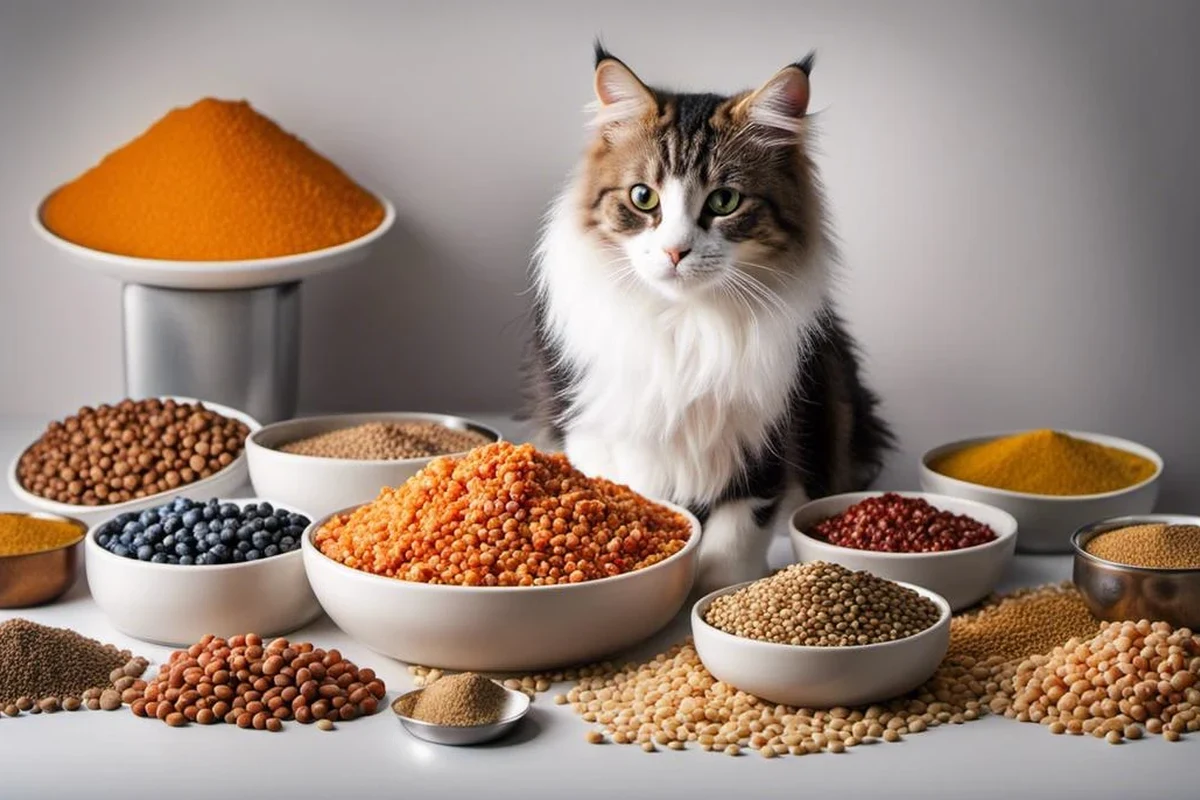
Safe Fruits for Cats: A Comprehensive List
This section covers various fruits that are safe for cats, along with those that should be avoided. Knowing which fruits can be beneficial for your feline friend is crucial for their health.
Fruits Cats Can Eat
Not all fruits are harmful to cats; some can provide health benefits. Here is a list of fruits that are generally safe for cats to consume:
- Blueberries: A rich source of antioxidants and vitamins.
- Watermelon: Hydrating and low in calories, but ensure seeds are removed.
- Strawberries: High in fiber and vitamin C, they can be a tasty treat.
- Bananas: High in potassium, but should be given in moderation due to sugar content.
- Apples: Provide vitamins A and C; ensure seeds and core are removed.
It’s important to offer these fruits in moderation and as an occasional treat rather than a staple in their diet.
Fruits to Avoid for Cat Health
While some fruits are safe, others can be toxic to cats. Here are fruits to avoid:
Grapes: Can cause kidney failure in cats. Raisins: Similar to grapes, they are not safe for feline consumption. Citrus fruits: Such as oranges and lemons, can cause gastrointestinal upset. Cherries: The pits are toxic; avoid these altogether. Avocado: Contains persin, which can be harmful to cats.
Always ensure that any fruit you consider for your cat is safe and consult with your veterinarian for advice tailored to your cat’s health. This also connects with is wet food better for cat health if you want to avoid a similar cat-care mistake.
| Fruit | Safety | Benefits |
|---|---|---|
| Blueberries | Safe | High in antioxidants |
| Watermelon | Safe | Hydrating |
| Strawberries | Safe | High in fiber |
| Grapes | Unsafe | Kidney failure risk |
| Citrus | Unsafe | Gastrointestinal upset |
Use this guide for what fruits are good for cats as a practical checklist, then adjust the advice to your cat’s age, health history, routine, and home environment.
The Benefits of Adding Fruits to Your Cat’s Diet
Incorporating fruits into your cat’s diet can provide several health benefits. While cats primarily require meat-based nutrients, fruits can offer additional vitamins and minerals that can support their overall health.
| Fruit | Health Benefits |
|---|---|
| Blueberries | Rich in antioxidants, supports heart health. |
| Watermelon | Hydrating, low in calories, helps with digestion. |
| Banana | Contains potassium, supports muscle function. |
| Apples | Provides fiber and vitamin C, promotes dental health. |
- Hydration: Fruits like watermelon can help keep your cat hydrated.
- Antioxidants: Fruits such as blueberries provide antioxidants that can help combat free radicals.
- Variety and Enrichment: Offering different foods can stimulate your cat’s interest in their meals.
While fruits should not replace a balanced diet, they can be a healthy addition when given in moderation. For feeding context, you may also want to read is iams proactive health good for cats.
Cats often show discomfort through small changes in appetite, litter box use, grooming, hiding, play, or body language before the problem looks obvious.
How to Introduce Fruits to Your Cat’s Diet
Steps for Safely Introducing New Foods
To safely introduce fruits into your cat’s meals, follow these steps:
- Start Small: Offer a tiny piece of fruit to see how your cat reacts.
- Watch for Reactions: Monitor for any signs of intolerance or allergies.
- Gradually Increase: If well-tolerated, slowly increase the amount offered.
Signs Your Cat Enjoys New Fruits
Recognizing whether your cat enjoys a new fruit can be easy. Here are some signs to look for:
They eagerly consume the fruit. They show interest or curiosity when you prepare the fruit. They purr or exhibit playful behavior after eating.
- Take a short video if the behavior or symptom is hard to explain.
- Keep your cat calm and separate from stress triggers while you observe.
- Do not wait if the problem is getting worse or your cat seems distressed.
Common Mistakes When Feeding Fruits to Cats
- Overfeeding: Excessive fruit can lead to digestive upset due to high sugar content.
- Ignoring Toxicity: Not all fruits are safe; always verify before feeding.
- Not Preparing Properly: Failing to remove seeds or pits can pose choking hazards.
What to Watch for: Symptoms of Fruit Intolerance
It’s important to monitor your cat after introducing any new food, including fruits. Some cats may develop intolerances or allergies.
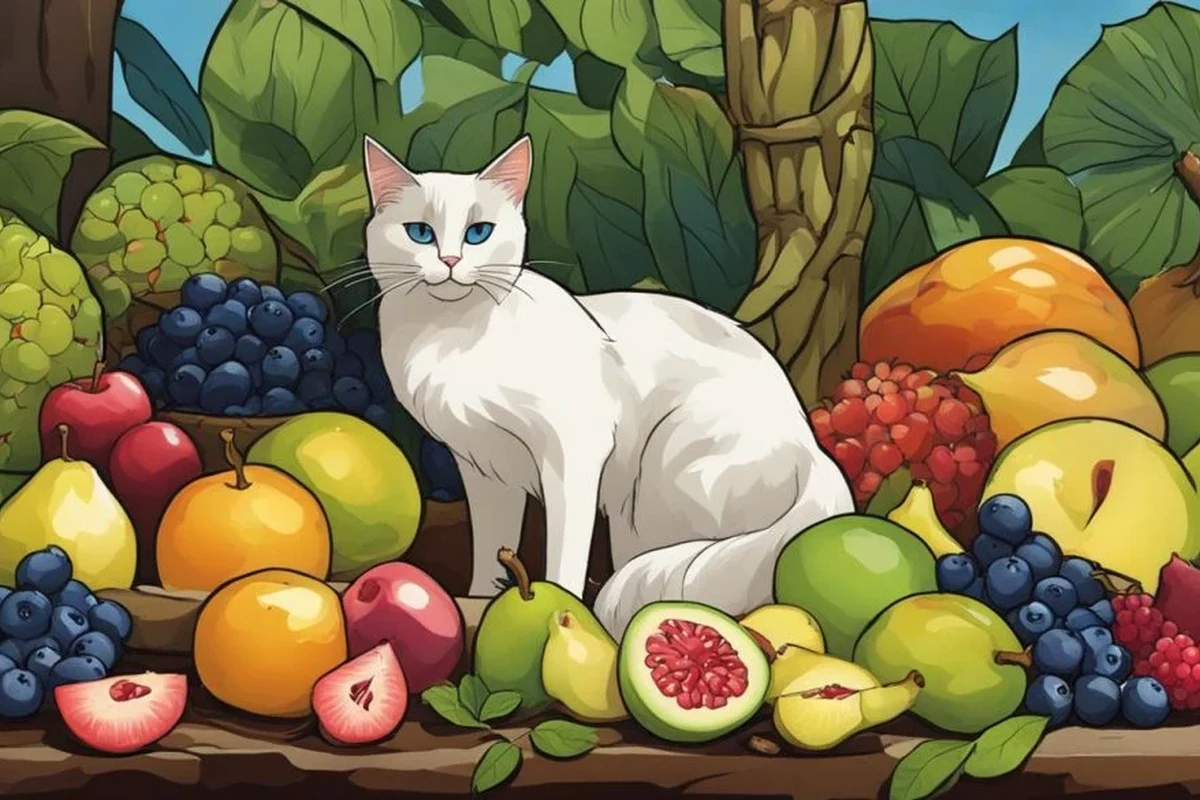
Recognizing Signs of Allergies or Intolerance
Watch for signs that may indicate your cat is not tolerating the fruit well. Symptoms can include:
Vomiting or diarrhea shortly after consumption. Excessive scratching or skin irritations. Changes in behavior, such as lethargy or irritability. This connects closely with is royal canin good for cat health if you want to compare the topic in more detail.
If you notice these symptoms, discontinue feeding the fruit and consult your veterinarian.
Call your veterinarian promptly if signs are sudden, severe, repeated, painful, linked to appetite, breathing, urination, weight loss, or involve a kitten or senior cat.
When to Consult a Veterinarian
Consulting a veterinarian is essential if you have concerns about your cat’s diet or health, especially after introducing new foods. It’s important to seek professional advice when: For related health context, you may also want to read what are the most common health problems in cats.
- Experiencing severe symptoms such as vomiting or diarrhea.
- Noticing sudden changes in behavior or appetite.
- Uncertainty about safe foods for your cat.
Fruits for Kittens and Senior Cats: Special Considerations
Kittens and senior cats have unique nutritional needs that may affect how fruits can be introduced into their diets. Special considerations include:
Kittens: Young cats are still developing, so it’s best to consult your vet before introducing fruits. Senior Cats: Older cats may have dietary restrictions or health issues that make certain fruits unsuitable. You can also use do siamese cats have health issues best guide for cat lovers as a helpful next guide on the same cat-care topic.
Always tailor your approach based on your cat’s age and health condition.
This guide on what fruits are good for cats is written for general cat-owner education. For symptoms, food safety, recalls, medication, product specifications, or urgent changes, confirm details with a veterinarian, product label, official manual, manufacturer notice, or current recall source before acting.
How to Use This Advice at Home
Applying the advice from this article can help ensure a balanced and healthy diet for your cat. Here’s how to get started: For related context, you may also want to read what are the symptoms of a cat dying.
- Research safe fruits and create a list for easy reference.
- Introduce small amounts of fruit gradually and monitor your cat’s response.
- Consult your veterinarian for personalized dietary recommendations.
Final Words
Incorporating fruits into your cat’s diet can be a healthy way to provide variety and additional nutrients, but it must be done thoughtfully. Always prioritize safety and consult with a veterinarian whenever in doubt. By following the guidance outlined in this article, you can ensure your feline friend enjoys their diet while staying healthy.
🐾 Sufiya Begom's Tip: Every cat is different, so I always watch my own cats closely before assuming the worst. Small changes in appetite, grooming, or energy often mean something simple is going on — but if anything feels off for more than a day, it is always worth a quick check with your vet. Trust your instincts as a cat owner.
Frequently Asked Questions
Start with intended use, fit, verified specifications, safety instructions, care needs, and important limitations.
Start with the cat’s age, health history, home environment, safety guidance, and the main reason behind the topic.
It can vary by kitten, adult, senior cat, breed, temperament, health condition, diet, stress level, and home setup.
Check food changes, litter changes, symptoms, behavior changes, product fit, cleaning routine, and veterinarian guidance when health is involved.
A common mistake is treating every cat the same instead of considering age, health, environment, stress, and safety risks.
Contact a veterinarian if signs are sudden, severe, repeated, painful, linked to appetite, breathing, urination, weight, or involve kittens or senior cats.