
Kittens can eat a balanced diet of high-quality commercial kitten food, which includes wet and dry options. Additionally, they can have small amounts of cooked meat, such as chicken or turkey, but avoid dairy and human food. For healthy growth and playfulness, focus on nutrition specifically formulated for kittens.
Last updated: August 2, 2026
As a new kitten owner, you may wonder what food can kittens eat to ensure they grow healthy and playful. Proper nutrition is vital during this crucial stage of their development, impacting their growth, energy levels, and overall health. In this guide, we will explore the nutritional needs of kittens, suitable food options, common feeding mistakes, and tips for fostering a healthy diet.
- Start with the cat: Age, health, diet, behavior, and home setup change the right answer.
- Check safety first: Watch for pain, appetite changes, breathing issues, urination changes, or repeated symptoms.
- Use practical steps: Adjust routines, food, litter, grooming, play, or products slowly and safely.
- Know the limits: Cat-care advice varies by cause, product, environment, and veterinarian guidance.
Understanding the Nutritional Needs of Kittens
Understanding the specific nutritional needs of kittens is essential to support their rapid growth and playful nature. Kittens require a balanced diet rich in protein, fats, vitamins, and minerals to promote healthy development.
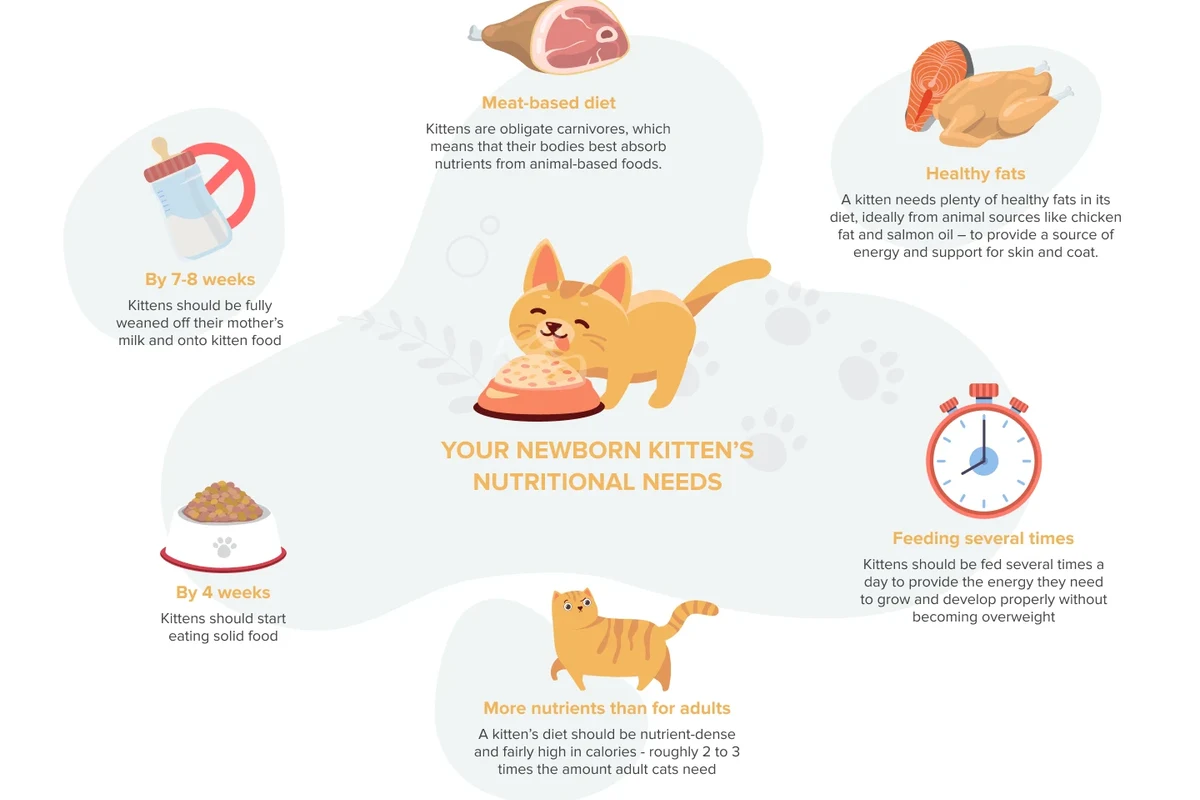
The Importance of a Balanced Diet
A balanced diet is crucial for kittens as it helps them develop strong muscles, bones, and a robust immune system. It also supports their energy levels for play and exploration.
Key Nutrients for Kittens
Several key nutrients are vital for kittens, including protein, fat, carbohydrates, vitamins, and minerals. Each nutrient plays a specific role in their growth and health. For related context, you may also want to read is wet food better for cat health.
- Protein: Essential for muscle development and repair.
- Fat: Provides energy and supports brain development.
- Vitamins: Aid in various bodily functions, including vision and bone health.
- Minerals: Important for bone strength and overall health.
Types of Food Suitable for Kittens
When it comes to feeding kittens, there are various options available, including commercial kitten food and homemade diets. Understanding these options will help you make informed choices.
Commercial Kitten Food: Dry vs. Wet
Commercial kitten food is often formulated to meet the specific nutritional needs of growing kittens. Both dry and wet food have their advantages and disadvantages.
| Food Type | Best For | What to Check |
|---|---|---|
| Dry Food | Convenience and dental health | Ensure a balance of protein and fat |
| Wet Food | Hydration and palatability | Check for high-quality protein sources |
Homemade Diets: What You Need to Know
Some cat owners prefer to prepare homemade diets for their kittens. While this can be beneficial, it is crucial to ensure the diet is nutritionally balanced and meets all their needs.
Consult a vet: Always consult with a veterinarian before switching to a homemade diet. Include variety: Use a combination of proteins, vegetables, and grains. Avoid harmful foods: Certain foods like onions and chocolate are toxic to cats. This connects closely with what do kittens like to eat if diet or appetite is part of the issue.
Always follow feeding guidelines based on your kitten’s age, weight, and nutritional needs.
Common Mistakes in Feeding Kittens
Feeding kittens can come with its challenges, and there are common mistakes many owners make that can affect their health and growth. Being aware of these can help ensure your kitten thrives.
| Common Mistakes | Impact on Kittens |
|---|---|
| Feeding adult cat food | Insufficient nutrients for growth |
| Overfeeding | Obesity and related health issues |
| Ignoring hydration | Risk of urinary tract problems |
| Not providing variety | Lack of essential vitamins and minerals |
Overfeeding and Underfeeding
Finding the right balance when feeding kittens is critical. Both overfeeding and underfeeding can lead to health issues, including obesity and malnutrition.
Feeding Adult Cat Food to Kittens
Adult cat food does not provide the necessary nutrients that growing kittens need. It’s important to feed them specially formulated kitten food. For feeding context, you may also want to read are there health risks with feeding a cat raw food.
- Look for labels: Ensure any food you purchase is specifically labeled for kittens.
- Monitor growth: Regularly assess your kitten’s weight and growth rate.
- Consult a vet: Discuss any dietary changes with your veterinarian.
Use this guide for what food can kittens eat as a practical checklist, then adjust the advice to your cat’s age, health history, routine, and home environment.
Recognizing Signs of Nutritional Deficiency
It’s important to be aware of the signs of nutritional deficiencies in kittens. Early recognition can help prevent long-term health issues.
Physical Symptoms to Watch For
Kittens may show physical signs if they are not receiving adequate nutrition. Look for the following symptoms:
Weight loss or failure to gain weight, dry, flaky skin or poor coat condition, and weakness or lethargy.
Behavioral Changes in Kittens
Behavioral changes can also indicate nutritional deficiencies. Kittens may become less playful or exhibit lethargy if their dietary needs aren’t met. You can also use can kittens carry rabies as a helpful next guide on the same cat-behavior topic.
Cats often show discomfort through small changes in appetite, litter box use, grooming, hiding, play, or body language before the problem looks obvious.
When to Consult a Veterinarian
Regular veterinary consultations are vital to ensure your kitten is growing healthy. Knowing when to seek professional advice can make a significant difference in their health.
Identifying Serious Health Issues
If your kitten shows any concerning signs, such as persistent vomiting or diarrhea, it’s essential to consult a veterinarian immediately. Early intervention can prevent serious health issues.
Regular Check-Ups for Optimal Health
Regular check-ups can help monitor your kitten’s growth and nutritional needs. Your vet can provide tailored advice on the best diet as your kitten grows. For related health context, you may also want to read new cat health research.
What This Means for Cat Owners
As a cat owner, understanding what food can kittens eat is crucial for their development and well-being. Providing a balanced and nutritious diet will help your kitten grow into a healthy adult cat. You can also use what is the new cat disease as a helpful next guide on the same cat-care topic.

- Check your cat’s age, health, and routine.
- Check product, food, litter, or home setup details.
- Ask a veterinarian when health signs are involved.
Practical Tips for Feeding Your Kitten
Implementing practical feeding tips can make a significant difference in your kitten’s diet and overall health. Here are some strategies to consider.
Feeding Schedule and Portion Control
Establishing a consistent feeding schedule and controlling portion sizes can help regulate your kitten’s diet. Kittens typically require multiple meals throughout the day.
Introducing New Foods Safely
When introducing new foods, do so gradually to prevent digestive upset. Monitor your kitten’s reactions to new foods and consult a vet if you notice any issues. For feeding context, you may also want to read how much dry cat food should a cat eat.
Tools and Products for Kitten Feeding
Choosing the right tools and products can make feeding kittens easier and healthier. Here are some recommended supplies and brands.
Best Feeding Supplies for Kittens
Investing in quality feeding supplies is essential for a smooth feeding experience. Consider the following items:
- Food and water bowls that are easy to clean
- Slow feeders to prevent gulping
- Measuring cups for accurate portioning
Recommended Kitten Food Brands
When selecting kitten food, opt for reputable brands known for quality ingredients. Some top brands include: This connects closely with how to get your cat to eat dry food if diet or appetite is part of the issue.
Royal Canin, hill’s Science Diet, and wellness.
This guide on what food can kittens eat is written for general cat-owner education. For symptoms, food safety, recalls, medication, product specifications, or urgent changes, confirm details with a veterinarian, product label, official manual, manufacturer notice, or current recall source before acting.
Prevention: Ensuring a Healthy Start for Your Kitten
Preventative measures can help ensure your kitten has a healthy start in life. Regular monitoring and a balanced diet are crucial aspects of their care.
Monitoring Growth and Development
Regularly monitoring your kitten’s growth and development will help you identify any potential issues early. Keeping a growth chart can be beneficial.
Creating a Safe Environment for Feeding
Ensure your feeding area is clean and safe for your kitten. A dedicated space can help encourage positive feeding habits.
Final Words
Feeding your kitten the right food is essential for their healthy growth and playfulness. By understanding their nutritional needs and avoiding common mistakes, you can help your kitten thrive. Always consult with a veterinarian for tailored advice and to ensure your kitten’s diet supports their specific health needs.
🐾 Sufiya Begom's Tip: Every cat is different, so I always watch my own cats closely before assuming the worst. Small changes in appetite, grooming, or energy often mean something simple is going on — but if anything feels off for more than a day, it is always worth a quick check with your vet. Trust your instincts as a cat owner.
Frequently Asked Questions
Start with intended use, fit, verified specifications, safety instructions, care needs, and important limitations.
Start with the cat’s age, health history, home environment, safety guidance, and the main reason behind the topic.
It can vary by kitten, adult, senior cat, breed, temperament, health condition, diet, stress level, and home setup.
Check food changes, litter changes, symptoms, behavior changes, product fit, cleaning routine, and veterinarian guidance when health is involved.
A common mistake is treating every cat the same instead of considering age, health, environment, stress, and safety risks.
Contact a veterinarian if signs are sudden, severe, repeated, painful, linked to appetite, breathing, urination, weight, or involve kittens or senior cats.