
To clean cat collars, remove them from your pet and soak in warm soapy water for 15-30 minutes. Use a soft brush to scrub away dirt and grime, then rinse thoroughly and air dry. Regular cleaning helps maintain a fresher and healthier pet.
Last updated: August 2, 2026
Maintaining your cat’s collar is essential for their hygiene and comfort. Knowing how to clean cat collars effectively ensures that your feline friend stays healthy and happy. This article will guide you through the importance of collar cleaning, the signs that your cat’s collar needs attention, and detailed cleaning techniques tailored to various collar materials. We’ll also provide tips to avoid common mistakes, ensuring that your cat’s collar remains fresh and safe.
- Start with the cat: Age, health, diet, behavior, and home setup change the right answer.
- Check safety first: Watch for pain, appetite changes, breathing issues, urination changes, or repeated symptoms.
- Use practical steps: Adjust routines, food, litter, grooming, play, or products slowly and safely.
- Know the limits: Cat-care advice varies by cause, product, environment, and veterinarian guidance.
Why Cleaning Your Cat’s Collar is Important
Cleaning your cat’s collar is vital for several reasons, including hygiene, comfort, and safety. Cat collars can accumulate dirt, sweat, and bacteria, which could lead to skin irritation or infections. Regular cleaning helps prevent these issues and ensures that the collar doesn’t become a source of discomfort for your pet. For related context, you may also want to read how much does a vet visit cost for a cat health checkup.
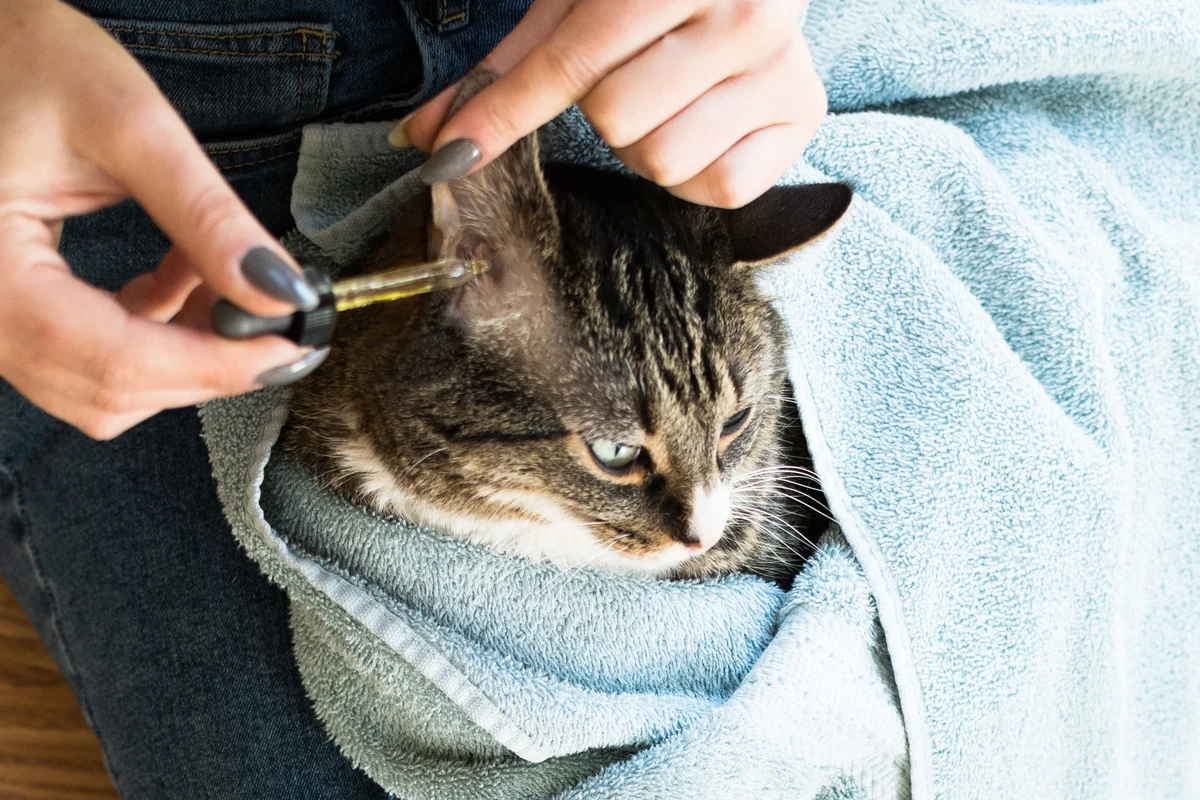
This guide on how to clean cat collars is written for general cat-owner education. For symptoms, food safety, recalls, medication, product specifications, or urgent changes, confirm details with a veterinarian, product label, official manual, manufacturer notice, or current recall source before acting.
Signs Your Cat’s Collar Needs Cleaning
Recognizing when your cat’s collar requires cleaning is crucial for maintaining their health. Certain signs can indicate that it’s time to freshen up the collar, ensuring your cat is comfortable and safe. This connects closely with how much is a health check for a cat if you want to compare the topic in more detail.
- Visible dirt or stains on the collar.
- Unpleasant odors emanating from the collar.
- Signs of irritation or discomfort on your cat’s neck.
Types of Cat Collars and Their Cleaning Requirements
Different types of collars may require distinct cleaning methods due to their materials. Understanding these can help you choose the best approach for each collar type.
Breakaway Collars
Breakaway collars are designed for safety, releasing when pulled. They are often made from synthetic materials that can be easily cleaned. These collars typically require gentle washing to maintain their integrity while removing dirt and odors.
Fabric Collars
Fabric collars can be prone to absorbing odors and stains. Regular cleaning is essential to keep them fresh. Depending on the fabric type, cleaning methods may vary, but many can be machine washed or hand washed with mild detergent.
Leather Collars
Leather collars need special care to maintain their appearance and durability. They should be cleaned with leather-specific products to avoid damage. Regular conditioning can also help prevent cracking and keep the leather supple. For feeding context, you may also want to read how much is a health certificate for a cat.
| Collar Type | Best Cleaning Method | Common Materials |
|---|---|---|
| Breakaway Collars | Gentle hand wash or machine wash | Nylon, polyester |
| Fabric Collars | Hand wash or machine wash with mild detergent | Cotton, polyester blends |
| Leather Collars | Use leather cleaner and conditioner | Genuine leather, synthetic leather |
Regularly check your cat’s collar for cleanliness and signs of wear to keep them safe and comfortable.
Step-by-Step Guide to Cleaning Cat Collars
To ensure your cat’s collar is cleaned effectively, follow this step-by-step guide tailored to the collar type. This will help you maintain their collar while ensuring it remains safe and comfortable for your pet.
Materials You’ll Need
Before you start cleaning, gather the necessary materials. This will ensure a smooth cleaning process without interruptions.
Mild detergent or specialized collar cleaner. Soft cloth or sponge for scrubbing. Bowl of warm water for rinsing. Leather conditioner (for leather collars). Towel for drying.
Cleaning Techniques for Different Collar Types
Each type of collar requires a specific cleaning technique. Here’s how to clean each type effectively:
- Breakaway Collars
Soak in warm, soapy water for 10-15 minutes, gently scrub with a soft sponge, rinse, and air dry.
- Fabric Collars
For machine-washable fabric collars, place them in a laundry bag and wash on a gentle cycle. For hand washing, scrub gently with a sponge in warm soapy water, rinse thoroughly, and air dry.
- Leather Collars
Wipe with a damp cloth to remove dirt, apply a leather cleaner, and follow with a conditioner to maintain suppleness.
Drying and Storing Your Cat’s Collar
After cleaning, proper drying and storage are essential to maintain the collar’s quality. Ensure that the collar dries completely before putting it back on your cat to prevent irritation. For related context, you may also want to read how to check if your cat has a health problem.
- Air dry in a shaded area to prevent fading.
- Avoid direct sunlight, especially for fabric collars.
- Store in a cool, dry place when not in use.
Hygiene is crucial for your cat’s collar, as dirt can lead to skin irritations.
Common Mistakes to Avoid When Cleaning Cat Collars
While cleaning cat collars may seem straightforward, there are common mistakes that pet owners should avoid to ensure the collar’s longevity and your cat’s safety.
Using harsh chemicals that may damage the collar material. Not rinsing thoroughly, leaving detergent residue. Skipping regular cleanings, leading to buildup of dirt and odors. For related safety context, compare this with how to prevent obesity in cats for better health.
- Set a regular cleaning schedule based on your cat’s activities.
- Keep cleaning supplies handy for quick washes.
- Monitor your cat for any signs of discomfort after collar cleaning.
How Often Should You Clean Your Cat’s Collar?
Establishing a cleaning routine can help keep your cat’s collar in good condition. It’s recommended to clean the collar every few weeks or whenever you notice dirt or odors. Regular checks can help maintain your cat’s comfort and hygiene. You can also use is royal canin good for cat health as a helpful next guide on the same cat-care topic.
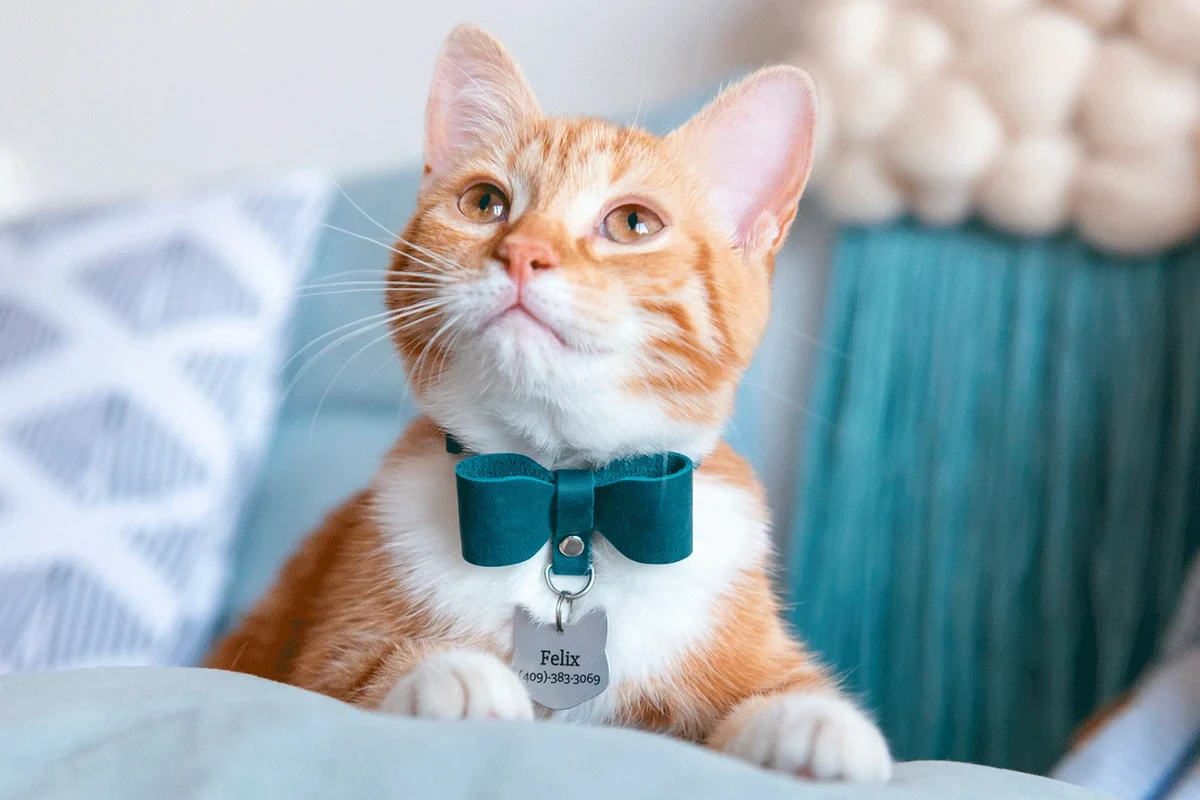
If you notice any skin irritation or allergic reactions, consult a veterinarian immediately.
What to Do If Your Cat’s Collar Is Damaged
If you notice damage to your cat’s collar, it’s essential to address it promptly. A damaged collar can pose a safety risk or cause discomfort to your pet. For related context, you may also want to read is wet food better for cat health.
- Replace collars with significant wear or tear.
- For minor damage, consider repairs if the material allows.
- Always monitor for signs of irritation on your cat.
Safety Tips for Cat Owners When Cleaning Collars
Keeping safety in mind while cleaning your cat’s collar is crucial. Here are some tips to ensure a safe cleaning process:
Use non-toxic cleaning products to avoid health risks. Check for any loose parts that could pose a choking hazard. Supervise your cat during the drying process to prevent any accidents. This also connects with do siamese cats have health issues best guide for cat lovers if you want to avoid a similar cat-care mistake.
- Check your cat’s collar for signs of wear.
- Assess the material type for appropriate cleaning methods.
- Consider your cat’s comfort and preferences when cleaning.
What This Means for Cat Owners
For cat owners, understanding how to clean cat collars is essential for maintaining your pet’s health and comfort. Regular cleaning prevents irritation and ensures the collar remains functional. By following the guidelines provided, you can ensure your cat’s collar stays fresh, safe, and comfortable.
Final Words
Cleaning your cat’s collar is a straightforward but essential aspect of pet care. Regular maintenance not only keeps your cat comfortable but also ensures their safety. By following the steps outlined in this guide, you can effectively clean different collar types and avoid common pitfalls. Remember, a clean collar contributes to a fresher and healthier pet.
🐾 Sufiya Begom's Tip: Every cat is different, so I always watch my own cats closely before assuming the worst. Small changes in appetite, grooming, or energy often mean something simple is going on — but if anything feels off for more than a day, it is always worth a quick check with your vet. Trust your instincts as a cat owner.
Frequently Asked Questions
Start with intended use, fit, verified specifications, safety instructions, care needs, and important limitations.
Start with the cat’s age, health history, home environment, safety guidance, and the main reason behind the topic.
It can vary by kitten, adult, senior cat, breed, temperament, health condition, diet, stress level, and home setup.
Check food changes, litter changes, symptoms, behavior changes, product fit, cleaning routine, and veterinarian guidance when health is involved.
A common mistake is treating every cat the same instead of considering age, health, environment, stress, and safety risks.
Contact a veterinarian if signs are sudden, severe, repeated, painful, linked to appetite, breathing, urination, weight, or involve kittens or senior cats.