
Territorial behavior in cats means a cat feels a place is its own. I see cats mark space with scent, scratch, or body rubs. They do this to feel safe. It is normal behavior. When I understand this, I can help my cat stay calm, secure, and happy at home.
I often see cats:
- Guard a room
- Block doorways
- Watch windows closely
This is not “bad” behavior. It is normal. My job is to guide it, not punish it.
Why Do Cats Become Territorial?
Cats become territorial to feel safe. They see space as their own. This comes from wild instincts. New places, new pets, or stress can trigger it. I notice my cat marks areas to feel calm. When I understand this need, I can help reduce fear and keep my cat relaxed and secure.
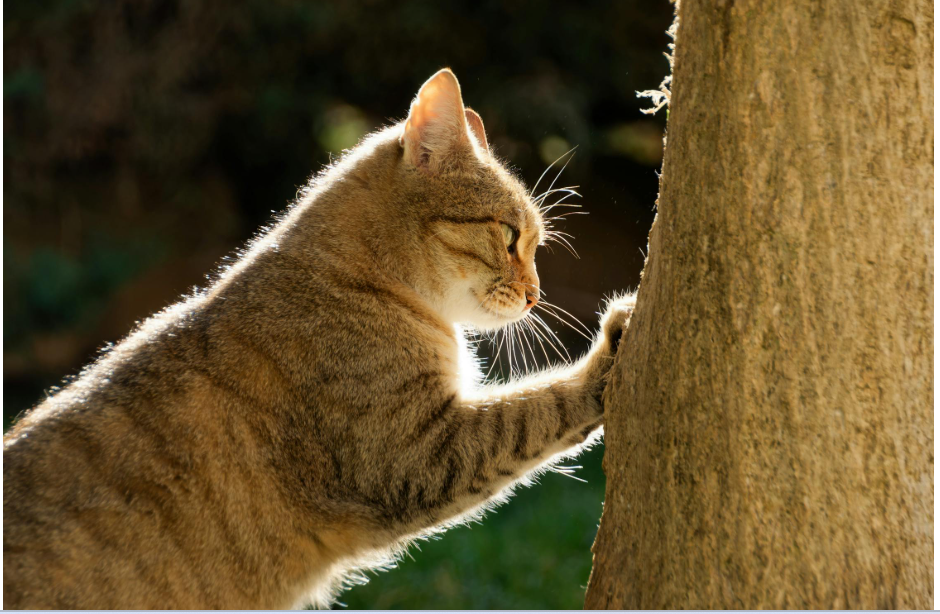
There are many reasons:
1. Survival Instinct
Cats think in terms of survival. Space means safety. Even indoor cats feel this deeply.
2. New Environment
When I move house, my cat may act more protective. Everything smells new. This can cause stress.
3. New Pets or People
A new cat or even a guest can trigger this. My cat may feel its space is under threat.
4. Lack of Resources
If food bowls or litter boxes are limited, cats compete. This raises tension fast.
Common Signs of Territorial Behavior in Cats
Common Signs of Territorial Behavior in Cats are easy to see. I notice spraying, scratching, and rubbing on objects. My cat may hiss, growl, or block spaces. Some cats stare or chase others. These signs show they feel unsafe. When I spot them early, I can help my cat feel calm and safe again.
Here are common signs:
- Spraying urine on walls
- Scratching furniture more often
- Hissing or growling
- Blocking access to areas
- Staring or stalking other pets
- Rubbing face on objects
Each sign has meaning. For example, spraying spreads scent. Scratching marks both scent and sight.
Types of Territorial Behavior in Cats
Types of Territorial Behavior in Cats include marking, guarding, and mild aggression. I often see cats spray, scratch, or rub to claim space. Some block doors or chase others. These actions help them feel safe. When I understand each type, I can support my cat and reduce stress at home.
1. Scent Marking
Cats use scent to claim space. I notice:
- Spraying
- Rubbing
- Scratching
This tells other cats: “This is mine.”
2. Aggressive Behavior
Some cats show:
- Biting
- Swatting
- Chasing
This often happens when they feel threatened.
3. Resource Guarding
Cats may guard:
- Food bowls
- Beds
- Litter boxes
This is more common in multi-cat homes.
Territorial Behavior in Multi-Cat Homes
Territorial Behavior in Multi-Cat Homes can be tricky. I see cats guard space, food, and beds. Some may hiss or hide. This happens when they feel unsafe. I help by giving each cat space, more litter boxes, and calm spots. This makes cats feel safe and live together in peace.
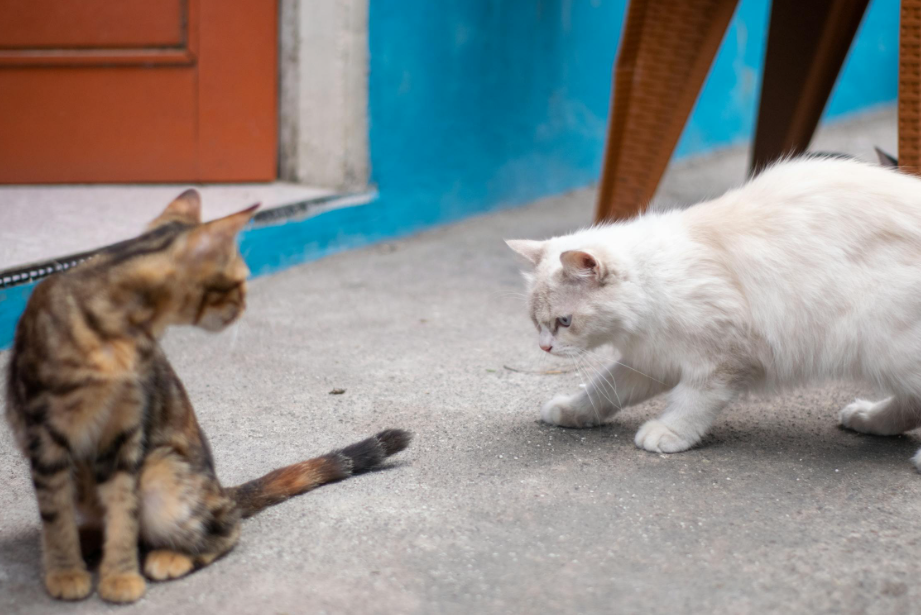
In multi-cat homes, I follow simple rules:
Provide Enough Resources
- One litter box per cat + one extra
- Separate food bowls
- Multiple sleeping areas
Create Vertical Space
Cats love height. I use:
- Cat trees
- Shelves
- Window perches
This reduces conflict.
Watch for Signs of Stress
If one cat hides often, I check for bullying.
How to Reduce Territorial Behavior in Cats
I reduce territorial behavior in cats by keeping a calm home. I give each cat space. I use more litter boxes and bowls. I play with them each day. I reward calm acts. I avoid stress. I keep a routine. This helps cats feel safe, relaxed, and happy.
Here are my proven steps:
1. Keep a Routine
Cats love routine. I feed and play at the same time daily.
2. Use Positive Reinforcement
I reward calm behavior. I never punish.
3. Enrich the Environment
I add:
- Toys
- Scratching posts
- Climbing spots
This keeps my cat busy and relaxed.
4. Safe Spaces
Each cat needs a quiet place. I make sure they have one.
Role of Scent in Territorial Behavior in Cats
Scent plays a key role in Territorial Behavior in Cats. Cats use scent to mark space and feel safe. I see them rub, scratch, and spray to leave their smell. This helps them stay calm. When their scent is strong, they feel secure and less stressed in their home.
Cats have scent glands on:
- Face
- Paws
- Tail
They use these to mark territory.
How I Help
- I avoid strong cleaners
- I keep familiar scents
- I do not wash everything at once
This helps maintain comfort.
When Territorial Behavior Turns Into a Problem
When territorial behavior turns into a problem, I notice clear signs. My cat may hiss, fight, or hide often. These signs show stress or fear. I take them seriously. Early action helps a lot. I create calm space, keep routine, and reduce stress so my cat feels safe again at home.
Warning signs:
- Frequent fights
- Injury
- Constant hiding
- Loss of appetite
If I see these, I act fast.
Training Tips to Manage Territorial Behavior in Cats
Training Tips to Manage Territorial Behavior in Cats help me guide my cat with care. I use simple steps, calm tone, and rewards. I avoid force or fear. I give space, keep routine, and add fun play. With time and patience, my cat feels safe, relaxed, and less defensive in daily life.
My Training Approach:
- Stay calm
- Use rewards
- Avoid punishment
Simple Techniques:
- Redirect with toys
- Reward calm behavior
- Separate cats if needed
Diet and Health Impact on Territorial Behavior
A cat’s diet and health affect its behavior. Poor food, dehydration, or illness can make a cat stressed or aggressive. I always give my cat proper nutrition, fresh water, and regular vet checkups. Healthy cats feel safe, calm, and less territorial in their space.
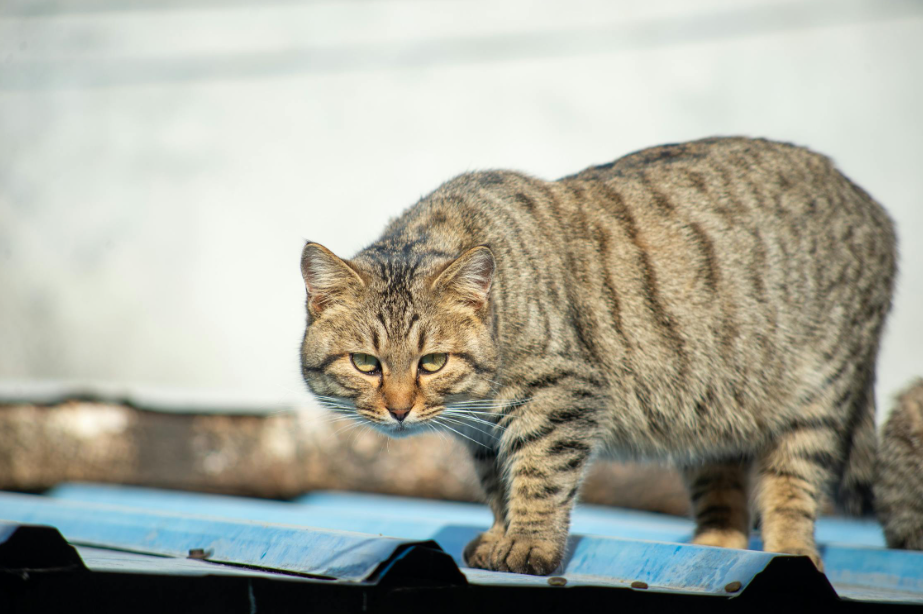
Things I check:
- Proper nutrition
- Clean water
- Regular vet visits
Sometimes pain or illness can increase aggression.
When to Seek Professional Help
I seek professional help when my cat shows strong aggression, hides all the time, or suddenly changes behavior. Pain, illness, or stress can cause this. A vet or cat behaviorist can guide me. Early support keeps my cat safe, healthy, and happy, and makes life easier for both of us.
I seek help if:
- Aggression increases
- Injuries happen
- Behavior suddenly changes
FAQs About Territorial Behavior in Cats
1. Is territorial behavior normal in cats?
Yes. It is natural. Cats need space to feel safe.
2. Can indoor cats be territorial?
Yes. Even indoor cats show this behavior.
3. How do I stop my cat from spraying?
Reduce stress, clean areas well, and maintain routine.
4. Do male cats show more territorial behavior?
Unneutered males often show more marking behavior.
5. Can two cats share the same space peacefully?
Yes, with proper setup and enough resources.
Final Words
Cats are natural. Territorial behavior is part of who they are. I respect it. I give them space, safe spots, and routine. I watch for stress and reward calm actions. Small steps bring big changes. When I understand them, my cats feel safe, happy, and loved every day.
Author

Author

Mis Sufiya Begom
I'm Mis Sufiya Begom, a lifelong cat owner and the founder of Cattyo. I have spent years caring for my own cats and learning from veterinarians and fellow cat lovers along the way. I started this blog to help other cat owners find clear, practical, and caring answers for everyday cat questions. My goal is to help you and your cat live a happier, healthier life together. Join me as we explore everything there is to know about cats!
🐾 Sufiya Begom's Tip: Every cat is different, so I always watch my own cats closely before assuming the worst. Small changes in appetite, grooming, or energy often mean something simple is going on — but if anything feels off for more than a day, it is always worth a quick check with your vet. Trust your instincts as a cat owner.