
Gently stroke a cat’s head, back, and under the chin for a positive experience. Avoid petting the belly unless you know the cat well. Understanding how to pet a cat the right way builds trust and encourages happy purring.
Last updated: July 6, 2026
Understanding how to pet a cat is vital for building a strong bond with your feline friend. Proper petting techniques not only make your cat feel loved but also promote their overall well-being. In this guide, we will explore how to pet a cat effectively, the benefits of proper techniques, and how to interpret your cat’s body language to ensure a happy, purring companion.
- Start with the cat: Age, health, diet, behavior, and home setup change the right answer.
- Check safety first: Watch for pain, appetite changes, breathing issues, urination changes, or repeated symptoms.
- Use practical steps: Adjust routines, food, litter, grooming, play, or products slowly and safely.
- Know the limits: Cat-care advice varies by cause, product, environment, and veterinarian guidance.
The Benefits of Proper Petting Techniques
Using the right petting techniques can enhance your cat’s health and happiness. Proper petting fosters trust and strengthens the bond between you and your cat, making them feel safe and loved. Additionally, it can help reduce stress and anxiety, which are common issues in cats. For related context, you may also want to read how much does a vet visit cost for a cat health checkup.
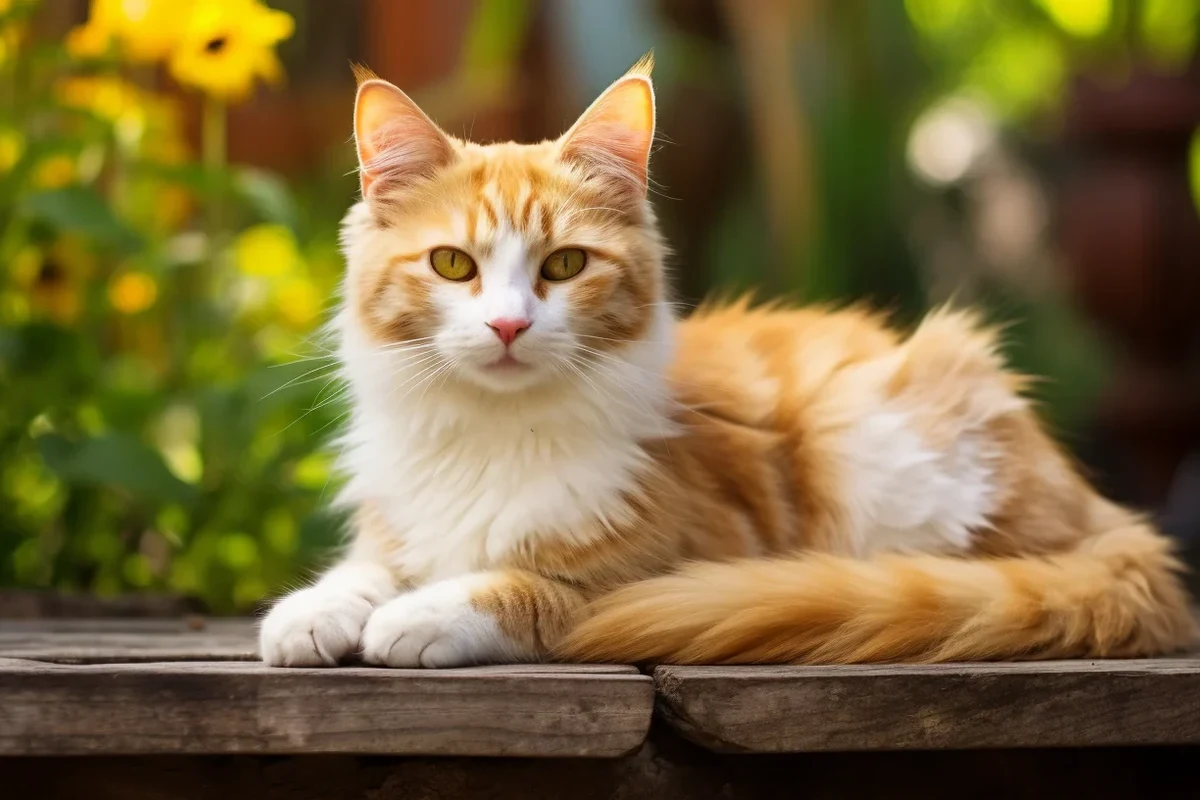
This guide on how to pet a cat is written for general cat-owner education. For symptoms, food safety, recalls, medication, product specifications, or urgent changes, confirm details with a veterinarian, product label, official manual, manufacturer notice, or current recall source before acting.
Understanding Your Cat’s Body Language
Before you reach for your cat, it’s essential to understand their body language. Cats communicate their feelings through various signals, and recognizing these can help you pet them in a way they appreciate. This section will help you identify signs of enjoyment and discomfort in your cat.
Signs That Your Cat Enjoys Being Petted
When a cat enjoys being petted, they will exhibit specific behaviors that indicate their pleasure. Recognizing these signs can help you create a positive petting experience.
- Purring or soft chirping sounds.
- Leaning into your hand or rubbing against you.
- Relaxed body posture and kneading with their paws.
Common Signs of Discomfort or Stress
It’s equally important to recognize when your cat is uncomfortable or stressed. Ignoring these signs can lead to negative experiences for both you and your cat.
Twitching tail or flattened ears. Attempting to move away or hiding. Hissing, growling, or swatting at your hand. You can also use how much is a health check for a cat as a helpful next guide on the same cat-behavior topic.
Always check your cat’s mood before initiating petting sessions to ensure a positive experience.
Step-by-Step Guide: How to Pet a Cat
Learning how to pet a cat properly involves understanding the environment and employing effective techniques. This guide provides a step-by-step approach to ensure your cat enjoys the interaction.
Preparing the Environment for Petting
Creating a calm and secure environment is crucial before attempting to pet your cat. This helps reduce anxiety and prepares your cat for a positive experience.
- Choose a Quiet Space
Find a quiet area where your cat feels comfortable and secure.
- Observe Your Cat’s Mood
Look for signs of relaxation before approaching your cat.
- Approach Slowly
Move gently towards your cat, allowing them to come to you if they wish.
Best Techniques for Petting Different Cat Breeds
Different breeds may have varying preferences for petting, so understanding these differences can help you tailor your approach. You can also use how much is a health certificate for a cat as a helpful next guide on the same cat-care topic.
| Breed | Preferred Petting Technique | Note |
|---|---|---|
| Siamese | Gentle strokes along the back | Enjoys interactive play |
| Maine Coon | Long, smooth strokes | Appreciates grooming |
| Bengal | Short, firm strokes | Active and playful |
| Persian | Soft, gentle touches | Prefers calm environments |
Proper petting can significantly reduce stress and anxiety in cats, leading to a happier and healthier life.
What Not to Do When Petting Your Cat
Understanding what not to do during petting is as important as knowing the right techniques. This section highlights common mistakes that can lead to a negative experience for your cat.
Common Mistakes to Avoid
Many cat owners unknowingly make mistakes while petting their cats. Avoiding these can enhance your cat’s comfort and trust in you.
- Petting against the fur.
- Overstimulating by petting for too long.
- Ignoring your cat’s body language signs.
Understanding Your Cat’s Limits
Every cat has its own comfort levels when it comes to petting. Being aware of these limits is crucial to fostering a positive relationship.
Be attentive to your cat’s cues. Stop petting if your cat shows signs of irritation. Respect their personal space if they walk away. For related context, you may also want to read how to check if your cat has a health problem.
When to Call a Veterinarian: Signs of Stress or Health Issues
Sometimes, negative reactions to petting can indicate underlying health issues. It’s essential to know when to seek professional help for your cat.
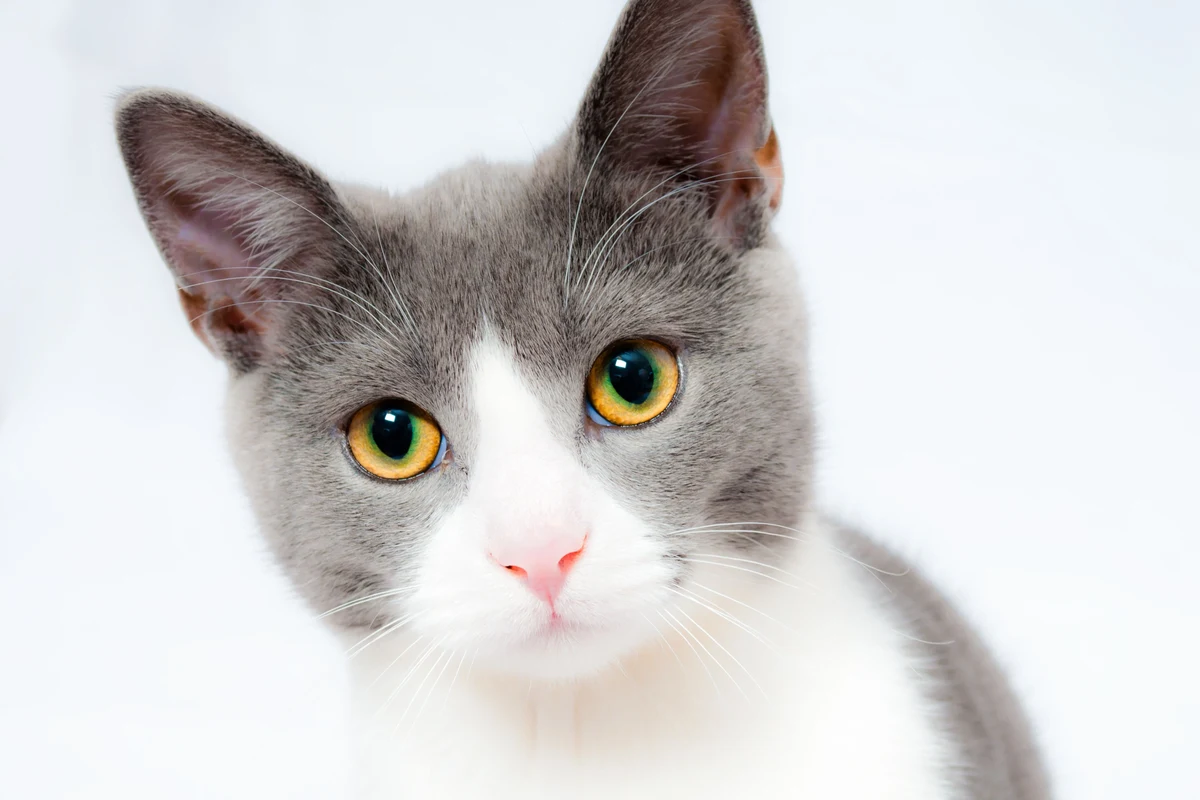
If your cat shows persistent signs of stress, such as excessive aggression or withdrawal, it may be worth consulting a veterinarian. Additionally, sudden changes in behavior can signal potential health problems. For behavior context, how to prevent obesity in cats for better health can help you compare similar signs.
All cat breeds can benefit from proper petting techniques.
A calm and quiet home environment will enhance the petting experience.
Be cautious when introducing petting to shy or stressed cats.
How to Pet Kittens vs. Senior Cats
The techniques for petting kittens and senior cats differ due to their unique needs and sensitivities. Understanding these differences is essential for effective interaction.
Different Approaches for Kittens
Kittens are typically more playful and energetic, which influences how you should pet them. They may enjoy shorter, interactive sessions.
- Focus on gentle touches and short play sessions.
- Encourage exploration and interactive play.
- Use toys to engage them during petting.
Special Considerations for Senior Cats
Senior cats may require a more delicate approach due to their health conditions. Being gentle and aware of their comfort is vital.
Use slow, gentle strokes to avoid startling them. Be mindful of any areas that may be sensitive due to arthritis. Provide a warm, comfortable space for them to relax. You can also use is royal canin good for cat health as a helpful next guide on the same cat-care topic.
- Start with gentle strokes on areas your cat enjoys.
- Monitor your cat’s body language throughout the session.
- Always provide a safe space for your cat to retreat if needed.
Tools and Products to Enhance Your Petting Experience
Using the right tools can enhance the petting experience for both you and your cat. This section covers useful products that can make petting more enjoyable.
Recommended Brushes and Grooming Tools
Grooming tools can help maintain your cat’s coat and enhance your bond through care. Consider using the following:
- Soft-bristle brushes for gentle grooming.
- Fur removers to reduce shedding.
- Cat combs for detangling long-haired cats.
Safe Treats to Reward Your Cat
Using treats can reinforce positive behavior during petting sessions. Choose healthy options that your cat enjoys.
Small pieces of cooked chicken or fish. Commercial cat treats designed for training. Catnip-infused treats for added excitement. For feeding context, you may also want to read is wet food better for cat health.
If your cat shows sudden aggression, withdrawal, or changes in behavior, consult a veterinarian to rule out health issues.
What This Means for Cat Owners
For cat owners, understanding how to pet a cat properly can significantly improve your relationship with your feline friend. By recognizing their signs of enjoyment and discomfort, you can create a safe and loving environment for your cat. This connects closely with do siamese cats have health issues best guide for cat lovers if you want to compare the topic in more detail.
Final Words
Petting your cat the right way is essential for their happiness and your relationship. By following the techniques outlined in this guide, you can ensure that your interactions are positive and fulfilling. Always be mindful of your cat’s body language and adjust your approach as needed to create a strong bond with your furry companion.
🐾 Sufiya Begom's Tip: Every cat is different, so I always watch my own cats closely before assuming the worst. Small changes in appetite, grooming, or energy often mean something simple is going on — but if anything feels off for more than a day, it is always worth a quick check with your vet. Trust your instincts as a cat owner.
Frequently Asked Questions
Start with intended use, fit, verified specifications, safety instructions, care needs, and important limitations.
Start with the cat’s age, health history, home environment, safety guidance, and the main reason behind the topic.
It can vary by kitten, adult, senior cat, breed, temperament, health condition, diet, stress level, and home setup.
Check food changes, litter changes, symptoms, behavior changes, product fit, cleaning routine, and veterinarian guidance when health is involved.
A common mistake is treating every cat the same instead of considering age, health, environment, stress, and safety risks.
Contact a veterinarian if signs are sudden, severe, repeated, painful, linked to appetite, breathing, urination, weight, or involve kittens or senior cats.