
To take care of a cat for a happy and healthy life, provide a balanced diet, regular veterinary check-ups, clean litter boxes, and fresh water. Additionally, ensure daily playtime and mental stimulation, along with plenty of love and attention to meet their emotional needs.
Last updated: July 11, 2026
Caring for a cat is a rewarding experience that requires attention to their specific needs for a happy and healthy life. Knowing how to take care of a cat involves understanding their nutrition, environment, health care, and behavior. This comprehensive guide will walk you through the essential aspects of cat care, ensuring your feline friend thrives in your home.
- Start with the cat: Age, health, diet, behavior, and home setup change the right answer.
- Check safety first: Watch for pain, appetite changes, breathing issues, urination changes, or repeated symptoms.
- Use practical steps: Adjust routines, food, litter, grooming, play, or products slowly and safely.
- Know the limits: Cat-care advice varies by cause, product, environment, and veterinarian guidance.
Understanding Your Cat’s Basic Needs
Understanding your cat’s basic needs is fundamental to providing the best care possible. This includes their nutritional requirements, hydration, and the right living conditions to promote their well-being.

Nutrition: Choosing the Right Cat Food
Proper nutrition is vital for your cat’s overall health and well-being. Selecting the right cat food involves understanding their age, activity level, and specific dietary requirements.
- Choose high-quality cat food with real meat as the first ingredient.
- Consider your cat’s life stage: kittens need different nutrients than adults or seniors.
- Monitor for any food allergies or sensitivities, and adjust accordingly.
Hydration: Importance of Fresh Water
Hydration is crucial for your cat’s health. Cats are often not big drinkers, so providing fresh, clean water is essential for preventing urinary tract issues and promoting overall health.
Always have fresh water available in a clean bowl. Consider a cat water fountain to encourage your cat to drink more. Monitor your cat’s water intake, especially if they are on a dry food diet. For related context, you may also want to read how much does a vet visit cost for a cat health checkup.
Consult your veterinarian for personalized dietary recommendations based on your cat’s health needs.
Creating a Safe and Comfortable Home Environment
A safe and comfortable home environment is essential for your cat’s happiness. This includes providing appropriate litter, furniture, and overall space for your cat to thrive.
Choosing the Right Cat Litter
Selecting the right cat litter is important for both your cat’s comfort and your home’s cleanliness. The right litter can help prevent accidents and encourage your cat to use their litter box regularly.
| Type of Litter | Best For | What to Check |
|---|---|---|
| Clumping Clay | Easy cleaning | Odor control, dust levels |
| Non-Clumping Clay | Budget-friendly | Absorbency |
| Biodegradable | Eco-conscious owners | Price, availability |
| Crystal | Long-lasting | Ability to absorb moisture |
Essential Cat Furniture and Accessories
Providing your cat with the right furniture and accessories can enhance their comfort and well-being. Essential items include scratching posts, cat trees, and cozy sleeping spots. This connects closely with how much is a health check for a cat if you want to compare the topic in more detail.
- Invest in a good scratching post to prevent furniture damage.
- Provide vertical space with cat trees or shelves for climbing and exploring.
- Ensure your cat has a quiet, safe place to sleep and retreat.
Many cats prefer running water, which can lead them to drink more and stay hydrated.
The Importance of Regular Veterinary Care
Regular veterinary care is essential for maintaining your cat’s health throughout their life. This includes vaccinations, check-ups, and preventative treatments.
| Type of Care | Frequency |
|---|---|
| Annual Check-ups | Once a year |
| Vaccinations | As recommended (varies by age and health) |
| Dental Cleanings | Every 1-2 years |
| Parasite Prevention | Monthly or as advised |
Vaccinations and Preventative Treatments
Vaccinations protect your cat from various diseases, while preventative treatments such as flea and tick control are crucial for their health. Keeping up with these can save you from more serious health issues down the line.
Ensure your cat receives core vaccinations recommended by your veterinarian. Discuss flea, tick, and heartworm prevention options during check-ups. Keep a schedule for vaccinations and preventative treatments.
Signs Your Cat Might Need to See a Veterinarian
Being aware of the signs that indicate your cat may need veterinary attention is vital for early intervention. Look out for unusual behavior or symptoms that suggest health issues. For related health context, you may also want to read how much is a health certificate for a cat.
- Changes in appetite or weight.
- Unusual lethargy or decreased activity.
- Vomiting, diarrhea, or changes in litter box habits.
🐾 Sufiya Begom’s Tip: Cats love to observe their surroundings from high places, so consider adding shelves or a cat tree near a window!
Grooming Your Cat: Best Practices and Tools
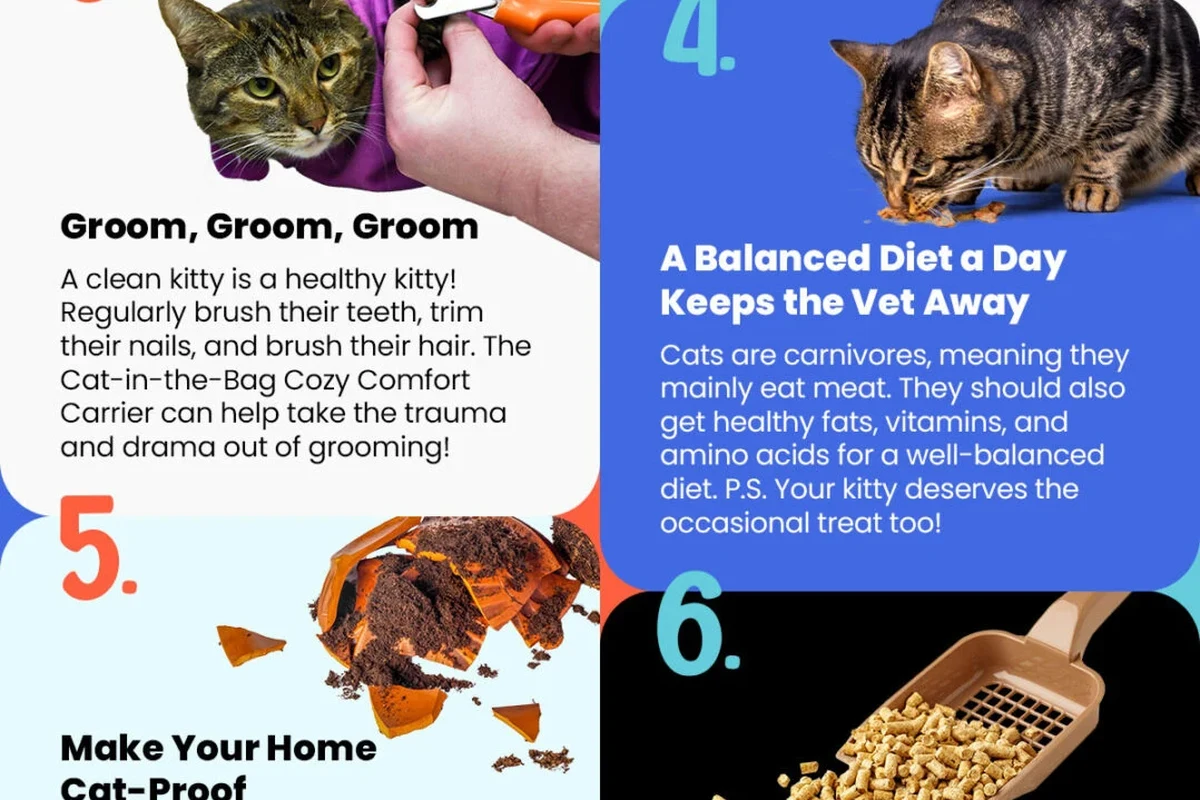
Regular grooming is essential for keeping your cat healthy and comfortable. It helps reduce shedding, mats, and can even prevent some health problems.
How Often Should You Groom Your Cat?
The frequency of grooming depends on your cat’s breed and coat type. Long-haired cats may require more frequent grooming than short-haired ones, but all cats benefit from regular attention.
Brush long-haired cats daily to prevent mats and tangles. Short-haired cats may need grooming a few times a week. Regularly check for signs of fleas, ticks, or skin issues during grooming sessions.
Common Grooming Mistakes to Avoid
While grooming is beneficial, there are common mistakes that can make the process unpleasant for both you and your cat. Awareness of these can help create a more positive experience. This also connects with how to check if your cat has a health problem if you want to avoid a similar cat-care mistake.
- Avoid using human grooming tools, as they can irritate your cat’s skin.
- Don’t rush the process; take time to make it enjoyable.
- Be cautious of sensitive areas like the belly and paws.
Regularly check with your vet to stay updated on necessary vaccinations and treatments.
Understanding Cat Behavior and Communication
A key aspect of cat care is understanding their behavior and communication. Recognizing your cat’s body language and vocalizations can enhance your relationship with them.
What Your Cat’s Body Language is Telling You
Understanding your cat’s body language is crucial for interpreting their feelings and needs. Cats communicate through their posture, tail position, and ear orientation.
A relaxed cat will have a neutral posture and a slightly raised tail. When a cat’s ears are pointed forward, they are curious or engaged. Flattened ears can indicate fear or aggression.
Common Behavioral Issues and Solutions
Recognizing and addressing common behavioral issues early is important for a harmonious home. Various factors can contribute to these issues, so understanding the root cause is essential. For behavior context, do siamese cats have health issues best guide for cat lovers can help you compare similar signs.
- Inappropriate elimination can often be due to stress or litter box issues.
- Excessive scratching might indicate boredom or a need for more stimulation.
- Changes in behavior can signal health problems, requiring a vet visit.
Training Your Cat: Tips for New Owners
Training your cat is not only possible but beneficial for both of you. Teaching them basic commands and litter training can improve your cat’s behavior and your relationship.
Basic Commands and Litter Training
Training your cat to follow basic commands and use the litter box correctly can significantly enhance your living environment. While cats may not respond like dogs, they can learn through consistency and patience.
Use treats and praise to reinforce positive behavior. Start with simple commands like “sit” or “come.”. For litter training, place them in the box after meals and reward them for using it.
Positive Reinforcement Techniques
Positive reinforcement is a powerful training method that encourages good behavior through rewards. This approach can strengthen the bond between you and your cat. You can also use is royal canin good for cat health as a helpful next guide on the same cat-care topic.
- Give treats immediately after your cat performs the desired behavior.
- Use toys or affection as rewards, not just food.
- Stay consistent with commands and rewards to avoid confusion.
Always consult a veterinarian if you notice concerning symptoms or significant behavioral changes.
Keeping Your Cat Engaged and Stimulated
Engaging your cat in play and providing stimulation is crucial for their mental and physical health. Boredom can lead to destructive behavior, so it’s important to keep them entertained.
Choosing the Right Toys for Your Cat
Selecting the right toys can make a significant difference in your cat’s happiness. Different types of toys can cater to various play styles and preferences.
Interactive toys encourage exercise and mental stimulation. Cats often enjoy toys that mimic prey, such as feather wands or laser pointers. Rotate toys regularly to keep their interest high.
Creating an Enriching Environment
An enriching environment can significantly affect your cat’s quality of life. This includes providing vertical spaces, hiding places, and opportunities for exploration. For feeding context, you may also want to read how to prevent obesity in cats for better health.
- Install shelves or cat trees to create vertical spaces.
- Use boxes or tunnels for hiding and playing.
- Provide a window perch for bird watching and sunbathing.
- Check your cat’s coat type.
- Consider their grooming habits and preferences.
- Ask a veterinarian for grooming product recommendations.
Managing Weight and Health as Your Cat Ages
As your cat ages, their nutritional needs and health requirements change. It’s important to adapt their diet and care routine accordingly.
Understanding the Nutritional Needs of Kittens vs. Seniors
Kittens and senior cats have different nutritional requirements. Understanding these differences can help you make informed decisions about their diet.
Kittens require higher protein levels and calories to support growth. Senior cats often benefit from specialized diets that cater to their changing metabolism. Consult your veterinarian for advice on transitioning between life stages.
Recognizing Signs of Weight Issues
Keeping your cat at a healthy weight is vital for their overall health. Watch for signs that indicate your cat may be overweight or underweight. This connects closely with is wet food better for cat health if you want to compare the topic in more detail.
- Inspect your cat’s body shape; they should have a visible waist.
- Feel for ribs; you should be able to feel them without excess fat.
- Monitor their activity levels; decreased play can indicate weight issues.
Always use grooming tools specifically designed for cats to avoid injury.
What This Means for Cat Owners
Caring for a cat involves understanding their unique needs in nutrition, health, behavior, and environment. By providing a balanced diet, regular veterinary care, and a stimulating environment, you can ensure your cat leads a happy and healthy life. Always be attentive to their signs and consult professionals when necessary.
Final Words
Taking care of a cat requires commitment and knowledge about their specific needs. By focusing on nutrition, health, grooming, and engaging activities, you can create a nurturing environment for your feline friend. Remember, the bond you share with your cat is built on trust and understanding, so take the time to learn about their behavior and preferences.
Frequently Asked Questions
Start with intended use, fit, verified specifications, safety instructions, care needs, and important limitations.
Start with the cat’s age, health history, home environment, safety guidance, and the main reason behind the topic.
It can vary by kitten, adult, senior cat, breed, temperament, health condition, diet, stress level, and home setup.
Check food changes, litter changes, symptoms, behavior changes, product fit, cleaning routine, and veterinarian guidance when health is involved.
A common mistake is treating every cat the same instead of considering age, health, environment, stress, and safety risks.
Contact a veterinarian if signs are sudden, severe, repeated, painful, linked to appetite, breathing, urination, weight, or involve kittens or senior cats.