
Yes, cats often carry around toys and cry as a form of communication or play. This behavior can indicate excitement, frustration, or a need for attention.
Last updated: October 30, 2026
As a cat owner, witnessing your feline friend carrying around a toy while crying can be perplexing. This behavior, while common, often leaves owners wondering about its significance. Understanding why your cat carries around a toy and cries can help you better respond to their needs, whether it’s a sign of playfulness, frustration, or something deeper. In this article, we will explore the reasons behind this behavior and what you can do to support your cat’s emotional well-being. You can also use best way to clean a cat as a helpful next guide on the same cat-care topic.
- Behavioral Insight: Carrying toys can signify hunting instincts or a desire for play.
- Attention Seeking: Crying may indicate your cat wants interaction or needs something.
- Stress Indicators: Repeated crying could point to anxiety or discomfort in their environment.
- Play Engagement: Encouraging playtime can help alleviate stress and foster bonding.
Understanding the Behavior
Carrying toys and crying are behaviors that can reveal much about your cat’s emotional state. Cats are complex creatures, and their actions often serve as a form of communication. Recognizing what these behaviors signify can help you provide better care and engage more positively with your cat. how to increase cat milk production explains a closely related behavior worth understanding too.
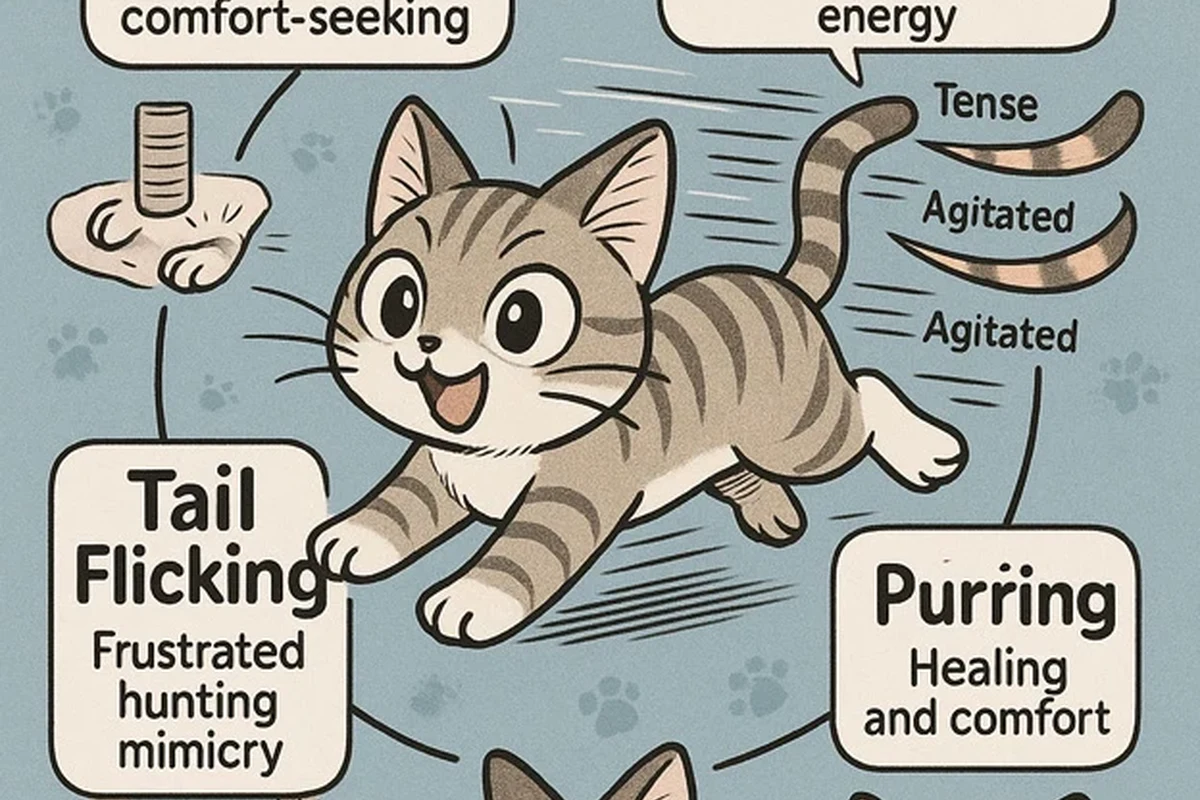
Playfulness and Hunting Instincts
Cats are natural hunters, and carrying toys mimics the behavior they would exhibit in the wild. This playfulness is essential for their mental and physical health. A cat might carry a toy and cry out of excitement, as if they have made a successful catch. can you use cat flea products on dogs is a useful related read on this.
Attention Seeking
Another reason your cat may carry a toy and cry is to get your attention. Cats can be vocal when they want interaction, and carrying a toy may be their way of inviting you to join in their play. This behavior can strengthen your bond and provide a fun interaction for both of you.
Stress and Anxiety Indicators
If your cat seems overly anxious or its crying becomes excessive, it might indicate underlying stress. Changes in their environment, such as moving to a new home or the introduction of a new pet, can lead to this behavior. Being attentive to your cat’s emotional needs is crucial. If this behavior sounds familiar, why does my cat bring me toys covers a related pattern.
Use this guide for why does my cat carry around a toy and cry as a practical checklist, then adjust the advice to your cat’s age, health history, routine, and home environment.
Common Reasons for Carrying Toys and Crying
Understanding the various motivations behind this behavior can help you address any issues effectively. Below is a table summarizing the common reasons why cats may carry toys and cry. You can also use how to entertain a cat without toys as a helpful next guide on the same cat-care topic.
| Reason | Description | Recommended Action |
|---|---|---|
| Playfulness | Indicates excitement or joy in play. | Engage in playtime with your cat. |
| Attention Seeking | Your cat wants you to join or respond. | Play along or give attention to your cat. |
| Stress/Anxiety | Excessive crying may signal distress. | Assess the environment and make it calmer. |
Cats often show discomfort through small changes in appetite, litter box use, grooming, hiding, play, or body language before the problem looks obvious.
How to Respond to This Behavior
When your cat carries a toy and cries, how you respond can make a significant difference in their emotional state. Here are some practical steps you can take to support your cat: You can also use why does my cat bite me lightly as a helpful next guide on the same cat-behavior topic.
| Response Action | Purpose |
|---|---|
| Engage in Playtime | Redirects attention and provides mental stimulation |
| Offer Comfort | Soothes anxiety and builds trust |
| Provide Variety | Encourages exploration and reduces boredom |
| Monitor Behavior | Identifies potential health issues or stressors |
- Provide regular play sessions to fulfill their hunting instincts.
- Ensure a safe and calm environment to reduce stress.
- Respond to their cries with gentle interaction to reinforce bonding.
- Watch body language before touching or redirecting your cat.
- Use short, calm training sessions with rewards.
- Change the environment before assuming your cat is being stubborn.
Helpful Tips for Cat Owners
Here are some additional tips to keep in mind when dealing with your cat’s toy-carrying and crying behavior:
Rotate toys regularly to keep your cat engaged and interested. Observe your cat’s behavior to identify patterns or triggers. Consider interactive toys that promote engagement and mental stimulation. For related context, you may also want to read why does my cat bite me lightly calm nuanced guide.
If a behavior change is sudden, extreme, aggressive, linked to hiding, pain, appetite changes, or litter box changes, rule out health causes with a veterinarian first.
The Practical Takeaway on Why does my cat carry around a toy and cry
why does my cat carry around a toy and cry depends on your cat’s age, health, personality, environment, and routine. Use the article as a practical guide, then choose the safest next step for your specific cat. top interactive toys for smart cats is a useful related read on this.
- Start with your cat’s normal behavior and recent changes.
- Change one thing at a time when testing routines or products.
- Ask a professional when health, safety, pain, or stress is involved.
This guide on why does my cat carry around a toy and cry is written for general cat-owner education. For symptoms, food safety, recalls, medication, product specifications, or urgent changes, confirm details with a veterinarian, product label, official manual, manufacturer notice, or current recall source before acting.
Final Words
Understanding why your cat carries around a toy and cries can enhance your relationship with them. By recognizing the underlying reasons for their behavior, you can take appropriate actions to support their emotional needs and ensure they feel secure in their environment. Whether it’s through playtime, attention, or a calming environment, your responsiveness can make a significant difference in your cat’s happiness.
🐾 Sufiya Begom's Tip: Every cat is different, so I always watch my own cats closely before assuming the worst. Small changes in appetite, grooming, or energy often mean something simple is going on — but if anything feels off for more than a day, it is always worth a quick check with your vet. Trust your instincts as a cat owner.
Frequently Asked Questions
Cats cry while carrying toys to express excitement or to seek attention from their owners.
Yes, it is a common behavior in cats, often linked to their natural hunting instincts.
You can engage your cat in play to satisfy its hunting instincts and provide the attention it seeks.
It can; if the crying is excessive, it may be a sign of anxiety or discomfort in their environment.
If the behavior is frequent and accompanied by other signs of distress, it may be worth consulting a veterinarian.
Interactive toys that mimic prey can be especially engaging for your cat and encourage healthy play.