Yes, cats sit on their toys to claim them as part of their territory. This behavior is rooted in their natural instincts and can signify comfort and ownership over their playthings.
Last updated: October 30, 2026
In the fascinating world of feline behavior, understanding why do cats sit on their toys can reveal a lot about their instincts and feelings. Seeing a cat perched atop their favorite toy might seem amusing, but this behavior is rooted in their natural instincts. Cats often engage in this practice as a way to claim their territory, feel secure, and express their playful nature. In this article, we will explore the various reasons behind this behavior and what it means for your cat. This connects closely with are method cleaning products safe for cats if you want to compare the topic in more detail.
- Territorial instinct: Cats often sit on their toys to assert ownership and mark their territory.
- Comfort: Sitting on toys can provide comfort and security, especially if the toy resembles prey.
- Play behavior: Engaging with toys by sitting on them is part of their natural play and.
- Social signaling: This behavior can also communicate to other cats that a toy is “theirs.”
Understanding the Territorial Nature of Cats
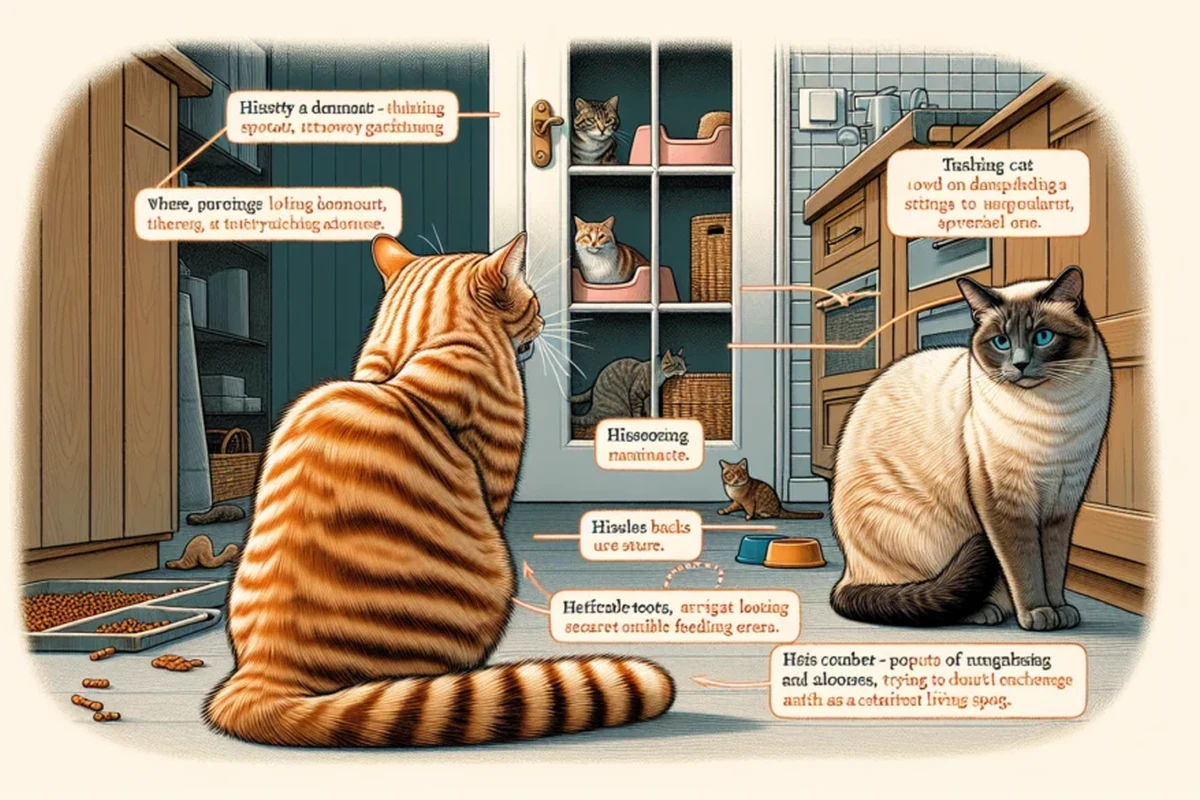
Cats are inherently territorial animals. When they sit on their toys, they are often marking their space and asserting ownership. This behavior is instinctual, dating back to their wild ancestors who needed to establish territory to survive. are scentsy products safe for cats is a useful related read on this.
The Role of Scent Marking
Cats have scent glands located in various parts of their bodies, including their paws and cheeks. When a cat sits on or kneads a toy, they may be leaving their scent on it, effectively marking it as theirs. This behavior is a way to communicate with other cats that this toy belongs to them.
Claiming Ownership Over Their Toys
By sitting on their toys, cats signal that these items are part of their territory. This behavior can be particularly pronounced in multi-cat households, where competition for toys might lead to more noticeable territorial displays. You can also use why does my cat bring me toys as a helpful next guide on the same cat-care topic.
- Look for recent stress, schedule changes, new pets, or moved furniture.
- Watch body language, hiding, vocal changes, litter changes, and appetite.
- Avoid punishment and ask a veterinarian or behaviorist if the change is sudden or unsafe.
Behavioral Aspects: Play and Comfort
Aside from territorial instincts, sitting on toys can also provide comfort to cats. Toys might serve as safe spaces or familiar objects that help them feel secure in their environment.
Providing Security and Comfort
Many cats find comfort in their toys, especially if they are soft or resemble prey. When a cat sits on a toy, it may be seeking warmth and a sense of safety, much like how they would curl up in a cozy spot.
Encouraging Playfulness
Moreover, this behavior can also be part of their playful nature. Engaging with toys is essential for a cat’s mental and physical well-being. Sitting on a toy may be an invitation for play or a way to show that they are ready to engage. See how to entertain a cat without toys for a closer look at a related side of this topic.
Use this guide for why do cats sit on their toys as a practical checklist, then adjust the advice to your cat’s age, health history, routine, and home environment.
Factors Influencing Toy-Related Behavior
Several factors can influence how cats interact with their toys. Understanding these can help you provide a more enriching environment for your feline friend. You can also use do siamese cats have health issues best guide for cat lovers as a helpful next guide on the same cat-behavior topic.
| Factor | Influence on Behavior | What to Monitor |
|---|---|---|
| Age | Kittens are more playful, while older cats may prefer comfort. | Watch for changes in playfulness as your cat ages. |
| Type of Toy | Interactive toys may encourage more play compared to static ones. | Evaluate which toys your cat engages with the most. |
| Environment | A stimulating environment promotes active play. | Ensure your cat has various toys and space to play. |
Cats often show discomfort through small changes in appetite, litter box use, grooming, hiding, play, or body language before the problem looks obvious.
Exploring Common Misconceptions
There are many misconceptions surrounding why do cats sit on their toys. Understanding the truth behind these can help improve your relationship with your pet.

Myth: Cats Are Just Being Lazy
One common myth is that cats sit on their toys simply because they are lazy. In reality, this behavior is a sign of territoriality and comfort, not laziness.
Myth: Only Certain Cats Display This Behavior
Another misconception is that only certain breeds or types of cats will sit on their toys. In truth, all cats, regardless of breed, can exhibit this behavior as it is instinctual. For behavior context, top interactive toys for smart cats can help you compare similar signs.
- Rotate toys regularly to keep your cat engaged.
- Provide a variety of toys that stimulate different senses.
- Engage in interactive play sessions to strengthen your bond.
Practical Tips for Cat Owners
To support your cat’s natural behaviors and enhance their play experience, consider the following tips: This connects closely with whats the best product to kill fleas on cats if you want to compare the topic in more detail.
This guide on why do cats sit on their toys is written for general cat-owner education. For symptoms, food safety, recalls, medication, product specifications, or urgent changes, confirm details with a veterinarian, product label, official manual, manufacturer notice, or current recall source before acting.
What Why do cats sit on their toys Is Really Telling You
why do cats sit on their toys depends on your cat’s age, health, personality, environment, and routine. Use the article as a practical guide, then choose the safest next step for your specific cat. This connects closely with best way to clean a cat if you want to compare the topic in more detail.
- Start with your cat’s normal behavior and recent changes.
- Change one thing at a time when testing routines or products.
- Ask a professional when health, safety, pain, or stress is involved.
Final Words
Understanding why do cats sit on their toys can enhance your relationship with your feline friend. By recognizing their need for territory, comfort, and play, you can create a supportive environment that caters to their instincts. Remember, providing a variety of engaging toys and playtime is essential for your cat’s happiness and well-being.
🐾 Sufiya Begom's Tip: Every cat is different, so I always watch my own cats closely before assuming the worst. Small changes in appetite, grooming, or energy often mean something simple is going on — but if anything feels off for more than a day, it is always worth a quick check with your vet. Trust your instincts as a cat owner.
Frequently Asked Questions
Cats sit on their toys primarily to mark their territory and show ownership. This behavior is instinctual and relates to their natural hunting habits.
Yes, it is a normal behavior for cats and reflects their instinctual need to claim their possessions.
Kneading on a toy can indicate comfort and relaxation, reminiscent of kittenhood when they kneaded their mother’s belly for milk.
Engage your cat with interactive toys and rotate them regularly to keep their interest piqued. Playtime can also be enhanced with treats.
Yes, playing with toys can be a great way for cats to relieve stress and expend energy, leading to a healthier and happier cat.
If your cat suddenly stops playing or shows signs of aggression towards toys or other pets, it may be time to consult a veterinarian.