
Yes, the best cat food for an indoor cat is high in protein and fiber while being low in calories to maintain a healthy weight. It’s essential to choose formulas specifically designed for indoor cats to support their unique needs.
Last updated: October 9, 2026
Indoor cats require specific nutrition to thrive, as they lead less active lifestyles compared to outdoor cats. Choosing the right food is essential for maintaining their health, energy levels, and overall well-being. Understanding what is the best cat food for an indoor cat can help ensure they receive the necessary nutrients while avoiding weight gain. This article will explore the features of ideal indoor cat food, common dietary needs, and practical tips for feeding your feline friend. what is the new cat disease is a useful related read on this.
- Protein-rich: Look for cat food with high protein content to support muscle health.
- Fiber content: A balanced fiber level aids digestion, especially for indoor cats.
- Low calories: Indoor cats are less active, so choose lower-calorie options to prevent obesity.
- Life stage considerations: Select food based on your cat’s age and health status for optimal nutrition.
What Is the Best Cat Food for an Indoor Cat?
The best cat food for an indoor cat is one that is high in protein, low in calories, and rich in fiber. Indoor cats tend to be less active, which can lead to weight gain if their diet isn’t carefully monitored. Look for food specifically formulated for indoor cats, as these products often contain a blend of nutrients designed to support their health. Additionally, ingredients like real meat, whole grains, and vegetables can boost overall nutrition. For feeding context, you may also want to read is wet food better for cat health.
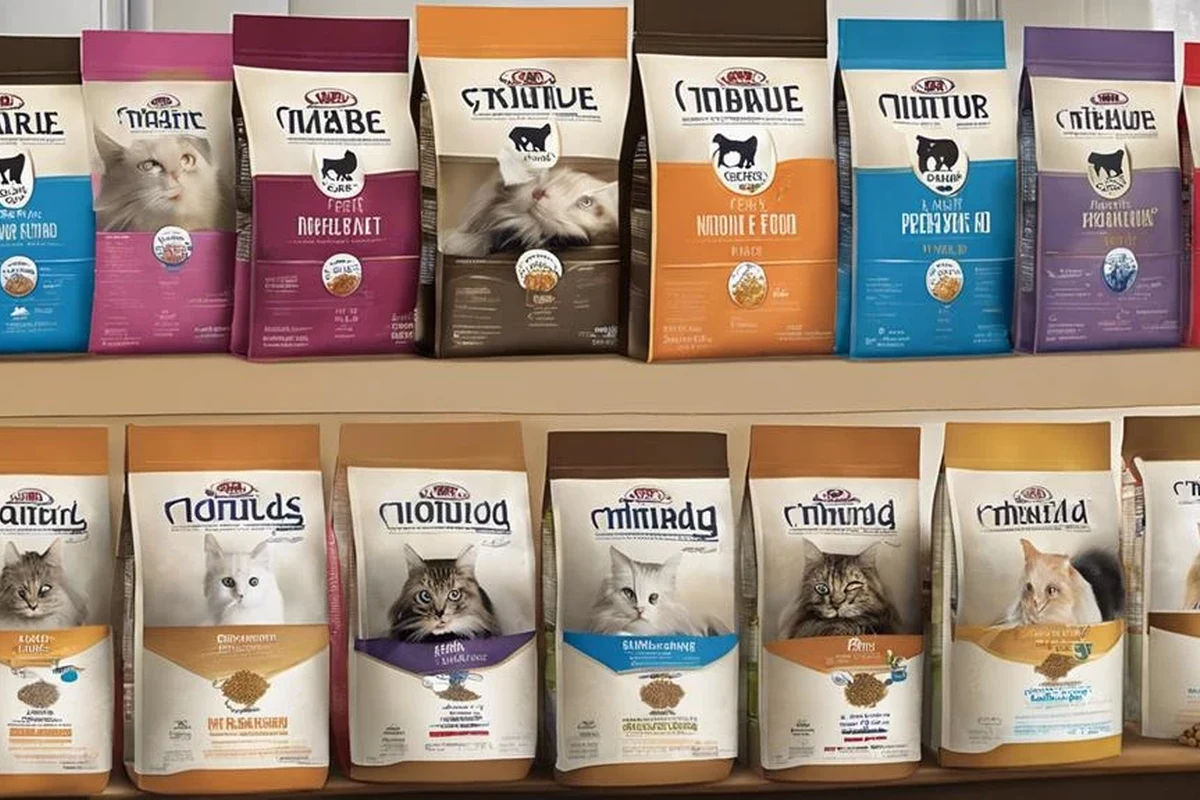
Use this guide for what is the best cat food for an indoor cat as a practical checklist, then adjust the advice to your cat’s age, health history, routine, and home environment.
Key Nutritional Needs for Indoor Cats
Understanding the nutritional requirements of indoor cats is crucial for their health. They require a balanced diet that supports their unique lifestyle and helps prevent obesity. High protein content is vital for maintaining muscle mass, while fiber aids in digestion and helps control weight. Also, essential fatty acids contribute to a healthy coat and skin. For feeding context, you may also want to read how much is a health check for a cat.
Protein Sources
Quality protein is essential for your indoor cat’s overall health. Look for cat foods that list meat as the first ingredient. Common sources include chicken, turkey, and fish, which provide the necessary amino acids for muscle maintenance and energy.
Fiber and Digestive Health
Fiber plays a significant role in maintaining your cat’s digestive health. It helps to prevent hairballs and ensures regular bowel movements. Ingredients like beet pulp and pumpkin can be beneficial additions to your cat’s diet. See do siamese cats have health issues best guide for cat lovers if you want to rule out a related cause.
Cats often show discomfort through small changes in appetite, litter box use, grooming, hiding, play, or body language before the problem looks obvious.
Choosing the Right Food: A Comparison Table
When selecting the best food for your indoor cat, consider various factors such as ingredients, calorie content, and overall nutritional balance. The following table compares popular indoor cat food options based on these criteria: what are meat by products in cat food goes deeper into the diet side of this topic.
| Brand | Protein Source | Calories per Cup |
|---|---|---|
| Brand A | Chicken | 300 |
| Brand B | Turkey | 280 |
| Brand C | Fish | 350 |
- Take a short video if the behavior or symptom is hard to explain.
- Keep your cat calm and separate from stress triggers while you observe.
- Do not wait if the problem is getting worse or your cat seems distressed.
Common Mistakes in Feeding Indoor Cats
Many cat owners make common mistakes that can affect their indoor cat’s health. Understanding these pitfalls can help you provide better care for your feline friend. For related safety context, compare this with are there health risks with feeding a cat raw food.
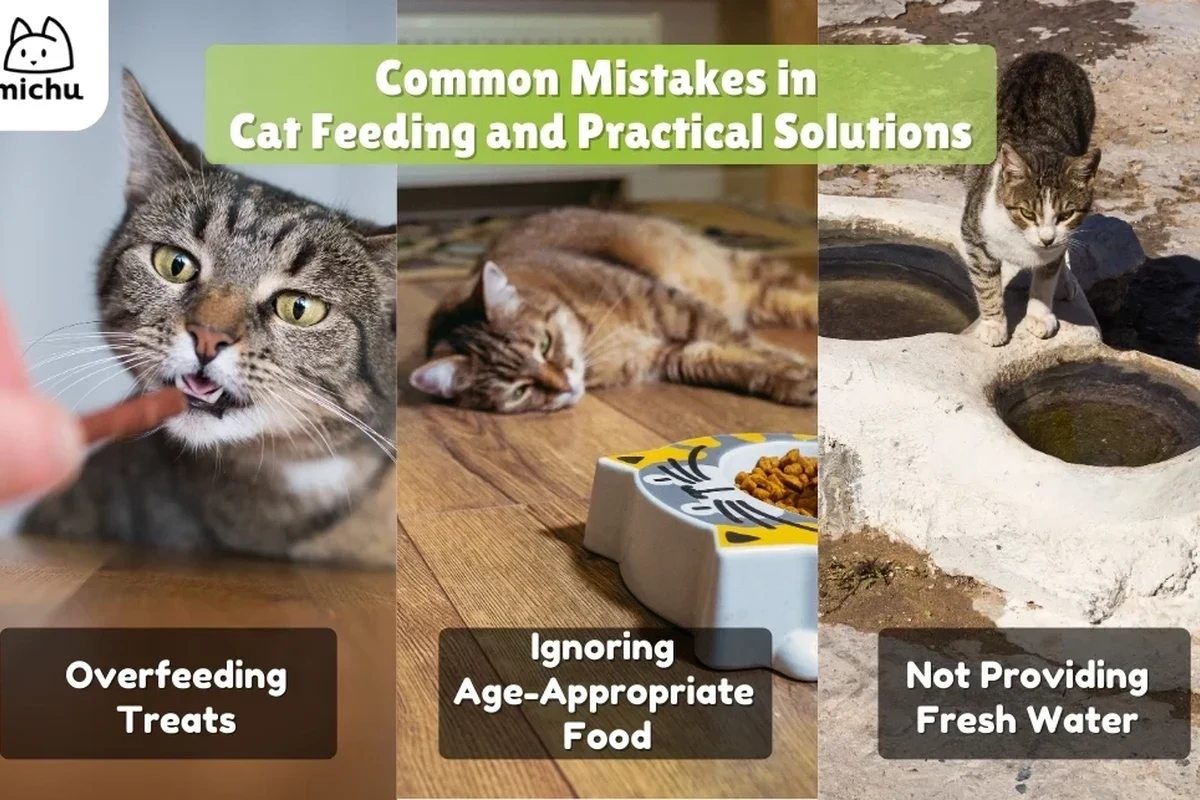
- Overfeeding: It’s easy to overestimate portion sizes, leading to weight gain.
- Ignoring ingredient labels: Always check for quality ingredients and avoid fillers.
- Neglecting hydration: Cats often don’t drink enough water; consider incorporating wet food to boost hydration.
Always consult your veterinarian before making significant changes to your cat’s diet.
How to Transition Your Indoor Cat to New Food
Switching your indoor cat’s food should be done gradually to avoid digestive upset. A slow transition allows your cat to adjust to the new flavors and ingredients. See what is the best product to remove cat urine smell for more on how food fits into this.
- Start Slow
Begin by mixing a small amount of the new food with the old food.
- Gradually Increase
Over a week, gradually increase the proportion of the new food while decreasing the old food.
- Monitor Health
Keep an eye on your cat’s behavior and health during the transition.
This guide on what is the best cat food for an indoor cat is written for general cat-owner education. For symptoms, food safety, recalls, medication, product specifications, or urgent changes, confirm details with a veterinarian, product label, official manual, manufacturer notice, or current recall source before acting.
The Bottom Line on What is the best cat food for an indoor cat
what is the best cat food for an indoor cat should be understood as a reason to observe your cat carefully, compare signs, avoid guessing, and contact a veterinarian when symptoms are sudden, severe, repeated, painful, or linked to appetite, breathing, urination, weight, kittens, or senior cats. See is royal canin good for cat health for more on how food fits into this.
- Track when the sign started and how often it happens.
- Avoid home treatment, medication, or dosing without veterinary guidance.
- Use this article to prepare better questions for your veterinarian.
Final Words
Choosing the best cat food for an indoor cat is essential for their long-term health and happiness. Focus on high-quality ingredients, appropriate calorie content, and a balanced nutritional profile. By understanding their unique dietary needs and avoiding common feeding mistakes, you can ensure your indoor cat thrives in a healthy and comfortable environment.
🐾 Sufiya Begom's Tip: Every cat is different, so I always watch my own cats closely before assuming the worst. Small changes in appetite, grooming, or energy often mean something simple is going on — but if anything feels off for more than a day, it is always worth a quick check with your vet. Trust your instincts as a cat owner.
Frequently Asked Questions
Indoor cat food is formulated with lower calories and higher fiber to prevent weight gain, while outdoor cat food is often richer in calories to support more active lifestyles.
Yes, wet food can be beneficial for indoor cats as it provides hydration and is often more palatable than dry food.
The amount varies by age, weight, and activity level, but generally, indoor cats need about 20 calories per pound of body weight daily.
Look for real meat as the first ingredient, along with whole grains, fruits, and vegetables for balanced nutrition.
Gradually mix the new food with the old over a week to prevent digestive upset, starting with a small amount of the new food.
If your cat experiences sudden weight changes, digestive issues, or appears lethargic, consult a veterinarian for guidance.