
Yes, the amount of cat food a cat needs depends on various factors, including their age, weight, and activity level. Understanding these factors will help you provide optimal nutrition for your cat.
Last updated: October 9, 2026
As a cat owner, you might be wondering how much cat food does a cat need to maintain optimal health. It’s crucial to understand that a cat’s dietary requirements vary based on several factors, including age, weight, activity level, and the type of food being offered. This guide will help you navigate these aspects to ensure your cat receives the right amount of food for their nutritional needs. See how to check if your cat has a health problem for a closer look at a related side of this topic.
- Age matters: Kittens, adult cats, and seniors have different nutritional needs.
- Weight and activity: An active cat requires more food than a sedentary one.
- Quality over quantity: High-quality food can provide better nutrition with smaller portions.
- Consult your vet: Regular veterinary check-ups can help adjust dietary needs as necessary.
Understanding Cat Nutritional Needs
To provide the best care for your cat, it’s essential to grasp their nutritional needs. Factors like species, age, health conditions, and activity levels all play a significant role in determining how much food they require. Understanding these factors will help you tailor your cat’s diet appropriately.
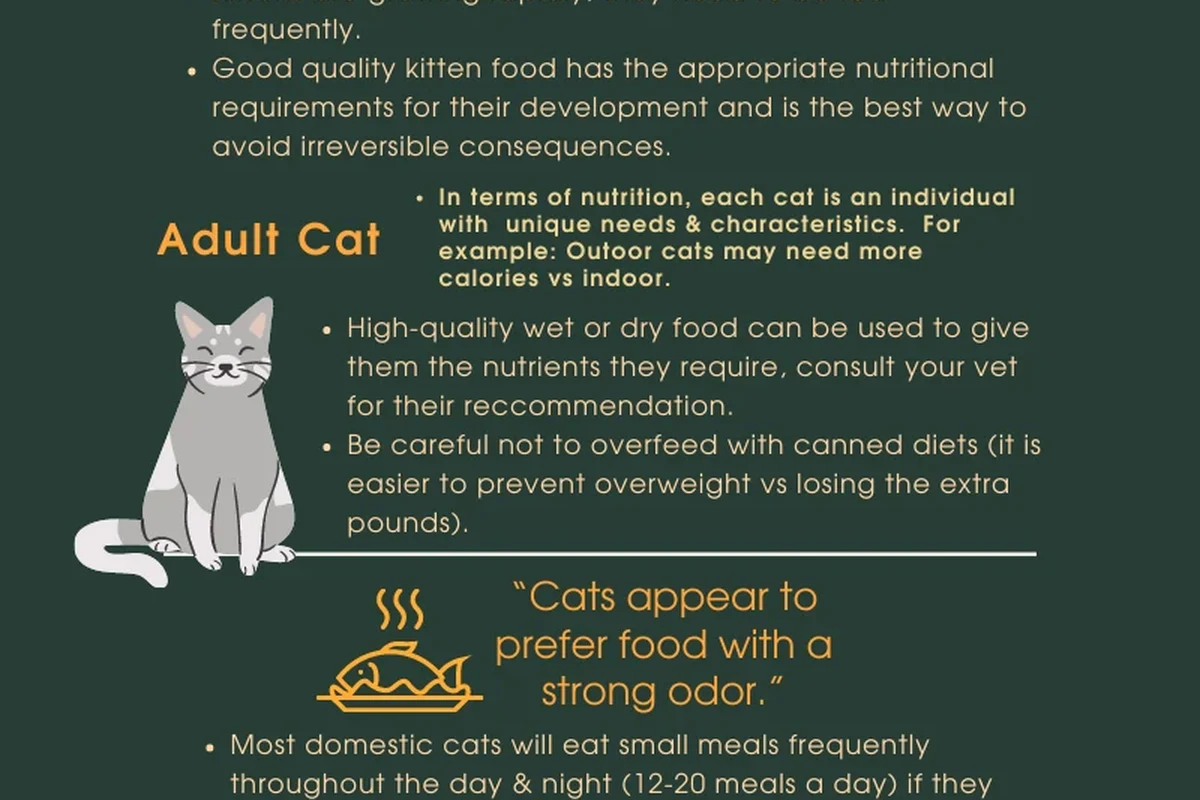
Age and Activity Level
Your cat’s age and activity level significantly influence their nutritional needs. Kittens need more calories for growth, while adult cats have different requirements based on their lifestyle. You can also use how much does a vet visit cost for a cat health checkup as a helpful next guide on the same cat-care topic.
Use this guide for how much cat food does a cat need as a practical checklist, then adjust the advice to your cat’s age, health history, routine, and home environment.
How Much Cat Food Does a Cat Need Daily?
The amount of cat food a cat needs daily can vary widely. On average, adult cats require about 20 calories per pound of body weight to maintain their weight. Kittens require more calories due to their rapid growth. Active cats may need more calories than sedentary ones. This connects closely with is wet food better for cat health if diet or appetite is part of the issue.
| Cat Type | Daily Caloric Needs | Feeding Guidelines |
|---|---|---|
| Kittens | 100-200 calories | 3-4 meals a day |
| Adult Cats | 20 calories per pound | 2 meals a day |
| Senior Cats | 15-20 calories per pound | 2 meals a day, possibly less if overweight |
Always consult with a veterinarian to determine the best dietary plan for your cat, especially if they have special dietary needs.
Factors Influencing Cat Food Requirements
Several factors can influence how much food your cat needs, including their size, activity, and health status. Understanding these will help you adjust their feeding regimen accordingly. See how much is a health check for a cat for more on how food fits into this.
| Factor | Influence on Food Requirements |
|---|---|
| Size | Larger cats typically require more calories compared to smaller cats. |
| Activity Level | Active cats need more food to maintain energy levels, while less active cats require less. |
| Age | Kittens and pregnant cats need more food than adult cats to support growth and development. |
| Health Status | Cats with certain health conditions may require special diets or adjusted food quantities. |
- Size: Larger cats generally require more food than smaller ones.
- Health Status: Cats with medical conditions may need specific diets.
- Type of Food: Different types of food have varying calorie densities.
Signs of Proper Nutrition in Cats
Monitoring your cat’s health and behavior can provide insights into whether they’re receiving the right amount of food. Here are some indicators of proper nutrition: This connects closely with how much is a health certificate for a cat if diet or appetite is part of the issue.
Healthy coat and skin. Consistent energy levels. Normal weight maintenance.
Cats often show discomfort through small changes in appetite, litter box use, grooming, hiding, play, or body language before the problem looks obvious.
Common Mistakes in Feeding Cats
Many cat owners make common mistakes that can affect their cat’s health. Here are a few to avoid: are there health risks with feeding a cat raw food covers a related risk worth knowing about too.
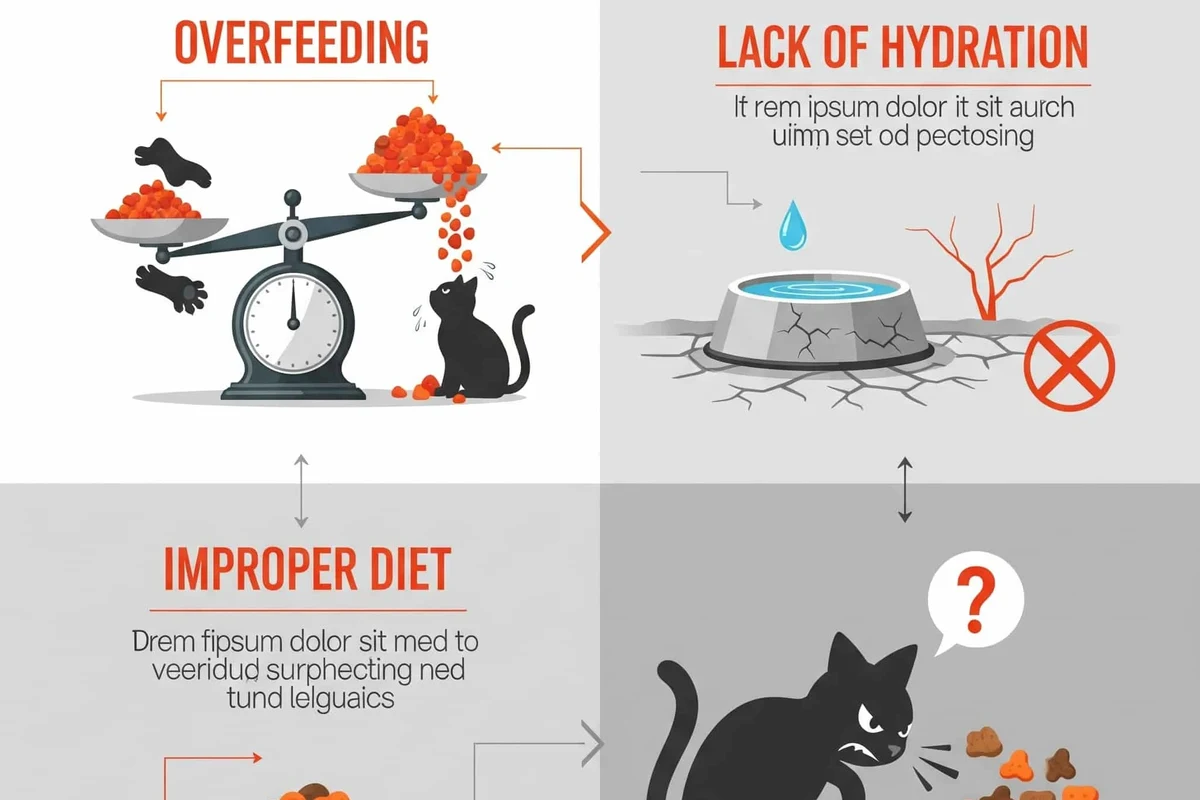
- Overfeeding or underfeeding based on incorrect assumptions.
- Failing to adjust food portions as cats age.
- Not reading feeding guidelines on food packaging.
- Measure your cat’s food to ensure proper portion sizes.
- Monitor your cat’s weight regularly.
- Consult your vet for dietary recommendations tailored to your cat’s needs.
Understanding Cat Food Labels
Reading and understanding cat food labels is essential for making informed feeding decisions. Look for ingredients, calorie content, and nutritional breakdown to make the best choices. For feeding context, you may also want to read how much dry cat food should a cat eat.
This guide on how much cat food does a cat need is written for general cat-owner education. For symptoms, food safety, recalls, medication, product specifications, or urgent changes, confirm details with a veterinarian, product label, official manual, manufacturer notice, or current recall source before acting.
Putting How much cat food does a cat need in Context
how much cat food does a cat need should be understood as a reason to observe your cat carefully, compare signs, avoid guessing, and contact a veterinarian when symptoms are sudden, severe, repeated, painful, or linked to appetite, breathing, urination, weight, kittens, or senior cats.
Track when the sign started and how often it happens. Avoid home treatment, medication, or dosing without veterinary guidance. Use this article to prepare better questions for your veterinarian. how much should a cat eat goes deeper into the diet side of this topic.
Final Words
Feeding your cat the right amount of food is crucial for their health and well-being. By understanding their nutritional needs and avoiding common feeding mistakes, you can ensure your feline friend leads a healthy, happy life.
🐾 Sufiya Begom's Tip: Every cat is different, so I always watch my own cats closely before assuming the worst. Small changes in appetite, grooming, or energy often mean something simple is going on — but if anything feels off for more than a day, it is always worth a quick check with your vet. Trust your instincts as a cat owner.
Frequently Asked Questions
To determine how much food to feed your cat, consider their weight, age, activity level, and the specific food’s calorie content. Always refer to the feeding guidelines on the cat food packaging.
Yes, as cats age, their nutritional needs change. Kittens require more calories and nutrients for growth, while senior cats may need diets that support joint health and lower calorie intake.
Free-feeding can lead to overeating and obesity in some cats. It’s better to measure out their food and feed them at specific times during the day.
If your cat is overweight, consult your veterinarian for a proper diet plan. They may recommend a calorie-restricted diet and increased exercise.
Monitor your cat’s weight, energy levels, and body condition. A healthy cat should maintain a stable weight and have a good energy level.
Yes, mixing wet and dry food can provide a balanced diet and help with hydration. Ensure to adjust portion sizes to prevent overfeeding.