
Yes, taking care of a kitten involves proper feeding, grooming, and health checks. Understanding their needs ensures a happy and healthy pet.
Last updated: October 9, 2026
Bringing a new kitten into your home can be an exciting yet daunting experience. Understanding how to take care of a kitten is essential for ensuring they grow up to be a happy and healthy pet. From feeding to grooming and health checks, this guide covers all the important aspects of kitten care to help you provide the best environment for your new furry friend. You can also use how to prevent obesity in cats for better health as a helpful next guide on the same cat-care topic.
- Feeding: Provide high-quality kitten food for proper growth.
- Socialization: Spend time playing and interacting to build trust.
- Health Care: Schedule regular vet check-ups for vaccinations and health assessments.
- Grooming: Regular brushing helps maintain a healthy coat and reduces shedding.
Feeding Your Kitten
Proper nutrition is crucial for a kitten’s growth and development. Kittens require a diet that is rich in proteins, fats, and essential nutrients to support their rapid growth and energy levels. For feeding context, you may also want to read is royal canin good for cat health.
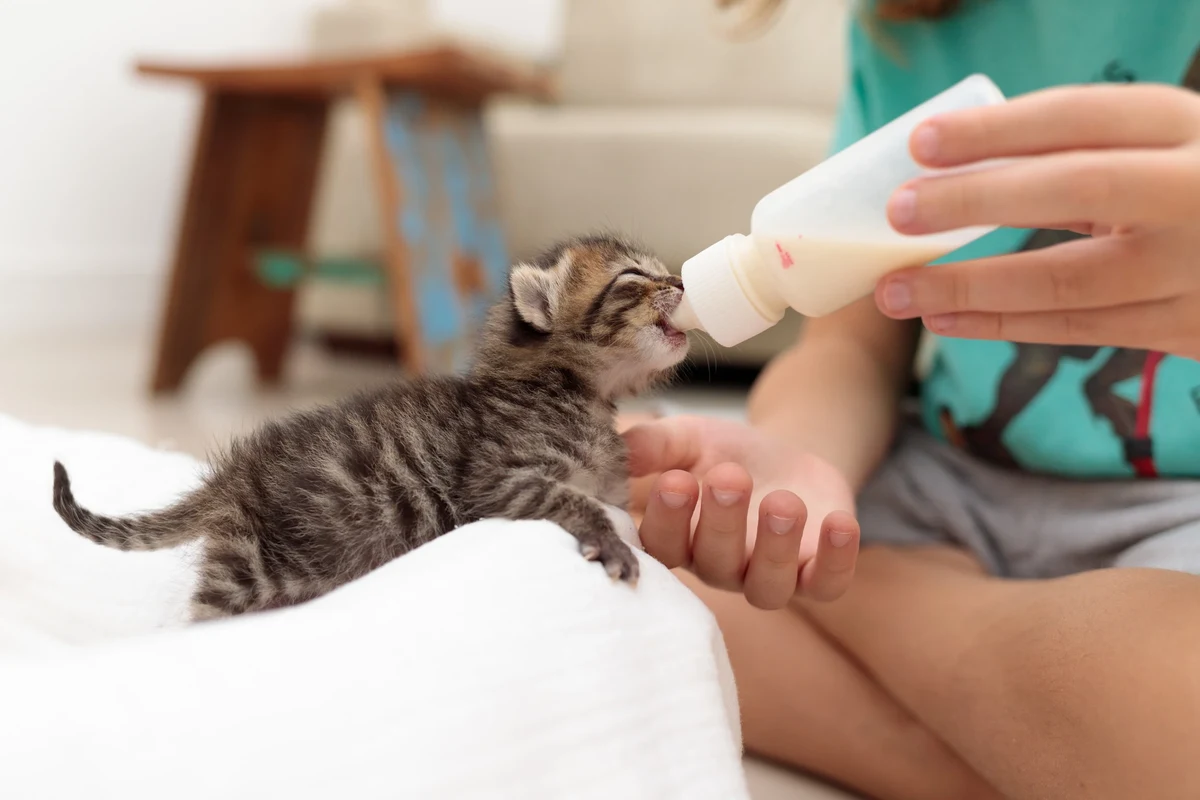
What to Feed Your Kitten
When choosing food for your kitten, opt for high-quality kitten food that meets AAFCO standards. This ensures that they receive the right balance of nutrients.
- Choose food labeled specifically for kittens.
- Include both wet and dry food to provide variety.
- Avoid feeding them cow’s milk, as it can cause digestive issues.
Feeding Schedule
Kittens have small stomachs and high energy levels, so they need to eat more frequently than adult cats. A general feeding schedule is as follows:
Up to 6 months: 4 meals per day. 6 months to 1 year: 3 meals per day. 1 year and older: 2 meals per day. This connects closely with how do i take care of a kitten if diet or appetite is part of the issue.
Always provide fresh water in addition to food, and monitor their eating habits for any changes.
Creating a Safe and Stimulating Environment
A safe and enriching environment is vital for your kitten’s mental and physical well-being. Providing the right space helps them explore and develop their natural instincts.
Kitten Proofing Your Home
Before bringing your kitten home, ensure your environment is safe. Here are some tips:
- Remove toxic plants and secure electrical cords.
- Keep small objects that can be swallowed out of reach.
- Store cleaning supplies and chemicals in cabinets.
Enrichment Activities
Engage your kitten with toys and activities that stimulate their mind and body. Consider the following:
Interactive toys like feather wands. Cat trees or climbing structures for exercise. Puzzles that challenge their problem-solving skills. how much does a vet visit cost for a cat health checkup is a useful related read on this.
Use this guide for how to take care of kitten as a practical checklist, then adjust the advice to your cat’s age, health history, routine, and home environment.
Grooming Your Kitten
Regular grooming is essential for maintaining your kitten’s coat and overall health. Start grooming your kitten early to help them get used to the process.
| Grooming Tool | Purpose |
|---|---|
| Soft Bristle Brush | Removes loose fur and prevents matting |
| Comb | Untangles knots and smooths the coat |
| Nail Clippers | Trims nails to prevent overgrowth and injury |
| Cat Wipes | Cleans sensitive areas and reduces allergens |
Brushing Your Kitten
Depending on your kitten’s coat type, brushing may be necessary to prevent matting and reduce shedding:
- Short-haired kittens may need brushing once a week.
- Long-haired kittens should be brushed several times a week.
- Use a cat-specific brush to avoid damaging their coat.
Bathing Your Kitten
Most kittens do not require frequent baths, as they usually groom themselves. However, if they get into something messy, use kitten-safe shampoo and follow these guidelines:
Use lukewarm water to avoid shock. Thoroughly rinse to remove all shampoo. Dry them gently with a towel. See how much is a health check for a cat for a closer look at a related side of this topic.
Consult your veterinarian if you notice any sudden changes in behavior, appetite, or energy levels.
Health Care for Your Kitten
Ensuring your kitten’s health is a top priority. Regular veterinary check-ups, vaccinations, and preventive care are crucial for their well-being.
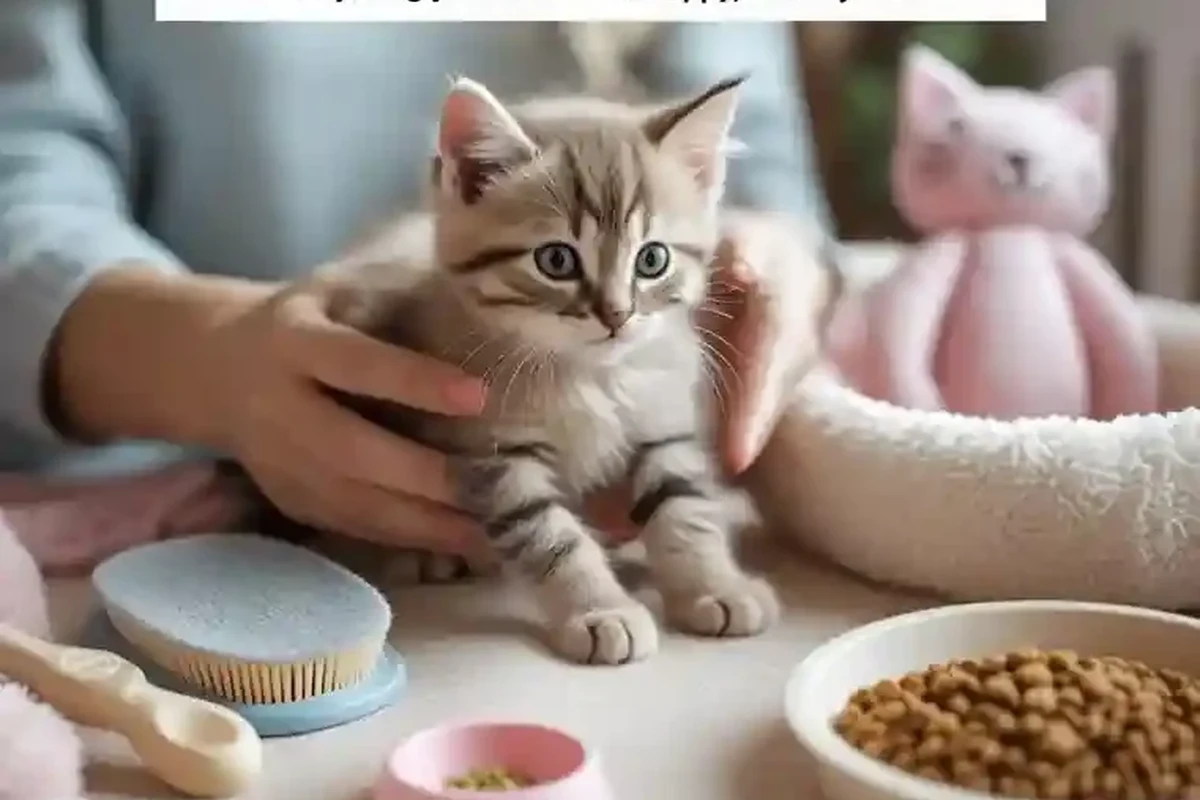
Regular Veterinary Visits
Kittens should have their first vet visit as soon as possible after adoption. Regular check-ups help track their growth and catch any health issues early.
Vaccination Schedule
Vaccinations are vital for protecting your kitten from common diseases. They typically need the following vaccinations:
| Vaccine | Age | Frequency |
|---|---|---|
| FVRCP (Feline Viral Rhinotracheitis, Calicivirus, Panleukopenia) | 6-8 weeks | Initial series, then every 3-4 weeks until 16 weeks |
| Rabies | 12-16 weeks | Once, then yearly |
| FeLV (Feline Leukemia Virus) | 8-12 weeks | Initial series, then yearly |
Signs of a Healthy Kitten
Monitoring your kitten’s health involves looking for signs of wellness. Healthy kittens typically have: This connects closely with how much is a health certificate for a cat if you want to compare the topic in more detail.
- Bright, clear eyes and a shiny coat.
- Regular play and energy levels.
- Normal eating and litter box habits.
- Provide plenty of playtime and mental stimulation.
- Use toys that mimic hunting behaviors.
- Establish a routine to help them feel secure.
Socializing Your Kitten
Socialization is crucial for your kitten’s development. Early interactions can help them grow into well-adjusted adult cats.
How to Socialize Your Kitten
Introduce your kitten to a variety of people, environments, and experiences. Here’s how:
Expose them to different sounds, sights, and smells gradually. Encourage gentle interactions with new people and pets. Provide positive reinforcement to build their confidence. This connects closely with new cat health research if you want to compare the topic in more detail.
Common Behavioral Issues
Understanding and addressing behavioral issues early can prevent problems later. Common issues include:
- Scratching furniture: Provide scratching posts to redirect this behavior.
- Excessive meowing: Ensure their needs are met and they feel secure.
- Fear of new experiences: Gradually acclimate them to new environments.
This guide on how to take care of kitten is written for general cat-owner education. For symptoms, food safety, recalls, medication, product specifications, or urgent changes, confirm details with a veterinarian, product label, official manual, manufacturer notice, or current recall source before acting.
The Bottom Line on How to take care of kitten
how to take care of kitten should be understood as a reason to observe your cat carefully, compare signs, avoid guessing, and contact a veterinarian when symptoms are sudden, severe, repeated, painful, or linked to appetite, breathing, urination, weight, kittens, or senior cats.
Track when the sign started and how often it happens. Avoid home treatment, medication, or dosing without veterinary guidance. Use this article to prepare better questions for your veterinarian. This connects closely with how to check if your cat has a health problem if you want to compare the topic in more detail.
Final Words
Taking care of a kitten is a rewarding experience that requires attention, patience, and love. By focusing on their nutrition, health, grooming, and socialization, you can set the foundation for a happy and healthy life. Remember to consult your veterinarian for guidance specific to your kitten’s needs, ensuring they grow into a well-adjusted adult cat.
🐾 Sufiya Begom's Tip: Every cat is different, so I always watch my own cats closely before assuming the worst. Small changes in appetite, grooming, or energy often mean something simple is going on — but if anything feels off for more than a day, it is always worth a quick check with your vet. Trust your instincts as a cat owner.
Frequently Asked Questions
Feed your kitten high-quality kitten food that is specifically formulated for their growth needs, both wet and dry options are ideal.
Kittens should visit the vet for vaccinations and health checks at least once every few months until they are about a year old.
Socialize your kitten by gently introducing them to new experiences, people, and other pets, ensuring each interaction is positive.
Common mistakes include overfeeding, neglecting dental care, and not providing enough stimulation or playtime.
Begin grooming your kitten early, around 8 weeks old, to help them get used to the process and make it a regular part of their routine.
Signs of a healthy kitten include a shiny coat, good appetite, regular play behavior, and normal litter box habits.