
Common reasons why cats get diarrhea include dietary changes, food intolerances, infections, parasites, and stress. Identifying the underlying cause is essential for effective treatment and recovery.
Last updated: August 13, 2026
As a cat owner, witnessing your beloved feline friend suffer from diarrhea can be alarming. Understanding why do cats get diarrhea is crucial for addressing the issue and ensuring your pet’s health. This article will explore the common causes of diarrhea in cats, how to recognize the symptoms, and what steps you can take to help your furry companion recover.
- Start with the cat: Age, health, diet, behavior, and home setup change the right answer.
- Check safety first: Watch for pain, appetite changes, breathing issues, urination changes, or repeated symptoms.
- Use practical steps: Adjust routines, food, litter, grooming, play, or products slowly and safely.
- Know the limits: Cat-care advice varies by cause, product, environment, and veterinarian guidance.
Understanding Why Do Cats Get Diarrhea
Diarrhea in cats can be caused by various factors, ranging from dietary changes to underlying health conditions. Identifying the specific cause is essential for effective treatment and recovery. This section will provide insights into the most common reasons your cat may experience diarrhea.
Dietary Causes
One of the primary reasons cats experience diarrhea is related to their diet. Sudden changes in food, sensitivity to certain ingredients, or consuming spoiled food can upset a cat’s digestive system. Understanding these dietary factors can help in preventing and managing diarrhea.
Infections and Parasites
Infections caused by bacteria, viruses, or parasites can also lead to diarrhea in cats. Common culprits include giardia, coccidia, and various viral infections. Recognizing the signs of these infections can help you seek timely veterinary care.
Medical Conditions
Chronic medical conditions, such as inflammatory bowel disease (IBD) or pancreatitis, can result in persistent diarrhea. These issues often require a veterinarian’s diagnosis and ongoing management. Being aware of these conditions can help you monitor your cat’s health more effectively. For related context, you may also want to read how to get your cat to eat dry food.
Use this guide for why do cats get diarrhea as a practical checklist, then adjust the advice to your cat’s age, health history, routine, and home environment.
Signs and Symptoms to Watch For
Identifying the signs of diarrhea in your cat is vital for prompt intervention. While diarrhea itself is a clear indicator, other accompanying symptoms can provide further context to the situation. This section outlines what to look for when assessing your cat’s health. This connects closely with how do you pet a cat if you want to compare the topic in more detail.
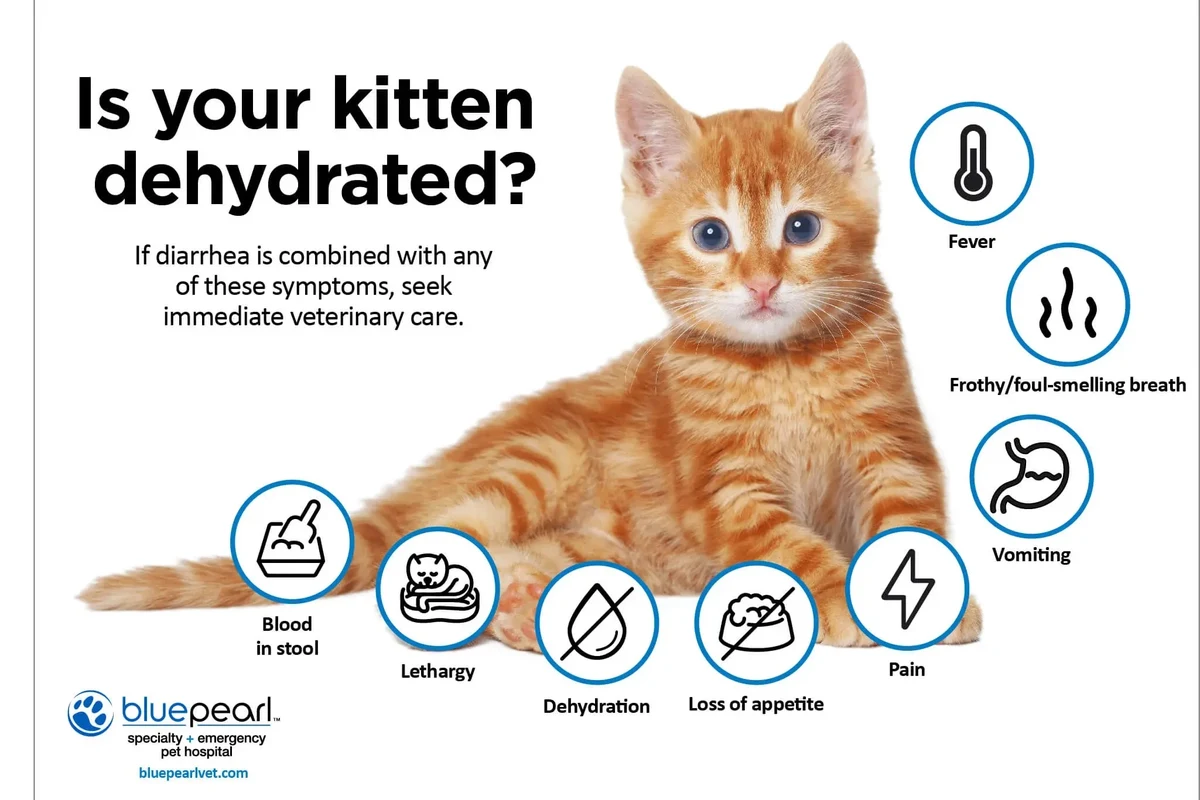
- Frequent bowel movements: If your cat is using the litter box more often than usual, this may indicate diarrhea.
- Changes in stool consistency: Diarrhea can range from soft stools to watery feces. Observing any drastic changes is important.
- Vomiting: If your cat is also vomiting alongside diarrhea, it may indicate a more serious underlying issue.
- Loss of appetite: A decreased desire to eat can be a sign of illness requiring veterinary attention.
- Dehydration: Check for signs of dehydration, such as lethargy, dry gums, and reduced skin elasticity.
Common Mistakes When Managing Cat Diarrhea
When dealing with diarrhea in cats, it’s easy for pet owners to make mistakes that can exacerbate the situation. This section highlights common pitfalls to avoid in the management of your cat’s diarrhea.
| Common Mistake | Consequence |
|---|---|
| Withholding Food | Can lead to further digestive upset and nutritional deficiency. |
| Ignoring Hydration | Dehydration can worsen diarrhea and lead to serious health issues. |
| Using Human Medications | Can be toxic or ineffective, complicating your cat’s condition. |
| Delaying Veterinary Care | Prolongs suffering and may allow underlying issues to worsen. |
Ignoring persistent diarrhea: If your cat’s diarrhea lasts longer than 24-48 hours, it’s important to consult a veterinarian. Self-medicating without vet advice: Using over-the-counter medications without veterinary guidance can be harmful. Not observing other signs: Focusing solely on diarrhea without considering other symptoms may delay necessary treatment. Sudden dietary changes: Avoid changing your cat’s food abruptly, as this can further upset their stomach. Neglecting hydration: Ensure your cat has access to fresh water to prevent dehydration. For related safety context, compare this with how to pet a cat.
Cats often show discomfort through small changes in appetite, litter box use, grooming, hiding, play, or body language before the problem looks obvious.
Safe Observation at Home
Monitoring your cat’s condition at home is crucial for understanding the severity of their diarrhea. Knowing what to check can help you make informed decisions about whether or not to seek veterinary care. This section provides practical steps for safe observation. For related context, you may also want to read how to improve your cats joint health.
- Monitor stool consistency:
Keep track of your cat’s stool quality and frequency. Note any changes or abnormalities.
- Check for dehydration:
Gently pinch the skin on the back of your cat’s neck; if it doesn’t return quickly, your cat may be dehydrated.
- Observe behavior:
Take note of your cat’s activity level, appetite, and any additional symptoms like vomiting or lethargy.
- Take a short video if the behavior or symptom is hard to explain.
- Keep your cat calm and separate from stress triggers while you observe.
- Do not wait if the problem is getting worse or your cat seems distressed.
When to Call a Veterinarian
Knowing when to seek veterinary care is essential for your cat’s health. Certain symptoms indicate that diarrhea may be a sign of a more serious condition that requires professional intervention. This section covers the warning signs that should prompt a trip to the vet. For related health context, you may also want to read how to entertain your cat while away.
- Persistent diarrhea lasting more than 48 hours
- Presence of blood or mucus in the stool
- Severe vomiting or lack of appetite
- Signs of dehydration, such as lethargy or dry gums
- Any sudden changes in behavior or health
Call your veterinarian promptly if signs are sudden, severe, repeated, painful, linked to appetite, breathing, urination, weight loss, or involve a kitten or senior cat.
Preventing Diarrhea in Cats
Prevention is always better than cure. Taking proactive steps can help minimize the risk of diarrhea in your cat. This section provides practical tips for keeping your cat’s digestive health in check.
Gradually introduce new foods: When changing your cat’s diet, do it slowly over several days to avoid upsetting their stomach. Ensure fresh water availability: Keeping your cat hydrated is crucial for digestive health. Regular veterinary check-ups: Annual vet visits can help catch potential health issues early. Maintain a clean litter box: Regularly cleaning your cat’s litter box can help prevent infections. Be cautious with treats: Ensure any treats are suitable and don’t introduce too many new flavors at once. You can also use how to keep your cat entertained while on vacation as a helpful next guide on the same cat-care topic.
Tools and Products for Managing Diarrhea
Having the right tools and products can assist in managing your cat’s diarrhea effectively. This section highlights some helpful items that can aid in the recovery process. For related context, you may also want to read how to check if your cat has a health problem.
| Product | Best For | What to Check |
|---|---|---|
| Probiotics for Cats | Restoring gut health | Vet approval and proper dosage |
| Hydration solutions | Preventing dehydration | Electrolyte balance and flavor |
| High-fiber diets | Firming stool consistency | Ingredient quality and cat’s tolerance |
| Digestive aids | Supporting digestion | Check for allergens and suitability |
This guide on why do cats get diarrhea is written for general cat-owner education. For symptoms, food safety, recalls, medication, product specifications, or urgent changes, confirm details with a veterinarian, product label, official manual, manufacturer notice, or current recall source before acting.
Plain English Explanation of Diarrhea in Cats
Diarrhea in cats can happen for many reasons, including food changes, infections, or health problems. It’s important to pay attention to your cat’s behavior and bowel movements. If diarrhea lasts more than a day or two, or if your cat shows other signs of illness, it’s best to consult a veterinarian. Keeping your cat’s diet consistent and monitoring their health can go a long way in preventing diarrhea.
For more information on maintaining your cat’s digestive health, consider reading our guide on how to improve your cat’s digestive health.
Final Words
Understanding why cats get diarrhea is essential for managing your cat’s health effectively. From dietary changes to underlying medical conditions, recognizing the signs and seeking appropriate care can help ensure a swift recovery. Always consult your veterinarian if you’re unsure about your cat’s condition or if symptoms persist. With the right approach, you can help your feline friend return to their happy and healthy self.
🐾 Sufiya Begom's Tip: Every cat is different, so I always watch my own cats closely before assuming the worst. Small changes in appetite, grooming, or energy often mean something simple is going on — but if anything feels off for more than a day, it is always worth a quick check with your vet. Trust your instincts as a cat owner.
Frequently Asked Questions
Start with intended use, fit, verified specifications, safety instructions, care needs, and important limitations.
Start with the cat’s age, health history, home environment, safety guidance, and the main reason behind the topic.
It can vary by kitten, adult, senior cat, breed, temperament, health condition, diet, stress level, and home setup.
Check food changes, litter changes, symptoms, behavior changes, product fit, cleaning routine, and veterinarian guidance when health is involved.
A common mistake is treating every cat the same instead of considering age, health, environment, stress, and safety risks.
Contact a veterinarian if signs are sudden, severe, repeated, painful, linked to appetite, breathing, urination, weight, or involve kittens or senior cats.