
Frequent vomiting in cats can result from various issues, including dietary changes, hairballs, or underlying health problems. To address why do cats vomit all the time, consult a veterinarian for a proper diagnosis and treatment plan to ensure your cat’s well-being.
Last updated: August 13, 2026
If your feline friend seems to be vomiting frequently, you’re not alone in asking, “why do my cats vomit all the time?” This common issue can arise from various factors, including dietary habits, stress, and health concerns. In this article, we will delve into the potential causes, signs to watch for, and effective strategies to help your cat.
- Start with the cat: Age, health, diet, behavior, and home setup change the right answer.
- Check safety first: Watch for pain, appetite changes, breathing issues, urination changes, or repeated symptoms.
- Use practical steps: Adjust routines, food, litter, grooming, play, or products slowly and safely.
- Know the limits: Cat-care advice varies by cause, product, environment, and veterinarian guidance.
Understanding Frequent Cat Vomiting
Frequent vomiting in cats can be alarming for any cat owner. It can indicate underlying health issues, dietary problems, or behavioral factors. Identifying the cause is crucial for determining the appropriate response to your cat’s vomiting.
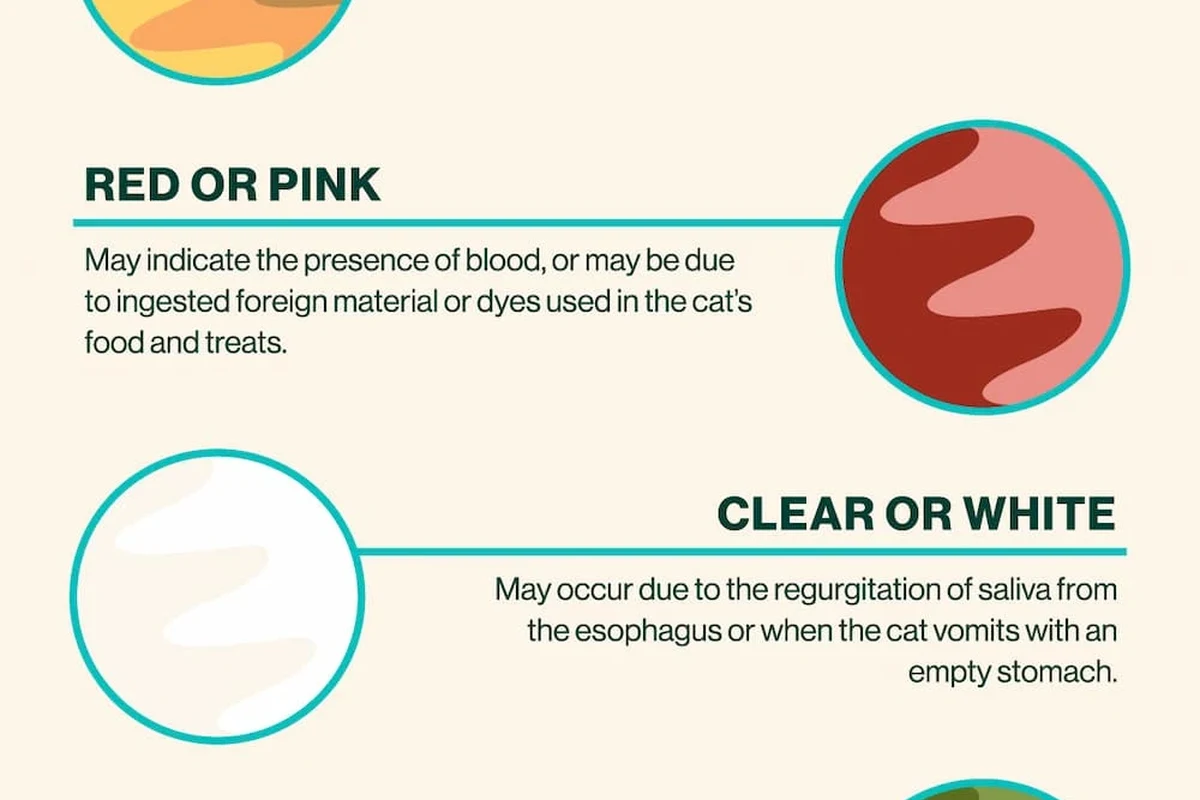
Common Causes of Vomiting in Cats
Several factors can lead to your cat vomiting. These range from minor issues, such as hairballs, to more serious health conditions. Understanding these causes will help you address the problem effectively.
- Dietary indiscretion: Eating too quickly or consuming spoiled food.
- Hairballs: Common in long-haired breeds or overly groomed cats.
- Food sensitivities or allergies: Reactions to specific ingredients.
- Gastrointestinal diseases: Conditions like inflammatory bowel disease.
- Systemic illnesses: Issues affecting other organs that can lead to vomiting.
If your cat frequently vomits, it’s essential to monitor their behavior and consult a veterinarian if the issue persists. For related context, you may also want to read why is my cat hiding all time.
Signs and Symptoms to Monitor
When dealing with a vomiting cat, monitoring additional symptoms can provide vital clues about their health. Look for signs that could indicate whether the vomiting is due to a minor issue or something more serious.
Listlessness or lethargy: Lack of energy or enthusiasm. Changes in appetite: Eating less or refusing food altogether. Diarrhea: Loose stools accompanying vomiting. Weight loss: Unexplained loss of weight over time. Vomiting blood or bile: Indicating a more serious health concern.
By keeping track of these signs, you can better inform your veterinarian about your cat’s condition, leading to more accurate diagnosis and treatment. This connects closely with how long do cat allergy symptoms last if you want to compare the topic in more detail.
Use this guide for why do my cats vomit all the time as a practical checklist, then adjust the advice to your cat’s age, health history, routine, and home environment.
When to Consult a Veterinarian
Knowing when to seek professional help is critical for your cat’s health. While occasional vomiting might not be a cause for concern, there are specific instances when you should definitely consult a veterinarian.
| Signs of Concern | Recommended Action |
|---|---|
| Frequent vomiting (more than once a week) | Consult a veterinarian |
| Vomiting with blood | Seek immediate veterinary attention |
| Accompanied by lethargy or loss of appetite | Schedule a vet appointment |
| Vomiting after meals regularly | Assess feeding habits and consult a vet |
- Frequent vomiting: If your cat vomits more than once a week.
- Severe symptoms: Accompanying signs such as blood in vomit, lethargy, or dehydration.
- Persistent loss of appetite: If your cat refuses to eat for more than 24 hours.
- Age considerations: Kittens and senior cats are more vulnerable to health issues.
Consulting a veterinarian can provide peace of mind and ensure your cat receives the necessary care. For related health context, you may also want to read how to improve your cats joint health.
Cats often show discomfort through small changes in appetite, litter box use, grooming, hiding, play, or body language before the problem looks obvious.
Potential Dietary Changes
Diet plays a significant role in your cat’s health and can be a primary factor in vomiting. Evaluating and adjusting their diet may help alleviate this issue.
Consider the following dietary changes:
Switch to high-quality cat food: Opt for brands with natural ingredients and no fillers. Introduce a slow feeder: This can help prevent your cat from eating too quickly. Gradual food transitions: When changing diets, do so gradually to avoid upsetting their stomach. Consult your vet about food sensitivities: They may recommend hypoallergenic or specialized diets.
These changes can help improve your cat’s digestive health and reduce the frequency of vomiting. This connects closely with what are the symptoms of a cat dying if diet or appetite is part of the issue.
- Take a short video if the behavior or symptom is hard to explain.
- Keep your cat calm and separate from stress triggers while you observe.
- Do not wait if the problem is getting worse or your cat seems distressed.
Stress and Behavioral Factors
Stress can significantly impact your cat’s health, potentially leading to vomiting. Understanding the sources of stress in your cat’s environment can help you mitigate these effects.
- Changes in routine: New pets, moving, or changes in family dynamics can trigger anxiety.
- Environmental factors: Loud noises, changes in home decor, or unfamiliar visitors might stress your cat.
- Lack of stimulation: Boredom can lead to behavioral issues, including vomiting.
Creating a stable and enriching environment for your cat can help reduce stress-related vomiting. For behavior context, what are the symptoms of kidney disease in cats can help you compare similar signs.
Monitoring and Managing Hairballs
Hairballs are a common cause of vomiting in cats, especially in long-haired breeds. Understanding how to manage hairballs can help reduce this issue significantly.
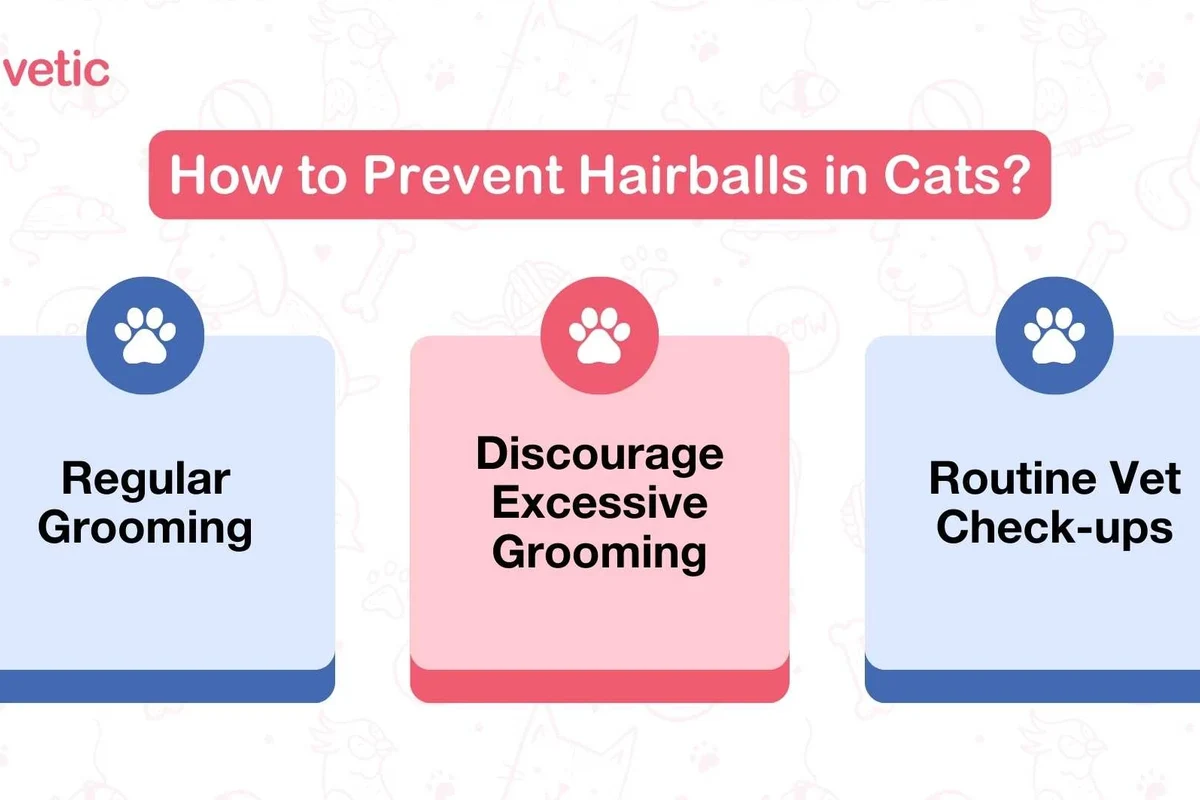
Regular grooming: Brush your cat frequently to reduce loose fur. Hairball remedies: Consider using specialized food or supplements designed to help prevent hairballs. Encourage hydration: Ensure your cat drinks enough water, which aids digestion. You can also use how much does a vet visit cost for a cat health checkup as a helpful next guide on the same cat-care topic.
By implementing these strategies, you can help minimize hairball-related vomiting.
Call your veterinarian promptly if signs are sudden, severe, repeated, painful, linked to appetite, breathing, urination, weight loss, or involve a kitten or senior cat.
Table of Causes, Symptoms, and Actions
| Cause | Symptoms | Recommended Action |
|---|---|---|
| Dietary indiscretion | Vomiting shortly after eating | Monitor diet, consult vet if persists |
| Hairballs | Vomiting hairballs, frequent grooming | Regular grooming, hairball remedies |
| Gastrointestinal disease | Chronic vomiting, weight loss | Immediate vet consultation required |
| Food allergies | Vomiting after eating specific foods | Food elimination trial under vet guidance |
| Systemic illnesses | Vomiting with other systemic signs | Urgent veterinary assessment |
Preventive Measures to Reduce Vomiting
Taking proactive steps can help reduce the likelihood of your cat vomiting frequently. Prevention is often easier than treatment.
- Maintain a consistent feeding schedule: Regular meal times can help with digestive health.
- Provide fresh water daily: Proper hydration supports overall health and digestion.
- Limit access to toxic plants or foods: Ensure your home is safe for your cat.
- Regular vet check-ups: Routine health assessments can catch issues early.
Implementing these prevention strategies can contribute to your cat’s overall health and well-being. For related context, you may also want to read how to prevent obesity in cats for better health.
This guide on why do my cats vomit all the time is written for general cat-owner education. For symptoms, food safety, recalls, medication, product specifications, or urgent changes, confirm details with a veterinarian, product label, official manual, manufacturer notice, or current recall source before acting.
What This Means for Your Cat
why do my cats vomit all the time should be understood as a reason to observe your cat carefully, compare signs, avoid guessing, and contact a veterinarian when symptoms are sudden, severe, repeated, painful, or linked to appetite, breathing, urination, weight, kittens, or senior cats.
Track when the sign started and how often it happens. Avoid home treatment, medication, or dosing without veterinary guidance. Use this article to prepare better questions for your veterinarian. This connects closely with what is the new cat disease if you want to compare the topic in more detail.
Final Words
Frequent vomiting in cats can stem from various causes, including dietary issues, stress, or more serious health problems. By monitoring your cat’s health, making dietary adjustments, and consulting with your veterinarian when necessary, you can help reduce the frequency of vomiting. Remember, your cat’s health is paramount, and understanding their needs will go a long way in ensuring their happiness and well-being.
🐾 Sufiya Begom's Tip: Every cat is different, so I always watch my own cats closely before assuming the worst. Small changes in appetite, grooming, or energy often mean something simple is going on — but if anything feels off for more than a day, it is always worth a quick check with your vet. Trust your instincts as a cat owner.
Frequently Asked Questions
Start with intended use, fit, verified specifications, safety instructions, care needs, and important limitations.
Start with the cat’s age, health history, home environment, safety guidance, and the main reason behind the topic.
It can vary by kitten, adult, senior cat, breed, temperament, health condition, diet, stress level, and home setup.
Check food changes, litter changes, symptoms, behavior changes, product fit, cleaning routine, and veterinarian guidance when health is involved.
A common mistake is treating every cat the same instead of considering age, health, environment, stress, and safety risks.
Contact a veterinarian if signs are sudden, severe, repeated, painful, linked to appetite, breathing, urination, weight, or involve kittens or senior cats.