
Yes, cats can get sick. Common symptoms include vomiting, diarrhea, lethargy, and loss of appetite. Regular veterinary check-ups and vaccinations are essential for prevention and maintaining your cat’s health.
Last updated: August 13, 2026
Many cat owners often wonder, “can cats get sick?” Just like humans, cats can experience a variety of health issues, ranging from mild to severe. Understanding the symptoms of illness in cats, as well as preventive measures, is crucial for keeping your feline friend healthy and happy. This article will explore the common illnesses that can affect cats, how to recognize the symptoms, and practical tips for prevention.
- Start with the cat: Age, health, diet, behavior, and home setup change the right answer.
- Check safety first: Watch for pain, appetite changes, breathing issues, urination changes, or repeated symptoms.
- Use practical steps: Adjust routines, food, litter, grooming, play, or products slowly and safely.
- Know the limits: Cat-care advice varies by cause, product, environment, and veterinarian guidance.
Can Cats Get Sick?
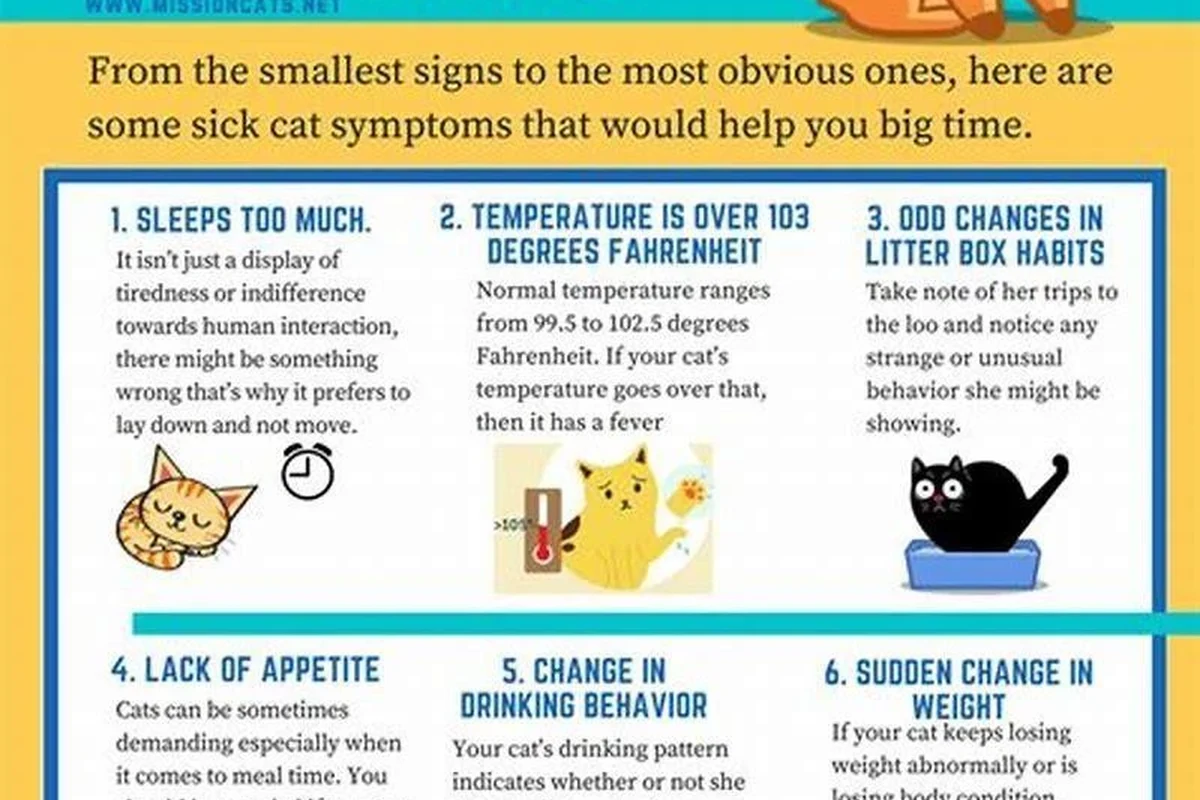
Yes, cats can get sick, and they can suffer from a range of ailments. These can include infections, chronic diseases, and even conditions caused by poor nutrition or environmental stressors. It’s essential for cat owners to be informed about potential health issues and to monitor their pets closely for any signs of illness. For related context, you may also want to read can i get my cat sick.
This guide on can cats get sick is written for general cat-owner education. For symptoms, food safety, recalls, medication, product specifications, or urgent changes, confirm details with a veterinarian, product label, official manual, manufacturer notice, or current recall source before acting.
Common Cat Illnesses
Understanding the common illnesses that can affect cats is vital for prevention and early treatment. Some diseases are contagious, while others are related to genetics or environmental factors. In this section, we will discuss various common cat illnesses.
Upper Respiratory Infections
Upper respiratory infections in cats can be caused by viruses or bacteria. Common symptoms include sneezing, nasal congestion, and watery eyes. These infections are quite common, especially in shelters or multi-cat households.
Feline Leukemia Virus (FeLV)
Feline leukemia virus is a serious and potentially fatal virus that affects a cat’s immune system. Symptoms can be vague but may include lethargy, weight loss, and a persistent fever. Vaccination can help prevent FeLV.
Feline Immunodeficiency Virus (FIV)
FIV is another viral infection that compromises a cat’s immune system. It is primarily spread through bites. Affected cats may show symptoms like dental disease and chronic infections. Regular veterinary check-ups are important for monitoring FIV-positive cats.
Diabetes in Cats
Diabetes is becoming increasingly common in cats, especially overweight ones. Symptoms include increased thirst and urination, weight loss despite a good appetite, and lethargy. Diet management and insulin therapy are key treatments.
Urinary Tract Infections (UTIs)
UTIs can cause significant discomfort for cats. Symptoms include frequent urination, straining to urinate, and blood in urine. If you notice these symptoms, consult your veterinarian for diagnosis and treatment.
Gastrointestinal Issues
Gastrointestinal problems, such as vomiting or diarrhea, can be caused by various factors, including diet changes, infections, or parasites. Monitoring your cat’s litter box habits can provide crucial insights into their health. This connects closely with can a sick cat get a human sick if you want to compare the topic in more detail.
Recognizing Symptoms of Illness
It’s essential to recognize the symptoms of illness early to ensure prompt treatment. Cats are often skilled at hiding their discomfort, so being observant is crucial. Here are some common signs that your cat may be unwell. For related health context, you may also want to read can cat urine make you sick.
| Symptom | Possible Illness |
|---|---|
| Loss of appetite | Dental disease, gastrointestinal issues |
| Excessive grooming | Skin allergies, stress |
| Vomiting | Hairballs, infections |
| Changes in litter box habits | Urinary tract infection, kidney disease |
- Changes in Appetite: A sudden increase or decrease in food intake can indicate health issues.
- Behavioral Changes: If your cat is unusually lethargic, withdrawn, or aggressive, it may be a sign of illness.
- Grooming Habits: Over-grooming or neglecting grooming can both be signs of health problems.
- Vomiting or Diarrhea: Frequent vomiting or diarrhea should prompt a visit to the vet.
- Weight Loss: Unexplained weight loss can indicate underlying health issues.
Keep a close watch on your cat’s behavior and health. Early detection of symptoms can make a significant difference.
Table of Common Cat Illnesses and Symptoms
Refer to the table below for a quick overview of common cat illnesses along with their symptoms. This connects closely with can a cat carry rabies without symptoms if you want to compare the topic in more detail.
| Illness | Common Symptoms | Prevention |
|---|---|---|
| Upper Respiratory Infections | Sneezing, nasal congestion, watery eyes | Vaccination, good hygiene |
| Feline Leukemia Virus (FeLV) | Lethargy, weight loss, fever | Vaccination, regular vet check-ups |
| Feline Immunodeficiency Virus (FIV) | Dental disease, chronic infections | Keeping cats indoors, regular vet visits |
| Diabetes | Increased thirst, urination, weight loss | Healthy diet, weight management |
| UTIs | Frequent urination, straining, blood in urine | Hydration, regular vet visits |
| Gastrointestinal Issues | Vomiting, diarrhea | Quality diet, parasite prevention |
Cats can hide their illness very well, so regular check-ups are vital for early detection.
Preventing Illness in Cats
Preventive care is essential for keeping your cat healthy. By taking proactive steps, you can significantly reduce the risk of many common illnesses. Here are some effective prevention tips.
Regular Veterinary Check-ups: Annual check-ups can help catch potential health issues early. Vaccinations: Ensure your cat is up to date on vaccinations to protect against contagious diseases. Healthy Diet: Provide a balanced diet appropriate for your cat’s age and health needs. Hydration: Always ensure your cat has access to fresh water. Stress Reduction: Minimize stress in your cat’s environment to prevent stress-related illnesses. This connects closely with where can i take my sick cat with no money if you want to compare the topic in more detail.
This advice fits all cat types, especially those with known health issues.
Ideal for multi-cat households where illnesses can spread quickly.
Be especially vigilant during seasonal changes when illness is more likely.
Common Mistakes to Avoid
As a cat owner, it’s essential to be aware of common mistakes that could jeopardize your cat’s health. Avoiding these pitfalls can help ensure a longer, healthier life for your feline companion. This also connects with can stress affect a cats health if you want to avoid a similar cat-care mistake.
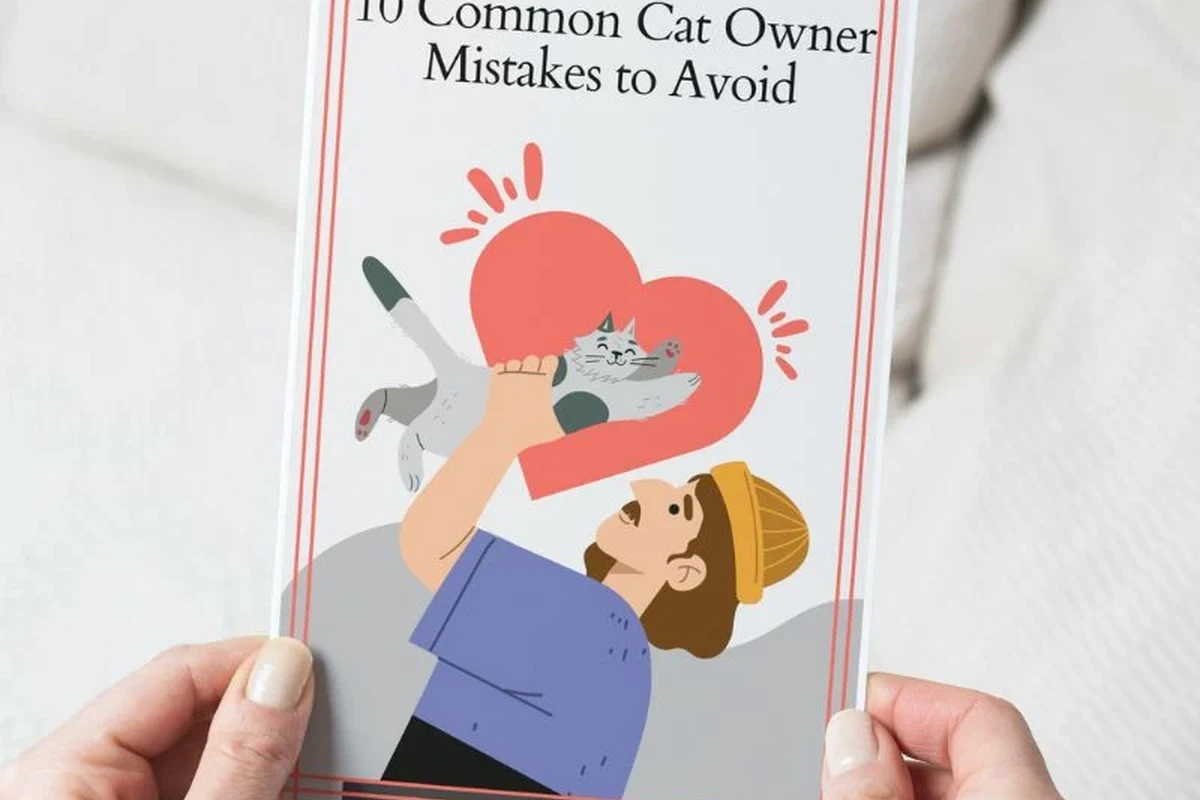
- Ignoring Symptoms: Don’t dismiss subtle changes in behavior or appetite as normal.
- Inadequate Nutrition: Avoid feeding low-quality food that lacks essential nutrients.
- Skipping Vet Visits: Regular vet visits are critical for preventive care and early detection of issues.
- Overlooking Dental Care: Dental health is often neglected; ensure proper dental hygiene.
- Neglecting Parasite Control: Regularly treat for fleas, ticks, and worms.
- Keep your cat’s environment clean and stress-free.
- Ensure regular vet visits, especially for older cats.
- Monitor your cat’s weight and eating habits closely.
When to Consult a Veterinarian
Knowing when to seek professional help is crucial for your cat’s health. If you notice any of the following signs, contact your veterinarian immediately.
Persistent vomiting or diarrhea lasting more than 24 hours. Sudden weight loss or gain. Difficulty breathing or excessive coughing. Changes in litter box habits, such as blood in urine or straining to urinate. Severe lethargy or unresponsiveness. For related health context, you may also want to read do siamese cats have health issues best guide for cat lovers.
Understanding Risks for Kittens and Senior Cats
Kittens and senior cats are at a higher risk for certain health issues. Kittens have developing immune systems, while older cats often have age-related health problems. Special care should be taken with these age groups.
Special Considerations for Kittens
Kittens are particularly vulnerable to diseases before they receive their full vaccination series. Regular vet visits and socialization are crucial during this time.
Special Considerations for Senior Cats
Senior cats may develop chronic issues such as kidney disease, arthritis, or diabetes. Regular health screenings and adjusted diets can help manage these conditions. This connects closely with what are the symptoms of a cat dying if you want to compare the topic in more detail.
If your cat shows any sudden changes in behavior or health, contact your veterinarian for advice.
How to Read the Signs of Can cats get sick
can cats get sick should be understood as a reason to observe your cat carefully, compare signs, avoid guessing, and contact a veterinarian when symptoms are sudden, severe, repeated, painful, or linked to appetite, breathing, urination, weight, kittens, or senior cats.
- Track when the sign started and how often it happens.
- Avoid home treatment, medication, or dosing without veterinary guidance.
- Use this article to prepare better questions for your veterinarian.
Final Words
Understanding that cats can get sick is the first step in being a responsible pet owner. By recognizing symptoms, preventing illness, and knowing when to consult a veterinarian, you can help ensure that your feline friend remains healthy and happy. Regular veterinary care and a keen eye for changes in behavior are essential components of cat ownership.
🐾 Sufiya Begom's Tip: Every cat is different, so I always watch my own cats closely before assuming the worst. Small changes in appetite, grooming, or energy often mean something simple is going on — but if anything feels off for more than a day, it is always worth a quick check with your vet. Trust your instincts as a cat owner.
Frequently Asked Questions
Start with intended use, fit, verified specifications, safety instructions, care needs, and important limitations.
Start with the cat’s age, health history, home environment, safety guidance, and the main reason behind the topic.
It can vary by kitten, adult, senior cat, breed, temperament, health condition, diet, stress level, and home setup.
Check food changes, litter changes, symptoms, behavior changes, product fit, cleaning routine, and veterinarian guidance when health is involved.
A common mistake is treating every cat the same instead of considering age, health, environment, stress, and safety risks.
Contact a veterinarian if signs are sudden, severe, repeated, painful, linked to appetite, breathing, urination, weight, or involve kittens or senior cats.