
Yes, a sick cat can get a human sick in certain cases. While most cat illnesses are not transmissible to humans, some zoonotic diseases, such as toxoplasmosis and certain strains of ringworm, pose risks. Always practice good hygiene and consult a veterinarian if you’re concerned about your cat’s health.
Last updated: July 11, 2026
As a cat owner, you may wonder, “can a sick cat get a human sick?” This concern is valid, especially if your feline friend shows signs of illness. In this article, we will explore the potential zoonotic diseases, symptoms to watch for, and how to care for your pet while keeping yourself safe from any possible transmission of illness. Understanding these risks is crucial for the well-being of both you and your cat.
- Start with the cat: Age, health, diet, behavior, and home setup change the right answer.
- Check safety first: Watch for pain, appetite changes, breathing issues, urination changes, or repeated symptoms.
- Use practical steps: Adjust routines, food, litter, grooming, play, or products slowly and safely.
- Know the limits: Cat-care advice varies by cause, product, environment, and veterinarian guidance.
Can a Sick Cat Get a Human Sick? Understanding the Risks Today
When dealing with a sick cat, it’s important to understand the potential risks involved regarding human health. While many illnesses in cats are species-specific, certain diseases can be transmitted to humans, known as zoonotic diseases. This section will provide insights into which illnesses can cross the species barrier and what precautions to take. For related safety context, compare this with are there health risks with feeding a cat raw food.
Common Illnesses in Cats That Can Affect Humans
Feline illnesses can sometimes pose a risk to human health. Recognizing which diseases are zoonotic is essential for any cat owner. This section covers the most common illnesses that can be transmitted from cats to humans.
Feline Zoonotic Diseases Explained
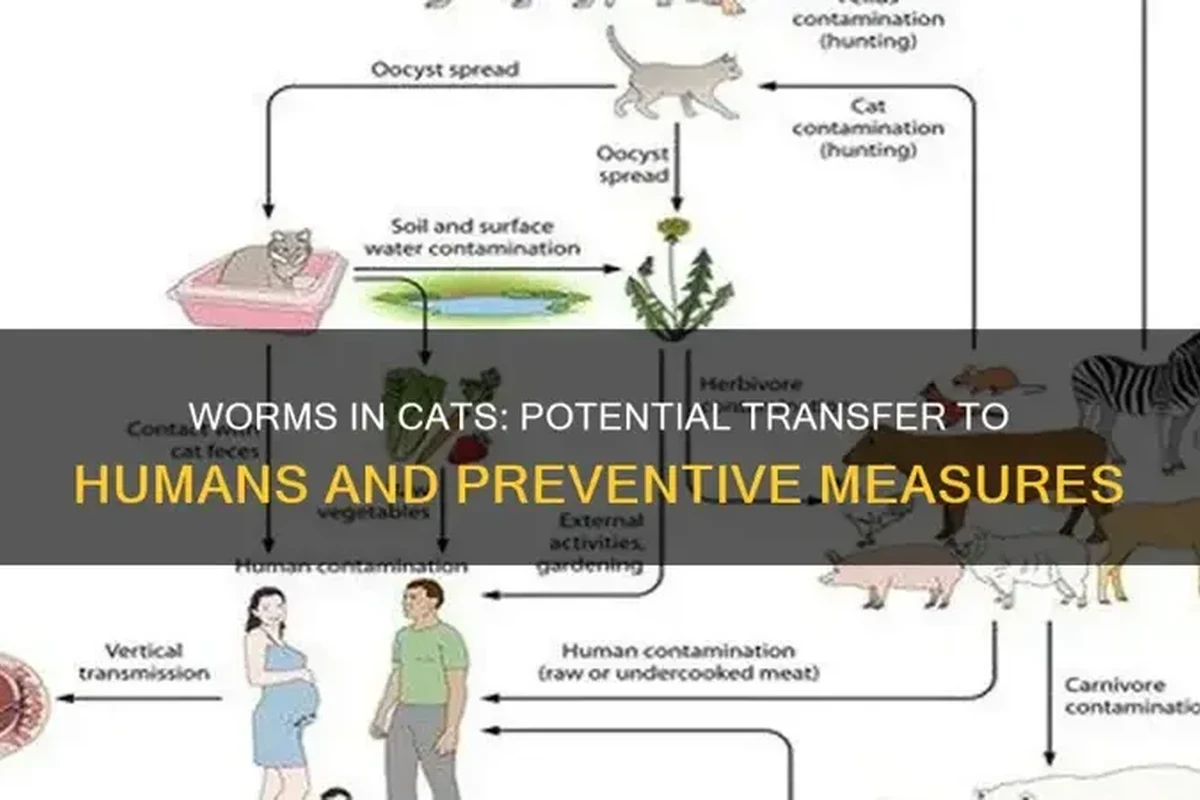
Zoonotic diseases are infections that can be transmitted from animals to humans. In cats, several diseases fall into this category, including ringworm, toxoplasmosis, and cat scratch fever. Understanding these diseases can help you take necessary precautions.
- Ringworm: A fungal infection that can cause red, itchy patches on the skin.
- Toxoplasmosis: A parasitic infection that may lead to flu-like symptoms in humans.
- Cat Scratch Fever: Caused by bacteria transmitted through scratches or bites, resulting in fever and swollen lymph nodes.
Common Symptoms of Zoonotic Diseases
Each zoonotic disease can present different symptoms in humans. Recognizing these symptoms early can help you seek medical attention if necessary. Here are some common signs to be aware of:
Itching and rashes on the skin. Flu-like symptoms such as fever, fatigue, and muscle aches. Swollen lymph nodes, particularly after a scratch or bite. This connects closely with where can i take my sick cat with no money if you want to compare the topic in more detail.
Use this guide for can a sick cat get a human sick as a practical checklist, then adjust the advice to your cat’s age, health history, routine, and home environment.
How to Identify If Your Cat Is Sick
Identifying illness in your cat is crucial for their health and your safety. Early detection can prevent the spread of zoonotic diseases. This section will provide insights on recognizing signs of illness in your feline companion.
Recognizing Signs of Illness in Cats
Being vigilant about your cat’s health will help you notice any changes that could indicate illness. Common signs to look for include:
- Changes in appetite or weight.
- Behavioral changes, such as increased hiding or aggression.
- Persistent vomiting or diarrhea.
- Coughing, sneezing, or nasal discharge.
When to Be Concerned: Severity of Symptoms
Not all symptoms indicate a serious issue, but certain signs should prompt immediate concern. Monitoring the severity of symptoms is essential in deciding when to seek veterinary care. For related health context, you may also want to read can a cat carry rabies without symptoms.
| Symptom | Severity Level | Action Required |
|---|---|---|
| Persistent vomiting | High | Contact your vet immediately |
| Loss of appetite for more than 24 hours | Medium | Monitor and consult if it continues |
| Minor coughing | Low | Observe for other symptoms |
- Use gloves when cleaning litter boxes and handling sick cats.
- Keep your cat indoors to reduce exposure to parasites and diseases.
- Wash your hands thoroughly after interacting with your cat.
Safe Observation and Care at Home
When your cat is sick, providing safe and effective care at home is important. This section offers practical steps to monitor your sick cat and ensure your safety as well.
Steps for Monitoring Your Sick Cat
Keeping a close eye on your cat’s health can help you identify changes that may indicate worsening conditions. Here are steps to effectively monitor your sick cat:
- Observe Behavior: Watch for changes in activity levels, appetite, and litter box habits.
- Check Vital Signs: Learn how to take your cat’s temperature and monitor heart rate to assess health.
- Maintain a Clean Environment: Regularly clean litter boxes and living spaces to reduce infection risks.
What Not to Do: Common Mistakes in Cat Care
While caring for a sick cat, it’s easy to make mistakes that could worsen their condition or jeopardize your health. Here are some common pitfalls to avoid:
Ignoring minor symptoms that may develop into something serious. Using human medication without veterinary guidance. Failing to wash hands after handling your sick cat. This also connects with what are the symptoms of a cat dying if you want to avoid a similar cat-care mistake.
Cats often show discomfort through small changes in appetite, litter box use, grooming, hiding, play, or body language before the problem looks obvious.
When to Call a Veterinarian
Knowing when to consult a veterinarian is crucial for your cat’s health and safety. This section outlines critical signs that require immediate veterinary attention.
Signs That Require Immediate Veterinary Attention
If you notice any of the following symptoms, contact your veterinarian without delay:
- Severe lethargy or unresponsiveness.
- Blood in vomit or stool.
- Persistent difficulty breathing.
- Sudden changes in behavior or coordination.
Understanding the Risks for Kittens and Senior Cats
Kittens and senior cats are more vulnerable to illness and may require additional care. Understanding their specific risks can help you take appropriate precautions.
Kittens often have underdeveloped immune systems. Senior cats may have pre-existing health conditions that complicate recovery. Both groups are at higher risk for dehydration and other complications. For related safety context, compare this with how much does a vet visit cost for a cat health checkup.
Preventive Measures to Protect Both Cats and Humans
Preventive care is key to reducing the risk of zoonotic diseases and ensuring the health of both you and your cat. This section provides preventative measures to consider.
Vaccinations and Regular Check-ups
Ensuring your cat is up-to-date with vaccinations and regular veterinary check-ups can significantly reduce the risk of transmission of zoonotic diseases. Establish a routine health care plan with your vet to safeguard your feline.
Maintaining a Clean Living Environment
Keeping your home clean can help minimize the spread of diseases. Regular cleaning of your cat’s living area and proper disposal of waste are essential practices. You can also use can stress affect a cats health as a helpful next guide on the same cat-care topic.
Always consult your veterinarian for recommendations on food and litter that cater specifically to your cat’s health status.
What This Means for Cat Owners
Understanding the risks associated with a sick cat is vital for responsible pet ownership. By being aware of zoonotic diseases and their symptoms, you can take proactive steps to protect both your health and your cat’s well-being. For related context, you may also want to read how much is a health check for a cat.
How to Use This Advice at Home
Implementing the advice from this article can help you manage your cat’s health effectively. Regular monitoring and quick action can make a significant difference in your cat’s recovery and your safety.
Practical Tips for Cat Owners
Here are some additional practical tips to help you care for your sick cat safely: This connects closely with how to check if your cat has a health problem if you want to compare the topic in more detail.
- Keep a first aid kit for your cat, including antiseptic and bandages.
- Establish a comfortable, quiet space for your cat to rest.
- Provide easily digestible food to help your cat recover.
This guide on can a sick cat get a human sick is written for general cat-owner education. For symptoms, food safety, recalls, medication, product specifications, or urgent changes, confirm details with a veterinarian, product label, official manual, manufacturer notice, or current recall source before acting.
Product and Food Considerations for Sick Cats
Choosing the right food and products for a sick cat can aid in their recovery. This section will help you make informed choices that support your cat’s health.
Choosing the Right Food for Recovery
Nutrition plays a crucial role in recovery from illness. Selecting the right food can assist in restoring your cat’s health. Consider high-quality, easily digestible options that provide essential nutrients.
Safe Litter Options for Sick Cats
Using the right litter can also minimize stress for your cat during recovery. Opt for low-dust, unscented options that are gentle on sensitive paws and help keep the area clean.
Final Words
Understanding the risks of zoonotic diseases and how they can affect both cats and humans is essential for responsible pet ownership. By recognizing symptoms, providing proper care, and taking preventive measures, you can ensure the health and safety of both you and your feline friend. Always consult with a veterinarian for tailored advice and treatment options.
🐾 Sufiya Begom's Tip: Every cat is different, so I always watch my own cats closely before assuming the worst. Small changes in appetite, grooming, or energy often mean something simple is going on — but if anything feels off for more than a day, it is always worth a quick check with your vet. Trust your instincts as a cat owner.
Frequently Asked Questions
Start with intended use, fit, verified specifications, safety instructions, care needs, and important limitations.
Start with the cat’s age, health history, home environment, safety guidance, and the main reason behind the topic.
It can vary by kitten, adult, senior cat, breed, temperament, health condition, diet, stress level, and home setup.
Check food changes, litter changes, symptoms, behavior changes, product fit, cleaning routine, and veterinarian guidance when health is involved.
A common mistake is treating every cat the same instead of considering age, health, environment, stress, and safety risks.
Contact a veterinarian if signs are sudden, severe, repeated, painful, linked to appetite, breathing, urination, weight, or involve kittens or senior cats.