
Yes, kittens can carry rabies, although the risk is generally low. If a kitten is bitten by a rabid animal, it can contract the virus, so it’s crucial to vaccinate pets and avoid contact with wild animals.
Last updated: July 11, 2026
Understanding the potential health risks associated with kittens is crucial for any pet owner, especially when it comes to serious diseases like rabies. Many people wonder, “can kittens carry rabies?” The answer is significant since rabies poses a severe threat to both pets and humans. This article will explore what rabies is, how it affects kittens, the signs to watch for, and the preventive measures you can take to keep your furry friend safe.
- Start with the cat: Age, health, diet, behavior, and home setup change the right answer.
- Check safety first: Watch for pain, appetite changes, breathing issues, urination changes, or repeated symptoms.
- Use practical steps: Adjust routines, food, litter, grooming, play, or products slowly and safely.
- Know the limits: Cat-care advice varies by cause, product, environment, and veterinarian guidance.
Can Kittens Carry Rabies? Understanding the Risks
Yes, kittens can carry rabies, although it is relatively uncommon. Rabies is a viral disease that affects the central nervous system and is primarily transmitted through the bite or scratch of an infected animal. Understanding this risk is essential for kitten owners, as rabies can have severe consequences if not addressed promptly.
What Is Rabies and How Does It Affect Kittens?
Rabies is a viral infection caused by the rabies virus, which is part of the Lyssavirus genus. It primarily affects mammals, including cats, dogs, and humans. Once contracted, the virus travels along the nervous system to the brain, leading to severe neurological symptoms and often death if not treated immediately. In kittens, the disease may manifest with various symptoms, making early detection crucial. For related health context, you may also want to read can a cat carry rabies without symptoms.
Rabies is a zoonotic disease, meaning it can be transmitted from animals to humans. If you suspect your kitten has rabies, seek immediate veterinary assistance.
Signs and Symptoms of Rabies in Kittens
Recognizing the signs and symptoms of rabies in kittens is vital for early intervention. The symptoms can vary, and not all infected kittens will display the same signs. Awareness of these symptoms can help you act swiftly if your kitten is at risk. This connects closely with new cat health research if you want to compare the topic in more detail.
Common Symptoms to Watch For
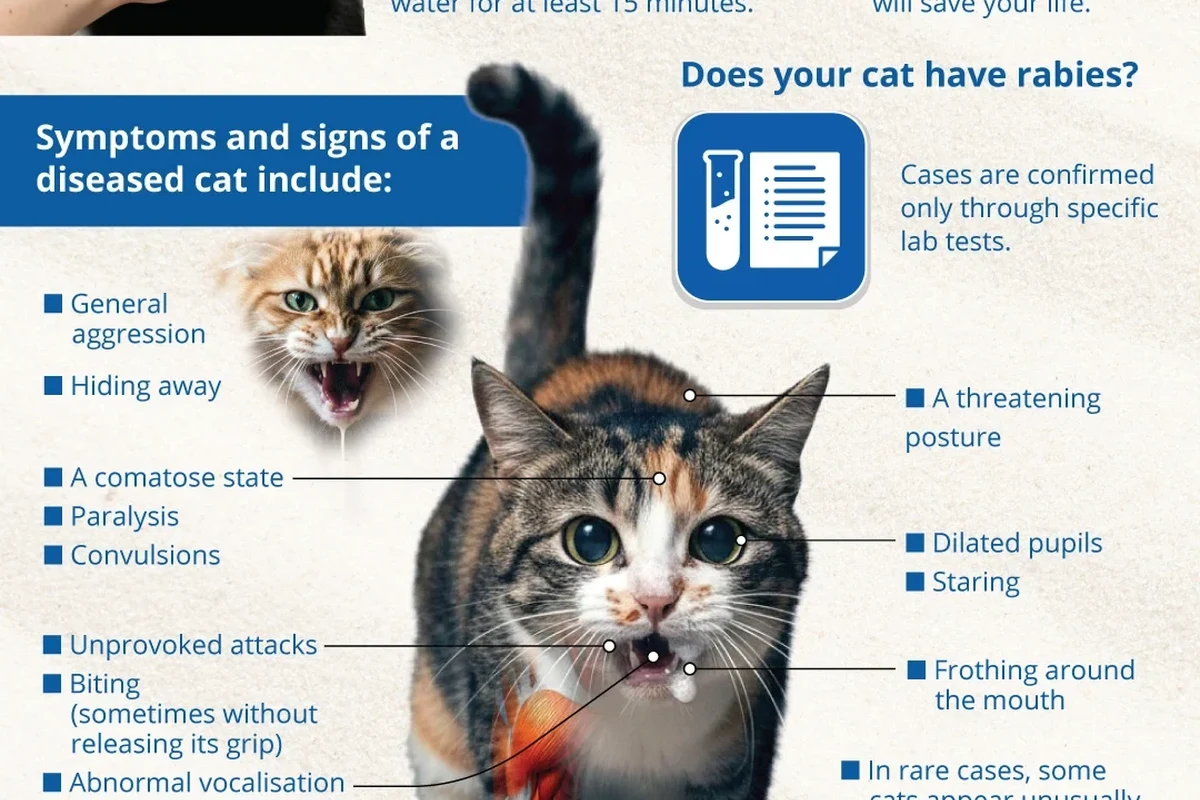
Here are some common symptoms that may indicate rabies in kittens:
- Unusual aggression or irritability
- Excessive drooling or difficulty swallowing
- Uncoordinated movements or paralysis
- Changes in behavior or increased vocalization
- Seizures or loss of consciousness
How Kittens Contract Rabies: Likely Causes
Understanding how kittens contract rabies is essential for prevention. The disease is primarily transmitted through saliva from an infected animal, often via bites or scratches. Knowing the risks can help you keep your kitten safe and healthy.
Understanding Transmission and Exposure Risks
Kittens can become infected with rabies through exposure to wild animals, such as bats, raccoons, or foxes, which are common carriers of the virus. Kittens that roam outdoors or encounter other animals without proper vaccinations are at a higher risk. Keeping your kitten indoors and ensuring they are up-to-date on vaccinations is crucial in preventing rabies. For related safety context, compare this with what is the new cat disease.
| Transmission Method | Risk Level | Preventive Action |
|---|---|---|
| Bite from an infected animal | High | Keep your kitten indoors and supervise outdoor time. |
| Exposure to saliva | Medium | Avoid contact with wild animals. |
| Contact with rabid animals | High | Vaccinate your kitten against rabies. |
Regular health checks can help you catch potential issues early, ensuring your kitten stays healthy.
Severity of Rabies: Why It’s Critical to Act Fast
Rabies is an extremely serious disease, and the severity of its consequences cannot be overstated. Immediate action is necessary if you suspect your kitten may have been exposed to the virus.
Potential Outcomes for Infected Kittens
If rabies is contracted, the virus can lead to severe neurological disorders and, ultimately, death. The incubation period can vary, but once symptoms appear, the disease progresses rapidly. Without prompt treatment, the infected kitten’s condition will worsen, leading to more severe symptoms and complications. For related context, you may also want to read how to check if your cat has a health problem.
- Check your kitten’s vaccination status.
- Monitor for any symptoms closely.
- Consult with a veterinarian immediately if symptoms arise.
Safe Observation at Home: Monitoring Your Kitten’s Health
As a responsible pet owner, monitoring your kitten’s health is essential for early detection of any potential health issues. Regular check-ups and observations can help you maintain your kitten’s well-being.
Key Health Checks to Perform Regularly
Here are some key health checks and observations you can perform at home:
Monitor eating and drinking habits for changes. Check for unusual behavior or lethargy. Inspect for signs of injury or infection from bites or scratches. Observe grooming habits; excessive grooming can indicate stress or illness. Keep track of litter box habits for any changes in urination or defecation. For related health context, you may also want to read what are the symptoms of a cat dying.
What Not to Do If You Suspect Rabies
Knowing how to respond when you suspect rabies is critical. Many common mistakes can hinder your kitten’s chances of recovery or worsen the situation. This connects closely with what is wrong with my cat symptom checker quick guide if you want to compare the topic in more detail.

Common Mistakes Cat Owners Make
Here are some common mistakes to avoid:
- Delaying veterinary consultation.
- Attempting home remedies instead of seeking professional help.
- Ignoring symptoms or changes in behavior.
- Assuming all outdoor animals are safe.
- Schedule regular veterinary check-ups.
- Keep your home environment safe and secure for your kitten.
- Provide a balanced diet to boost your kitten’s immune system.
When to Call a Veterinarian: Recognizing Emergency Signs
Understanding when to seek veterinary care is essential for your kitten’s health. If you notice concerning symptoms, don’t hesitate to contact your veterinarian.
Critical Situations Where Immediate Care Is Needed
Here are some critical situations where you should seek immediate veterinary assistance:
Signs of aggression or severe behavioral changes. Difficulty breathing or severe drooling. Any signs of paralysis or coordination issues. Seizures or loss of consciousness. For related context, you may also want to read where can i take my sick cat with no money.
Regular health monitoring and prompt veterinary visits can drastically improve the outcomes for kittens showing signs of rabies.
Preventing Rabies in Kittens: Safety Tips for Cat Owners
Prevention is always better than cure, especially when it comes to a disease as serious as rabies. Implementing safety measures can significantly reduce the risk of infection.
Vaccination and Other Preventative Measures
Vaccinations play a crucial role in ensuring your kitten’s safety against rabies. Here are some essential prevention tips: This connects closely with what are symptoms of a pregnant cat 2 if you want to compare the topic in more detail.
- Ensure your kitten is vaccinated against rabies as recommended by your veterinarian.
- Keep your kitten indoors to minimize contact with wildlife.
- Supervise outdoor playtime to prevent encounters with potentially infected animals.
- Educate your family about the risks of rabies and how to avoid exposure.
Monitoring Kittens and Senior Cats for Rabies Symptoms
It’s essential to monitor both kittens and senior cats for symptoms of rabies as their immune systems may react differently. Understanding these age-related considerations can help you provide better care.
Age-Related Considerations in Health Monitoring
Kittens and senior cats may exhibit different symptoms of rabies, making it important to observe their behavior closely. Kittens may show more rapid symptoms due to their developing immune systems, while older cats may mask symptoms until the disease is advanced. Regular monitoring for both age groups is crucial.
This guide on can kittens carry rabies is written for general cat-owner education. For symptoms, food safety, recalls, medication, product specifications, or urgent changes, confirm details with a veterinarian, product label, official manual, manufacturer notice, or current recall source before acting.
How to Use This Advice at Home
Implementing the knowledge gained from this article can help you ensure your kitten’s health and safety. Taking proactive measures is key to preventing rabies and managing your kitten’s overall well-being.
Practical Steps to Keep Your Kitten Safe
Here are some practical steps you can take to keep your kitten safe from rabies:
Schedule vaccinations according to your veterinarian’s recommendations. Limit outdoor exposure and monitor playtime with other animals. Stay informed about local wildlife and rabies outbreaks.
Final Words
Rabies is a serious disease that can affect kittens and pose risks to humans. Understanding how kittens can carry rabies and recognizing the signs is crucial for prevention and early intervention. By taking proactive measures, such as vaccinations and regular health monitoring, you can help protect your kitten and ensure their well-being.
🐾 Sufiya Begom's Tip: Every cat is different, so I always watch my own cats closely before assuming the worst. Small changes in appetite, grooming, or energy often mean something simple is going on — but if anything feels off for more than a day, it is always worth a quick check with your vet. Trust your instincts as a cat owner.
Frequently Asked Questions
Start with intended use, fit, verified specifications, safety instructions, care needs, and important limitations.
Start with the cat’s age, health history, home environment, safety guidance, and the main reason behind the topic.
It can vary by kitten, adult, senior cat, breed, temperament, health condition, diet, stress level, and home setup.
Check food changes, litter changes, symptoms, behavior changes, product fit, cleaning routine, and veterinarian guidance when health is involved.
A common mistake is treating every cat the same instead of considering age, health, environment, stress, and safety risks.
Contact a veterinarian if signs are sudden, severe, repeated, painful, linked to appetite, breathing, urination, weight, or involve kittens or senior cats.