
Common symptoms of kidney disease in cats include increased thirst and urination, weight loss, decreased appetite, vomiting, and lethargy. It’s essential to observe these signs closely, as they indicate what are the symptoms of kidney disease in cats and may require veterinary attention.
As a cat owner, it’s crucial to recognize the signs of kidney disease in your feline friend. Understanding what are the symptoms of kidney disease in cats can help you take timely action to ensure their health and well-being. This article will explore the various symptoms associated with kidney disease, how to observe your cat at home, and when to seek veterinary assistance.
- Start with the cat: Age, health, diet, behavior, and home setup change the right answer.
- Check safety first: Watch for pain, appetite changes, breathing issues, urination changes, or repeated symptoms.
- Use practical steps: Adjust routines, food, litter, grooming, play, or products slowly and safely.
- Know the limits: Cat-care advice varies by cause, product, environment, and veterinarian guidance.
What Are the Symptoms of Kidney Disease in Cats?
Recognizing the symptoms of kidney disease in cats is essential for early diagnosis and intervention. Kidney disease can manifest through a variety of signs that may vary in severity depending on the progression of the disease. Early detection can dramatically improve the quality of life for your cat. For related health context, you may also want to read what are the most common health problems in cats.
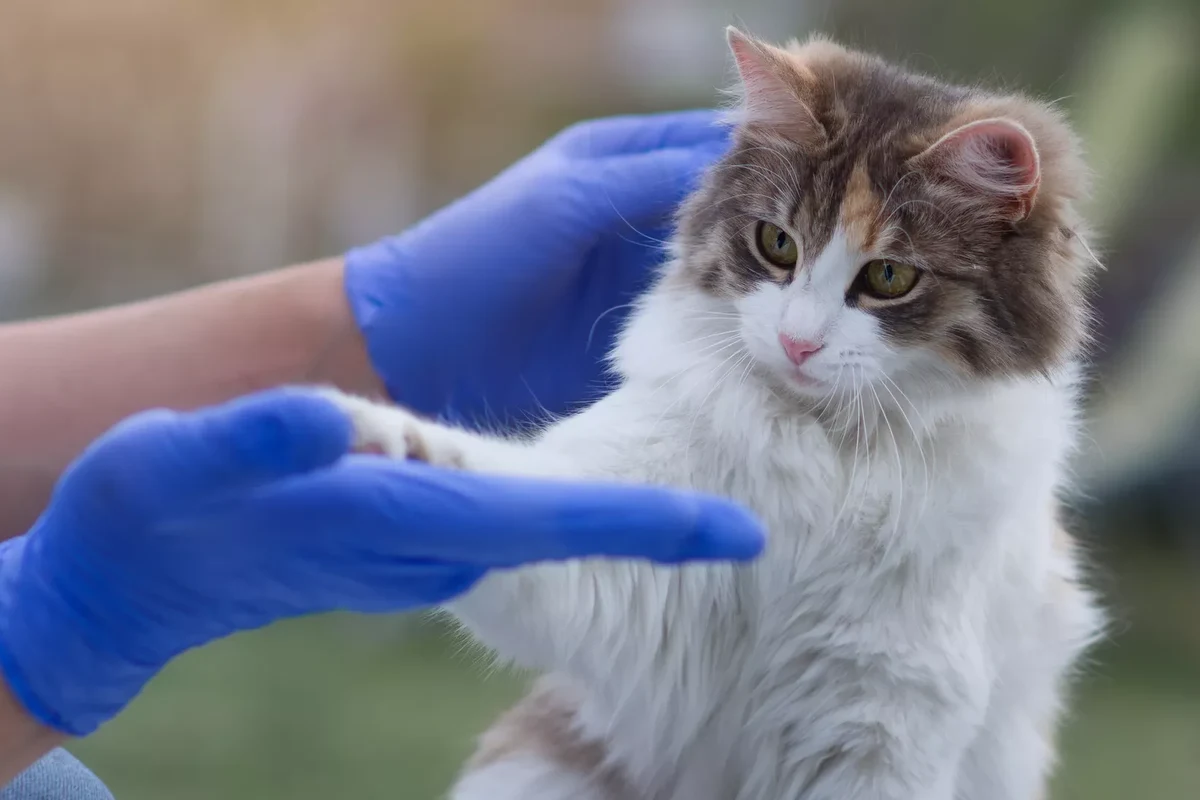
Understanding Kidney Disease in Cats: An Overview
Kidney disease, particularly chronic kidney disease (CKD), is one of the most common health issues affecting cats, especially as they age. The kidneys play a vital role in filtering waste from the blood, regulating electrolytes, and maintaining fluid balance. When kidney function deteriorates, waste products build up in the bloodstream, leading to various health complications. This connects closely with what are symptoms of a pregnant cat 2 if you want to compare the topic in more detail.
- Keep a log of your cat’s weight and eating habits.
- Always provide fresh water and consider a cat water fountain to encourage drinking.
- Schedule regular vet visits for check-ups, especially for older cats.
Common Symptoms of Kidney Disease in Cats to Monitor
Being vigilant about the symptoms of kidney disease in your cat can help in early detection and treatment. Here, we will discuss both early warning signs and advanced symptoms to look out for.
Early Warning Signs of Kidney Disease
Identifying early symptoms of kidney disease can lead to prompt veterinary attention, which is crucial for managing the condition effectively. These signs may be subtle but are important for prevention.
- Increased thirst (polydipsia): Your cat may drink more water than usual.
- Increased urination (polyuria): You may notice more frequent litter box visits.
- Decreased appetite: A noticeable drop in food intake can indicate discomfort.
- Weight loss: Unexplained weight loss, even if your cat is eating normally.
- Vomiting: Occasional vomiting can occur, especially after meals.
Advanced Symptoms of Kidney Disease
As kidney disease progresses, symptoms can become more pronounced and may indicate a critical need for veterinary care. Here are some advanced signs of kidney disease: For related health context, you may also want to read what are rabies symptoms in cats.
- Severe lethargy: Your cat may seem unusually tired or less active.
- Bad breath: A distinctive ammonia-like odor can develop.
- Severe weight loss: Loss of muscle mass and increased frailty.
- Dehydration: Signs include dry gums and skin that doesn’t spring back when pinched.
- Seizures or disorientation: In severe cases, neurological signs may develop.
| Symptom | Severity Level | Action Required |
|---|---|---|
| Increased thirst | Early | Monitor |
| Weight loss | Early | Consult vet |
| Severe lethargy | Advanced | Immediate vet visit |
| Bad breath | Advanced | Consult vet |
| Seizures | Critical | Emergency care needed |
Causes of Kidney Disease in Cats
Understanding the underlying causes of kidney disease in cats can help you take preventive measures and be more vigilant about your cat’s health. Various factors contribute to kidney disease, including genetic predispositions and environmental influences.
Genetic Predispositions and Age Factors
Some cat breeds are genetically predisposed to kidney disease, and age is a significant risk factor. Older cats are more prone to developing chronic kidney disease due to the natural aging process of their organs.
- Persians and Siamese are known to have a higher risk of kidney issues.
- Age-related decline in kidney function typically begins around 7-10 years.
- Regular veterinary check-ups can help catch problems early in older cats.
Environmental and Dietary Influences
The environment and diet also play crucial roles in kidney health. Poor nutrition and exposure to toxins can significantly impact a cat’s kidney function. This connects closely with symptoms kidney disease cats if diet or appetite is part of the issue.
- High-protein diets can exacerbate kidney issues in susceptible cats.
- Exposure to certain plants and chemicals can lead to acute kidney failure.
- Ensuring access to fresh water is vital to prevent dehydration.
If you notice severe symptoms like seizures or persistent vomiting, seek emergency veterinary care immediately.
How to Safely Observe Symptoms at Home
Monitoring your cat’s health at home can help you catch any symptoms of kidney disease early on. A proactive approach can make a big difference in your cat’s health outcomes.
Routine Health Checks for Your Cat
Establishing a routine health check can help you keep track of any changes in your cat’s behavior and physical condition. Regular observation will allow you to detect symptoms early.
- Check your cat’s weight weekly to monitor for unexpected changes.
- Observe their drinking and eating habits closely.
- Monitor litter box habits, including frequency and volume of urination.
Signs of Dehydration and Weight Loss
Being aware of dehydration and weight loss signs is vital for kidney health. Both can signify a worsening condition and indicate the need for veterinary evaluation. For related health context, you may also want to read what is the new cat disease.
- Look for dry gums and a decrease in skin elasticity.
- Weigh your cat regularly; a sudden drop in weight can be alarming.
- Monitor your cat’s energy levels; lethargy can indicate dehydration.
What Not to Do When You Suspect Kidney Disease
When you suspect that your cat may have kidney disease, it’s important to avoid common pitfalls in care that could worsen the situation or delay treatment.
Avoiding Common Mistakes in Cat Care
Being informed about what to avoid can help you take better care of your cat and ensure their health is prioritized.
- Do not delay visiting a veterinarian if symptoms persist.
- Avoid making dietary changes without veterinary advice.
- Do not administer over-the-counter medications without consulting a vet first.
When Home Remedies Can Do More Harm
Many cat owners may be tempted to try home remedies, but these can sometimes lead to complications. It’s essential to approach home treatment with caution. You can also use do siamese cats have health issues best guide for cat lovers as a helpful next guide on the same cat-care topic.
- Home remedies are not a substitute for professional veterinary care.
- Some natural remedies can interact with medications.
- Consult your veterinarian before trying any new treatments.
Monitor your cat’s health closely and consult a veterinarian if you notice any concerning symptoms.
When to Call a Veterinarian
Knowing when to contact your veterinarian can be critical in managing kidney disease effectively. There are specific signs that warrant immediate attention.
Recognizing Urgent Symptoms
Some symptoms indicate that your cat may be in a critical state and require urgent veterinary care. Prompt action can save your cat’s life.
- Severe dehydration or lethargy.
- Persistent vomiting or diarrhea.
- Seizures or disorientation.
Preparing for Your Vet Visit: What to Bring
Preparing for a veterinary visit can help ensure that you get the most out of your consultation. Bring relevant information about your cat’s health. For related health context, you may also want to read how to prevent obesity in cats for better health.
- Bring a detailed history of your cat’s symptoms and behavior changes.
- List any medications or supplements your cat is currently taking.
- Prepare to discuss your cat’s diet and any environmental changes.
This guide on what are the symptoms of kidney disease in cats is written for general cat-owner education. For symptoms, food safety, recalls, medication, product specifications, or urgent changes, confirm details with a veterinarian, product label, official manual, manufacturer notice, or current recall source before acting.
Kittens and Senior Cats: Risk Factors for Kidney Disease
Kittens and senior cats face unique challenges regarding kidney health. Understanding their specific risks can help you provide better care.
Special Considerations for Kittens
Kittens are generally less susceptible to kidney disease, but certain congenital conditions can arise. Early monitoring is essential for their health.
- Keep an eye on growth rates and energy levels.
- Consult your vet if your kitten shows signs of lethargy or poor appetite.
- Be cautious of exposure to toxins that could harm their developing organs.
Managing Kidney Health in Senior Cats
Senior cats are at a higher risk for kidney disease due to the natural aging process. Regular check-ups are vital for early detection and management. This connects closely with is iams proactive health good for cats if you want to compare the topic in more detail.
- Schedule annual veterinary exams, or more frequently as they age.
- Consider specialized diets designed for kidney health.
- Monitor weight and hydration closely to prevent complications.
Preventing Kidney Disease in Cats
Prevention is key when it comes to kidney disease in cats. There are several proactive steps you can take to help protect your cat’s kidney health.
Nutrition and Hydration: Key Factors
Proper nutrition and hydration play crucial roles in maintaining kidney health. A balanced diet can help reduce the risk of kidney disease.
- Feed a diet rich in high-quality protein and low in phosphorus.
- Ensure your cat always has access to fresh, clean water.
- Consider wet food options, which can provide additional hydration.
Regular Veterinary Care and Screenings
Regular veterinary visits can help catch and manage kidney disease before it becomes severe. Early detection is crucial for effective treatment.
- Schedule annual health check-ups, especially for older cats.
- Discuss screening tests for kidney function with your veterinarian.
- Keep a record of any health changes to share with your vet.
Early detection and proactive health management are critical in dealing with kidney disease in cats. Regular monitoring and veterinary visits can make a significant difference in your cat’s life.
Monitoring Your Cat’s Health: Tools and Techniques
Being proactive about monitoring your cat’s health can help you catch issues before they escalate. Here are some tools and techniques to consider.
Using a Symptom Checklist at Home
A symptom checklist can be a useful tool for tracking changes in your cat’s health. Regular updates can provide valuable insights for your veterinarian.
- Include symptoms such as changes in appetite, weight, and behavior.
- Track water intake and litter box usage daily.
- Share your findings with your vet during visits.
Tracking Changes in Behavior and Appetite
Behavioral changes can often indicate underlying health issues. Keeping an eye on these changes can lead to early detection of kidney disease.
- Note any increase or decrease in activity levels.
- Observe changes in grooming habits; a decrease may indicate illness.
- Look for signs of discomfort, such as hiding or vocalizing.
What This Means for Cat Owners
Understanding the symptoms of kidney disease in cats is essential for every cat owner. By being proactive and observant, you can help ensure your cat remains healthy and happy for years to come. Regular veterinary care, appropriate nutrition, and hydration are key factors in preventing kidney issues.
Final Words
Kidney disease in cats is a serious health concern that requires vigilance from cat owners. Recognizing the symptoms early can lead to better management and treatment options. Always consult your veterinarian if you notice any concerning signs, and prioritize routine check-ups to maintain your cat’s health.
🐾 Sufiya Begom's Tip: Every cat is different, so I always watch my own cats closely before assuming the worst. Small changes in appetite, grooming, or energy often mean something simple is going on — but if anything feels off for more than a day, it is always worth a quick check with your vet. Trust your instincts as a cat owner.
Frequently Asked Questions
Start with intended use, fit, verified specifications, safety instructions, care needs, and important limitations.
Start with the cat’s age, health history, home environment, safety guidance, and the main reason behind the topic.
It can vary by kitten, adult, senior cat, breed, temperament, health condition, diet, stress level, and home setup.
Check food changes, litter changes, symptoms, behavior changes, product fit, cleaning routine, and veterinarian guidance when health is involved.
A common mistake is treating every cat the same instead of considering age, health, environment, stress, and safety risks.
Contact a veterinarian if signs are sudden, severe, repeated, painful, linked to appetite, breathing, urination, weight, or involve kittens or senior cats.