
Groom a long haired cat by brushing its coat daily with a wide-toothed comb to prevent mats and tangles. Use a slicker brush for removing loose fur and finish with a grooming glove for a smooth, shiny finish.
Grooming a long-haired cat is essential for maintaining its health and ensuring a shiny coat. Understanding how to groom a long haired cat not only enhances its appearance but also prevents issues such as matting and skin problems. In this article, we will explore the best practices for grooming these beautiful felines, including essential tools, techniques, and common mistakes to avoid.
- Start with the cat: Age, health, diet, behavior, and home setup change the right answer.
- Check safety first: Watch for pain, appetite changes, breathing issues, urination changes, or repeated symptoms.
- Use practical steps: Adjust routines, food, litter, grooming, play, or products slowly and safely.
- Know the limits: Cat-care advice varies by cause, product, environment, and veterinarian guidance.
The Importance of Regular Grooming for Long Haired Cats
Regular grooming is crucial for long-haired cats due to their dense and flowing coats. This process helps remove loose hair, dirt, and debris while preventing matting and skin issues. Additionally, grooming can strengthen the bond between you and your cat, making it a pleasant experience for both parties. For related context, you may also want to read how much does a vet visit cost for a cat health checkup.
Understanding the Unique Needs of Long Haired Cats
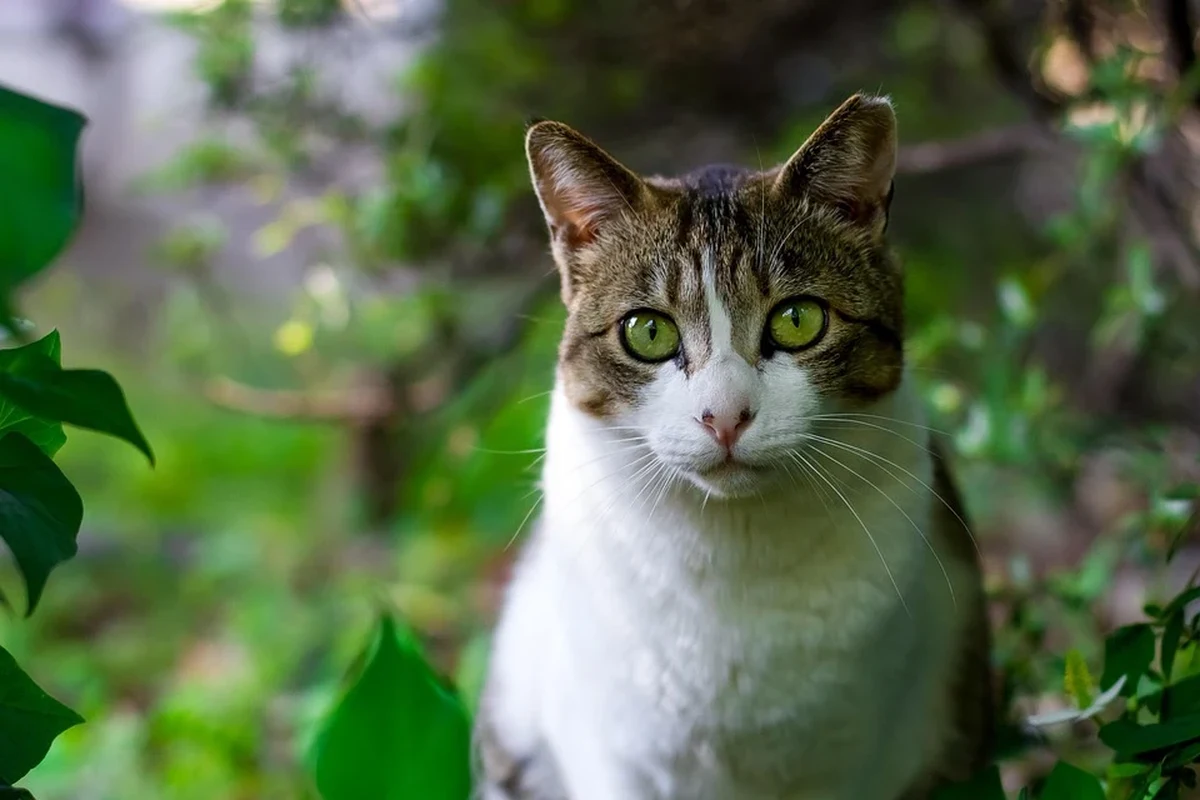
Long-haired cats have specific grooming needs that differ from their short-haired counterparts. Their coats require extra attention to avoid tangles and mats, which can lead to discomfort and skin irritations. Understanding these unique needs is essential for effective grooming.
Common Breeds of Long Haired Cats
Some popular long-haired cat breeds include the Persian, Maine Coon, and Ragdoll. Each breed has its unique grooming requirements due to variations in coat length and texture. Familiarizing yourself with your cat’s breed can help tailor your grooming approach.
Why Long Haired Cats Are Prone to Matting
Long-haired cats are more susceptible to matting due to their abundant fur. Factors such as shedding, dirt, and tangles can contribute to the formation of mats, which can be uncomfortable and even painful for your pet. Regular grooming is essential to prevent these issues. This connects closely with how much is a health check for a cat if you want to compare the topic in more detail.
Ideal for long-haired breeds like Persians and Maine Coons.
Best for homes with calm grooming spaces.
Be cautious when handling mats or sensitive areas.
Essential Tools for Grooming Your Long Haired Cat
Having the right tools is critical for effective grooming. The quality of your grooming tools can significantly affect the ease and success of your grooming session. Here are some essential tools you should consider when grooming your long-haired cat.
Types of Brushes and Combs
Different brushes and combs serve distinct purposes in grooming long-haired cats. A slicker brush can help remove tangles and loose hair, while a wide-toothed comb can detangle and smooth the coat. Investing in quality grooming tools can make the process more efficient and enjoyable.
| Tool | Best For | Features |
|---|---|---|
| Slicker Brush | Removing tangles and loose hair | Fine bristles that reach the undercoat |
| Wide-Toothed Comb | Detangling | Gentle on the coat, prevents breakage |
| Pin Brush | Finishing touches | Great for fluffing the coat |
Additional Grooming Supplies You May Need
Besides brushes and combs, there are other grooming supplies you may need. These can include grooming gloves, shampoo, and nail clippers. Having these supplies on hand will facilitate a comprehensive grooming routine. You can also use how much is a health certificate for a cat as a helpful next guide on the same cat-care topic.
Use this guide for how to groom a long haired cat as a practical checklist, then adjust the advice to your cat’s age, health history, routine, and home environment.
Step-by-Step Guide: How to Groom Your Long Haired Cat
Grooming doesn’t have to be a daunting task. Following a structured approach can make the process smoother and more enjoyable for both you and your cat. Here’s a step-by-step guide to grooming your long-haired cat effectively.
Preparing Your Cat for Grooming
Before you start grooming, it’s important to prepare your cat. This includes creating a calm environment and ensuring your cat is comfortable. Start by allowing your cat to explore the grooming area and using treats to create positive associations.
The Grooming Process: Brushing Techniques
When brushing your cat, begin at the head and work your way toward the tail. Use gentle strokes and be mindful of sensitive areas. For areas with mats, hold the base of the fur to avoid pulling on the skin. Regularly check for tangles and mats to keep the coat healthy.
Bathing Your Long Haired Cat: When and How
Bathing your long-haired cat should be reserved for when it is necessary, such as when they become particularly dirty or if they have skin conditions. Use a cat-specific shampoo, and make sure to rinse thoroughly. It can be beneficial to familiarize your cat with water gradually to reduce stress. For related context, you may also want to read how to check if your cat has a health problem.
Establish a grooming schedule based on your cat’s needs and breed to ensure a healthy coat.
Signs Your Cat Needs Immediate Grooming Attention
Recognizing the signs that your cat requires grooming can help prevent more serious issues down the line. By being attentive to your cat’s coat, you can ensure it remains healthy and well-maintained.
Recognizing Mats and Tangles
Mats and tangles can often be identified by their rough texture and the way they pull on the skin. If you notice clumps of fur that feel hard or are difficult to comb through, it’s time to take action. Regular checks can help catch these issues early.
When to Call a Veterinarian for Severe Matting
If matting becomes severe, it can lead to skin irritations and infections. In such cases, it may be necessary to consult a veterinarian or a professional groomer to avoid causing pain to your cat. Don’t hesitate to seek professional help when needed. For related health context, you may also want to read how to prevent obesity in cats for better health.
Common Mistakes to Avoid When Grooming
Even experienced cat owners can make mistakes during grooming sessions. Being aware of these common pitfalls can help ensure a more effective grooming experience for both you and your cat.
Over-Grooming and Its Consequences
Over-grooming can lead to skin irritations and discomfort for your cat. It’s important to find a balance and not to groom excessively in one session. Monitor your cat’s reaction to grooming to avoid causing stress or pain.
Neglecting Regular Maintenance
Failing to maintain a regular grooming schedule can lead to serious issues such as matting and skin problems. Establish a consistent grooming routine to keep your cat’s coat healthy and shiny. Regular grooming can also help you to notice any changes in your cat’s skin or coat health. You can also use how long do cat allergy symptoms last as a helpful next guide on the same cat-care topic.
- Start grooming your kitten early to build comfort.
- Use gentle strokes and avoid pulling on the coat.
- Monitor your senior cat’s health closely during grooming.
Grooming Tips for Kittens and Senior Long Haired Cats
Kittens and senior cats both have unique grooming needs that should be addressed differently. Understanding these differences can help you provide the best care for these specific age groups.
Special Considerations for Kittens
Kittens may require gentler grooming techniques and shorter sessions to prevent stress. Introducing grooming gradually can help them become accustomed to the process. Always use kitten-safe grooming tools to avoid injury.
Grooming Senior Cats: Health and Comfort
Senior cats may have health issues that make grooming more challenging. Be gentle and pay attention to any signs of discomfort. Regular grooming can help identify health problems and keep their coat in good condition. For related health context, you may also want to read is royal canin good for cat health.
Preventing Grooming Challenges Before They Start
Taking proactive steps can help prevent grooming challenges down the line. Maintaining a consistent routine and creating a suitable environment can make a significant difference in your grooming experience.
Maintaining a Healthy Coat Through Diet
A balanced diet plays a crucial role in maintaining a healthy coat. Ensure your cat receives proper nutrition, including fatty acids and essential vitamins, to promote a shiny and healthy coat. Consult your veterinarian for dietary recommendations specific to your cat’s needs.
Creating a Calm Grooming Environment
Setting up a calm and comfortable grooming area can help reduce stress for your cat. Choose a quiet space with minimal distractions, and use treats and praise to create a positive association with grooming. A relaxed environment can lead to a more successful grooming session. This connects closely with is wet food better for cat health if diet or appetite is part of the issue.
Consult a veterinarian if you notice any changes in your cat’s coat or skin during grooming sessions.
Recommended Products for Long Haired Cat Grooming
Selecting the right grooming products can make a significant difference in your grooming routine. Here are some recommended products to help you maintain your long-haired cat’s coat.
Top Brushes and Combs for Long Haired Cats
When it comes to grooming tools, investing in high-quality brushes and combs designed for long-haired cats can save you time and effort. Look for tools that are specifically designed to handle long fur and minimize discomfort for your pet.
Best Shampoos and Conditioners for Cats
Choosing the right shampoo and conditioner is important for maintaining your cat’s coat. Look for products that are free of harsh chemicals and formulated specifically for cats. These products can help keep your cat’s coat clean, soft, and manageable.
Final Words
Grooming a long-haired cat is a rewarding task that requires patience, the right tools, and a good understanding of your cat’s needs. By following the guidelines in this article, you can ensure that your feline friend enjoys a healthy, shiny coat. Regular grooming not only benefits your cat’s physical appearance but also strengthens the bond between you and your pet.
🐾 Sufiya Begom's Tip: Every cat is different, so I always watch my own cats closely before assuming the worst. Small changes in appetite, grooming, or energy often mean something simple is going on — but if anything feels off for more than a day, it is always worth a quick check with your vet. Trust your instincts as a cat owner.
Frequently Asked Questions
Start with intended use, fit, verified specifications, safety instructions, care needs, and important limitations.
Start with the cat’s age, health history, home environment, safety guidance, and the main reason behind the topic.
It can vary by kitten, adult, senior cat, breed, temperament, health condition, diet, stress level, and home setup.
Check food changes, litter changes, symptoms, behavior changes, product fit, cleaning routine, and veterinarian guidance when health is involved.
A common mistake is treating every cat the same instead of considering age, health, environment, stress, and safety risks.
Contact a veterinarian if signs are sudden, severe, repeated, painful, linked to appetite, breathing, urination, weight, or involve kittens or senior cats.