Cats groom each other primarily to strengthen their social bonds and establish trust. This behavior, often seen in cats living together, helps to reinforce relationships while also providing comfort and a sense of security. Understanding why do cats groom each other is key to recognizing their social dynamics and emotional connections.
Understanding why cats groom each other is essential for cat owners, especially those with multiple felines. Mutual grooming, also known as allogrooming, plays a vital role in feline social interactions. This article explores the reasons behind this behavior, its significance for cat bonding, and what it means for your pets’ well-being.
- Start with the cat: Age, health, diet, behavior, and home setup change the right answer.
- Check safety first: Watch for pain, appetite changes, breathing issues, urination changes, or repeated symptoms.
- Use practical steps: Adjust routines, food, litter, grooming, play, or products slowly and safely.
- Know the limits: Cat-care advice varies by cause, product, environment, and veterinarian guidance.
Why Do Cats Groom Each Other?
Cats groom each other primarily as a social bonding activity. This behavior fosters trust, reinforces friendships, and helps maintain hygiene among cats. By examining the different aspects of grooming, we can gain insight into its role in cat relationships.
The Importance of Social Grooming in Feline Behavior
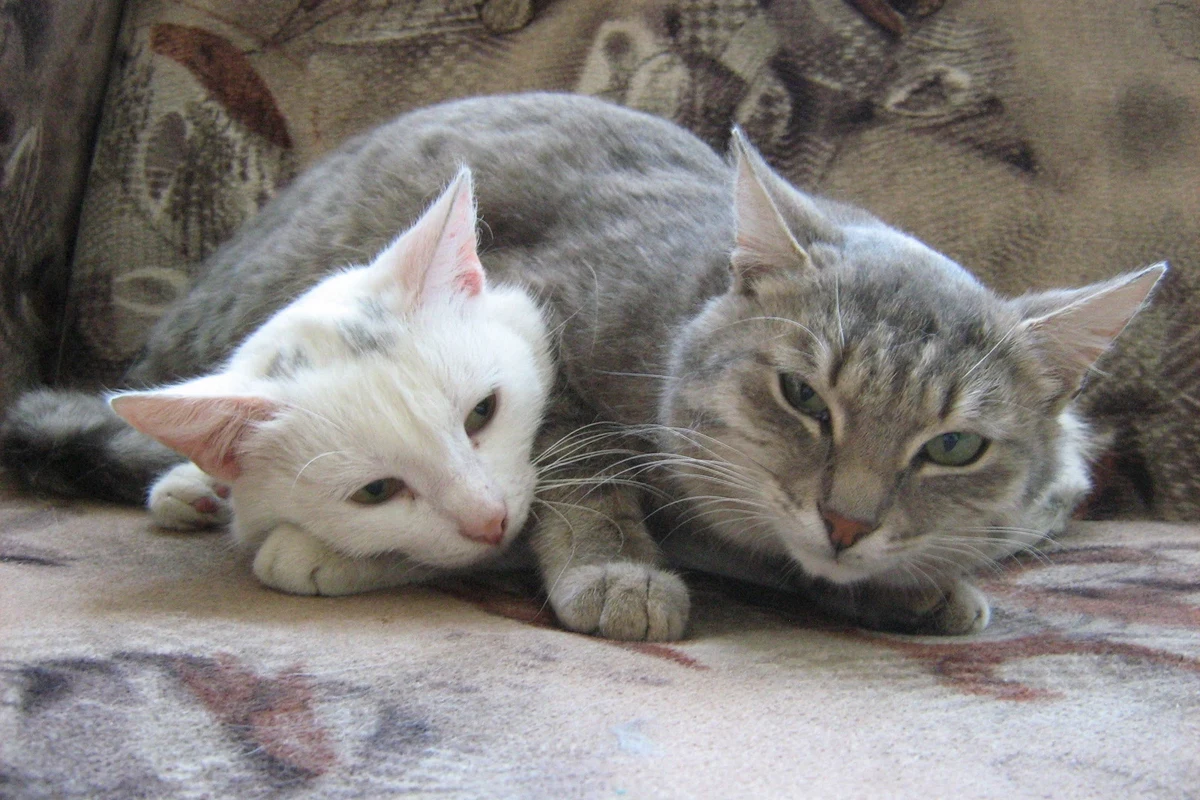
Social grooming serves various purposes in the feline world, including emotional connections and physical health. It helps cats express affection and provides comfort, especially during stressful times. Understanding these nuances can enhance how we interpret our cats’ behavior. For behavior context, do siamese cats have health issues best guide for cat lovers can help you compare similar signs.
Understanding the Psychology Behind Cat Grooming
To grasp why cats groom each other, it’s essential to delve into their psychology. Grooming impacts their relationships and helps establish a hierarchy within a multi-cat household.
What Does Grooming Mean for Cat Relationships?
Grooming is a sign of affection and trust among cats. When one cat grooms another, it signifies a close bond, often indicating that the cats feel safe and secure in each other’s company. This mutual behavior can strengthen their relationship significantly.
The Role of Scent and Territory in Grooming Behavior
Scent plays a crucial role in cats’ grooming habits. When cats groom one another, they exchange scents, which aids in marking territory and establishing familiarity. This behavior is particularly important in multi-cat households where territorial disputes may arise. You can also use is iams proactive health good for cats as a helpful next guide on the same cat-behavior topic.
Keep an eye on your cats’ grooming habits and look for any changes, as they may indicate stress or health issues.
Common Reasons Cats Engage in Mutual Grooming
Understanding the reasons behind mutual grooming can help cat owners appreciate this behavior and its significance. Here are some common motivations for this practice among felines.
Building Bonds: The Social Aspect of Grooming
Mutual grooming reinforces social ties and strengthens bonds between cats. This practice is especially common among littermates and cats that have grown up together. It is a natural way for them to show affection and care.
Stress Relief: How Grooming Helps Calm Cats
Grooming can also serve as a stress-relief mechanism. Cats often groom each other during times of anxiety or tension, providing comfort and reassurance. This behavior can be seen when cats are introduced to new environments or experiences.
Hygiene and Grooming: Maintaining Cleanliness Together
Aside from social bonding, grooming helps maintain hygiene. Cats clean areas that are difficult to reach themselves, promoting overall health. This mutual grooming helps reduce the buildup of dirt and parasites, contributing to a healthier living environment. You can also use is royal canin good for cat health as a helpful next guide on the same cat-care topic.
| Reason for Grooming | Details | Impact on Cats |
|---|---|---|
| Building Bonds | Strengthens social ties among cats. | Enhances trust and reduces aggression. |
| Stress Relief | Provides comfort during anxious times. | Helps calm nervous cats. |
| Hygiene Maintenance | Promotes cleanliness among cats. | Reduces health risks from parasites. |
Monitor for signs of aggression or excessive grooming, as these may indicate underlying health or behavioral issues.
Signs of Healthy Grooming Behavior
Identifying healthy grooming patterns is essential for cat owners. Not all grooming is beneficial, and understanding the signs of healthy behavior can help you monitor your cats effectively.
Normal Grooming Patterns and Frequency
Healthy grooming behavior typically includes regular, gentle grooming sessions between cats. The frequency can vary, but mutual grooming usually occurs several times a day. Observing your cats’ grooming patterns will help you ensure they are comfortable and content.
Indicators of a Strong Cat Bond Through Grooming
Signs of a strong bond include cats grooming each other voluntarily and displaying relaxed body language. Cats that share mutual grooming tend to be friendly and comfortable in each other’s presence, showing no signs of aggression or tension. For related context, you may also want to read how much does a vet visit cost for a cat health checkup.
When Grooming Becomes a Problem
While grooming is generally a healthy behavior, it can sometimes indicate underlying issues. It’s essential to recognize when grooming becomes problematic for your cats.
Signs of Aggression During Grooming Sessions
If grooming sessions escalate into aggressive behavior, it’s a cause for concern. Signs of aggression include hissing, growling, or sudden movements that indicate stress or discomfort. Monitoring these interactions can help prevent conflicts between your cats.
Health Issues Linked to Excessive Grooming
Excessive grooming can indicate health problems, such as allergies or skin conditions. If you notice your cat grooming obsessively or causing self-harm, consult a veterinarian. It’s crucial to address any underlying health issues promptly. For related health context, you may also want to read how to prevent obesity in cats for better health.
- Ensure each cat has access to its own grooming space.
- Provide plenty of toys and enrichment activities to reduce stress.
- Observe grooming interactions closely to identify any signs of discomfort.
Monitoring Your Cats’ Grooming Habits
Being proactive in observing your cats’ grooming habits is vital. Understanding their grooming interactions can help you maintain a harmonious household.
How to Observe and Record Grooming Behavior
Take note of the frequency, duration, and context of grooming sessions. Keeping a journal can help identify patterns and any changes in behavior over time, which is essential for your understanding of their social dynamics.
What to Look for in Healthy Grooming Dynamics
Look for relaxed body language, mutual grooming, and playfulness. Healthy grooming dynamics show that your cats feel comfortable with each other, which is crucial for their well-being. This connects closely with what are the most common health problems in cats if you want to compare the topic in more detail.
Common Mistakes Cat Owners Make About Grooming
Many cat owners misinterpret grooming behavior. Understanding these common mistakes can improve your interactions with your cats and support their health.
Overreacting to Grooming: What Not to Do
Some owners may overreact to grooming behavior, viewing it as a sign of dominance. It’s essential to recognize that grooming is typically a positive behavior that fosters bonds among cats.
Ignoring Changes in Grooming Behavior
Failing to notice changes in grooming habits can lead to missed health issues. Always be vigilant and consider consulting a veterinarian if you observe unusual behavior. For behavior context, is wet food better for cat health can help you compare similar signs.
Regular grooming not only helps maintain hygiene but also strengthens the bond between you and your cats.
Safety Tips for Cats Who Groom Each Other
Ensuring the safety of your cats during grooming interactions is crucial. Here are some helpful tips to maintain harmony in your multi-cat household.
When to Seek Veterinary Advice
If you notice signs of aggression or excessive grooming, it’s essential to consult a veterinarian. Early intervention can prevent potential health problems and improve your cats’ well-being.
Managing Stressful Situations Among Cats
Creating a stable environment helps reduce stress among your cats. This includes providing plenty of resources like food, litter boxes, and cozy resting spots to minimize competition and promote positive interactions. You can also use how much is a health check for a cat as a helpful next guide on the same cat-behavior topic.
- Ensure your cats are comfortable with each other.
- Consider their individual grooming needs based on coat type.
- Monitor for any signs of stress or aggression during grooming sessions.
Tools and Products to Support Healthy Grooming
Having the right grooming tools can enhance your cats’ grooming experience. Here are some recommendations to support their grooming habits.
Grooming Tools: What Works Best for Cats
Invest in quality grooming tools, such as brushes and combs designed for your cats’ coat types. Regular brushing can help reduce shedding and prevent matting, making grooming sessions more enjoyable.
Creating a Comfortable Grooming Environment
Ensure the grooming area is calm and free from distractions. A quiet, comfortable space will help your cats feel secure during grooming sessions, promoting positive interactions.
Preventive Measures for Healthy Grooming Behavior
Taking proactive steps can help promote healthy grooming behaviors among your cats. Here are some effective strategies to consider.
Establishing Routine and Structure for Multi-Cat Households
Creating a routine helps cats feel secure and reduces stress. Implementing a consistent feeding and grooming schedule can promote harmony and strengthen bonds among your felines.
Encouraging Positive Interactions Between Cats
Facilitate positive interactions by providing ample playtime and socialization opportunities. Engaging your cats in activities together can enhance their relationships and encourage grooming behavior.
Final Words
Cats grooming each other is a natural and significant part of feline behavior. It serves multiple functions from social bonding to hygiene maintenance. By understanding the reasons behind this behavior, you can foster healthier relationships among your cats and ensure their overall well-being. Always be observant and consult a veterinarian if you notice any concerning changes in their grooming habits.
🐾 Sufiya Begom's Tip: Every cat is different, so I always watch my own cats closely before assuming the worst. Small changes in appetite, grooming, or energy often mean something simple is going on — but if anything feels off for more than a day, it is always worth a quick check with your vet. Trust your instincts as a cat owner.
Frequently Asked Questions
Start with intended use, fit, verified specifications, safety instructions, care needs, and important limitations.
Start with the cat’s age, health history, home environment, safety guidance, and the main reason behind the topic.
It can vary by kitten, adult, senior cat, breed, temperament, health condition, diet, stress level, and home setup.
Check food changes, litter changes, symptoms, behavior changes, product fit, cleaning routine, and veterinarian guidance when health is involved.
A common mistake is treating every cat the same instead of considering age, health, environment, stress, and safety risks.
Contact a veterinarian if signs are sudden, severe, repeated, painful, linked to appetite, breathing, urination, weight, or involve kittens or senior cats.